The Virtuous Woman in Proverbs 31: An In-Depth Biblical Profile
The Virtuous Woman in Proverbs 31: An In-Depth Biblical Profile
Old Testament Women | Symbolic Figures
The Virtuous Woman in Proverbs 31: An In-Depth Biblical Profile
📅 Estimated 10th to 9th century BCE, during the reigns of King Solomon and later kings of Israel · 📜 The Hebrew name 'Eshet Chayil' translates to 'Woman of Valor' or 'Woman of Noble Character'.
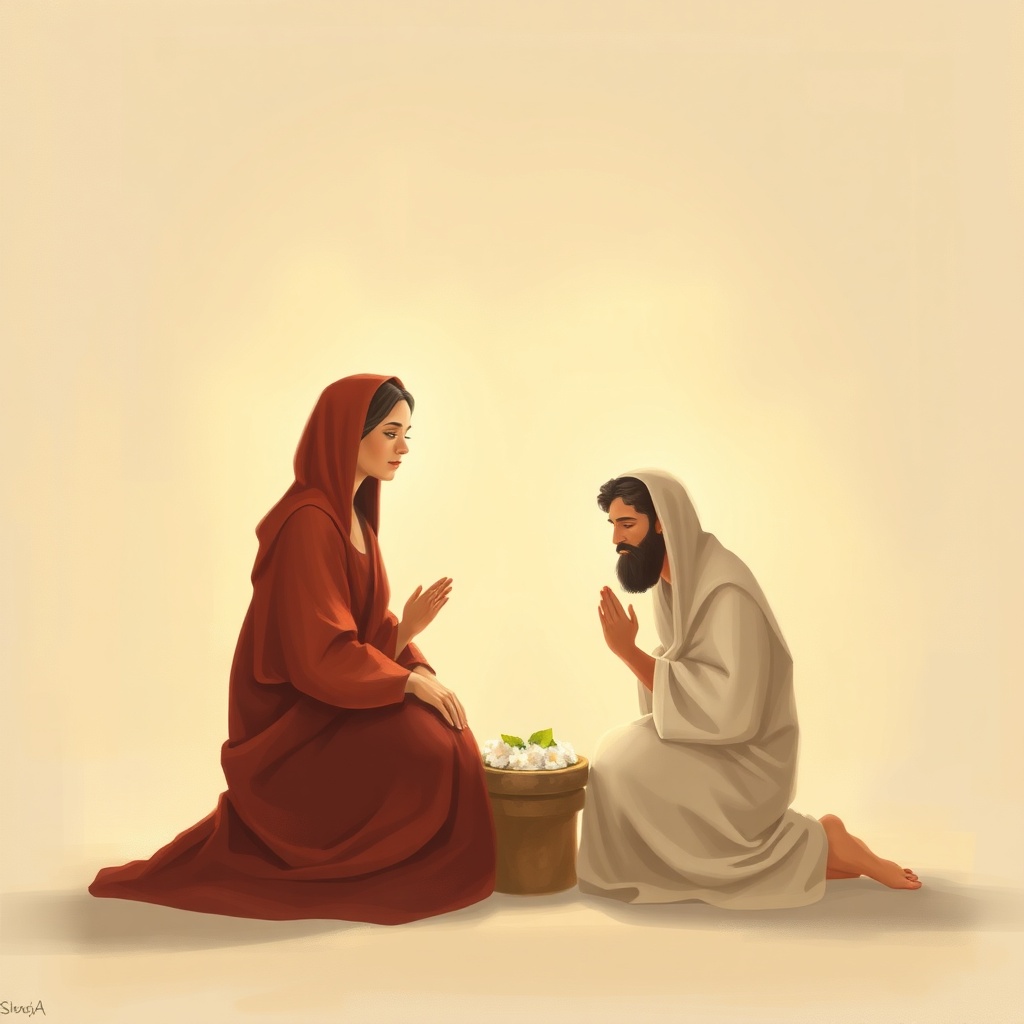
The Proverbs 31 woman exemplifies an ideal, courageous, and industrious woman who masters her household with wisdom, integrity, and strength. Her story, though not narrative in the traditional sense, serves as an instructional poem emphasizing her virtues—her resourcefulness in business, her compassionate nature, and her dedication to her family and community. She is portrayed as a woman who rises early, manages her household efficiently, and engages in commerce, symbolizing the ideal attributes of a godly woman. Her fear of the Lord is central to her character, inspiring her to act with kindness, diligence, and humility. In biblical literature, she epitomizes wisdom’s fruitfulness and reflects God’s design for a woman’s role as a nurturer and leader within her sphere. Her character continues to serve as a model for women striving to balance strength, faith, and service.
🏛️ Cultural & Historical Context
Living in ancient Israelite society, women’s roles were primarily centered around household management, child-rearing, and supporting their husbands. However, Proverbs 31 highlights a woman who transcends traditional expectations by engaging in commerce, managing property, and demonstrating leadership qualities. This remarkable portrayal reflects a cultural ideal where women could embody virtue not only through domestic devotion but also through wisdom, business acumen, and moral integrity. During this era, societal norms emphasized modesty and piety for women, but Proverbs 31 elevates her to a role of influence and respect, showcasing an aspirational model rooted in faith, responsibility, and active engagement in community life.
👨👩👧 Family Connections
She is described as the wife of King Lemuel and the mother of unnamed children, likely representing an idealized woman who embodies wisdom and virtue within her family and community.
The Virtuous Woman embodies the biblical ideal of wisdom and fear of the Lord, illustrating that true strength and honor come from divine reverence. Her character exemplifies the integration of faith and action, making her a typological figure representing wisdom’s fruitfulness and the divine beauty of a righteous life. She symbolizes the worthy wife and woman of noble character praised throughout Scripture, highlighting God’s design for women to reflect His virtues in their daily lives. Her portrayal underscores the importance of virtue, industry, and faithfulness as integral to God's plan for human flourishing and salvation history. Ultimately, she points believers to the divine qualities that direct a life pleasing to God and impactful in community.
📖 Lessons for Today
📖 Lesson 1
Cultivating wisdom and integrity in our daily lives leads to meaningful influence and respect, regardless of societal roles.
The Virtuous Woman shares similarities with Sarah and Ruth in her faith and strength, but contrasts with the more passive portrayals of women in some parts of Scripture. Unlike Mary, who exemplifies pure obedience, she actively engages in her environment, illustrating a proactive faith. Her role highlights a women’s capacity for leadership, industriousness, and wisdom, setting a different standard from the more traditional submissive archetypes but ultimately complementing biblical themes of virtue and devoted service.
📜 Scripture References
Reference
Proverbs 31:10-31
Proverbs 31:10-31
❓ Frequently Asked Questions
What qualities make the Proverbs 31 woman a biblical ideal?
She embodies wisdom, strength, diligence, and compassion, reflecting a life grounded in fear of the Lord and service to her family and community (Proverbs 31:10-31).
How does the Proverbs 31 woman inspire modern women?
Her example encourages women to pursue virtue, wisdom, and active engagement in their households and communities, balancing practicality with faith-based integrity.
Is the Proverbs 31 woman meant to be an unrealistic ideal?
While her qualities are aspirational, her depiction serves as a spiritual benchmark inspiring women to cultivate virtues like wisdom, strength, and kindness in everyday life.
✨ Did You Know?
The phrase 'Eshet Chayil' is sung during traditional Sabbath dinners in Jewish culture as a hymn praising women’s virtues. Historically, this song emphasizes honor and respect for women’s contributions, reflecting her central role in family and society across generations.








Leave a Reply