What Are the Seven Gifts of the Holy Spirit? A Complete Guide
The phrase the seven gifts of the Holy Spirit appears in Catholic tradition as a core part of forming the Christian moral and spiritual life. These gifts are not human talents or mere aspirations; they are divine endowments given by the Holy Spirit to strengthen, guide, and transform the believer. When a person is baptized and confirmed, these gifts accompany the grace already at work in the soul, helping us to live in closer union with God, discern truth, and respond with courage to the challenges of daily life. In broader Christian language, you might hear these called the sevenfold gifts, the gifts of the Spirit, or the seven spiritual gifts. Regardless of the phrasing, the content remains a coherent and practical guide for living a life faithful to the gospel.
If you’ve asked what are the seven gifts of the Holy Spirit or how do these gifts function in daily life, this article aims to be a comprehensive resource. We will ground the discussion in biblical foundations, explain each gift in depth, show how they interact with ordinary experience, and offer concrete ways to cultivate them through prayer, study, and sacramental life. The topic is rich and ancient, yet it remains remarkably relevant for anyone seeking to grow in holiness and discernment.
Foundations and Significance
The Seven Gifts sit at the heart of Catholic catechesis on sanctification. They are considered divine enablements from the Holy Spirit that elevate the human mind, will, and heart toward God. The traditional list is drawn from the prophetic language of Isaiah (Isaiah 11:2–3), where the Spirit rests on the Messiah with an array of qualities: wisdom, understanding, counsel, might, knowledge, piety, and fear of the Lord. In Catholic theology, these are not simply attributes of Christ alone; they are offered to believers to assist growth in charity and truth. When we speak of the gifts of the Holy Spirit, we are describing a kit of dispositions that shape judgment, moral action, and spiritual life.
To grasp their meaning, it is helpful to distinguish between gifts and fruits. The fruits of the Spirit—such as love, joy, peace, patience, kindness, generosity, faithfulness, gentleness, and self-control—describe the visible outcomes of a life lived in harmony with the Spirit. The seven gifts, by contrast, are enabling powers that make those fruits possible and help us to grow in virtue. In this sense, the gifts are like tools in a spiritual toolbox, enabling a believer to respond more generously and wisely to God’s will.
For readers seeking practical spiritual formation, the question often becomes: how do these gifts manifest in real life, and how can I grow in them? The answer lies in a combination of grace, practice, and discernment—through prayerful attention to God, immersion in the sacraments, study of sacred scripture, and supportive Christian community. The following sections offer a structured exploration of each gift, its significance, and ways to cultivate it in everyday circumstances.
The Seven Gifts in Clear, Practical Form
Wisdom — The light that sees things from God’s perspective. Wisdom helps us value eternal goods over passing ones, and it disciplines judgment when immediate appearances are misleading.
Understanding — The ability to grasp the deeper meaning of revealed truth and to see how the mysteries of faith fit together. Understanding clarifies our interior convictions and reduces confusion in conscience.
Counsel — Also called right judgment, counsel helps us discern the best moral path in complex situations. It guides our decisions toward goodness and discourages harm or compromise of conscience.
Fortitude — Courage in the face of difficulty, fear, or danger. Fortitude equips us to do what is right when it is hard, sustaining perseverance in virtue and prayer.
Knowledge — A practical grasp of the meaning of God’s creation and the way God is at work in our ordinary life. Knowledge helps us see God’s plan in everyday events and align our actions with divine intention.
Piety — A reverent love and filial trust toward God, expressed in worship, prayer, and a humble sense of being God’s beloved children within the Church. Piety fosters a heart open to God and to neighbor.
Fear of the Lord — Often described as a holy awe or reverence before God, a recognition of God’s majesty and a refusal to offend the Creator. It is a healthy fear that keeps us from sin and draws us toward God’s goodness.
Deepening the Gifts: How Each One Shapes Our Life of Faith
Wisdom — Seeing with God’s Eyes
Wisdom is more than intellect; it is a divine orientation of the heart that orders all things toward God. It clarifies values, helping us distinguish what is truly good from what merely seems good in the moment. In practice, the gift of wisdom informs decisions about work, family life, and service, ensuring that motives are oriented toward love for God and neighbor.
What it looks like in life: choosing the long view in difficult choices, prioritizing charity over convenience, and seeking first God’s kingdom in daily actions.
How to cultivate it: regular contemplation on Gospel values, humility to learn from those wiser than ourselves, and prayer for a larger vision of God’s plan.
Biblical illustrations: Jesus’ parables often require a wisdom to discern the kingdom values beneath the surface events.
Understanding — Clarity in the Truths of Faith
Understanding deepens the mind’s grasp of the mysteries of faith. It helps believers connect doctrine to life and see how different aspects of revelation illuminate one another. This gift supports steady formation in catechesis, spiritual reading, and the ability to explain the faith to others with charity and accuracy.
What it looks like in life: a coherent sense of why the Church teaches certain truths, an ability to connect Scripture passages to broader spiritual themes, and a defense of the faith conducted with gentleness.
How to cultivate it: systematic reading of sacred scripture, tutoring in theological language, and engagement with the Church’s teaching offices in a spirit of obedience to truth.
Examples: correlating the meaning of sacraments with daily practice, recognizing how liturgy shapes moral life, and reading spiritual authors with discernment.
Counsel — Right Judgment in Difficult Choices
Counsel helps us choose between competing goods and discern the right path when circumstances are complex. It is a practical intelligence that invites wise advice, seeks counsel from trusted spiritual directors, and aligns choices with the good God desires for each person.
What it looks like in life: seeking advice in morally ambiguous situations, weighing consequences of different actions, and avoiding rash decisions.
How to cultivate it: openness to mentorship, discernment practices like examen prayer, and prayer to the Holy Spirit for guidance in times of uncertainty.
Examples: navigating a career change, handling a family conflict, or balancing truth with charity in tense conversations.
Fortitude — Courage to Do What Is Right
Fortitude gives moral and spiritual courage when facing fear, pain, or pressure. It sustains perseverance in virtue, helps us endure trials, and strengthens our commitment to live as followers of Christ even when it costs us something important.
What it looks like in life: continuing to pursue justice in the face of opposition, remaining faithful in hardship, and practicing self-control under stress.
How to cultivate it: small acts of sacrifice, daily prayer for strength, and reliance on grace during moments of trial.
Examples: standing up for the vulnerable, resisting peer pressure that leads to sin, and bearing burdens with patience and hope.
Knowledge — Seeing God’s Plan in Creation and Life
Knowledge assists us in recognizing God’s action in the world and in our lives. It goes beyond facts to grasp how human life, creation, and history fit into God’s plan. This gift helps people appreciate the order God has woven into reality and to respond with gratitude and responsibility.
What it looks like in life: appreciating how daily choices affect the larger good, recognizing ethical implications of actions, and cultivating a respectful awe for God’s creative work.
How to cultivate it: study of moral theology, reading about the natural world in light of faith, and prayerful reflection on the meaning of life’s events.
Examples: aligning work, relationships, and stewardship of resources with God’s purposes; discerning careers or vocations in light of service to others.
Piety — Loving Reverence Toward God
Piety, sometimes described as filial love or reverent devotion, strengthens our relationship with God and fosters a heart that loves holiness and worship. It expresses itself in prayer, liturgy, and a humble trust in God’s care as Father.
What it looks like in life: regular participation in prayer and the sacraments, a consistent habit of gratitude, and a respectful attitude toward sacred things and people in authority.
How to cultivate it: personal prayer time, participation in parish life, and a practical habit of bringing daily concerns to God as a child would bring them to a father.
Examples: attending Mass with attention, praying the Rosary or other devotions, and honoring God in ordinary routines through praise and gratitude.
Fear of the Lord — Reverence and Awestruck Respect Before God
Fear of the Lord is a proper awe and reverence that keeps us from sin and moves us toward goodness. It is not primarily fear of punishment but a recognition of God’s holiness and majesty that draws a person to deeper fidelity and love.
What it looks like in life: a humility that seeks to avoid offending God, a readiness to amend one’s life in light of God’s presence, and a healthy awe in worship and prayer.
How to cultivate it: ongoing prayer, examination of conscience, and immersion in Scripture that reveals the grandeur of God’s plan.
Examples: choosing honesty when it costs temporary comfort, resisting temptations that would offend God, and approaching the liturgy with filial awe.
How the Gifts Interact with Sacraments and Christian Life
The gift package is not solo ammunition; it works best when it is nurtured within the broader life of the Church. In Catholic practice, these gifts are deeply connected to the sacraments—especially Baptism and Confirmation. The Holy Spirit’s work through these channels strengthens the believer so that the gifts can bear fruit in the world.
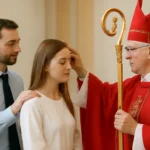
Confirmation is traditionally understood as the sacrament in which these gifts are renewed and intensified, equipping the recipient to witness to the gospel with boldness and integrity.
Prayer and Scripture deepen interior grasp of the gifts. Lectio divina, contemplation, and the study of sacred authors can illuminate how wisdom, understanding, and counsel operate in real life.
Spiritual Direction or mentorship helps believers discern how the gifts are at work in their particular vocation—married life, single life, priestly or religious life, or lay ecclesial ministry.
Practical Ways to Grow in the Seven Gifts
Developing the seven gifts of the Holy Spirit is not a one-time event but a lifelong path. The following practices can help believers cultivate these divine endowments in everyday life:
Prayerful reflection on daily events, recognizing opportunities to act with wisdom, understanding, and courage.
Regular confession and participation in the Eucharist, allowing grace to shape the heart and free it from the burdens of sin.
Mentors and holy examples who model wise discernment, steadfastness, and reverence for God’s plan.
Scripture study and Catholic teaching that connect doctrinal truths to practical living.
Service and charity as concrete laboratories for practicing the gifts in real relationships and communities.
Discernment practices such as the examen, journaling, or spiritual direction to identify where the gifts are most active and where growth is needed.
Frequently Asked Questions About the Gifts
Why do Catholics emphasize these seven gifts?
These gifts are seen as essential tools for the Christian journey. They guide moral choices, deepen faith, and enable believers to live out the gospel with integrity and joy. Though different Christian traditions may describe gifts differently, the catechetical value of this sevenfold list remains central in Catholic life.
Are the seven gifts the same as the fruits of the Spirit?
No. The fruits of the Spirit (Galatians 5:22–23) describe the outcomes or signs of the Spirit’s work in a person’s life — love, joy, peace, patience, kindness, goodness, faithfulness, gentleness, and self-control. The gifts are the enabling powers that help a person grow in those fruits and live according to God’s will.
How do I know which gifts are strongest in me?
Often, believers notice particular strengths in certain situations—perhaps wisdom shines in family decisions, or fortitude helps in times of trial. This can be discovered through prayer, feedback from trusted spiritual mentors, and reflection on moments when you felt a deep sense of God’s guidance or courage. The Church invites all to welcome all seven gifts and to seek growth in each through grace and practice.
Can these gifts be lost or “misused”?
The gifts are given by the Holy Spirit and can be imperfectly exercised or neglected. Cultivating them with humility and surrender to God’s will helps ensure they are used for good. It is normal for believers to ask for renewed grace to strengthen underused gifts and to correct misunderstandings or misapplications in daily life.
The seven gifts have a long history in Christian spirituality. Early Church Fathers and medieval theologians discussed them in catechetical manual formats, and their influence persists in modern catechesis and preaching. The list reflects a rich synthesis of biblical texts, liturgical prayer, and pastoral wisdom about how the Spirit enables a human being to respond to God’s invitation to holiness. The language used to describe each gift emphasizes not only individual improvement but the communal dimension of Christian life: these gifts are entrusted to the community to build up the body of Christ and to bear witness to God’s plan in the world.
In contemporary catechesis, the gifts are often paired with practical discernment practices for adults, youth, and families. Catholics are encouraged to name their gifts, seek opportunities to exercise them, and welcome correction and growth in virtue. In this sense, the topic becomes not just a theological concept but a living path toward greater fidelity, more generous love, and a deeper union with God.
Closing Reflections on a Living Tradition
In sum, the seven gifts of the Holy Spirit provide a biblically rooted, theologically rich framework for understanding how God works within a believer to shape conscience, courage, and character. They are not a static checklist but a dynamic invitation to cooperate with grace. Whether you are new to faith or have walked with the gospel for many years, exploring these gifts can illuminate your daily choices, strengthen your prayer, and deepen your sense of God’s ongoing presence in your life.
As you continue your spiritual journey, consider how each gift might be at work in your heart today. Where is there a lack of wisdom or counsel? Where do you need fortitude to bear a difficult cross? How might embracing the gifts of knowledge, piety, and a holy fear of the Lord transform your relationships, your work, and your service to others? By inviting the Holy Spirit to deepen these seven channels of grace, you participate in a long-standing Christian tradition that seeks, with gratitude and perseverance, to grow into the image of Christ.
For further study, you may consult the Catechism of the Catholic Church, especially sections that discuss the gifts of the Holy Spirit, as well as pastoral letters and catechetical resources from your local diocese. Many saints have written about the gifts in practical terms—how they looked in daily life and how believers can cooperate with grace to manifest them more fully. Reading lives of the saints, praying with scripture, and joining a parish community committed to spiritual growth can all help you live out the fullness of these divine gifts in your ordinary, everyday existence.







Leave a Reply