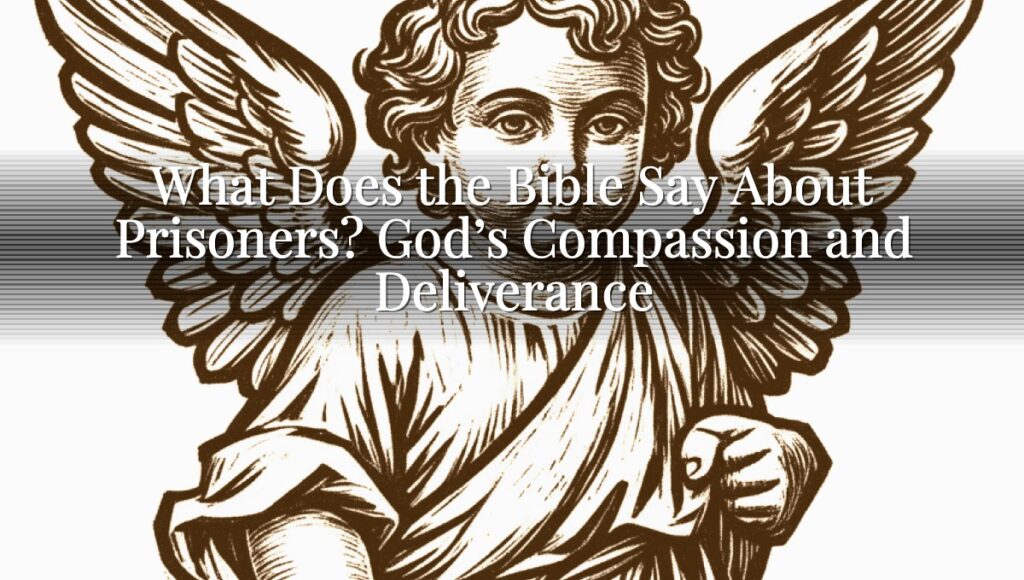
What Does the Bible Say About Prisoners? God’s Compassion and Deliverance
Quick Answer: what does the bible say about prisoners? The Bible shows that God is near to brokenhearted people, that He executes judgment for the oppressed and loosens prisoners, and that God can bring sudden deliverance—even when believers pray and sing in captivity. These passages call us to trust God’s power and to respond with compassion toward those who are confined.
When you wonder what does the bible say about prisoners, you’re really asking about God’s heart toward people who suffer confinement, injustice, and fear. Scripture does not treat prisoners as forgotten; it portrays God as actively involved in the lives of the oppressed. We see God’s nearness to the brokenhearted and His compassion for contrite spirits. We also read that the Lord loosens prisoners, showing that imprisonment is not beyond His authority. Finally, the story of Paul and Silas teaches that faithful worship and prayer can become a pathway to deliverance, even when circumstances look locked in place. These verified verses remind us that God’s justice is real, His mercy is personal, and His power can move barriers in ways we cannot predict. If you’re praying for someone behind bars or facing pressure in your own life, these truths are meant to strengthen your faith and guide your response.
At a Glance — Verses in This Article
Psalms 34:18
Psalms 146:7
Acts 16:25-26
Bible Verses
Psalms 34:18 (King James Version)
“The LORD is nigh unto them that are of a broken heart; and saveth such as be of a contrite spirit.”
This verse assures that God draws near to those with broken hearts and contrite spirits, including people who feel crushed by confinement or injustice.
Psalms 146:7 (King James Version)
“Which executeth judgment for the oppressed: which giveth food to the hungry. The LORD looseth the prisoners:”
This passage explicitly states that the LORD looseth the prisoners, connecting God’s character with deliverance for the oppressed.
“And at midnight Paul and Silas prayed, and sang praises unto God: and the prisoners heard them. And suddenly there was a great earthquake, so that the foundations of the prison were shaken: and immediately all the doors were opened, and every one’s bands were loosed.”
This narrative shows prisoners hearing worship and experiencing God’s intervention—earthquake, opened doors, and loosed bands—when believers pray and sing.
God Sees the Brokenhearted Behind the Walls
One of the clearest themes in Scripture is that God does not remain distant when people are hurting. Psalms 34:18 declares that the LORD is nigh unto them that are of a broken heart and that He saves those with a contrite spirit. “Nigh” means God is close—present, attentive, and able to help.
In the context of prisoners and oppression, this matters because many who are confined feel unseen. Some are held due to wrongdoing; others are held due to injustice. Either way, the emotional reality can be devastating: loneliness, shame, fear of the future, and the sense that life has stopped. Psalms 34:18 speaks directly into that inner world. It doesn’t promise that every circumstance immediately changes, but it firmly teaches that God’s care reaches the place where hearts break.
For Christians, this verse also reshapes how we view prisoners. We are not called to reduce them to their labels—“criminal,” “offender,” or “case number.” Instead, we are invited to remember that God hears brokenness and can bring rescue with the saving work He performs.
So when you ask what the Bible says about people in prison, begin here: God’s nearness is not limited by location, bars, or distance. He meets the brokenhearted and works in a person’s spiritual condition even when their physical circumstances remain hard.
The LORD Loosens Prisoners: Justice and Mercy Together
If Psalms 34:18 highlights God’s nearness to broken hearts, Psalms 146:7 focuses on God’s active help for the oppressed. This verse says the LORD executes judgment for the oppressed, gives food to the hungry, and then makes a bold statement: The LORD looseth the prisoners.
That phrase is important because it identifies God’s power as both moral and practical. God is not merely sympathetic; He intervenes. “Executes judgment” implies that wrongdoing and oppression will not remain unanswered forever. “Looseth the prisoners” shows that liberation is part of God’s agenda.
This means we should hold two truths at the same time: (1) people in confinement are not beyond God’s notice, and (2) God’s compassion includes His ability to bring release. Sometimes deliverance looks immediate; sometimes it looks gradual or long-awaited. But Scripture assures us that captivity is not outside God’s authority.
When considering Bible teaching about prisoners and oppression, Psalms 146:7 also challenges believers to care. If the Lord loosens prisoners, then followers of Christ should be moved toward advocacy, prayer, and practical support—according to what is appropriate and possible. The verse doesn’t ask us to ignore justice or enable harm; it calls us to remember God’s heart for those who are oppressed.
Ultimately, this passage gives hope: even when the world seems determined to lock people away, the Bible presents a God who can open what no human key can touch.
Praise and Prayer in Captivity Can Become Deliverance Ground
Acts 16:25-26 gives a vivid picture of God moving in a prison setting. Paul and Silas prayed and sang praises unto God at midnight, and the result was startling: the prisoners heard them, and then there was a great earthquake. The foundations of the prison were shaken, the doors were opened, and the bands (restraints) were loosed.
Several lessons rise to the surface. First, praise and prayer are not powerless when you feel restricted; they are spiritual actions that God can use. Paul and Silas weren’t waiting for ideal conditions. They worshiped in the middle of their confinement.
Second, their worship affected others immediately. The verse highlights that the prisoners heard them—suggesting that God’s work reaches beyond the believer who is praying. Even when you cannot change your environment right away, your faithfulness may encourage others and become a testimony.
Third, God can break the pattern. Humanly speaking, a prison is designed to prevent escape and silence witnesses. Yet the story shows doors opened and bonds removed. This aligns directly with Psalms 146:7’s declaration that the LORD looseth the prisoners.
So, when you seek hope for prisoners according to the Bible, Acts 16 reminds you that God is not limited by walls. Faith can become the place where God’s intervention begins—through prayer, through worship, and through His sudden, saving action.
For Christians today, this encourages anyone experiencing pressure, restraint, or fear (even if not in a literal cell). God hears, God can act, and worship is never wasted in His presence.
How to Respond: Compassionate Prayer, Godly Perspective, and Faithful Witness
If you want to apply what Scripture teaches about prisoners, start by shaping your heart the way these verses do. God is near to brokenhearted people (Psalms 34:18), He loosens prisoners (Psalms 146:7), and He can deliver through prayer and praise (Acts 16:25-26). Here are practical steps you can take.
1) Pray with compassion and specificity. Ask God to draw near to people who feel brokenhearted and contrite. Pray that believers behind bars would be strengthened, and that those who are oppressed would experience God’s mercy and justice. Let this be grounded in the LORD is nigh unto them that are of a broken heart.
2) Pray for deliverance with a realistic hope. Psalms 146:7 assures us that the LORD looseth the prisoners. That means you can ask for release—while also trusting God’s timing and purposes. Sometimes deliverance looks like doors opening; other times it looks like inner freedom and eventual help.
3) Be a witness through worship. Acts 16 shows that worship in captivity matters, and the prisoners heard them. Even if you cannot visit a jail, you can model faithful worship: pray, sing, and speak hope in your own setting. God may use your faith to minister to others.
4) Serve according to your opportunity. Choose appropriate ways to support prisoners and their families—consistent with local laws and wisdom. The Bible’s emphasis on justice and mercy should move you toward prayer and practical compassion rather than indifference.
As you practice these habits, you’ll find that Scripture doesn’t only inform your theology—it trains your response toward people who are confined.
Frequently Asked Questions
What the Bible says about people in prison when they feel abandoned?
Psalms 34:18 teaches that the LORD is near to those who are of a broken heart and saves those with a contrite spirit. This means abandonment is not the final truth for a prisoner; God’s presence reaches inwardly even when outward conditions feel hopeless.
How does scripture describe God’s attitude toward prisoners in suffering?
Psalms 146:7 shows God actively helps the oppressed: He executes judgment and looseth the prisoners. This presents God’s attitude as compassionate and powerful—He does not merely observe oppression from a distance.
What does the Bible show about hope for prisoners through prayer and worship?
In Acts 16:25-26, Paul and Silas prayed and sang praises, and the prisoners heard them. Then God intervened with an earthquake, opened doors, and loosed the bands. The passage connects worship and prayer with real, surprising deliverance.
Does what does the bible say about prisoners mean release always happens immediately?
The verses show God’s power to loosen prisoners and to open doors, but they don’t promise every situation changes instantly. What is guaranteed is God’s nearness to broken hearts, His involvement in justice, and His ability to deliver in ways that fit His purposes.
A Short Prayer
Heavenly Father, thank You that You are near to the brokenhearted and that You save those with contrite spirits. We ask You to bring mercy to those who are confined, to execute judgment for the oppressed, and to loosen prisoners according to Your will. Strengthen believers behind bars, keep their hearts faithful, and let prayer and praise rise even in hard places. Open doors that no man can shut, and release what You have promised. In Jesus’ name, amen.
Key Takeaway: The Bible teaches that God is near to broken hearts, works justice for the oppressed, and can loosen prisoners—often through prayer and faithful worship.