7 Redemptive Names of God: What They Reveal About His Nature
7 Redemptive Names of God: What They Reveal About His Nature
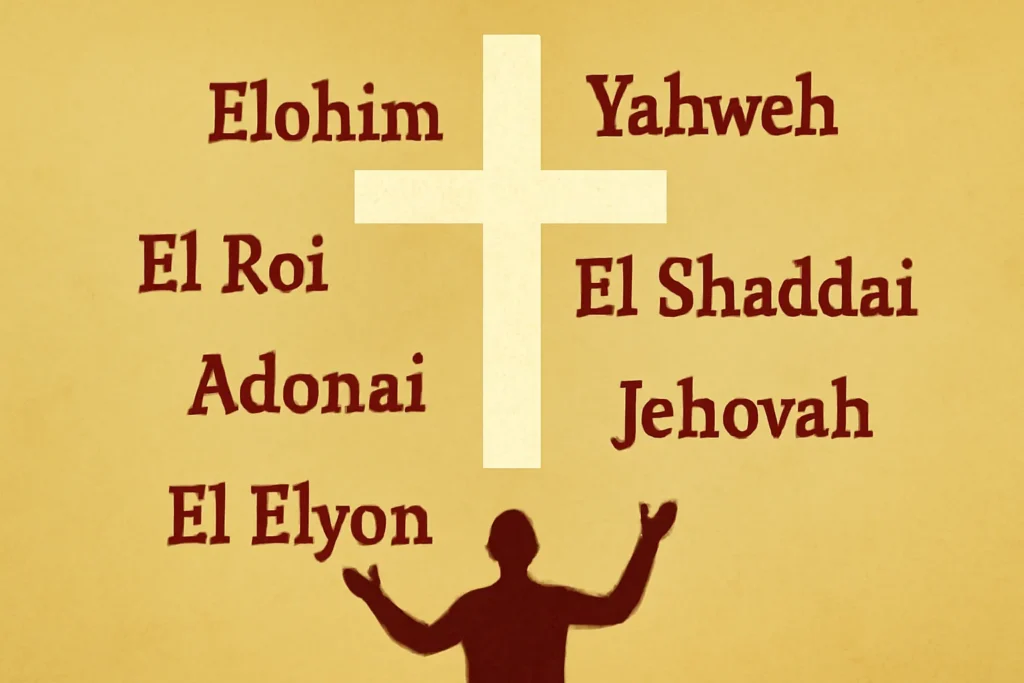
The Bible presents God with a spectrum of names that reveal how He acts in history and in our lives. Among these, a distinctive group called the redemptive names highlights God’s rescue, provision, and holiness in concrete, relational ways. This article surveys seven of the most widely recognized redemptive names, explains what each name communicates about God’s nature, and offers practical reflections on how believers can live in light of these truths. For clarity and breadth, you’ll see variations in spelling and phrasing (for example, Jehovah-Jireh versus The Lord Will Provide), reminding us that the heart of the name remains the same even as language shifts across translations and traditions.
The name Jehovah-Jireh, sometimes rendered The Lord Will Provide or Yahweh-Yireh, captures God’s initiative to supply what is needed at the decisive moment. The most famous biblical setting for this name is Genesis 22, where Abraham is asked to offer Isaac on Mount Moriah and, at the last moment, God provides a ram as a substitute offering. From that moment, provision becomes a defining attribute connected to divine faithfulness in crisis.
Scriptural basis
Genesis 22:14 — “And Abraham called the name of that place, The Lord will provide; as it is said to this day, On the mount of the Lord it shall be provided.”
Related imagery in the broader biblical narrative emphasizes God’s readiness to supply not only material needs but also wisdom, courage, and discernment in times of testing.
God initiates provision rather than merely responding to human need.
Provision accompanies guidance—God often provides as He leads, calling His people to trust, step by step.
God’s care extends beyond immediate needs; the ram caught in the thicket prefigures substitutionary rescue and a broader framework of mercy.
Practical applications
When resources seem scarce, recall that God is faithful to provide in ways you might not expect.
In planning and budgeting, invite God into the process with prayerful discernment rather than fear-driven decisions.
In times of sacrifice, trust that God can honor obedience and still meet essential needs.
Prayer reflections
“Lord, show me how You will provide in this season, even when the path is unclear.”
Ask for a heart posture that looks for God’s provision in everyday routines, not only in dramatic breakthroughs.
2) Jehovah-Rapha — The Lord Who Heals
The name Jehovah-Rapha, sometimes translated The Lord Who Heals or YHWH-Rapha, centers on God’s compassionate restoration—physically, emotionally, and spiritually. Healing in the biblical sense often implies wholeness, repair of brokenness, and reconciliation with God as a precondition for every other form of flourishing.
Scriptural basis
Exodus 15:26 — “If you diligently listen to the voice of the Lord your God, and do what is right in His eyes... I will put none of the diseases on you which I have brought on the Egyptians; for I am the Lord who heals you.”
Psalm 103:3 — “who forgives all your iniquity, who heals all your diseases.”
New Testament echoes speak of Jesus’ healing ministry as a continuation of God’s healing heart (fulfilling the deeper realities of shalom—wholeness).
What it reveals about God’s character
Compassionate care for human weakness, infirmity, and brokenness.
Holistic restoration that touches bodies, souls, and relationships.
Providence embedded in mercy—healing as a relational gift from a personal, present God.
Practical applications
Approach illness, pain, and trauma with both medical wisdom and spiritual trust, recognizing healing as a gift that may come through multiple channels—medicine, community support, prayer, and divine grace.
Practice care for others by embodying patience, encouragement, and prayer for those who suffer.
In your own life, cultivate habits that support healing: healthy routines, honest confession, and regular surrender to God’s mercy.
Prayer reflections
“Lord, bring healing to what is broken in me and others, and help me trust Your timing.”
Ask for wisdom to discern the paths toward physical, emotional, and spiritual wellness.
3) Jehovah-Nissi — The Lord Is My Banner
Jehovah-Nissi translates as The Lord Is My Banner or The Lord My Battle Standard, a name that anchors victory, allegiance, and identity. It arises from the historical moment when Israel experienced victory against hostile forces, and Moses set up an altar naming the Lord as their banner of triumph and unity.
Exodus 17:15 — “And Moses built an altar and called its name, The Lord is my Banner.”
Exodus 17 portrays the people’s survival and success in battle with God’s help, underscoring divine sponsorship of their cause.
What it reveals about God’s character
Divine sponsorship of destiny—God stands as the standard under which His people rally.
Instructions for unity—the banner calls God’s people to loyal allegiance amid conflict.
Protection in spiritual warfare—victory is read as part of God’s redemptive governance over history.
Practical applications
Choose your allegiance carefully; align decisions with the banner of God’s kingdom rather than the shifting winds of culture.
In moments of conflict—whether personal, communal, or societal—remember the Lord’s leadership and seek strategic, principled action that honors Him.
Prayer reflections
“Lord, be my banner in the battles I face today, and grant me courage rooted in Your promised victory.”
4) Jehovah-Shalom — The Lord Is Peace
Jehovah-Shalom embodies a deep, covenant-centered peace—not merely the absence of conflict but the presence of wholeness and well-being that comes from divine restoration. The name is famously linked to Gideon’s altars after victory in Judges 6, where the Lord is identified as the peace-giver who transcends turbulent circumstances.
Scriptural basis
Judges 6:24 — “Then Gideon built an altar there to the Lord and called it The Lord is Peace.”
Across Scripture, peace is envisioned as a reconciliation with God, inner steadiness, and a shalom that overflows into relationships and communities.
What it reveals about God’s character
Holistic peace that encompasses heart, mind, and will.
Relationship-grounded calm grounded in trust, obedience, and the presence of God with His people.
Restoration over ruin—God’s intention is to mend what has been fractured by sin and fear.
Practical applications
Practice peacemaking by listening to others, seeking reconciliation, and cultivating a spirit of gentleness.
In anxious seasons, invite God’s peace through prayer, Scripture, and community support, allowing His presence to reorder priorities.
Prayer reflections
“Lord, grant me Your peace that surpasses understanding, and help me be a conduit of peace to those around me.”
5) Jehovah-Rohi (or Jehovah-Rohi) — The Lord Is My Shepherd
Often rendered Jehovah-Rohi or Jehovah-Ra’ah, this redemptive name centers on God’s shepherding care for His people. The image of a shepherd conveys guidance, protection, provision, and intimate knowledge of the sheep. Psalm 23 famously invites us into a relationship where God personally leads, restores, and sustains.
Psalm 23:1 — “The Lord is my shepherd; I shall not want.”
Other shepherding imagery in Scripture helps believers understand how God leads through green pastures, still waters, paths of righteousness, and protection from danger.
What it reveals about God’s character
Personal, intimate care—God knows His own and tends to their needs with compassion.
Guidance and provision—God leads, curates, and sustains through life’s terrain.
Protection and restoration—even through valleys, God remains a faithful guardian and healer.
Practical applications
Invite God to guide your decisions as a shepherd would guide a flock, seeking His voice in prayer, Scripture, and wise counsel.
Trust in His provision as you navigate daily needs, recognizing that His care encompasses more than material supply.
Prayer reflections
“Lord, lead me like a shepherd leads His sheep, with patience, mercy, and steadfast presence.”
6) Jehovah-Tsidkenu — The Lord Our Righteousness
Jehovah-Tsidkenu translates as The Lord Our Righteousness and points to God as the source and standard of righteousness. In prophetic Scripture, this name anticipates the Messiah’s role in establishing righteousness for God’s people. It speaks to both a gift of righteousness and a transforming standard by which life is measured.
Scriptural basis
Jeremiah 23:6 — “In His days Judah will be saved, and Israel will dwell securely. And this is the name by which He will be called: The Lord is our righteousness.”
Jeremiah 33:16 — “In those days Judah will be saved, and Jerusalem will dwell safely. And this is the name by which it will be called: The Lord is our righteousness.”
What it reveals about God’s character
Righteousness as a gift—God provides a just status apart from human merit.
Justification through reliance on God—not by works alone, but through trust in His redemptive plan.
Messianic expectation—anticipating a victorious kingdom where justice and mercy prevail.
Practical applications
Rest in God’s provision of righteousness through faith and (where appropriate) the work of Christ, recognizing that human effort cannot earn it alone.
Let this identity shape ethical choices—seeking justice, practicing integrity, and living in gratitude for God’s mercy.
Prayer reflections
“Help me live in the righteousness You provide, not in the ego of self-justification, but in grateful dependence on You.”
7) Jehovah-Mekaddesh — The Lord Who Sanctifies
The name Jehovah-Mekaddesh speaks to sanctification—God’s ongoing work of setting people apart for His purposes. The root idea is to consecrate and to make holy by God’s own action. Exodus 31:13 highlights the covenantal call to remember that God sanctifies His people as they observe His commandments and enter His presence.
Scriptural basis
Exodus 31:13 — “You shall keep my Sabbaths, for this is a sign between me and you throughout your generations, that you may know that I, the Lord, sanctify you.”
Leviticus and prophetic texts extend the idea of holiness to personal character, communal life, and worship practices.
What it reveals about God’s character
Holiness as a present-tense attribute—God actively makes people holy; it is not merely a future hope.
Relational sanctification—sanctification happens within the relationship between God and His people, empowering endurance, fidelity, and love.
Purpose-driven purity—holiness serves God’s purposes and leads to flourishing communities where God’s name is honored.
Practical applications
Engage in ongoing practices that cultivate holiness: confession, repentance, and disciplined spiritual disciplines that align life with God’s design.
Encourage others in their sanctification journey by speaking truth in love and modeling faithful living.
Prayer reflections
“Mold me, Lord, into what You desire—set apart for Your use, and sustain me by Your Spirit to walk in holiness.”
Bringing the seven names into a single view
What do these seven redemptive names collectively reveal about God? They sketch a multi-faceted portrait of a God who is personal, active, and intimately involved with human need. They show a covenant Lord who provides (Jireh), heals (Rapha), leads to victory (Nissi), grants deep peace (Shalom), shepherds with care (Rohi), furnishes righteousness (Tsidkenu), and sanctifies His people (Mekaddesh). Each name shifts the emphasis to a different facet of His redemptive work, yet together they form a coherent account of a God who rescues, sustains, and transforms.
How to engage these names in prayer and worship
In personal devotion, corporate worship, and teaching contexts, these names can guide reflection and practice. Here are ways to engage them meaningfully:
Integrate a name into your daily prayer—choose one name each day, recite its significance, and ask God to apply its truth to your life.
Create a devotional cycle—alternate study that moves from provision (Jireh) to healing (Rapha) to peace (Shalom), and so on, building a holistic sense of God’s ongoing work.
Encourage intercession with the names—pray for people and situations by requesting God’s intervention along the lines of each name (e.g., provision for need, healing for illness, protection in conflict, peace in anxiety, guidance in decision-making, righteousness in character, sanctification in conduct).
Use the variations in language—acknowledge different translations and traditions by naming both the Hebrew form and the English rendering to deepen understanding and respect for the textual heritage.
Important cautions and nuanced understandings
While these six to seven redemptive names are powerful in illuminating God’s character, a few caveats help keep study balanced:
Names reflect relationship, not magic—they describe how God relates to people in faith, not as formulas guaranteeing automatic results.
Context matters—each name arises within a particular biblical moment; its application should be read with attention to that context and to the whole counsel of Scripture.
Messianic fulfillment—in Christian interpretation, several of these names point forward to the person and work of Jesus Christ, who embodies and fulfills these redemptive realities in perfect measure.
Conclusion — A mosaic of God’s redemptive nature
Together, the seven redemptive names examined here offer a comprehensive portrait of a God who cares, acts, and transforms. Each name anchors a dimension of God’s redemptive work—from The Lord Will Provide in moments of crisis to The Lord Our Righteousness as a basis for life lived in integrity, and from The Lord Is Peace shaping inner wholeness to The Lord Who Sanctifies guiding a community toward holiness. By exploring these names, readers gain both a richer language for prayer and a deeper understanding of God’s ongoing relationship with creation.
Whether you are new to scriptural study or you have walked with these truths for years, revisiting these seven names can renew your sense of awe and encourage faithful living. The God who reveals Himself in these redemptive ways is the same God who invites you to encounter Him daily—trusting His provision, receiving His healing, standing under His banner of victory, resting in His peace, following His shepherding voice, embracing His righteousness, and growing in sanctification for His glory and your good.







Leave a Reply