A Very Powerful Prayer for Difficult Situations: Find Hope, Strength, and Guidance
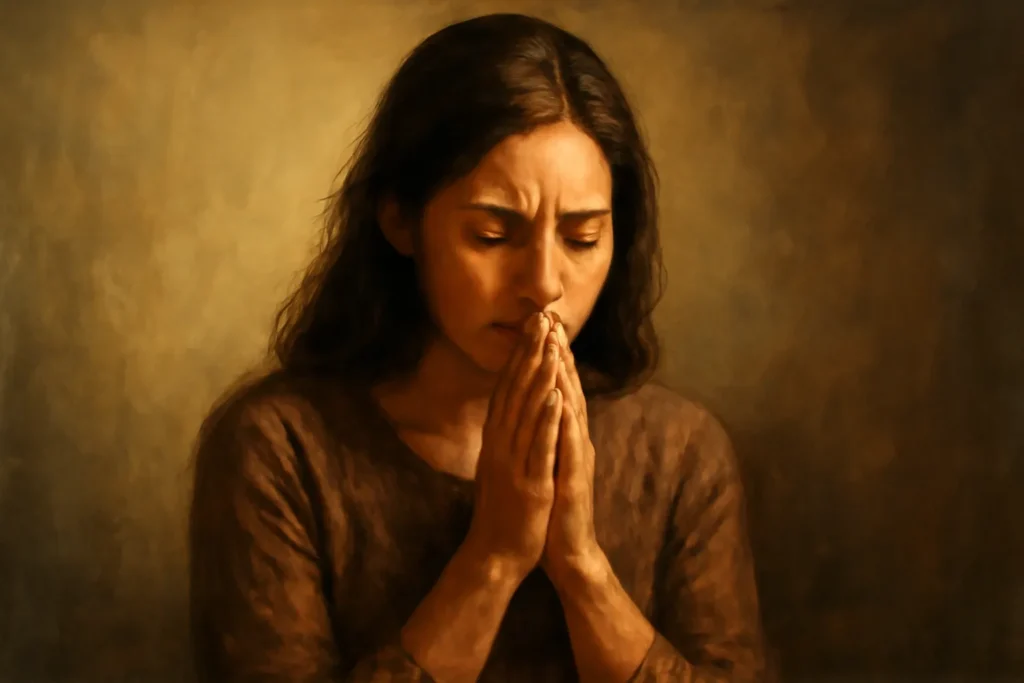
Life can place us in the middle of storms—financial hardship, illness, loss, fear, or overwhelming responsibility. In these moments, a very powerful prayer for difficult situations can function as a steadying force, a beacon that clarifies what matters, and a source of hope, strength, and guidance. This article offers not only a traditional, unwavering prayer but also several variations that speak to different moods, contexts, and beliefs. The aim is to provide a resource you can return to again and again, tailoring the words to your own heart while keeping the essence: to seek help beyond ourselves and to align with a bigger purpose in the midst of hardship.
Remember that a powerful prayer is less about formula and more about intention. It is a practice of centering, surrender, and action rooted in faith, gratitude, and resilience. Whether you speak aloud, whisper indoors, or offer quiet thoughts in the middle of the night, what matters most is your genuine desire for guidance and your willingness to remain open to the possibilities that emerge when you invite help in.
What makes a prayer powerful in times of trial
A very powerful prayer for difficult situations often includes several core elements. Understanding them can help you craft or adapt prayers that feel authentic and effective for you or your community.
Humility before something greater than yourself. Acknowledging that you do not have all the answers can be profoundly liberating.
Gratitude for what you still have—the small mercies, the people who care, the strength you possess, and the opportunities to begin again.
Petition for the specific outcomes you need, while recognizing that outcomes may evolve and may look different from your initial hopes.
Trust in a process or a higher order that guides you toward healing, learning, or a better path forward.
Presence in the moment—focusing on breath, life, and the next right action rather than drowning in overwhelming thoughts.
Surrender to courage, perseverance, and grace—accepting what you cannot control while choosing what you can do today.
In addition to these elements, many people find it helpful to structure the prayer around four questions: Who am I seeking? What do I request? Why does this matter? How will I respond once I receive what I seek? Answering these questions can deepen the sense of purpose and motivate constructive steps alongside the spiritual practice.
Variations of the Very Powerful Prayer for Difficult Situations
To give semantic breadth and to honor different traditions of prayer, here are several variations. Each version keeps the core intention intact—finding hope, strength, and guidance—but frames it with different language and imagery. Feel free to adapt the wording to your own voice, culture, or faith tradition.
Version A: The Storm Prayer for Immediate Calm
In moments when the noise of fear is loud and the waves of worry crash around you, this version invites a direct, urgent petition.
O Source of all calm, I come with a heavy heart and open hands. In this storm, please bring peace to my mind and clarity to my choices. Help me to breathe in the shelter of your presence and to release what I cannot control. Grant me the courage to face what is before me and the wisdom to take the next right step. May your light pierce the darkness, a steady beacon guiding me toward safety, healing, and renewal. If it is your will, restore my sense of balance and steadiness, and remind me that I am not alone. Amen.
Notes for use: This version is especially useful in the early hours of distress or when decisions must be made quickly. Consider pairing it with a brief grounding practice—inhale for four counts, exhale for six, or hold your breath for a count to reset the nervous system before speaking or writing the prayer.
When you need a gentler, sustaining light that persists over time, this wording offers a cadence that stays with you across days and weeks.
Creator of possibility, I reach for a steady flame of hope that does not flicker in the wind of fear. Let this light illuminate not only a path forward but also the inner resources I carry—patience, persistence, and compassion for myself and others. Help me to trust the process, to notice small signs of progress, and to nurture the seeds of resilience that you have placed within me. May your guidance unfold like a map—step by step, clear and true. I am grateful for what remains and for every opportunity to begin again. Amen.
Notes for use: Use this version during prolonged challenges, such as ongoing health issues or persistent relational strain. It works well as a daily or weekly practice, perhaps in the morning, at dusk, or during moments of quiet reflection.
Version C: The Path of Strength
When the challenge is not merely external but also transformative—inviting you to evolve—the Path of Strength version helps redirect energy into proactive resilience.
God/Universe/Heart of Life, I ask you to strengthen me for the journey ahead. Grant me endurance when the road grows long, discernment when I face many options, and integrity as I act on my decisions. Let my heart stay open to learning, my hands ready to serve, and my voice honest in its witness. If fear arises, turn it into caution; if doubt rises, convert it into thoughtful inquiry. May I emerge from this trial with greater compassion, deeper wisdom, and unwavering hope. Amen.
Notes for use: This version is particularly helpful for personal growth, difficult career transitions, or major life changes. Consider pairing it with journaling to document insights gained along the way.
Version D: Evening Prayer for Release and Rest
Evening prayers can offer release after a long day of strain, inviting peace as you prepare for rest.
Gracious Presence, thank you for walking with me today. I am tired, and I entrust the weight of my burdens to you. Please release what I cannot carry, grant me restful sleep, and cradle my mind with security and trust. May tomorrow bring fresh strength, renewed purpose, and a clear sense of direction. If there is anything I must do in the night or at first light, grant me the courage to begin, the patience to endure, and the compassion to serve. Amen.
Notes for use: Evening prayers can be combined with a brief gratitude list, a reflection on blessings received, and a visualizing exercise of releasing the day’s stress into a calm, safe space.
How to Use These Prayers in Daily Life
Prayers are most powerful when they become a sustained practice rather than a one-off recitation. The following guidelines can help you integrate prayers for difficult situations into daily life in meaningful and practical ways.
Set aside a regular time. Consistency builds trust with the practice. This could be morning, noon, or evening, or whenever you feel drawn to pause.
Create a sacred space. Find a quiet place, light a candle if you like, and reduce distractions. Your space is a vessel for attention and intention.
Choose a form that fits your context. You may use one version consistently, alternate between versions, or improvise with your own words that echo the core themes of humility, hope, and guidance.
Write or speak with specificity. Express the particular burdens you carry and the concrete steps you plan to take. Pair prayer with action.
Practice breath and mindfulness. Slow, deliberate breathing can calm the body and open the heart to receptivity.
End with gratitude and release. Express thanks for what you have and for what you hope to receive, then release attachment to the exact outcome.
In addition to spoken or written prayers, you can incorporate other practices to deepen the sense of depth and meaning:
Scripture, poetry, or sacred texts related to resilience can enrich the language of prayer and provide a fresh source of inspiration.
Music or chant to anchor your focus and create a rhythmic cadence that supports steadiness.
Affirmations derived from the prayer’s core themes—hope, strength, and guidance—to repeat during the day.
Journaling to reflect on what you learn from each experience and how your responses evolve over time.
Understanding the Spiritual and Psychological Dimensions
Praying in difficult times is both a spiritual discipline and a psychological practice. The combination can produce tangible benefits that support resilience and wellbeing.
Emotional regulation. Slow, deliberate prayer can calm the nervous system, reduce cortisol levels, and stabilize mood, making it easier to think clearly and act purposefully.
Perspective shift. Framing hardship within a larger life narrative can lessen feelings of isolation and help you see possibilities for growth or new directions.
Meaning-making. Prayer invites you to interpret events in a way that aligns with your values, turning distress into a meaningful challenge rather than a meaningless accident.
Social and communal strength. When shared within a community, prayers create a sense of solidarity, accountability, and mutual aid that can be a powerful buffer against despair.
That said, it is important to honor your own boundaries and beliefs. If a particular form of prayer does not resonate with you, there are many complementary pathways that evoke similar outcomes—from mindfulness and contemplation to creative expression and service to others. The ultimate aim is to cultivate a posture of presence, kindness, and clarity that remains accessible in the midst of difficulty.
Practical Practices That Complement Prayer
In addition to the words of prayer, there are practical practices that reinforce the experience of hope, strength, and guidance. These approaches can be used in tandem with any of the versions above to create a holistic practice for difficult times.
Physical care. Sleep, nutrition, hydration, movement, and medical attention when needed are foundational and support a strong spiritual practice.
Grounding rituals. Ground yourself in the present moment through sensory awareness—touch a textured object, listen for ambient sounds, or walk barefoot on grass.
Goal setting. Translate prayerful intention into small, concrete steps—one action per day that aligns with your values.
Boundaries and discernment. Learn to say no when necessary; protect your energy so you can show up where it matters most.
Service and connection. Helping someone else in a time of need can generate reciprocal strength and remind you that you are part of a larger fabric.
Community, Tradition, and Shared Prayer
While personal prayer offers intimate solace, communal prayer can amplify the sense of belonging and accountability. If you belong to a faith community, consider gathering around these prayers with others—in person or online. Shared prayer can take many forms:
Group readings of the variations with time for reflection
Guided meditations rooted in the same themes
Musical worship or quiet chant alongside the prayers
Support circles that pair prayer with practical assistance and mentorship
For those who don’t align with a traditional religious community, you can adapt the same structure into secular or interfaith practice, focusing on universal values—compassion, stewardship, and resilience—as a path to guidance and hope.
When to Seek Additional Help
A powerful prayer offers support, but it does not replace practical resources or professional care when needed. If you are facing crisis or sustained distress, consider seeking additional help from trusted sources:
Medical professionals for physical or mental health concerns
Spiritual mentors or leaders who can offer guidance within your tradition
Friends and family who can provide practical support, companionship, and accountability
Community services such as counseling centers, crisis hotlines, or social support organizations
Integrating prayer with appropriate care—whether medical, psychological, or social—often yields the strongest foundation for recovery, stability, and forward movement. The aim is to build a resilient system around you that respects both your spiritual needs and your practical needs.
If you’re new to using a very powerful prayer for difficult situations, here is a simple, repeatable sequence you can adopt today. It blends the core elements discussed above and can be done in as little as a few minutes or extended as desired.
Centering: Sit comfortably, close your eyes, and take three slow breaths. Let your shoulders relax and your jaw soften.
Recognition: Acknowledge the difficulty you face without denial. Name it privately if you wish (e.g., “I face a heavy decision” or “This illness is taxing my body and mind”).
Petition: Choose one variation of the prayer that resonates. Speak or write the words with intention, focusing on tangible outcomes and the qualities you seek (hope, strength, guidance).
Reflection: Consider one or two concrete steps you can take in the near term that align with the prayer’s intentions.
Release: End by releasing attachment to a particular outcome while remaining open to new possibilities. Close with gratitude for the support you have received and will receive.
As you practice, you may notice shifts in your mood, clarity, and energy. These shifts are not magical shortcuts; they are indicators of the healing and steadiness that come from sustained attention, hopeful intention, and compassionate action. Each time you return to the practice, your capacity to respond with courage and grace grows.
Closing Thoughts: The Power of Prayer as a Lifeline
A very powerful prayer for difficult situations is not a guarantee that problems will disappear or that pain will instantly end. Rather, it is a lifeline that anchors you during turbulence, reminding you that you are not alone and that you have within you resources you can access in the moment you need them most. Whether you draw strength from a traditional phrasing or a personal adaptation, the essential ingredients remain the same: humility, hope, strength, and guidance.
In the long arc of life, hardships can become mentors, teaching resilience, generosity, and wisdom. A powerful prayer helps you lean into that possibility, inviting you to show up with integrity, to act with compassion, and to trust the next right step even when the whole road is unclear. If you keep returning to the practice, you will likely discover that your sense of purpose, your capacity for forgiveness, and your ability to welcome new possibilities grows—a testament to the timeless truth that in times of difficulty, the human spirit can become a beacon of light for itself and for others.










Leave a Reply