A Prayer for a Dying Loved One: Comfort, Strength, and Peace
A Prayer for a Dying Loved One: Comfort, Strength, and Peace
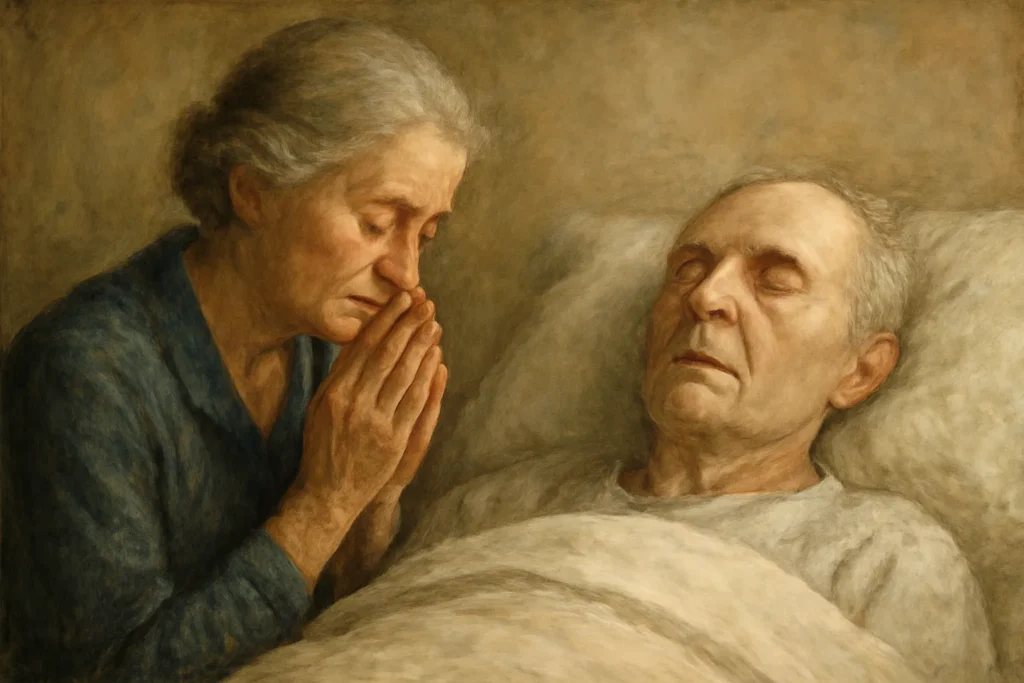
A Prayer for a Dying Loved One is more than words spoken at a difficult moment. It is a practice of presence, care, and the gentle shaping of intention toward comfort, strength, and peace. This article offers a thoughtful guide to understanding what such prayers are for, how they can be offered with sensitivity, and a collection of prayer variations designed to fit different faiths, beliefs, and personal styles. Whether you are asking for a blessing on a hospital bed, at home, or in a quiet room, the language you choose can become a bridge between fear and grace, between pain and release.
Understanding the Moment: What a Dying Loved One Needs in Prayer
In the final chapters of life, a person may confront physical limits, emotional memories, and the sense of leaving loved ones behind. A well-crafted prayer can help in several ways:
Comfort for the body by offering rest, relief from distress, and a soothing atmosphere around the bedside.
Strength for the soul, by affirming dignity, purpose, and the courage to face what comes next.
Peace in the heart and mind, by inviting acceptance, forgiveness, and a sense of belonging beyond illness or fear.
Recognition of the moment’s sacredness, whether expressed through tradition, personal belief, or a simple, honest conversation with the divine or the universe.
Prayer at this moment is not about forcing an outcome but about offering a steadying influence. It can be a source of reassurance for the dying loved one, a way for family and friends to participate in care, and a means to articulate what is often unsaid—gratitude, remorse, mercy, and love.
Core Themes in a Dying Loved One Prayer
Comfort
Comfort is not only about physical relief but a soothing presence for the heart. It might be expressed as a pledge to stay with your loved one in the moment, to speak gently, to respect quiet when that is needed, and to acknowledge the struggle without adding burden. Some effective formulations emphasize:
The softening of pain with grace and mercy.
The feeling of being held by memory, faith, or love.
Assurance that the person is not alone, even as they approach a new chapter.
Strength
Strength often means endurance in the face of fear, tears, and fatigue. A prayer for strength may invite the divine, sacred presence, or inner resolve to help the person summon courage for the next breath. It can include promises to continue offering support and to honor the person’s wishes with unwavering fidelity.
Peace is a calm acceptance of what lies ahead and a release from burdens that have weighed down the heart. A prayer that centers on peace can invite a quiet, untroubled wakefulness or a gentle surrender. It can also include elements of forgiveness—of self, of others, or of unresolved pain—so that the moment of transition occurs with lightness rather than regret.
Variations of a Prayer for a Dying Loved One
Prayers for a dying loved one come in many forms. The following variations are designed to broaden semantic breadth while staying anchored in the core aims of comfort, strength, and peace. You can adapt language to suit religious tradition, spiritual orientation, or a secular mindset.
Traditional Catholic or Christian Variant
This variation uses familiar biblical imagery and liturgical cadence while maintaining tenderness and intimacy. It might be spoken aloud, whispered, or read softly as a bedside blessing.
Example: “Lord, you are the source of all comfort. In this hour of weakness, we ask for your mercy to surround [Name] with your grace and peace. Give them the fullness of your strength—not by denying pain, but by filling it with your presence. May they feel your loving-kindness and know that they are precious in your sight. We entrust them into your hands, trusting that you hold them with gentleness and care. Amen.”
Protestant and Evocative Personal Prayer Variant
This version emphasizes personal relationship and direct address to the divine, with a cadence that can be spoken softly or a whispered breath.
Example: “Dear God, we come before you with heavy hearts and hopeful trust. Be with [Name] in the quiet days and the hard nights; be their strength when they feel weak, their comfort when sorrow rises, and their peace when worry tries to carry them away. May your promises bring light to their eyes and rest to their soul. We are here, and we love you, Lord. Amen.”
Interfaith / Universal Language Variant
For families embracing multiple faiths or seeking a non-denominational tone, this variation uses universal language and comforting imagery without specific doctrinal claims.
Example: “Divine Spirit of love, Source of all comfort, be with [Name] now and always. May your gentleness ease the body, may your strength lift the spirit, and may your peace fill the room like a quiet light. Surround them with compassion and keep them safe in your care. We pause with gratitude for the life they have shared with us, and we trust in the quiet, enduring presence that binds us all.”
Not everyone speaks in religious language. A secular prayer can be a moment of intention, mindfulness, and compassionate presence.
Example: “Let us pause in this moment with kindness. May [Name] feel a gentle relief from pain, may they rest with dignity, and may we meet whatever comes next with courage, empathy, and love. May this time be calm, and may peace rise in this room as we hold them close in our hearts.”
Include the name of the person for whom you are praying to personalize the moment.
Invite the person’s favorite memories, songs, or comforting phrases into the moment, if appropriate.
Adapt sentence length and cadence to the person’s breathing and comfort level.
Incorporate imagery that feels meaningful, such as light, warmth, waves, or a familiar place, to evoke calm and memory.
End with a simple, clear expression of love and presence—your ongoing commitment to accompany them on the journey.
Practical Framework: How to Structure a Dying Loved One Prayer
Evoke a quiet context: Create a calm, private space, minimize noise, and consider lighting or ritual objects that symbolize care.
Address the divine or the universe: Use language that feels natural to your beliefs, whether prayer, blessing, or a hopeful wish.
Attend to the core themes: Center your words on comfort, strength, and peace, and acknowledge the person’s vulnerability and resilience.
Acknowledge relationship: Speak from the heart about love, shared memories, gratitude, and forgiveness as appropriate.
Invite their presence: Invite the loved one to feel held, accepted, and safe as the moment unfolds.
Close with clarity: End with a simple statement of your commitment, a blessing, or a wish for safe passage, and a moment of silence or breath.
Ways to Deliver the Prayer
Aloud: Speaking the prayer clearly can be reassuring to both the dying loved one and those present.
Whispered: A soft, intimate delivery can be comforting for someone who is tired or overwhelmed by loud sounds.
Silent reading or reflection: If the person is unresponsive, a silent, spoken or written version can still create a sense of shared intention.
Written note or card: When speaking aloud is difficult, a heartfelt note can be placed where the loved one can sense it or read it with assistance.
Incorporating music or prayer beads: For some, the rhythm of prayer beads or a familiar hymn can accompany the words and deepen the sense of sacred time.
Sample Prayers Library: Short to Long Variations
Below are several sample prayers designed to be adaptable. You can mix phrases from different examples to create a version that feels most authentic for you and your loved one.
1) A Gentle, Comforting Prayer (Short)
Example: “May you feel the comfort of love surrounding you, may you rest now in the embrace of grace, and may peace rise in your heart as you journey onward. We are here with you, and we love you.”
2) A Prayer for Strength and Dignity
Example: “Grant them strength to face each breath with courage, to endure the night with dignity, and to know that they are held by those who love them beyond measure. Let this moment be a testament to a life well-lived, and may their heart be calm in your care.”
3) A Prayer for Peace in the Moment
Example: “Let there be peace in this room like a quiet light. May the burdens soften, may fear recede, and may their soul rest easy in the knowledge of being cherished and seen.”
Example: “To all who love [Name], we ask for gentle mercy and tenderness: may comfort, strength, and peace be present here. May we speak gently, listen deeply, and hold each other with gratitude for the time we have shared.”
5) A Non-Theistic, Secular Variation (Plainspoken)
Example: “In this moment, we pause to offer care and compassion. May [Name] feel relief from pain, may calm fill the room, and may our love be a steady companion as they move through this transition.”
6) A Written Blessing for a Card or Note
Example: “With love, we surround you with comfort, strength, and peace. You are deeply loved, and we will continue to carry you in our hearts even as you begin this new journey.”
Applying Prayers in Real-Life Moments
On the bed of a dying loved one, timing and sensitivity matter as much as words. Consider these practical tips to apply prayers with care:
Consent and readiness: Some people want quiet; others seek conversation. If possible, ask what the person would prefer in these moments about prayer or spiritual conversation.
Respect pace: Let pauses come naturally. Silence can carry as much meaning as spoken words.
Involve others: Family members or close friends can cycle through prayers, or you can offer a single, shared moment.
Combine with touch: A gentle hand on the arm, a kiss on the forehead, or holding hands can deepen the sense of presence without needing more words.
Honor personal beliefs: If a person holds multiple identities or beliefs, blend elements in a respectful way that honors their core spiritual needs.
Aftercare: Life Beyond the Moment of Transition
After a dying loved one passes, prayers often shift toward healing for the living—family and friends who carry the loss and the memory of the person who has passed. Consider these post-moment practices to support the ongoing process of grieving and memory:
Continued remembrance: Compile a memory book, a collection of letters, or a song playlist that honors the loved one’s life and the moments you shared.
Rituals of closure: Create a small ritual—lighting a candle, planting a tree, visiting a memorial—to acknowledge the transition and express ongoing love.
Support circles: Reach out to friends, family, or faith leaders who can provide ongoing comfort, guidance, and community.
Self-compassion: Grief is a long process. Give yourself permission to grieve, to rest, and to seek solace in your own way.
A Note on Cultural Sensitivity and Personalization
Prayers for a dying loved one are deeply personal, and there is no single right way to do them. Cultural traditions, family dynamics, and personal history all shape what is appropriate and comforting. When personalizing a prayer, consider:
The loved one’s spiritual language: Do they prefer formal liturgy, intimate colloquial phrases, or a straightforward, plainspoken tone?
Family preferences: How can you honor multiple beliefs, if present, without diminishing anyone’s sense of sacred presence?
Memory and tone: Should prayers honor a wish to reminisce, to forgive, or to express gratitude for the life shared?
Conclusion: When Words Matter Most
In the quiet hours around a dying loved one, a carefully chosen prayer can be a powerful act of love. By focusing on comfort, strength, and peace, you offer more than a ritual; you offer a lifelong reminder that the bond between you transcends illness, distance, and even death. The variations presented here are designed to help you find language that resonates with your heart, respects the beliefs of your loved one, and honors the sacredness of the moment. May these prayers be a source of light in the room, a steadying presence for the heart, and a dignified farewell that carries your love forward into the next chapter.











Leave a Reply