Abishag: The Shunammite Woman Who Cared for King David
Abishag: The Shunammite Woman Who Cared for King David
Old Testament Women | Biblical Women of Influence | Ancient Israel
Abishag: The Shunammite Woman Who Cared for King David
📅 10th century BCE (United Monarchy period) · 📜 Her name likely means 'my father is a wandering' or 'desire' in Hebrew, reflecting her origins or significance.
AbishagKing DavidOld TestamentWomen in the BibleBiblical History
So they searched for a beautiful young woman throughout the land of Israel and found Abishag the Shunammite and brought her to the king. The woman was very beautiful, and she cared for the king and served him; but the king had no sexual relations with her. — 1 Kings 1:3-4— 1 Kings 1:3-4
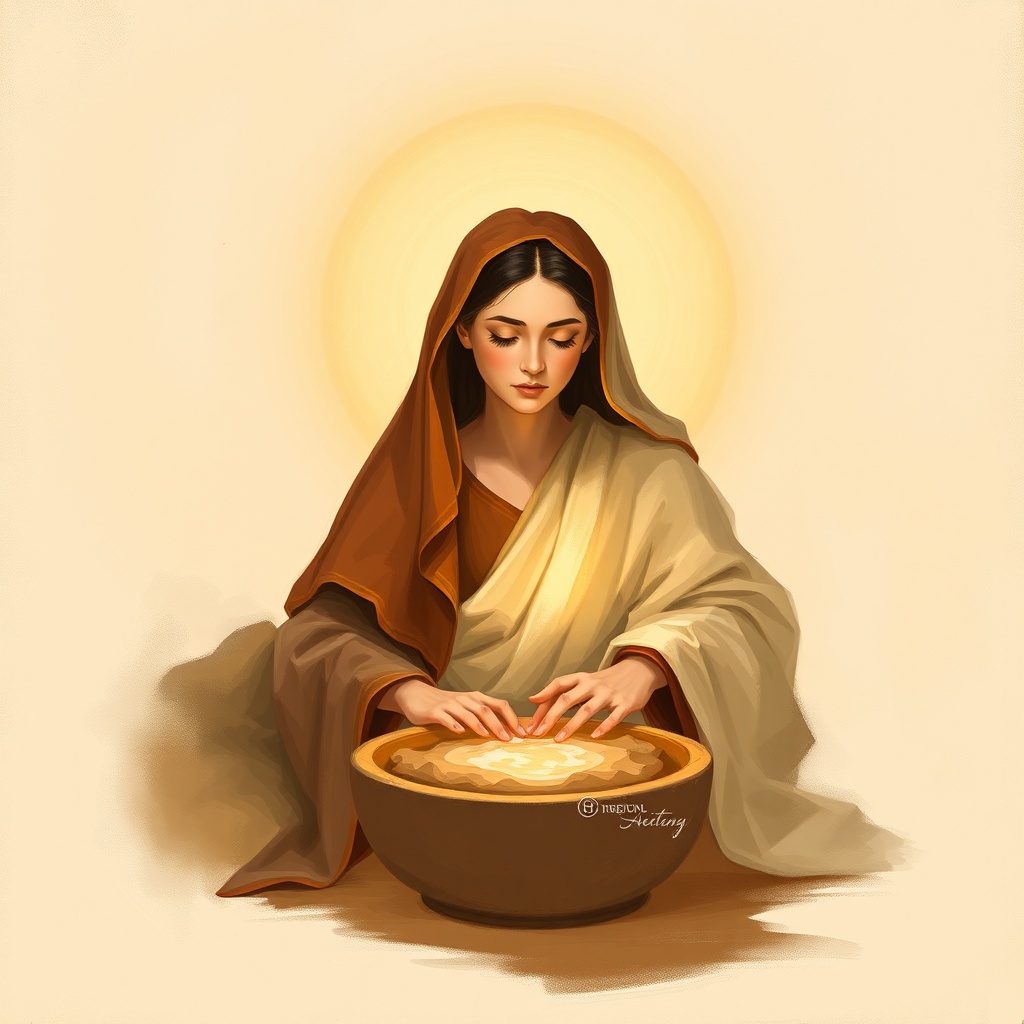
Abishag was a young woman from Shunem who gained prominence during King David's old age. As his health declined, the king's servants sought a gentle, beautiful maiden to serve and care for him, ensuring his comfort. Abishag was chosen for her youth and beauty, and she served David faithfully, providing warmth and companionship in his final days. Her role highlights her as a symbol of compassion and service, although she was also at the center of political intrigue when Adonijah sought to claim the throne. Her story underscores themes of loyalty, humility, and the often overlooked women who play vital roles within biblical history. Abishag's presence underscores her significance as a figure of care and transition in Israel's monarchy, representing the often silent but essential contributions of women in leadership and stability during times of crisis.
🏛️ Cultural & Historical Context
During ancient Israelite times, women’s roles were predominantly centered around family, service, and caregiving. Abishag's position as a servant and concubine reflects societal norms where women of noble or royal households often served in similar capacities. Her young age and beauty were highly valued, emphasizing her function as both comfort and political tool. Women had limited public authority but could influence events indirectly through their relationships and roles within the court. The story of Abishag also highlights the underlying tension between personal loyalty, political ambition, and the societal expectations placed on women, offering insight into gender dynamics of the era.
👨👩👧 Family Connections
Abishag was from Shunem, a village in the land of Issachar. She was independently brought to serve as a concubine for King David during his old age; her familial background is not detailed, and she had no recorded children or close family ties in scripture.
Abishag embodies themes of service, humility, and the quiet influence women can exert in shaping history. Her role signifies God's use of ordinary women in pivotal moments, illustrating that service and loyalty are valued virtues in salvation history. Her presence at David's deathbed also symbolizes the continuity of divine providence amid political turmoil. Additionally, her story foreshadows the importance of faithful service and humility, qualities lauded throughout biblical teachings. While her obedience is contrasted with later political schemes, she reminds believers that humble service holds profound spiritual significance in God's overarching plan.
📖 Lessons for Today
📖 Lesson 1
Serving others with humility and compassion can have lasting spiritual impact. Like Abishag, our quiet acts of kindness can influence significant moments.
Loyalty and faithfulness in difficult times are virtues that honor God. Remaining committed in service reflects Christ-like humility and trust.
📖 Lesson 3
Women’s roles are diverse and vital, often shaping history indirectly through support and faithfulness. Recognizing this can empower women today to contribute meaningfully within their spheres.
Abishag’s role as a royal caregiver can be contrasted with women like Ruth and Esther, who held active leadership roles. Unlike these women, she upheld humility and service without direct influence over political outcomes, highlighting diverse models of female virtue—silent service versus active agency—within biblical narratives.
📜 Scripture References
Reference
1 Kings 1:1-4
1 Kings 1:15-2:25
❓ Frequently Asked Questions
Was Abishag her real name or a title?
Abishag is believed to be her proper name, meaning 'my father is a wandering' or 'desire' in Hebrew. The text treats it as her personal name, not a title.
Did Abishag become queen or have children?
No, the Bible does not state that Abishag became queen or had children. She served David in his last days but was not married to him or involved in royal succession directly.
What significance does Abishag have in biblical history?
Abishag symbolizes humility, service, and quiet loyalty during a pivotal moment in Israel’s monarchy. Her story highlights the importance of faithful service without seeking power.
✨ Did You Know?
Despite her prominent role in King David’s final days, Abishag’s name is only mentioned in a few verses. Scholars suggest her presence and service symbolize the essential, but often unrecognized, contributions of women in biblical narratives, and her name's meaning hints at her noble or wandering origins.









Leave a Reply