Introduction: What is addict prayer and why it matters in the journey toward recovery
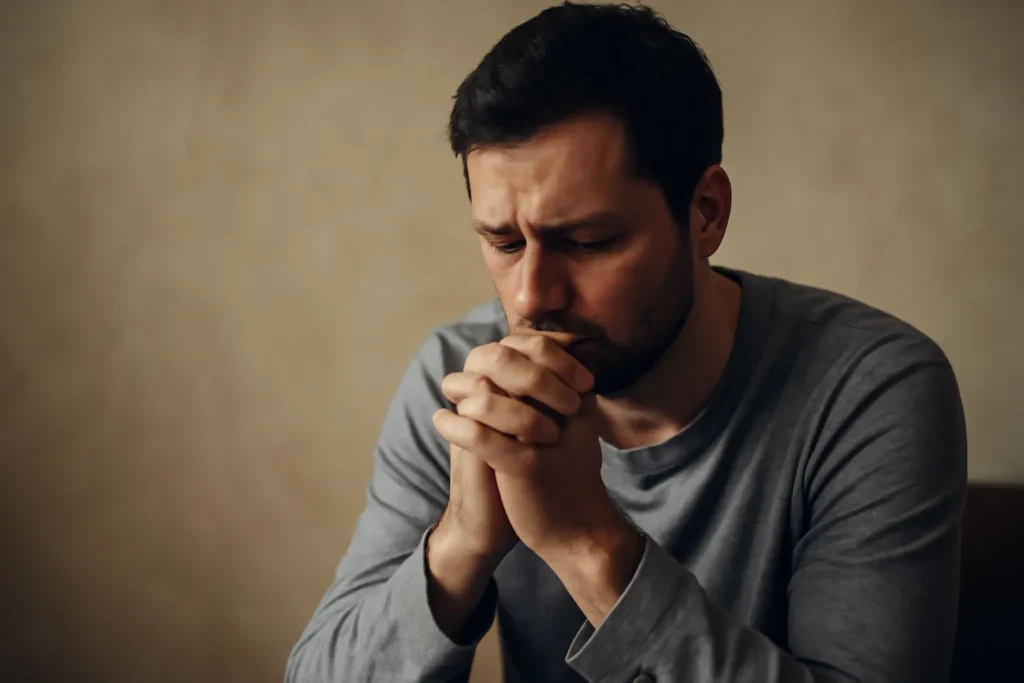
In many communities and traditions, the practice of prayer for addicts—also described as addict prayer, prayer for recovery, or recovery prayers—is a meaningful complement to medical and therapeutic care. The aim is not to replace evidence-based treatment, but to offer a spiritual or contemplative practice that can steady the mind, reduce triublesome cravings, and strengthen resolve to stay on a healthier path. Whether framed within a faith tradition or approached as a secular mindfulness practice, an everyday habit of prayer and reflection can help someone facing addiction to cultivate humility, resilience, and a renewed sense of purpose.
Today’s article explores a broad view of addict prayer as a resource for recovery. We will examine what this form of prayer is, why it can be powerful, and how to implement a personal practice that respects diversity of belief. The goal is practical: to provide tools, examples, and guidance that readers can adapt to their own circumstances—whether you are seeking a traditional religious prayer, a brief secular reflection, or a blend of both.
The role of spirituality and belief in recovery
Addiction often disrupts a person’s sense of purpose and belonging. During recovery, many individuals describe a renewed need for meaning beyond craving relief. Spirituality or a sense of connectedness—whether framed as faith, a higher power, or a personal source of strength—can contribute to:
Enhanced coping skills during difficult moments
A framework for surrendering control over impulses
Motivation to engage consistently with treatment plans
A compassionate stance toward self and others, reducing shame
Belonging to communities that celebrate accountability and support
It is important to emphasize that addiction recovery is multifaceted. Prayer is most helpful when paired with evidence-based care—such as counseling, medication-assisted treatment where appropriate, peer support groups, and ongoing medical monitoring. For many people, prayer practice complements these resources by fostering patience, gratitude, and a sense of hope that persists through setbacks.
Forms and variations of addict prayer: how people frame their request for healing
There are many ways to articulate a wish for healing from addiction. Some seek a direct encounter with a higher power, others prefer a personal pledge to live with integrity, and still others use a secular framework focused on mindfulness, self-compassion, and concrete action. Below are a few common variants you may encounter or wish to adopt.
Religious and faith-based prayers
In many faith traditions, prayers for recovery are offered with reverence, humility, and a sense of surrender. They often ask for strength to endure cravings, wisdom to make wise choices, and courage to seek help when needed.
Within Christian contexts, many people turn to prayer for strength and guidance, inviting a higher power to grant serenity and fortitude. In Muslim traditions, supplications (du’a) are used to seek relief from affliction, patience in hardship, and steadfastness on the path of recovery. Hindu and Jain practices may involve mantras, bhakti devotion, and a sense of unity with the divine that nurtures inner stability. Buddhist approaches might emphasize compassionate awareness, mindfulness of craving, and the gradual releasing of attachment, often framed as compassionate practice rather than supplication alone.
A frequently cited and accessible resource is the Serenity Prayer, widely used in recovery communities. While the exact wording belongs to a long tradition, the core idea—seeking serenity to accept what cannot be changed, courage to change what can be, and wisdom to distinguish between the two—resonates across beliefs and can be incorporated in personal practice.
Not everyone experiences spirituality through a theistic lens. A secular or humanistic form of addict prayer focuses on inner resources, present-moment awareness, and practical commitments. This approach can be especially inclusive for people who identify as agnostic, atheist, or simply non-devotional.
Secular prayers might emphasize values such as compassion, accountability, and self-respect. They can be short and ritualized, creating a predictable space for reflection that reduces stress and improves focus on recovery goals.
Interfaith and inclusive prayers
An inclusive approach honors diverse beliefs within a single practice. A shared framework may invite participants to name their own source of strength—whether it is a traditional deity, the universe, nature, love, community, or inner wisdom. The intention remains the same: to invite support, cultivate balance, and reinforce commitment to a healthier life.
How to use addict prayer in daily life: building a sustainable practice
A successful prayer practice is not a one-time event but a daily habit. The most effective formats are simple, consistent, and adaptable to your circumstances. Here is a practical guide to integrating prayer for addicts into everyday life.
Set a daily time: Choose a specific time each day for a brief period of reflection. It could be first thing in the morning, during a lunch break, or before bed. Consistency helps reinforce your commitment to recovery.
Create a safe space: Dedicate a calm corner or favorite seat where you won’t be interrupted. A comfortable chair, a lit candle, a quiet soundtrack, or a piece of meaningful art can support focus.
Choose a form that fits you: You may rotate among different types of addict prayer—one day a Christian-inspired prayer, another day a secular reflection, and occasionally a short du’a or chant. The key is to keep it authentic to your beliefs and needs.
Pair prayer with action: Use a simple routine that links intention to behavior—write a brief pledge, list a concrete step for the day, or note an accountability partner you will reach out to.
Track your experience: Maintain a small journal about how the prayer practice affects cravings, mood, sleep, and decisions. This helps you recognize patterns and adjust as needed.
Practical steps to build a personal addict prayer practice
If you are new to addiction prayer, starting with small, meaningful rituals can make a big difference. Here are practical steps to design a personal practice that respects your beliefs and supports your recovery.
Clarify your intention: What do you seek through this practice? Clarity might include sobriety, emotional balance, or humility in the face of craving.
Pick a medium: Choose a format—spoken prayer, silent reflection, written affirmation, or a short combination of these—that feels sustainable.
Incorporate breath and posture: Simple breathing techniques (for example, 4-second inhale, 6-second exhale) can help regulate the nervous system just as a few words can steady the mind.
Use prompts: When motivation dips, prompts such as “What can I let go of today?” or “Who can I support in my recovery?” can guide your reflection.
Invite accountability: If helpful, share your practice with a sponsor, therapist, or trusted friend who respects your beliefs and can offer encouragement without judgment.
Sample prayers and prompts across traditions and secular approaches
To illustrate the breadth of addict prayer variations, here are several short examples and prompts you can adapt. Each is designed to respect diverse beliefs and to support practical recovery work.
Christian-inspired brief prayer
A concise, non-denominational Christian-inspired prayer might be: “Grant me strength for today, Lord, and the courage to ask for help when I need it. Help me to choose what is true and healing, and to walk again in the light of love and accountability.”
Islamic-inspired du’a (short supplication)
A simple du’a could be: “O Allah, strengthen me in my struggle, grant me wisdom to distinguish between craving and need, and guide me toward the path of recovery. Ameen.”
A brief reflective practice might be: “May I release attachment to harmful urges, practice right conduct today, and cultivate compassion for myself and others who suffer from addiction.”
Buddhist-inspired mindfulness reflection
A secular or mindfulness-based reflection could be: “May I observe my craving with nonjudgmental awareness, breathe through it, and choose actions that align with my long-term well-being. I will return to this moment and practice kindness toward myself.”
Secular and inclusive prompts
If you prefer a non-religious approach, consider these prompts:
Gratitude: What am I grateful for today, even in the midst of difficulty?
Willingness: What is one action I can take today that supports my recovery?
Accountability: Who can I contact for support when cravings feel strong?
Compassion: How can I treat myself with gentleness when I stumble?
Evidence, caution, and the limits of prayer in recovery
It is important to examine the role of spiritual practices in addiction treatment with clarity. Research indicates that for some people, integrating spirituality or mindfulness can improve stress regulation, reduce relapse risk, and enhance quality of life. However, there is no one-size-fits-all solution, and prayer should not be viewed as a substitute for professional care.
Some individuals may experience guilt or shame if their beliefs collide with their lived reality or if they associate prayer with moral failing. If prayer becomes a source of pressure or stigma, it is wise to adjust the practice or seek guidance from a trusted counselor, sponsor, or religious leader who emphasizes compassion and personal dignity.
When using addict prayer as part of a comprehensive recovery plan, consider pairing it with:
Evidence-based therapies (counseling, CBT, ACT, or contingency management)
Medical treatment when appropriate, including medications for opioid, alcohol, or nicotine dependence
Peer support groups (such as 12-step programs, SMART Recovery, or other community resources)
A disciplined approach to prayer for addiction recovery involves regularity, intention, and flexibility. Consider the following guidelines to interpret addict prayer as a daily discipline rather than a ritualistic obligation.
Consistency over intensity: Short, reliable sessions most days are usually more effective than long, sporadic sittings.
Personal authenticity: Use language and imagery that reflect your own beliefs and values. It matters that the practice feels real to you.
Integration with action: Translate reflection into concrete steps—reaching out to someone, attending a meeting, writing in a journal, or practicing a moment of pause before responding to triggers.
Openness to change: Allow your practice to evolve as your recovery progresses. You may begin with a stark focus on relief and gradually shift toward growth, gratitude, and giving back to others.
Connecting addict prayer with community and support networks
Recovery is often strengthened by a sense of connection. When you combine devotional or contemplative practice with social support, you create a robust framework for resilience.
Peer support: Share your practice with a sponsor, a trusted friend, or a recovery mentor. They can provide feedback, accountability, and encouragement.
Group rituals: Some groups incorporate moments of silent reflection or shared prayer. If this aligns with your beliefs, participating in group rituals can reinforce your commitment.
Mentoring and service: Supporting others who are early in their recovery can deepen your own practice and sense of purpose.
Notes for caregivers and clinicians: supporting someone using addict prayer
Family members, therapists, and medical professionals can help clients cultivate a healthy prayer practice that respects beliefs and boundaries. Helpful steps include:
Respect personal beliefs and avoid pressuring someone to adopt a particular prayer or tradition.
Encourage a practice that emphasizes self-compassion and accountability rather than guilt or shame.
Offer space for reflection, quiet, and nonjudgmental listening.
Support integration with clinical treatment plans and track progress together with consent.
Creating a personal resource kit: combining addict prayer with practical tools
A well-rounded recovery toolkit can include not only contemplative practices but also practical strategies to reduce harm and support long-term sobriety. Here are components you can assemble:
Journaling prompts tied to your daily prayer (e.g., what craving arose today, how you responded, what helped).
Craving management strategies (breathing exercises, brief physical activity, a plan to call a support person).
Mindful check-ins to notice bodily sensations and emotions without judgment.
Relapse prevention plan that includes a clear sequence of steps if cravings intensify.
Recovery affirmations that reinforce courage, humility, and the commitment to stay sober.
Conclusion: embracing a hopeful path with addict prayer
Addict prayer can be a meaningful ally on the road to recovery and overcoming addiction. By embracing a flexible approach that honors personal beliefs and aligns with evidence-based care, individuals can cultivate inner strength, reduce stress, and sustain motivation even in difficult moments. The practice may take many forms—from traditional prayers to secular reflections—and it can be tailored to suit solitary times or shared community settings.
Remember that recovery is a journey with many steps, and it is okay to seek help and adjust your approach as needed. If you or someone you know is struggling with addiction, begin by reaching out to a trusted clinician, a local addiction helpline, or a support group in your area. You deserve care, respect, and the opportunity to live a healthier life, one day at a time.
This article has offered a broad view of addiction prayers, prayers for addicts, and recovery prayers as a resource, not a prescription. Consider trying a short, daily practice for two weeks and observe how it impacts mood, cravings, and sense of purpose. If any part of this guidance resonates with you, adapt it to your own spiritual or secular framework, and let it support a sustainable, compassionate path toward sobriety and healing.











Leave a Reply