Introduction: Prayer for Sick People, and the triad of Comfort, Healing, and Hope
In times of illness, many people turn to prayer as a source of comfort, healing, and hope. Prayer for sick people can take many forms, from quiet thoughts whispered at a bedside to organized intercessions offered by a faith community. This article explores the breadth and depth of prayer for the sick, emphasizing how different traditions, practices, and personal expressions can provide emotional and spiritual support alongside medical care. While prayer cannot replace medical treatment, it can complement treatment by offering presence, courage, and resilience during difficult journeys.
The purpose of this guide is to illuminate the many ways people can engage in prayer for someone who is ill—whether the person is a loved one, a patient, or a caregiver. It also provides practical guidance on crafting personal prayers, understanding diverse traditions, and fostering a culture of compassionate care that honors individual beliefs and needs.
What we mean by prayer for the sick
Prayer for the sick is a form of intentional communication—toward the divine, toward the universe, or toward a personal sense of meaning—that seeks to bring about comfort, healing, and hope for the person who is unwell, for their caregivers, and for those who hold them in their hearts. It can be understood in several ways:
Petition or intercession: asking for relief, protection, or strength on behalf of another person.
Gratitude and reverence: recognizing the fragility of life and expressing appreciation for moments of relief or recovery.
Contemplation or meditative practice: cultivating inner calm, acceptance, and resilience in the face of illness.
Community prayer: joining with others to hold someone in a shared intention, which can foster connection and support.
Across cultures, the language and imagery of prayer may differ, but the core aims—offering consolation, seeking relief, and preserving dignity—frequently align.
Key themes: Comfort, Healing, and Hope in prayer
Although the experience of illness is diverse, three enduring themes recur in most prayers for the sick:
Comfort: soothing fear, easing pain, reducing loneliness, and fostering a sense of safety and care.
Healing: not only physical recovery but also restoration of spirit, energy, and purpose; recognizing that healing can take many forms, including acceptance and resilience.
Hope: sustaining belief in better days, meaningful connection, and the possibility of renewal—even in the face of uncertainty or chronic illness.
Practical prayers often weave these elements together. A well-balanced approach acknowledges the reality of suffering while inviting a larger sense of meaning, support, and spiritual strength.
Types and variations of prayer for the sick
Intercessory prayer
Intercessory prayer places the focus on the person who is ill, asking a higher power or the universe to act on their behalf. It often involves naming the individual and specific needs—physical healing, emotional peace, or guidance for medical decisions.
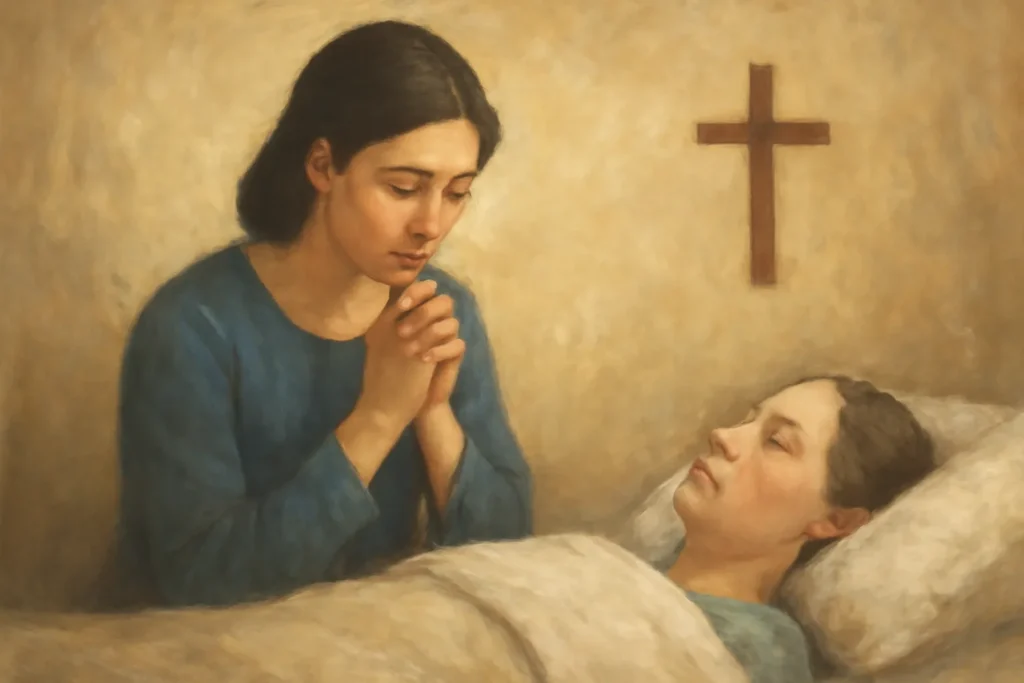
Bedside prayers
Bedside prayers are intimate, sometimes brief, and often spoken aloud or whispered directly to the person who is ill. They can be offered by family members, friends, or clergy and may be part of a ritual or a simple moment of presence.
Some prayers focus primarily on physical healing, while others emphasize comfort—relief from pain, fear, or anxiety. Still others center on hope—the belief that recovery may come, or that the person will find meaning and strength through illness.
Prayers of gratitude and blessing
In addition to asking for healing, many prayers express gratitude for daily blessings, the care provided by clinicians, family support, and moments of grace in hardship. Blessings may be spoken for healthcare workers, caregivers, and the community that surrounds the ill person.
Short prayers and meditations
Short, easily remembered phrases can be powerful, especially in crisis. They can be repeated silently, whispered, or used as mantras to center the mind and heart.
Group and online prayers
Groups—whether a faith community, a circle of friends, or an online prayer group—can offer a sense of shared intention that extends beyond physical proximity. These prayers often use collective language that strengthens communal bonds and social support.
Prayers across traditions: a survey of language and practice
People may draw on different spiritual or secular sources when praying for the sick. Here is a broad overview of common approaches, recognizing that within each tradition there is considerable diversity.
Christian prayers for the sick
Christian prayers often emphasize grace, mercy, healing, and peace. They may include biblical language, personal requests, and expressions of trust in God's plan.
Jewish prayers for healing
In Judaism, healing is a central theme in prayer and study. Prayers may include the Mi sheberakh blessing for the sick, as well as personal supplications and communal prayers (Tehillim, or Psalms) for health and restoration.
Muslim prayers for healing
In Islam, prayers for recovery are common, often invoking Allah’s mercy, wisdom, and protection. Dua (personal supplication) is flexible and can be recited in any language, with or without formal structure.
Hindu prayers for healing
Hindu practice may include mantras, devotional songs, and invocations to deities associated with healing, balance, and well-being. The emphasis is often on restoring harmony within the body and mind.
Buddhist prayers and meditative practices
Buddhism often approaches illness with mindful awareness, compassion, and practices aimed at reducing suffering. Prayers or chants may focus on compassion for all beings and the wish for healing and ease of suffering.
Sikh prayers for the sick
Sikhism emphasizes seva (service), community support, and prayers that seek divine will and strength to endure hardship while remaining hopeful and compassionate.
Not all prayers are tied to a deity or sacred tradition. In secular or humanistic contexts, prayers may take the form of heartfelt wishes, rituals of presence, or written statements that honor the patient’s dignity and resilience.
How to craft a personal prayer for someone who is sick
A personal prayer can be simple or elaborate, formal or informal. Here are practical steps to help you compose a thoughtful expression that resonates with you and the person you are praying for.
Honor the person’s dignity: Start with their name, acknowledge their struggle, and affirm their worth beyond illness.
State your intention clearly: Choose whether you seek healing, comfort, courage, or peace; you can combine aims.
Acknowledge uncertainty: It is honest to recognize the limits of human control while still holding onto hope.
Call on strength and care: Invite inner resilience, the support of caregivers, and the presence of loved ones.
Invite a sense of meaning: Include gratitude for moments of relief or for the care received, and for the possibility of growth through adversity.
Keep the language accessible: Use simple words that convey warmth, trust, and sincerity.
Here is a simple template you can adapt:
Dear [Name], may you feel surrounded by love and steady by grace. I ask for comfort in every moment, healing in body and spirit, and enduring hope for each new day. May the cares of fear ease, may courage rise, and may your heart know you are not alone. With all my heart, I am here with you.
You can tailor the tone to be formal or intimate, and you can add or omit references to specific beliefs as appropriate.
Praying with care: practical guidance for families, friends, and caregivers
When supporting someone who is ill, prayer is best offered with respect for the patient’s beliefs, consent, and emotional state. Here are practical guidelines to ensure that prayer is a source of comfort, not a source of pressure.
Ask before you pray: Some people welcome prayer; others prefer quiet presence or non-religious support. If possible, ask what would be meaningful for them.
Respect the boundaries: Different settings call for different approaches—hospital rooms, homes, or telecare. Respect medical professionals’ protocols and the patient’s energy level.
Be present, not performative: Your presence matters more than grand words. Simple acts of listening and companionship can be deeply healing.
Offer flexibility: Provide options—prayers, meditations, songs, or silent reflection—and let the patient choose what fits best.
Avoid persuasion: Do not coerce someone into prayer or a belief system; honor their autonomy and beliefs.
For caregivers and loved ones, prayer can be part of a broader routine that includes practical support, companionship, and attentive listening. Together, these elements create a holistic atmosphere that nurtures comfort, healing, and hope.
Essential phrases and language: a glossary for prayerful writing
If you want to write or speak prayers consistently, building a small vocabulary can help. Here are common phrases and concepts you might adapt.
Grace and mercy
Protection and care
Rest, ease, and peace
Requests for strength, courage, and perseverance
Expressions of gratitude for support and relief
Keep phrases concrete and sincere. For example:
May your days be filled with comfort and peace, may you find strength when you need it most, and may the light of care surround you.
Sample prayers and reflections: a gallery of short prayers
The following examples illustrate a variety of tones and traditions. You can use them as-is or adapt language to suit the individual and the setting.
Short bedside prayer: "May you feel the gentle care of those who love you. May there be comfort for today, hope for tomorrow, and strength for the journey ahead."
Intercessory prayer (for a family member): "We lift up [Name] to your mercy and grace. Please grant them healing, relief from pain, and the support of family and medical staff. Surround them with peace and renew their hope day by day."
Prayer for caregivers: "Grant patience to those who care, compassion to those who serve, and rest to those who need it. May every act of care be a sign of love and hope."
Gratitude and blessing: "Thank you for the gift of life and the moments of healing you provide. May comfort deepen, may healing come, and may hope stay with us always."
Nonsectarian affirmation: "May this time be a source of grounding, gratitude, and gradual improvement. May all who walk with [Name] be blessed with patience, tenderness, and courage."
If you or the person you are praying for belong to a specific faith community, consider including relevant scriptures, hymns, or blessings that are meaningful to them—provided they are welcome and appropriate.
The role of spiritual care in healthcare
Spiritual care is an important aspect of holistic health for many patients. It recognizes that illness affects not only the body but also beliefs, values, and meaning. For some, prayer is a path to coping, for others a source of comfort, and for still others a doorway to renewed hope.
Healthcare settings increasingly acknowledge the value of spiritual care by offering chaplaincy services, quiet rooms for reflection, and opportunities for patients to express spiritual needs. In this context, prayer for the sick is invited as a personal practice or as a shared expression of support, always with respect for patient autonomy and consent.
Ethical considerations: honoring beliefs and boundaries
When engaging in prayer for someone who is ill, it is essential to honor ethical boundaries and respect diverse beliefs.
Consent and preference matter more than tradition. If the patient or family declines, honor that choice.
Inclusivity: Use language that is inclusive of various beliefs and spiritual orientations, or offer a non-religious alternative.
Privacy: Be mindful of who is present and what is shared, especially in hospital or clinical settings.
Dignity: Focus on preserving the person’s dignity and autonomy in every act of care.
Practical tips for creating a supportive environment around illness
Beyond prayers themselves, creating a caring environment can enhance the sense of comfort, healing, and hope for the patient.
Presence over performance: simple, steady presence speaks volumes.
Listening as medicine: listen to fears, questions, and wishes without rushing to fix everything.
Rituals with consent: ritual acts—lighting a candle, offering a blessing, or reciting a psalm—can provide structure and solace if they align with the patient’s beliefs.
Physical comfort: soft lighting, clean surroundings, warmth, hydration, and gentle touch (when welcomed) contribute to overall well-being.
Consistency: regular, predictable gestures of care reduce anxiety and foster trust.
Remember that the best support evolves with the patient’s condition. What is meaningful during one phase of illness may change in another.
Conclusion: embracing a holistic approach to illness through prayer
Prayer for sick people—in its many forms—offers a path toward comfort, healing, and hope by acknowledging suffering, naming care, and inviting spiritual or inner resources to accompany the patient. It is a practice that can be deeply personal or shared within a community, formal or informal in tone, and adaptable to different beliefs and values.
When integrated thoughtfully with medical care and compassionate support, prayer becomes part of a broader commitment to dignity, meaning, and resilience. Ultimately, the aim is not to erase illness but to cultivate a space where the ill person feels loved, supported, and empowered to endure with grace. By embracing variations of prayer, honoring diverse traditions, and prioritizing consent and presence, families and communities can offer a gift that is as meaningful as it is humane.








Leave a Reply