Introduction: Advent Wreath with Votive Candles and Cozy Christmas Decor
An Advent wreath with votive candles is a timeless symbol of anticipation, warmth, and communal celebration during the winter season. Built to mark the weeks leading up to Christmas, this decorative circle of greenery becomes a focal point in living rooms, entryways, and dining spaces. When designed thoughtfully, the wreath not only adds fragrance and texture to a room but also invites quiet rituals—lighting a candle each week, sharing memories, or simply enjoying the soft glow as daylight fades.
In this guide, you’ll find a comprehensive, step-by-step approach to crafting a personalized Advent wreath with votive candles. We’ll cover everything from materials and safety to decorating ideas, maintenance, and variations that suit different aesthetics and homes. Whether you prefer a classic, formal look with traditional purple and pink hues or a modern, minimalist palette inspired by natural textures, this article will help you create a wreath that feels cozy and meaningful.
What is an Advent Wreath with Votive Candles?
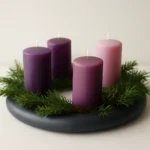
A traditional Advent wreath is a circular arrangement of evergreens, often incorporating four liturgical candles. In some cultures, three candles are purple and one is pink, lit sequentially on each Sunday of Advent, while in others a white or gold candle represents Christmas Eve or Day. In a more flexible interpretation—especially for contemporary homes—the wreath uses votive candles set in small glass holders scattered around the ring. This configuration preserves the ceremonial feel of Advent while offering the safety and ease of using glass votives.
The votive candle wreath can be placed on a coffee table, hung on a wall or door, or anchored on the mantel. The combination of fragrant greens, warm candlelight, and seasonal accents creates a sense of coziness that many people associate with winter holidays. The term advent wreath with votive candles conveys both tradition and practicality, making it a versatile project for households of all sizes.
History and Meaning of Advent Wreaths
The Advent wreath originated in 16th-century Europe as a devotional practice that encouraged contemplation during the weeks before Christmas. Families would gather to light candles and share prayers, scripture verses, or simple conversations about hope, peace, joy, and love—the themes traditionally associated with the Advent season.
Over time, the wreath evolved into a decorative object that could be adapted to various settings and home environments. The practice of adding four candles aligns with the four weeks of Advent, with each lighting serving as a visual and sensory cue for progress toward Christmas. The use of votive candles broadens this tradition by allowing more flexible placement around the ring, enabling creative interpretation while preserving the ritual of lighting candles at meaningful moments.
In modern homes, you’ll often see a blend of old and new: a classic evergreen base paired with contemporary containers, natural ornaments, and even battery-operated candles for safety. Regardless of the exact style, the core idea remains the same: a circle of light that invites reflection, togetherness, and seasonal spirit.
Materials and Tools You’ll Need
Before you begin, assemble a practical kit. Having the right materials will make the process smoother and more enjoyable.
Wreath base: options include a metal ring, grapevine ring, wooden hoop, or a sturdy foam or wire form (preferably recycled or eco-friendly alternatives).
Evergreen greens: fresh pine, fir, cedar, or a mix. You can also dry or preserved greens for a longer-lasting result.
Votive candle holders or small glass votive cups to hold the candles securely.
Votive candles: choose scented or unscented based on preference; consider LED or battery-operated votives if safety or allergy considerations apply.
Floral wire or thin copper/brass wire for attaching greens and securing candle holders.
Floral tape and non-slip adhesive pads or florist glue (low-temperature) if necessary.
Pruning shears or scissors for trimming greens and stems.
Ribbons, berries, cones, dried citrus slices, cinnamon sticks, and other decorative accents to personalize the wreath.
Tray or base plate to catch wax and protect furniture (optional but recommended).
Safety gear: heatproof mat, gloves, and a small spray bottle with water for quick extinguishing if needed.
When selecting materials, think about the environmental impact and your household’s routine. If you’re crafting with children or pets, or if you have a history of open flames in the home, you’ll likely prefer battery-powered votives or LED candles positioned in sturdy holders. If you choose real candles, ensure you have a plan for safe placement and monitoring.
Safety First: Candles, Wreaths, and Fire Prevention
Safety should guide every step of creating and displaying a wreath with candles. A small candle flame can ignite dry greens, ribbons, or other decorations. Here are practical safety guidelines to keep your Advent wreath beautiful and worry-free.
Place the wreath on a stable, non-flammable surface that won’t be easily disturbed by pets or children.
Use candle holders or cups to prevent wax from leaking onto greens and to create a stable base for each votive.
Maintain distance between candles and any decorative accents. Keep at least a few inches of clearance around each flame.
Never leave lit candles unattended, and extinguish them before leaving the room or going to sleep.
Trim wicks to about 1/4 inch before lighting to reduce flare-ups and soot.
Keep a means of extinguishing nearby such as a small metal snuffer, a damp cloth, or a fire-safe extinguisher within reach.
Consider alternatives such as LED votives or timers for week-by-week lighting if you’re uncertain about consistent flame management.
If you decide to use real votive candles, check the ring’s design to ensure the flame is nowhere near fresh greens that might wick moisture and promote combustion. A well-ventilated room with a steady airflow helps avoid wax drips and overheating of the surrounding materials. For homes with children or pets, battery-powered options provide peace of mind while still delivering the warm ambiance you want.
Step-by-Step Guide: Crafting Your Advent Wreath with Votive Candles
Follow this practical, beginner-friendly sequence to build a beautiful wreath. The steps are designed to be adaptable, so you can tailor each stage to your space, materials, and personal taste.
Decide on the wreath shape and size. Most people start with a circular ring about 12 to 16 inches in diameter for a standard table or mantel display. If you prefer a modern look or a larger focal piece, you can use a bigger base or an oval shape.
Choose your base material. A sturdy metal ring ensures durability, while a natural grapevine ring brings rustic texture. If you opt for a foam base, consider a reusable approach by covering it with greens to disguise the material and reduce waste.
Prepare the greens. Rinse greens lightly and pat them dry. Trim stems at an angle to maximize water absorption. If you’re using fresh greens, plan to decorate within a few days to maintain fragrance and vitality.
Attach the greens to the ring. Begin at the top, making a small fiddle to secure greens with floral wire or twine. Work in a consistent pattern (clockwise or counterclockwise) to achieve even coverage. Layer greens to create depth; alternate textures like flat fir with curly pine needles for visual interest.
Position the votive candle holders. Place four holders evenly around the ring, allowing some spacing between each to prevent wax from pooling and to ensure safe flame distances. If you’re using glass votive cups, ensure they fit snugly and won’t slide.
Secure the candle holders. Use floral wire or non-slip adhesive pads to anchor the holders to the base. Avoid piercing too deeply into the ring to keep the structure intact. The goal is stability, not destruction of the base.
Add a protective tray or plate. A shallow tray or a heatproof mat beneath the wreath can catch wax drips and protect your furniture. This step is especially helpful if you’re using real candles.
Fill with decorative accents. Tuck pinecones, dried citrus slices, cinnamon sticks, berries, burlap ribbons, or small ornaments between the greens. This adds color and texture while drawing the eye toward the candle points.
Test the balance and alignment. Step back and check symmetry. Adjust greens or accents as needed so all four candles are equally prominent.
Choose your lighting plan. Decide whether you’ll observe the traditional Advent sequence (lighting one candle each Sunday) or opt for a weekly pattern that best fits your schedule. If you’re using LED candles, program timers to mimic a cadence consistent with your family rituals.
Safety check. Do a final inspection to confirm that nothing flammable is within a candle’s reach, and ensure candles stand upright with secure bases.
Display and enjoy. Place the wreath where it can be admired daily. If you’ve used real greens, plan to refresh the greens periodically or replace the wreath after the season for the best appearance and fragrance.
Pro tip: If you’re new to wreath-making, consider starting with a pre-assembled base and a simple four-candle layout. As you gain confidence, you can experiment with circular, oval, or even rectangular shapes, and you can introduce seasonal colors like deep purples, pinks, or gold accents to reflect your preferred aesthetic.
Advent Wreath Variations with Votive Candles
The classic Advent wreath design can be adapted in countless ways. Here are several variations to inspire your project, each compatible with votive candles and designed to evoke a different mood or decor style.
Traditional Purple and Pink Scheme
In many European traditions, Advent is marked with four candles: three purple and one pink. A purple-dominated palette communicates solemn anticipation, while the pink accent adds a touch of celebration. To adapt this with votives, place four glass cups at equal intervals and choose colored wax or tinted outer wraps for the holders. Complement with evergreen textures and a simple ribbon in purple or pink satin.
A minimalist Advent wreath uses a clean, neutral palette—think eucalyptus greens, white pine, and a few matte black or natural-toned accents. Use white or cream votive candles in clear glass to maintain a light, airy feel. Limit decorative elements to a single natural texture, like a single pinecone or a dried citrus wheel, to preserve the calm aesthetic.
Natural and Rustic Style
For a rustic, countryside feel, opt for a grapevine ring base wrapped with mixed greens, burlap or twine, and earthy accents like pistachio pinecones, dried orange slices, and cinnamon sticks. Use unscented votive candles for a subtle fragrance or natural resin-based scents for a warm, outdoorsy mood.
Living or Preserved Greens
If you’d like a wreath that lasts beyond a single season, consider living wreaths or preserved greenery. You can mount preserved greens on a wire frame and pair them with battery-powered votives to avoid the need for ongoing watering. This approach provides long-lasting beauty and reduces waste.
Table Centerpiece Variations
Transform the wreath into a centerpiece by placing it on a shallow tray with a built-in elevation or using a pedestal base. In such setups, you can add a mirror insert at the center to reflect candlelight, or place a figurine, a stack of small presents, or a seasonal centerpiece art piece in the middle to create a focal point for holiday gatherings.
Decoration Ideas and Styling Tips
Personalize your Advent wreath with elements that reflect your home’s character. The following ideas help you craft a distinctive piece that feels meaningful rather than fleeting seasonal decor.
Color themes: emphasize traditional colors (purple, pink, gold) or opt for a modern palette (sage greens, cream, metallic accents). The color choice affects the vibe from formal to festive.
Texture combinations: pair soft textures (feathery greens, velvet ribbons) with rough textures (twigs, burlap, pinecones) for contrast.
Fragrance: fresh greens offer a natural scent. If you want a more pronounced aroma, add a few citrus peels or cinnamon sticks secured in place, ensuring they don’t touch candle flames.
Placement considerations: keep the wreath away from direct heat sources, drafts, or places where it might be jostled by traffic. A quiet corner or dining room sideboard is ideal.
Personal touches: incorporate family heirloom ornaments, hand-written notes, or seasonal motifs that hold significance for your household.
If you’re displaying the wreath near a window or in a room with open flames from other sources, consider battery-powered votives to maintain ambience with zero risk. This alternative allows you to schedule lighting or create a consistent glow even when you’re away from home.
Maintenance, Storage, and Longevity
A well-made Advent wreath can be enjoyed for years if you follow simple maintenance steps. Here are practical tips to help you preserve color, fragrance, and structural integrity.
Hydration and greens: if you’ve used fresh greens, mist lightly every few days to prevent them from drying out and becoming brittle. Avoid direct sunlight, which can fade color and speed up drying.
Preservation options: when you’re ready to take the wreath down, you can replace the greens with dried materials for a similar look, or allow the greens to dry on the ring for a rustic, long-lasting piece.
Cleaning: remove dust gently with a soft brush or cloth. Do not scrub near the candles or holders to avoid dislodging components.
Storage: store in a cool, dry place in a box that fits the wreath’s shape. Use tissue paper to cushion delicate ornaments and avoid crushing the greens.
Longevity tricks: for living wreaths, you may need periodic watering to maintain vitality. If the greenery begins to shed or discolor, consider refreshing the greens for a revitalized look.
Alternative Approaches: Using LED Votive Candles and Reusable Systems
Safety and convenience are driving factors for many households. A growing trend is to use LED votive candles or reusable candle systems that mimic real flame with a realistic flicker. These options offer several advantages:
Safety: no open flame reduces risk for homes with pets, children, or crowded spaces.
Longevity: LED votives last longer than traditional wax candles and can be reused for many seasons.
Programmability: many LED options include timers, brightness controls, and remote operation, enabling a precise lighting schedule.
Maintenance: LED candles don’t drip wax or require wick trimming, making maintenance straightforward.
When you choose LED votives, pair them with a natural or faux greenery arrangement. You can still use the same ring style, but the absence of flame allows you to place the wreath in a variety of positions (near a window, on the dining table, or hung on a wall) without concerns about heat or accidental contact.
Common Pitfalls and How to Avoid Them
Even with good planning, wreath-making can encounter a few challenges. Here are common issues and practical solutions:
A wreath that looks sparse: add more greens or organic accents toward the bottom half to create a weighted, balanced appearance.
Wax drips or overheating: place votives in glass holders and ensure space between flames and greens. Consider LED votives if you’re worried about drift.
Candle holders shifting: secure holders with thin floral wire or adhesive pads to keep them in place during display or movement.
Declining greens: refresh greens mid-season or switch to preserved greens for lasting color and scent.
Frequently Asked Questions
How many candles should a traditional Advent wreath have when using votives?
Four candles is a common configuration for Advent wreaths. With votives, you can place four equally spaced holders and decorate between them. Some people use one central, seasonal candle in addition to the four, depending on the design and cultural tradition.
Is it better to use real candles or LED votives?
Real candles offer authentic flame and fragrance but require more careful safety measures. LED votives are a safer, maintenance-free option, especially in homes with children or busy schedules.
What size wreath is best for a table centerpiece?
A wreath in the 12–16 inch diameter range works well for most tables, leaving room for place settings and centerpieces. For mantels or larger surfaces, you might choose a bigger ring or a mounted arrangement.
How can I keep a living wreath fresh longer?
Keep greens hydrated, place in a cool area away from direct heat, and consider misting or using a humidity tray beneath the wreath. You can also refresh greens mid-season if needed.
Conclusion: Embracing the Warmth of an Advent Wreath with Votive Candles
Crafting an Advent wreath with votive candles is more than a weekend project—it’s an opportunity to create a personal tradition that invites reflection, connection, and cozy ambiance during the holiday season. By choosing the right materials, prioritizing safety, and exploring variations that suit your style, you transform a simple ring of greens into a meaningful centerpiece for your home.
Whether you opt for a traditional color scheme, a minimalist natural look, or a rustic living wreath, the essential elements remain the same: a circular form that symbolizes continuity, greens that bring life and fragrance, and candles that glow with intention. Allow the process to be enjoyable and unhurried. Gather family or friends, slow down the pace of December, and let the warm light of your Advent wreath guide each week toward Christmas with comfort, beauty, and a sense of shared celebration.











Leave a Reply