Amazing Grace Story John Newton: Origins and Legacy
Amazing Grace Story John Newton: Origins and Legacy
The story behind the Amazing Grace hymn is inseparable from the life of John Newton, a figure whose journey from peril to repentance and from complicity to conviction helped shape a landmark piece of Christian hymnody. This article traces the amazing grace story john newton from its earliest origins, through the creation of the hymn, and into its enduring legacy in religion, abolition, and culture. By examining the origins and legacy of the tale, readers gain a fuller understanding of how a single melody and a set of compelling lyrics became a universal symbol of transformation.
Origins of the Amazing Grace Story: John Newton’s Early Life
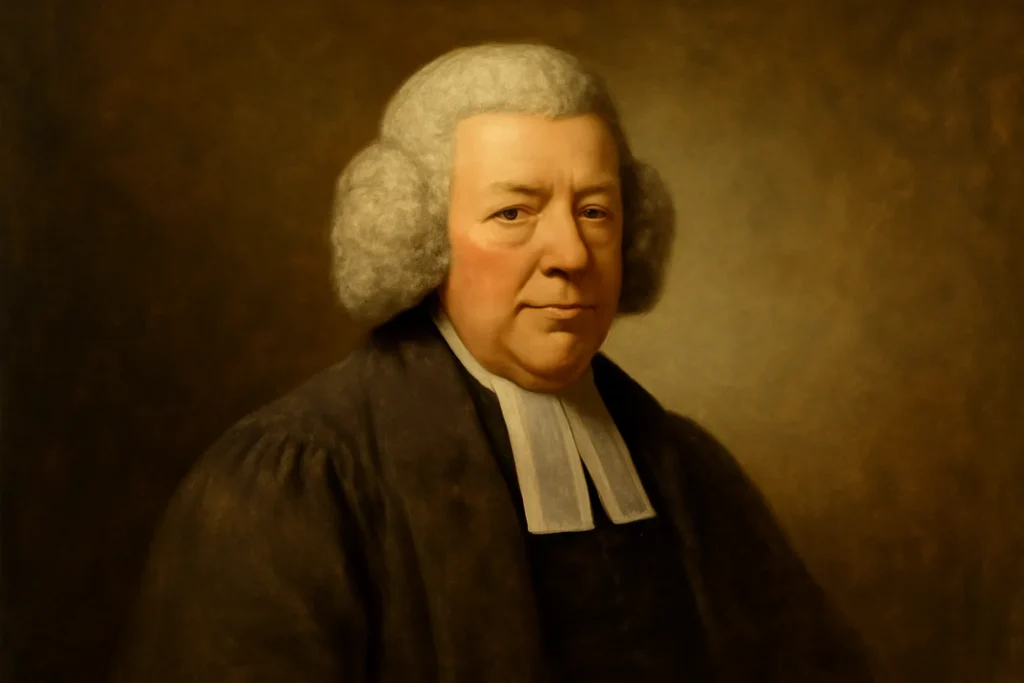
To appreciate the amazing grace story john newton, it helps to start at the beginning. John Newton was born in 1725 in London, England, into a family with maritime connections. His early years were marked by exposure to seafaring life and religious provision, a mix that would later become central to his eventual reputation as both a preacher and an abolitionist. Newton’s early path was not a linear ascent toward virtue; rather, it was shaped by a sequence of experiences—hardship, moral testing, and a dramatic conversion—that would inform the core themes of the hymn he would later help popularize.
From Sailor to Slave Trader
As a young man, Newton joined the Royal Navy and later became involved in the Atlantic slave trade, a profession that would cast a long shadow over his life—and would, paradoxically, intensify the sense of grace he would later articulate in song. The amazing grace journey—in many tellings—focuses not only on his conversion but also on a long period of spiritual wrestling with the moral demands of a career built on exploitation. Even as he navigated brutal seas and perilous voyages, he was confronted by questions about mercy, justice, and the meaning of a merciful God.
The Storm and the Conversion Experience
The most frequently cited turning point in the amazing grace story is Newton’s reported conversion at sea during a violent storm in 1748. According to his own accounts and later recollections, Newton cried out for mercy amid life-threatening peril. This moment did not instantly erase his previous sins or erase the possibility of relapse; rather, it marked a profound shift in his understanding of grace, repentance, and salvation. The storm, whether literal or interpreted through the lens of faith, is often presented as the catalyst that opened the door to a new spiritual life. The line between the old life and the new life became a defining motif: a sinner saved by grace, the healing power of mercy, and the possibility of transformation for a man who had once trafficked in human beings.
The Creation and Publication of the Hymn: Amazing Grace
While Newton’s conversion story is central to the lore of Amazing Grace, the hymn itself emerged later as he moved from personal conversion to public ministry. The hymn is traditionally tied to the period after his conversion when he began to write and, more importantly, when his spiritual perspective found expression in song. The collaboration that produced the hymn reflects a broader 18th-century Christian culture in which personal experience, doctrinal reflection, and lyrical expression converged in a form accessible to lay worshipers.
The Olney Hymns and the 18th-Century Context
Newton contributed to a collection known as the Olney Hymns, published in 1779 in collaboration with the poet William Cowper. This volume brought together devotional poetry and hymns intended for congregational singing. In this context, John Newton and his collaborator crafted pieces that spoke to common religious experiences—sin, grace, redemption, and gratitude. The hymn that would become known as Amazing Grace was included in this collection under a title that reflected its themes, and over time the public would come to know the piece by its famous refrain and opening lines.
Lyrics, Themes, and the Emergence of the Title
The original verses of Newton’s hymn address the paradox of grace extended to a sinner and the transformative effect it has on the heart. The language embraces elements of personal testimony—mercy heard, a rescue from sin, and a shift from despair to hope. The advent of the title Amazing Grace in popular usage occurred after the initial publication; later hymnals commonly referred to the song by its now-iconic name. The lyric arc—soaring from condemnation to consolation—has made the piece a staple in Christian worship and a symbol of renewal in secular contexts as well.
The Theology of Amazing Grace: Grace, Sin, and Redemption
Beyond its catchy melody, the amazing grace story john newton embodies a theology of grace that has resonated across denominations and centuries. The hymn articulates a trajectory from law and sin to mercy and redemption. The theological implications are as important as the musical ones, because the song has functioned as a catechetical tool and a source of consolation for countless believers facing trials, grief, or moral struggle.
Core Concepts in the Lyrics
Grace as a gift rather than earned merit: the central claim that mercy is given rather than earned, and that salvation is a free, undeserved gift.
Redemption through a personal experience: the believer’s memory of past sin contrasted with present assurance of divine pardon.
Transformation of the senses: a shift from spiritual blindness to sight, from despair to hope, often summarized in the line "I once was blind, but now I see."
Providence and steadfast hope: the sense that God’s care sustains the believer through adversity.
Legacy and Influence: Abolition, Education, and Modern Culture
The legacy of the Amazing Grace narrative extends far beyond evangelical circles. It intersects with social reform, education, and the arts, and it has become a global cultural touchstone. The amazing grace story is not only about a personal conversion; it is about a public witness to moral reform, a hymn that has accompanied social change movements, and a piece of music that has traveled across generations and geographies.
Newton’s own life trajectory—leaving the slave trade and adopting a powerful stance against it—paved the way for his association, at least in spirit, with the abolitionist movement. Although the direct role of Newton in pushing abolition legislation varied across sources, his influence as a spiritual and moral voice helped shape the tone and conscience of reformers such as William Wilberforce and other members of the late 18th-century abolition circle. The amazing grace story john newton thus becomes a bridge between a personal experience of grace and a social call to reform.
Music and the Hymn’s Global Journey
Musically, Amazing Grace demonstrates the power of a hymn to cross cultural and linguistic boundaries. Although the original tune associated with the Olney Hymns is not the same as the most familiar modern melodies, the hymn has been set to countless tunes over the centuries, with the secular and sacred alike adopting its phrases as a universal language of hope. The song’s adaptability—being sung in cathedrals, chapels, classrooms, stadiums, and even concert halls—speaks to its durable appeal and the breadth of its impact.
Education, Memory, and Cultural Literacy
The amazing grace story also informs how people learn about history and faith. In many educational settings, the hymn is used as a case study in moral philosophy, rhetoric, and the social history of religion. It serves as a focal point for discussions about conversion narratives, the ethics of past actions, and the complexities of reform. The hymn’s legacy thereby becomes a classroom for examining how personal transformation can translate into public action and cultural memory.
Contemporary Significance and Misconceptions
Today, the amazing grace story remains a living, evolving narrative. Yet with longevity comes myth and simplification. A closer look reveals a layered history that invites careful interpretation, especially around the life of John Newton and the hymn’s publication. Understanding what is historically certain and what is interpretive helps readers appreciate the harmony between the life story and the song’s message.
Common Myths and Clarifications
Myth: Newton wrote the hymn on the exact night of his conversion. Clarification: The hymn emerged from Newton’s broader spiritual journey and later revival of his devotional poetry, not from a single, instantaneous event.
Myth: Amazing Grace was immediately popular in his own lifetime. Clarification: The hymn gained prominence over time, especially within the evangelical revival and subsequent hymnals, rather than as an instant hit.
Myth: Newton remained a slave trader for his entire life. Clarification: Newton shifted away from the slave trade and later became a priest and advocate for abolition, though the complete arc of his life was more nuanced than a single reputation.
Myth: The hymn is exclusively Christian in its appeal. Clarification: While rooted in Christian theology, the song’s themes of mercy, grace, and personal redemption have found broad resonance in secular contexts, popular culture, and interfaith dialogues.
Key Milestones in the Amazing Grace Narrative
1725 – Birth of John Newton in London, with early exposure to sea life.
1748 – Newton’s famous storm conversion experience at sea, a turning point in his spiritual life.
1779 – Publication of the Olney Hymns in which the hymn associated with grace appears under Newton’s authorship and Cowper’s poetry.
1780s – Newton serves as rector of St. Mary Woolnoth in London and begins to articulate reformist and evangelical convictions.
19th–21st centuries – Amazing Grace becomes a global standard, sung in diverse settings, translated into many languages, and used in humanitarian and charitable contexts.
Variations of the Theme: The Verse, the Refrain, and the Modern Adaptations
The amazing grace story john newton has inspired a variety of musical and literary adaptations. The hymn’s core message—grace as transformative mercy—has allowed composers, poets, and performers to reimagine the piece across genres while preserving its essential emotional arc. Some notable avenues of variation include:
Different tunes and melodies used to accompany the same lyrics, creating a range of emotional textures from contemplative to triumphant.
Translations and cultural adaptations that preserve the message of grace while reflecting local languages, rhythms, and idioms.
Secular and cross-cultural uses in contexts such as memorial services, motivational settings, and community gatherings, where the language of mercy and renewal resonates beyond strictly religious settings.
The Amazing Grace Story in Contemporary Life: Memorials and Popular Culture
In contemporary life, the amazing grace journey continues to shape public memory and cultural expression. The hymn is frequently used in ceremonies of mourning, celebration, and reform, and it has appeared in films, television programs, and stage productions that seek to capture themes of redemption and second chances. The enduring appeal lies not only in the historical figure of John Newton but in the universal appeal of a message that even the most imperfect among us can experience profound change through grace.
Across nations, museums, churches, and universities include the story of Newton and the hymn in exhibits and curricula about abolition, religious history, and the history of music. The narrative is taught as a case study in moral development, the role of faith in social reform, and the power of songs to carry moral messages across generations. The amazing grace story thus serves as a bridge between historical events and contemporary ethical reflection.
Every enduring story of transformation faces the tension between myth and fact. The Amazing Grace narrative is no exception. While certain dramatic moments—like the sea-storm conversion—have entered popular legend, the broader arc involves years of personal struggle, spiritual discipline, and deliberate reform. The truth of the arithmetic—sin, grace, repentance, and renewal—remains compelling, whether one approaches it as a religious conviction or as a powerful literary and cultural motif.
Conclusion: Enduring Legacy of the Amazing Grace Story and John Newton
From its origins in the life of John Newton to its vast legacy in hymnody, abolition, and global culture, the story behind Amazing Grace offers a record of resilience, mercy, and transformation. The Amazing Grace story John Newton is not a single moment but a continuum: a storm, a spiritual awakening, a reformist life, and a song that would travel far beyond its English shores. It invites readers to reflect on how grace operates in personal life and in public history, how a personal conversion can become a public witness, and how a humble hymn can become a universal anthem of renewal.
In sum, the amazing grace journey—from a troubled sailor to a pastor and abolitionist, from private conviction to public song—offers a powerful case study in how religion, ethics, and art intersect to shape human destiny. Whether you approach it as a biography of the man, a theological meditation on grace, or a cultural artifact that has nourished countless revivals and movements, the story behind Amazing Grace remains one of the most enduring expressions of hope in the modern world.
Key Takeaways
The Amazing Grace hymn encapsulates a theology of grace that emphasizes mercy given to the undeserving and transformation through faith.
John Newton, once involved in the slave trade, underwent a conversion that reframed his life and inspired abolitionist sympathies later in life.
The hymn emerged from the broader context of the Olney Hymns project and gained popularity over time, becoming a global emblem of renewal.
Its legacy extends beyond religious worship to social reform, education, and broad cultural expression through multiple musical settings and translations.








Leave a Reply