Anchor Bible Verses: Top Bible Passages About Anchors, Hope, and Faith
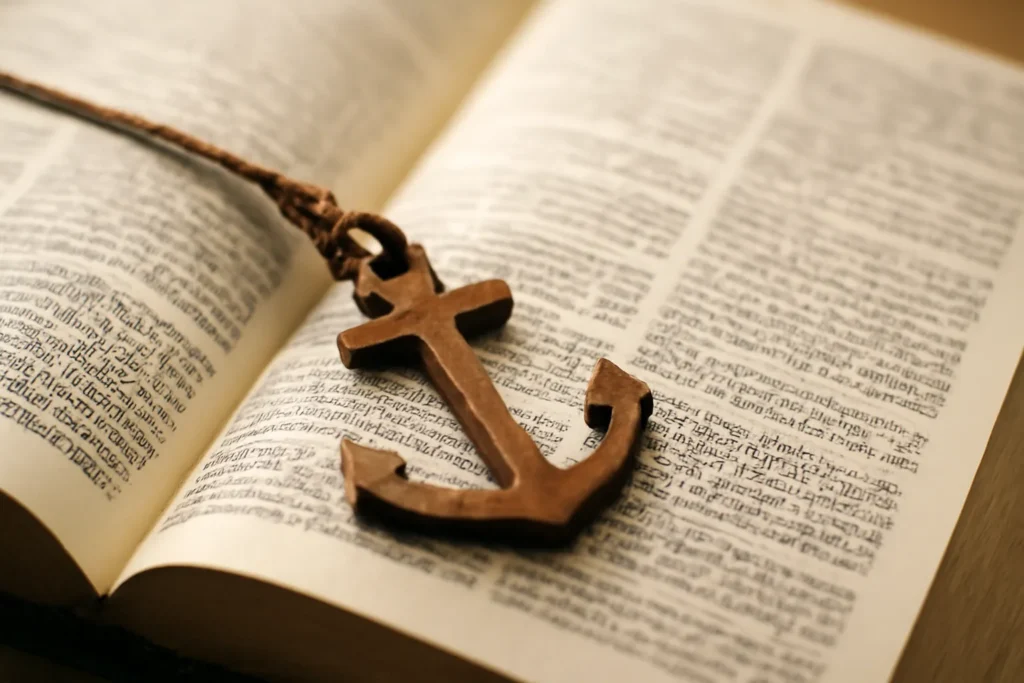
In Scripture, the image of an anchor is a powerful symbol that speaks to stability, safety, and divine steadfastness in the midst of life’s storms. When the Bible describes hope as an anchor for the soul, it invites readers to connect trust in God with a steady, reliable point of reference. And faith becomes the ongoing act of living in light of that hope. This article surveys anchor verses across the biblical canon—verses that speak explicitly or implicitly about anchoring, hope, and faith—and offers practical reflections for study, prayer, and everyday living. We’ll explore key passages, note variations across translations, and present application ideas that help you carry these truths into daily life.
What does an anchor symbolize in Scripture?
An anchor is designed to hold a vessel steady when winds howl and waves rise. In the Bible, the anchor metaphor captures several related ideas:
Security: a reliable means of staying safe during trials.
Hope: a confident expectation of God’s presence, mercy, and deliverance.
Stability: a steady ground for faith when circumstances shake our plans.
Trust: a decision to cling to God even when the horizon looks uncertain.
Perseverance: a call to endure with patience, knowing that God keeps his promises.
The biblical use of “anchor” and related phrases is not merely poetic. It points to a lived experience: clinging to God’s character, promises, and grace. Across the pages of Scripture, we find specific verses that name the anchor explicitly, along with many passages that describe the same virtue using related language—hope as a steadfast line, faith as confident assurance, and God as the unmovable rock from which our security flows.
Top verses about anchors, hope, and faith
The verses below are organized to help you see how anchor language, hope, and faith intersect. In each item you’ll find a brief note about the verse’s emphasis, with short quotes drawn from common translations to illustrate the core meaning. Where relevant, you’ll see a note about translation differences that shape how the verse comes across in English.
Hebrews 6:19 (NIV): "We have this hope as an anchor for the soul, firm and secure." — Emphasizes hope as a solid anchor that holds the inner life steady.
Hebrews 6:19 (KJV): "Which hope we have as an anchor of the soul." — Highlights the hope as the anchoring point itself.
Hebrews 6:19 (ESV): "We have this as a sure and steadfast anchor of the soul." — Stresses that the anchor is sure and steadfast.
This single verse crystallizes a central idea: the Christian life is held fast by a hope grounded in God’s promises. The image of the anchor invites believers to endure, to persevere, and to trust even when visible things are unstable. In devotional use, this passage can remind us to measure our sense of security not by external circumstances but by the unchanging character and faithfulness of God.
Hope as an Anchor in Various Translations
Romans 8:24-25 (paraphrase): Hope is what sustains us while we wait for what is not yet seen; patience is the ordinary posture of faith.
Lamentations 3:24 (paraphrase): The Lord is the portion of my life, so I will place my hope in him regardless of the day’s weight.
Psalm 39:7 (paraphrase): My hope is in you; you are the one who steadies me in the midst of uncertainty.
Beyond Hebrews 6:19, the idea of hope as an anchor recurs across Scripture, often linked to God’s faithfulness, mercy, and redemptive promises. These variations across translations help readers hear the same truth in different voices, enriching our understanding and practice.
Faith That Builds on the Anchor
Hebrews 11:1 (popular paraphrase): "Now faith is the assurance of things hoped for, the conviction of things not seen." — A foundational statement about how faith relates to what we long for and cannot yet fully see.
Romans 4:20-21 (paraphrase): Abraham’s faith was unwavering because he trusted God’s promises, even when they appeared impossible.
2 Corinthians 5:7 (paraphrase): We walk by faith, not by sight—moving in trust while the visible world remains uncertain.
These passages illuminate how faith and hope reinforce each other. An anchor does not stop storms from occurring; it keeps the ship from drifting, guiding the traveler toward safe harbor. In the same way, faith anchors the heart in God’s truth, allowing believers to endure with confidence.
Additional anchor-and-hope verses with brief reflections
The following entries broaden the semantic field of anchor, hope, and faith, including a mix of prophetic, poetic, and epistolary texts. Each item includes a short note to help you grasp the key idea in balance with the others.
Romans 15:13 — "Now may the God of hope fill you with all joy and peace as you trust in him." (paraphrase) This verse connects hope with joy and peace as a direct result of trusting God.
Psalm 31:24 — "Be strong, and let your heart take courage, all you who hope in the Lord." The call is to courage rooted in God’s faithfulness.
Psalm 27:14 — "Wait for the Lord; be strong, and let your heart take courage; wait for the Lord." Emphasizes patient endurance and inner strength through anticipation.
Isaiah 40:31 — "But those who hope in the Lord will renew their strength." The original promise links hope to renewed vitality.
1 Corinthians 15:58 — "Be steadfast, immovable, always abounding in the work of the Lord, knowing that in the Lord your labor is not in vain." Focuses on steadfast faith in persistent service.
Colossians 1:27 — "Christ in you, the hope of glory." A concise statement about the believer’s inner reality and ultimate expectation.
Hebrews 12:1-2 — A call to run with endurance while fixing our eyes on Jesus as the “author and perfecter of faith.” The imagery aligns with the anchor idea—holding fast through life’s race.
1 Peter 1:3-4 — A convergence of faith, hope, and an inheritance kept in heaven—encouraging the believer to live with an eternal perspective in the storms of daily life.
Psalm 46:1 — God is our refuge and strength, a present help in trouble; the sense of security here complements the anchor theme.
Taken together, these verses show how hope and faith anchor the believer in two directions: upward toward God’s promises and forward through faithful action in the present world. The metaphor of the anchor thus becomes a multilayered invitation to trust, endure, and persevere with confidence in God’s character.
To grow in understanding and application, consider a three-step approach you can use repeatedly in personal study or group settings:
Observe: Read the verse in several translations (KJV, ESV, NIV, NLT) to notice nuances. Mark repeated words like anchor, hope, and faith.
Interpret: Ask questions such as:
What is the anchor point in this verse?
How does hope interact with fear or uncertainty?
What is God inviting me to trust or endure?
Apply: Write a brief prayer or action step that translates the verse into daily life—e.g., choose a situation where you can demonstrate steadfast faith or renew a habit of prayer that reinforces your anchor.
A helpful practice is to print or display a small set of anchor verses in a prominent place. Read one verse per day, reflect on its imagery, then annotate a concrete action you will take that week to live out the truth. When storms return, you will know where to turn: to the anchor that holds firm and secure in the heart of God.
Practical applications for life, prayer, and worship
Personal resilience: Use anchor verses to ground your identity in God’s faithfulness rather than your circumstances.
Family devotions: Create short discussions around each verse, inviting family members to describe a time when their own hope helped them endure.
Prayer prompts: Turn key phrases into prayers, such as “Lord, help me trust you more deeply so that my heart remains anchored even when the winds blow.”
Worship and praise: Compose simple songs or hymns that echo the ideas of security, steadfastness, and trust in God as the ultimate anchor.
Pastoral care: For those facing grief, illness, or uncertainty, point to anchor passages as a source of comfort and a reminder that God’s promises endure beyond pain.
Notes on translations and semantic breadth
Because Bible translations differ in wording, you will encounter a range of expressions for the same underlying truth. Some translations emphasize the metaphor of a sure and steadfast anchor, while others highlight the practical outworking of trust in daily life. When you study anchor verses, consider these considerations:
Look for core verbs like anchor, hope, trust, and wait—these verbs often carry the emotional charge of the passage.
Notice shifts between internal states (the heart, soul) and external actions (endurance, service, perseverance).
Track how different translations render phrases about God’s character (e.g., “God of hope,” “the Lord,” “Jehovah”) to understand theological nuances.
Use cross-references: many anchor-related verses illuminate each other, enriching your overall theology of hope and faith.
Use these prompts to meditate on anchor verses in a way that deepens faith, strengthens your hope, and encourages practical obedience:
Prompt 1: Read Hebrews 6:19 in two translations. Write a two-sentence reflection on how your own heart holds fast to God’s promises this week.
Prompt 2: Choose one verse about hope (e.g., Romans 15:13) and craft a one-paragraph prayer asking God to fill you with joy and peace as you trust him.
Prompt 3: In a concrete situation where you feel unsettled, identify what it would mean to “wait on the Lord” with courage—then commit to one actionable step.
Prompt 4: Create a short song or chant that captures the idea of “the anchor for the soul,” and sing it during a moment of quiet reflection.
Summary and closing reflections
The theme of anchors, hope, and faith runs deeply through Scripture because, at its core, the Christian life is a trusting response to a steadfast God. When life’s currents threaten to derail us, the biblical image of an anchor reminds us where to place our confidence: in the unchanging character and promises of God. By engaging with the classic verses, exploring translation variants, and applying these truths through practical disciplines, you can cultivate a robust spiritual posture—one that keeps you grounded, hopeful, and faithful no matter what you face.
If you’d like a compact study plan, start with Hebrews 6:19 and Hebrews 11:1 as the core anchors, then weave in Romans 15:13 for a broader sense of hope in community and life. Add a Psalm for daily devotion (such as Psalm 27:14), and close with Colossians 1:27 to remind yourself that the deepest source of hope is Christ living within you. Over time, these passages become not just ideas but habits of the heart—stable, hopeful, and faithful in the presence of God.






Leave a Reply