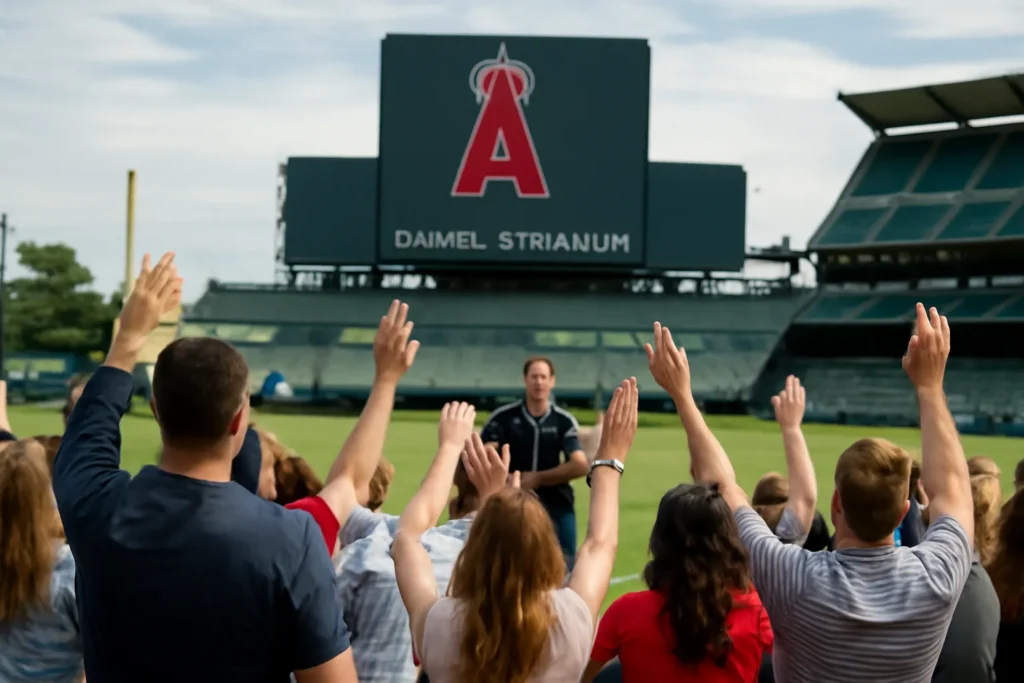
Angel Stadium worship is a phrase that might evoke the image of a grand venue devoted to spiritual gathering, reflection, and community-building within the unique context of a stadium setting. While worship at Angel Stadium traditionally centers on religious services, prayer gatherings, and faith-based concerts, the concept can also apply to broader forms of sacred or contemplative assembly that take place in the arena environment. This guide explores what Angel Stadium worship experiences can look like, how to plan them responsibly, and how to create inclusive, uplifting atmospheres for diverse participants. Whether you are a faith leader, a venue organizer, a musician, or a community member curious about this form of public worship, this article provides practical insights and proven best practices.
Throughout this article you will encounter several variations on the theme of worship at Angel Stadium. You may hear phrases like Angel Stadium worship experiences, worship services at Angel Stadium, Angel Stadium religious assemblies, or Angel Stadium devotional gatherings. Each variant emphasizes a slightly different facet of the same core idea: transforming a large, outdoor/covered sports facility into a space that supports reverence, community, and meaningful worship. The goal is not to replace traditional houses of worship, but to adapt spiritual practice to a unique, high-capacity setting that can welcome thousands of people while maintaining dignity, safety, and accessibility.
Understanding the Concept: What is Worship at a Stadium?
To appreciate worship at Angel Stadium, it helps to define the key elements that distinguish it from more typical worship venues:
Scope: Stadium worship is designed to accommodate very large crowds, often with multi-day or multi-event programming, and may blend religious rituals with contemporary arts, music, and instruction.
Venue dynamics: The unique acoustics, sightlines, and seating arrangements require careful design so that participants both hear and feel the message, music, and meditative moments.
Access and inclusion: With thousands of potential attendees, accessibility, interpretation services, and family-friendly accommodations become central to the experience.
Community impact: Large-scale gatherings in a stadium can catalyze charitable initiatives, service projects, and interfaith dialogue that extend beyond the event itself.
Planning Foundations for Angel Stadium Worship
Planning a worship event at Angel Stadium involves balancing spiritual aims with operational realities. The following sections outline essential planning considerations, from partnerships to timelines, to help ensure a successful and safe gathering.
Permissions, Partnerships, and Legal Considerations
Before any logistics begin, secure written approvals from the stadium management and relevant authorities. This process typically includes:
Engaging in early dialogue with the stadium’s events department or operations team to understand venue constraints and opportunities.
Ensuring compliance with local laws, fire safety codes, occupancy limits, insurance requirements, and permit needs for public gatherings.
Establishing a clear memorandum of understanding (MOU) that outlines responsibilities, revenue sharing (if applicable), and risk management.
Coordinating with security, medical services, and emergency response teams to create a robust safety plan.
The Angel Stadium worship planning process often benefits from partnerships with religious organizations, community groups, and nonprofit partners. These collaborations can broaden the program’s scope while ensuring it aligns with the stadium’s policies and the broader community’s needs.
Scheduling, Logistics, and Timeframes
A large-scale worship event requires a thoughtful timeline that accounts for load-in, sound checks, rehearsals, and post-event teardown. Key considerations include:
Providing multiple rehearsal windows so sound checks and technical runs do not disrupt the schedule of the field or other events.
Strategizing crowd flow to minimize bottlenecks at entry points, restrooms, concessions, and seating areas.
Establishing contingency plans for weather-related disruptions, given that Angel Stadium is an open-air venue with portions that may be covered.
Creating a clocked sequence for worship components—music, teaching, prayer, testimony, communion or other rites—as appropriate to the faith tradition involved.
Designing the Worship Experience at Angel Stadium
The design of a stadium-based worship event blends liturgy, music, visual arts, and audience participation in ways that honor the sacred while leveraging the theater of the stadium. This section covers core design choices to help organizers craft a cohesive and respectful experience.
Music is often the centerpiece of Angel Stadium worship experiences, offering a unifying sense of ceremony and communal praise. Consider:
Musical programming: A mix of inspirational songs, psalms, hymns, and contemporary worship tunes can connect diverse generations and traditions.
Live performers: Include a balance of professional musicians, choirs, and volunteers to create a dynamic soundscape while remaining spiritually anchored.
Liturgy and ritual: Align rituals with the faith tradition represented, whether that means confession, blessing, communion, or a focused moment of prayer.
Visual storytelling: Large screens, projection, banners, and graphics can illuminate themes, scripture, or testimonies in a way that reinforces message and mood.
Visuals should respect the venue’s lighting and safety requirements. Use clear, respectful imagery that enhances worship rather than distracting from it. The goal is to create an atmosphere of reverence and awe without overwhelming participants with spectacle.
Adequate Acoustics and Sound Management
Stadium acoustics differ significantly from church sanctuaries or concert halls. Sound planning is essential to ensure that every attendee has a meaningful listening experience:
Work with a professional sound design team familiar with large venues to optimize speaker placement, monitor mixes, and feedback control.
Provide assistive listening devices or a broadcast feed for those who may have hearing difficulties.
Plan for dynamic sound levels that preserve reverence during prayers or reflection while delivering vibrant energy during songs and testimonies.
Operations, Safety, and Accessibility at a Large-Scale Worship Event
Safety and accessibility are foundational to any worship event in a stadium setting. The following topics offer practical guidance on maintaining a secure, inclusive environment.
Security Protocols and Crowd Management
Large gatherings require layered security and well-practiced procedures. Consider:
Coordinated on-site security with stadium security teams, volunteers, and law enforcement, if needed.
Clear wayfinding signage and trained ushers to guide attendees to their seats, restrooms, and exits.
Defined emergency evacuation routes clearly communicated to staff and attendees.
Medical presence with first aid stations and rapid response protocols for medical emergencies or injuries.
Accessibility, Inclusion, and Multilingual Support
An equitable experience requires attention to accessibility and inclusion. Strategies include:
Accessible seating with clear sightlines and companion seating for guests with mobility needs.
Real-time interpretation services (ASL or spoken language interpretation) where appropriate.
Clear, large-print program materials and digital access options for guests with vision impairment.
Family-friendly accommodations, including quiet zones, lactation rooms, and appropriate rest areas.
Technology, Broadcast, and Streaming Considerations
Digital components can extend the reach of Angel Stadium worship beyond those physically present. Helpful practices include:
High-quality live streaming to engage remote participants and faith communities who cannot attend in person.
Integrated projection and on-screen lyrics or texts to help attendees participate actively.
Backup systems for power, internet connectivity, and broadcast feeds to minimize disruptions.
Participation, Community, and Thematic Cohesion
Large-scale worship in a stadium setting can foster a profound sense of community when designed to invite broad participation while honoring devotional authenticity. This section outlines approaches to engagement that respect diverse beliefs and practices.
Engaging Audiences Across Generations and Traditions
Inclusion is a strength in stadium worship. Consider these approaches to reach families, youth, seniors, and individuals from varying faith backgrounds.
Offer a program structure that alternates between congregational singing, contemplative moments, and spoken messages to accommodate different comfort levels with formality.
Invite speakers and testimonies from a spectrum of backgrounds, ensuring that each voice is handled with respect and humility.
Provide interactive elements that do not require technical expertise, such as guided prayers, silent reflection periods, or shared affirmations.
A stadium-wide worship event is an opportunity to mobilize volunteers for lasting impact. Examples of volunteer activities include:
Guest services, ushering, and language assistance to welcome attendees and guide them through the venue.
Resource drives, donation collection, and partnerships with local charities to channel the momentum of worship into service.
Post-event follow-up initiatives that invite participants to stay engaged with ongoing community programs.
Case Scenarios: What an Angel Stadium Worship Event Might Look Like
Consider two illustrative scenarios that demonstrate how a worship-focused gathering can be adapted to Angel Stadium, each with its own emphasis and structure.
Scenario A: A Multifaith Worship Night
In this model, the goal is to celebrate spiritual diversity while inviting universal themes such as peace, hope, and service. Components might include:
Opening ceremony featuring symbolic acts from multiple traditions.
Unified music segments with participatory choruses and culturally diverse music styles.
Interfaith readings, reflections, and a closing benediction that acknowledges shared values.
Scenario B: A Doctrinal Service with Community Outreach
This approach centers on a specific faith tradition while integrating opportunities for community outreach. Elements could include:
A clear doctrinal focus delivered through preaching or teaching, followed by a time of collective prayer.
Live worship bands performing congregational songs and anthems.
Post-event outreach booths or service drives encouraging attendees to participate in local ministry projects.
Post-Event Considerations: Reflection, Evaluation, and Lasting Impact
After any large gathering, it is essential to assess impact, gather feedback, and plan for sustainable engagement. The following practices help ensure the lasting value of Angel Stadium worship initiatives.
Collect anonymous feedback from attendees about accessibility, message clarity, and overall experience.
Evaluate the effectiveness of technical systems, security plans, and crowd management strategies.
Offer follow-up opportunities, such as small-group discussions, online devotional resources, or community service sign-ups.
Publicly acknowledge volunteers, partners, and participants to reinforce community bonds and gratitude.
Frequently Asked Questions about Angel Stadium Worship
The following questions address common concerns and practical considerations for anyone exploring worship in a stadium setting.
What kinds of events qualify as worship at Angel Stadium?
Worship at Angel Stadium can take many forms, including traditional religious services, devotional gatherings, prayer vigils, spiritual concerts, and interfaith or ecumenical assemblies. The key is that the event centers on reverence, communal participation, and ethical or spiritual reflection.
How far in advance should planning begin?
Large-scale stadium events typically require months of preparation. A minimal lead time of 6–12 months is common for securing the venue and coordinating with partners, with additional time needed for permits, outreach, and logistics.
How can inclusivity be prioritized in a stadium assembly?
Inclusivity can be achieved through accessibility services, multilingual materials, diverse leadership, quiet or reflective zones, and a programming mix that respects a broad spectrum of beliefs and practices.
Health, Safety, and Ethical Considerations
Safety and ethics are paramount in any large public gathering. This section highlights responsible practices that protect participants while preserving the integrity of the worship experience.
Wellness protocols: Ensure clean facilities, hydration options, and medical staff on-site for emergencies.
Consent and dignity: Respect the beliefs, backgrounds, and personal boundaries of attendees, avoiding coercive language or pressure to participate in rituals.
Environmental stewardship: Recycle, minimize waste, and encourage eco-friendly practices during the event.
Tips for Organizers: Making Angel Stadium Worship Effective
If you are an organizer or leader responsible for an Angel Stadium worship project, these practical tips can help you shape a meaningful, well-run event.
Start with a clear mission: Define the spiritual aims, the expected outcomes, and how the event serves the local community.
Build a diverse planning team: Include voices from different faith traditions, generations, and cultural backgrounds to shape inclusive programming.
Create detailed run-of-show documents: Share schedules, cue sheets, and technical diagrams with all partners to prevent miscommunications on the day.
Invest in accessibility and translation: Ensure that all participants can engage, understand, and participate in the program.
Conclusion: The Promise and Potential of Angel Stadium Worship
Angel Stadium worship represents a unique intersection of sacred practice and public space. When conceived with care, it can be a powerful catalyst for spiritual reflection, communal solidarity, and service to others. By prioritizing safety, accessibility, inclusivity, and thoughtful design, organizers can create worship experiences at Angel Stadium that honor both the sacred character of the gathering and the extraordinary environment of the venue. Whether the aim is ecumenical unity, interfaith dialogue, or a focused devotional mission, the potential to transform a stadium into a sanctuary—if only for a day or two—remains a compelling possibility worth thoughtful pursuit.
As you plan and execute worship experiences in Angel Stadium, remember that the heart of the endeavor lies in people: their stories, prayers, songs, and acts of service. A stadium, with its vast capacity and symbolic weight, can amplify these human voices and extend their reach far beyond the bleachers. The result can be not only a memorable event but also a foundation for ongoing faith, hope, and compassion within the broader community.









Leave a Reply