Archangel Raphael Symbol: Meaning, History, and How to Use It
The figure of Archangel Raphael appears across Jewish, Christian, and later esoteric traditions as a guide, healer, and protector on life’s journeys. When people speak of the Raphael symbol, they are often referring to the set of imagery, colors, and motifs that historically accompany this archangel in art, liturgy, and personal practice. The Raphael emblem is not a single object but a constellation of signs that converge on healing, safe travel, divine guidance, and compassionate care. In this article, we will explore the symbolic meaning of Raphael, its historical development, and practical ways to incorporate the Raphael symbol into modern life.
Throughout history, symbols associated with Raphael have been used in prayer beads, icons, manuscripts, and devotional spaces. The goal is not merely to decorate but to evoke a concrete sense of healing, journey, and mercy. Readers will encounter a range of expressions—whether you call it the Raphael iconography, the emblem of Raphael, or the symbol of the healing archangel—all pointing to a central idea: that the divine presence aids in restoring wholeness and guiding travelers toward safety and well-being.
Meaning and Core Qualities of the Raphael Symbol
The Raphael symbol carries several overlapping meanings. At its core, it signals healing, protection on journeys, and spiritual guidance. In many depictions, the emblem invites you to imagine the restoration of body, mind, and spirit, as well as the safe passage from one life phase to another.
Healing: Raphael is often called the patron of healing and medicine, so his emblem invites trust in the healing forces of the divine, whether you seek physical recovery, emotional balance, or inner reconciliation.
Protection during travel: The archangel’s role as a guide for travelers makes the symbol a talisman for safe journeys, whether literal or metaphorical—such as starting a new job, moving to a new place, or beginning a new phase of life.
Divine companionship: The emblem suggests that you are accompanied by a compassionate presence, especially in moments of vulnerability or decision-making.
Wisdom and discernment: The symbolic imagery encourages prudent choices and a healing perspective when confronted with difficulties.
Different cultures emphasize different facets of the Raphael symbol, but all converge on the idea of benevolent guidance that mingles care with direction. In this article, we will survey the most common symbolic elements and explain how they function as a vocabulary for spiritual practice.
Historical Context: Where the Raphael Symbol Comes From
The name Raphael means “God heals” in Hebrew (from rapha = to heal, and ’el = God). The story of Raphael appears most prominently in the Book of Tobit, a text found in the Septuagint and included in some canons of Christian scripture. In Tobit, Raphael disguises himself as a human traveler who accompanies Tobiah on a journey. It is through Raphael that Tobiah learns about healing herbs, spurns deceit, and experiences divine mercy. This narrative anchors the symbolic association of Raphael with healing, travel, and protective oversight.
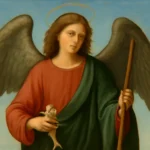
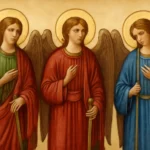
Across centuries, Christian and Jewish art began to personify Raphael with tangible emblems. In medieval and Renaissance iconography, the symbol of Raphael often appears alongside other archangels, with one or more of the following motifs: a pilgrim’s staff, a fishing motif (a fish or references to the healing fish from Tobit), a vial or flask of healing oil, or a green color palette signifying life and renewal. The combination of these elements created a layered symbol that could be read by diverse audiences—clerics, artists, mystics, and laypeople alike.
In Eastern Orthodox and Catholic traditions, the archangel’s symbolism is often connected to pastoral care and healing ministries, while some Protestant communities emphasize the message of guidance and providence. This flexibility allowed the Raphael symbol to travel across cultures and adapt to local devotional practices, never losing the thread of healing and safe passage.
Common Symbols and Motifs Associated with Archangel Raphael
Whenever we examine the Raphael symbol, we encounter a suite of motifs that have endured in art and prayer. Here are the most common associations you are likely to encounter, with notes on what each motif communicates.
The Pilgrim’s Staff
The pilgrim’s staff is one of the oldest and most enduring marks of Raphael’s iconography. It signals the journey—literal travel or life’s pilgrimage—made with divine accompaniment. In medieval manuscripts and church art, Raphael may gesture with or hold a staff as a sign that the traveler is never alone. The staff invites you to remember that the path ahead can be walked with trust, care, and divine help.
The presence of a fish in Raphael’s imagery references the Tobit narrative, where a fish plays a pivotal healing role. In symbolic terms, the fish embodies restoration of health and the idea that life’s “waters” can carry healing essences. For practitioners, this motif translates into contemplation of the body as a vessel capable of renewal, helped by divine mercy.
The Vial of Healing Oil
A small vial or flask, sometimes depicted as a container carried by the archangel or offered to the patient, conveys the idea of sacred oils used for cleansing, blessing, or medicinal purposes. The vial emblem can serve as a reminder that healing involves both natural remedies and spiritual blessing.
The Green Light and Verdant Imagery
The color green recurs as a symbol of life, renewal, and growth in Raphael’s depictions. This green imagery communicates a healing energy that breathes life into the body and spirit. For those who work with color in meditation, the Raphael-green or emerald tones can function as a focal point for quieting the mind and inviting restorative energy.
Water is a universal symbol of cleansing, renewal, and emotional healing. In Raphael symbolism, water imagery—such as a fountain, stream, or pool—often accompanies depictions of the archangel. The water motif invites practitioners to reflect on the ways in which feelings and memories can be refined and purified through compassionate attention and divine accompaniment.
Iconographic Portrayals in Art
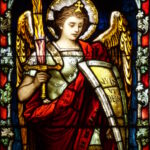
In paintings, mosaics, and illuminated manuscripts, the Raphael emblem may be integrated with other attributes of archangels or with scenes of healing and journeying. As you study these works, you may notice how the artist uses light, posture, and symbol placement to communicate the idea of a guiding, healing presence. The symbolic language of Raphael thus becomes a visual dictionary for the viewer’s inner life as well as for liturgical or devotional contexts.
Raphael in Different Traditions: Focus on Meaning Across Cultures
Scholars and practitioners often emphasize that the Raphael symbol is flexible enough to be meaningful in a variety of settings. Here are a few interpretive threads that commonly appear in different traditions:
Christian liturgy and devotion: The emblem anchors prayers for healing, protection during travel, and companionship on life’s road. It often features in Marian and archangelical devotions as part of a broader panorama of divine mercy.
Jewish and intertestamental traditions: While Raphael is not always named in the same way as in Christian tradition, the healing and guiding aspects resonate with biblical and post-biblical themes of divine mercy and guidance on journeys.
Eastern Christian iconography: The archangel’s symbol may be paired with icons of celestial beings and scenes of healing miracles, reinforcing a theology in which divine help accompanies human effort.
Modern spiritualities: In contemporary spiritual practice, the Raphael symbol is often appropriated as a universal emblem of healing, safe travel, and compassionate care beyond rigid doctrinal borders.
How to Use the Archangel Raphael Symbol in Daily Life
Integrating the Raphael symbol into daily practice can be both practical and contemplative. Here are several ways to work with the emblem in a meaningful, grounded way:
Create a small Raphael-focused altar: Place a symbolic image (icon, painting, or a quiet photograph) of Raphael with items like a small staff, a green candle, or a tiny vial. This creates a visual reminder of healing and guidance in your living space.
Use color as a meditative anchor: Surround yourself with the color green when you need renewal or healing energy. You can wear green, light a green candle, or meditate with a green object in your hand.
Symbolic journaling: Write about journeys you are undertaking—whether physical travel, emotional recovery, or a transition at work or school. Reflect on what healing and guidance look like in the current moment, and how you might invite Raphael’s presence into the process.
Healing rituals: Incorporate gentle, non-invasive healing practices—breathing exercises, mindful movement, or soft touch therapy—paired with a brief invocation to Raphael to bless the process and assist with discernment.
Protection during travel: Before a trip, take a moment to visualize the pilgrim’s staff guiding you, imagine a path of safe passage, and set an intention for steady feet and a calm heart along the journey.
Cooking and nourishment: Since healing also involves nourishment, you can prepare foods that symbolize renewal—green vegetables, broth, and herbal infusions—standing in for the “vial of healing oil” in a modern, symbolic sense.
Rituals, Prayers, and Meditations Centered on Raphael
While prayers and rituals differ among communities, the core intention is consistent: inviting healing, protection, and guidance. Below are gentle, accessible formats you can adapt to your practice. You can read them aloud, recite quietly, or write your own version that aligns with your beliefs.
Guided Focus for Healing and Guidance
Begin by finding a comfortable, quiet space. Take three slow breaths, letting the body settle. Then read or recite the following affirmation:
“May Archangel Raphael, patron of healing and travelers, walk with me on this path. Let the green light of renewal surround me, may my body, heart, and mind be mended; may my steps be guided, and may I travel safely through this time.”
After the affirmation, you may meditate for 5–15 minutes, focusing on the breath or on the image of a pilgrim’s staff carried by a healing guide. When your meditation ends, gently give thanks and proceed with your day with a renewed sense of purpose and ease.
Prayers for Travelers and Seekers
In addition to personal contemplations, you can offer a short invocation to Rafael in moments of transit or change:
“Archangel Raphael, Lead and Guide me on this journey. Let your healing presence restore what is broken, defend my steps from harm, and grant me the wisdom to choose the right path. Amen.”
Meditative Visualizations
Use a visualization exercise to connect with the symbol. Imagine a green energy radiating from a staff or from the space around you. See this energy cleansing and renewing your body, soothing stress, and opening a clear path forward. If you are dealing with a specific healing concern, bring your intention into the visualization and invite Raphael to assist with the process.
Raphael Symbol in Art, Literature, and Popular Culture
The Raphael emblem has inspired countless works of art, poetry, and modern storytelling. In paintings, the archangel is sometimes shown with a gentle expression and a guiding gesture, emphasizing a mood of compassionate care. In literature and modern fantasy, Raphael’s motif can serve as a symbol of mentorship, healing, or a protective companion who helps the hero cross boundaries and heal wounds.
For readers and creators, the Raphael symbol offers a rich set of resonances to draw upon: healing hands, a guiding staff, the color green as life, and the idea of being accompanied by a compassionate guardian on life’s road. Artists may also use the fishing motif and the vial as nods to Tobit’s story, weaving ancient narrative memory into contemporary pieces.
In today’s world, the symbol of Raphael is often adopted beyond strictly religious contexts. People of diverse backgrounds may use it as a personal emblem for healing, for navigating change, and for fostering resilience. Here are a few contemporary applications:
Holistic health practice: The Raphael symbol can accompany holistic modalities—breathing, mindfulness, gentle movement, acupuncture, or energy work—to emphasize healing as a whole-person process.
Supportive communities: In support groups or peer circles, Raphael can symbolize a shared commitment to care, informed consent, and compassionate listening.
Life transitions: When facing transitions—such as starting college, changing careers, or relocating—the emblem can serve as a reminder that guidance is available and that healing accompanies growth.
Creative reflection: Writers, artists, and musicians may use Raphael-related imagery to explore themes of journey, mercy, and renewal in their work.
When adopting the Raphael symbol in a secular or interfaith context, you can emphasize universal values such as healing, care, and guidance without tying the practice to any particular dogma. The symbol remains a flexible, humane prompt for compassionate action and mindful living.
Historical Evidence and Scholarly Perspectives
Scholars examining the Raphael symbol note how it migrates across time and culture. The Giottesque and Renaissance panels that depict archangels often place Raphael in scenes of healing or travel, reinforcing the connection between divine mercy and earthly journeys. In hagiographies and apocryphal texts, the narrative of Raphael’s intervention—binding healing with travel and moral lessons—helps solidify the emblem’s multi-layered meaning. Modern scholars also highlight how the symbol has been adapted for lay devotional uses, from icon corners in homes to jewelry and talismans that carry the idea of “healing and guidance” into daily life.
From a symbolic-relational perspective, the Raphael emblem operates in a way similar to other archangelic motifs: it encodes trust in a benevolent order of creation, the conviction that healing is possible through divine mercy, and the assurance that one is not alone on the path. This triad of healing, protection, and companionship is why the symbol remains meaningful across generations.
Practical Tips for Working with the Archangel Raphael Symbol
If you are new to the Raphael symbol, here are some simple, practical steps to begin your relationship with this emblem in a grounded way:
Start with a single clean image or object that represents Raphael for you—this could be a small statue, a card, or a drawn illustration. Place it where you spend time daily as a reminder of healing and guided journeying.
Choose a ritual word or phrase (such as “healing” or “guidance”) to focus on when you encounter stress or uncertainty. Return to that focal point and breathe with it during moments of difficulty.
Incorporate the color green into your environment when you want to invite renewal—green lighting, decor, or clothing can be a subtle but powerful cue for healing energy.
Use the symbols together: a staff, a fish, and a vial. You can meditate on their meanings one by one or imagine them coming together as a composite emblem of care and safe passage.
Frequently Asked Questions about the Archangel Raphael Symbol
Here are concise answers to common questions people have when learning about the Raphael symbol:
What is the main meaning of Raphael’s symbol?
The main meaning centers on healing, protection during travel, and spiritual guidance.
Which objects are most associated with Raphael’s emblem?
Best-known associations include the pilgrim’s staff, a fish, a vial of healing oil, and the color green as a sign of renewal.
How can I use the Raphael symbol in daily life?
You can create a small altar, meditate with the image, practice healing-centered rituals, and carry or visualize the symbol during journeys or transitions.
Is Raphael only a Christian symbol?
While rooted in Christian and Jewish texts, the emblem’s themes of healing, guidance, and journey are universal enough to be meaningful in interfaith and secular contexts as well.
Conclusion: The Timeless Relevance of the Raphael Symbol
Across centuries and cultures, the Raphael symbol has remained a resilient beacon for those seeking healing, safe travel, and wise companionship on life’s route. By understanding its motifs—the pilgrim’s staff, the fish, the vial, and the renewing green—we gain a practical vocabulary for interpreting experiences of illness, transition, and growth. The symbol invites a posture of trust: that even in moments of vulnerability, a compassionate presence is near, offering restoration and direction. Whether you encounter Raphael in a painting, a prayer, or a moment of quiet reflection, the emblem remains a robust reminder that healing is a journey, and guidance is available along the way.
As you explore the Raphael symbol further, allow your own experience to shape what these signs mean for you. You may find that the emblem evolves with your life—gently shifting in emphasis from healing to travel to transformation, or returning again to a core sense of compassionate presence. In any case, the symbol of Archangel Raphael continues to offer a timeless invitation: to walk the road toward wholeness with courage, mercy, and an enduring sense of being led to safer, healthier horizons.









Leave a Reply