Armor of God Parts: A Complete Guide to the Spiritual Armor of Ephesians 6
The passage commonly known as the Armor of God comes from Ephesians 6:10–18. It presents a vivid, military metaphor for the spiritual resilience a Christian is to wear in daily life. Rather than a literal suit of armor, these six pieces represent enduring virtues, practices, and truths that protect the believer against lies, fear, and spiritual opposition. This guide offers an in-depth exploration of each component, explains how the pieces fit together, and provides practical steps for applying the doctrine in contemporary life. The aim is to illuminate not only what each part is, but how to live in a way that reliably mirrors the character of Christ under pressure.
While many readers recognize the phrase “armor of God,” the full value comes when you engage with each piece as a holistic system. Think of it as a complete wardrobe for the Christian life: a belt that anchors integrity, a breastplate that guards virtue, shoes that enable readiness for mission, a shield that defends faith, a helmet that protects the mind, and a sword that empowers with God’s Word. Together, these elements form a dynamic defense and offensive resource for spiritual perseverance. Below, you will find a thorough breakdown of each armor part, along with historical context, practical application, and daily habits that help you “put on” these protections before you face life’s challenges.
Context and Purpose of the Armor in Ephesians
The Apostle Paul wrote the letter to the church in Ephesus to encourage perseverance, unity, and steadfast faith. In the final section, he uses the armor metaphor to encourage believers to stand firm against spiritual adversity. Some key ideas to keep in mind:
Put on the full armor to be prepared for every scenario. Partial application leaves gaps that can be exploited by doubt, temptation, or hardship.
Armor language emphasizes preparedness and intentional action, not passive belief. The Christian life requires intentional disciplines that shape character.
The goal is not merely personal protection but commitment to truth, righteousness, peace, faith, salvation, and Scripture as part of a credible, lived witness.
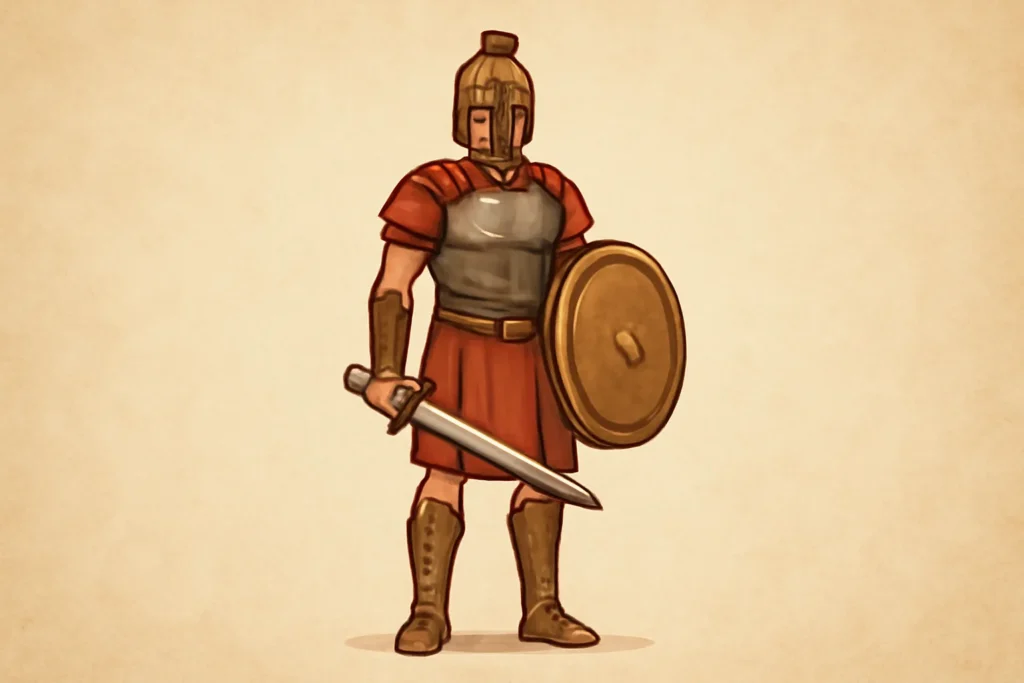
Historically, the metaphor borrows from a Roman military context, familiar to Paul’s audience. However, the deeper interpretive emphasis is theological: faithfulness is a disciplined lifestyle, not a momentary stance. The pieces function together to sustain conviction, clarity, and courage when spiritual opposition intensifies.
The Belt of Truth
In Paul’s image, the Belt of Truth anchors the entire wardrobe. The belt holds the sword sheath, secures the garments, and represents a life governed by honesty, integrity, and alignment with God’s truth. Without truth as a foundation, other pieces lose their effectiveness, much like armor that lacks a secure belt would be loose and ineffective.
What does truth mean in a spiritual sense?
Truth in this context is more than factual accuracy; it describes living in alignment with God’s reality as revealed in Scripture. It includes:
Honesty with God and with others, even when it’s uncomfortable or costly.
Commitment to the truth of the Gospel and its claims about who Jesus is and what He has done.
A lifestyle that refuses deception, rationalization, or moral equivocation.
Practical applications for daily life include establishing routines that reinforce truth-telling, protecting your thought life, and embracing accountability. Consider these concrete steps:
Begin your day with a short confession ritual—acknowledging areas where truth has been compromised and asking for grace to pursue integrity.
Study Scripture regularly to keep your mind anchored in God’s perspective rather than shifting cultural narratives.
Maintain transparency with trusted friends or mentors who can speak truth into your life.
The Breastplate of Righteousness
The Breastplate of Righteousness protects the heart—the seat of passions, desires, and motives. Virtue is not merely a social appearance; it is a robust inner life that guards against moral compromise and spiritual fatigue. This piece reminds believers that righteousness is not earned by human effort alone but is cultivated through obedience, trust in God, and the transformation that comes from faith.
A heart protected by righteousness is vigilant against:
Destructive anger that harms others,
Selfish ambition that distorts priorities,
Cynicism that erodes hope,
Compromise in core convictions when facing pressure.
Practical steps to clothe yourself in the Breastplate of Righteousness include:
Regularly examining motives before making decisions to ensure alignment with God’s standards.
Choosing actions that reflect love, justice, and mercy, even when they’re less convenient.
Engaging in acts of service and ethical conduct that reinforce a righteous posture in everyday life.
Shoes of the Readiness of the Gospel of Peace
Paul describes footwear as “feet fitted with the readiness that comes from the gospel of peace.” These shoes symbolize a posture of preparedness to move toward people with the good news while standing firm in one’s own convictions. Ready feet are not merely for evangelism; they indicate a lifestyle prepared for mission, reconciliation, and steadfast perseverance in trials.
What does it mean to be ready for peace?
Ready footwear implies:
A willingness to engage others with humility and grace,
Steady poise in difficult conversations,
Marshalling courage to act justly in the face of opposition,
A posture of unity that seeks reconciliation rather than division.
Ways to apply this in daily life include:
Being prepared to share a concise, clear message of the gospel when opportunities arise,
Practicing peacemaking in relationships that are strained,
Preparing spiritually by praying for opportunities to bless others with good news and hope.
The Shield of Faith
The Shield of Faith provides protection against the “flaming arrows” of doubt, fear, falsehood, and temptation. Faith in this framework is not a vague optimism but a confident trust in God’s character, promises, and faithfulness. The shield is defensive yet deeply practical: faith sustains, reframes, and empowers action when circumstances suggest abandonment or despair.
How faith functions in spiritual warfare
Faith acts as a filter and a weapon. It:
Deflects fear by anchoring you in God’s sovereignty,
Defuses discouragement through trust in God’s plan,
Encourages patient endurance during trials,
Shields you from deception by holding fast to God’s revealed truth.
Practical practices to strengthen the Shield of Faith include:
Remembering past proofs of God’s faithfulness—the ways He has helped and guided you;
Praying for the ability to trust when outcomes are uncertain,
Memorizing and reflecting on key promises from Scripture that address fear, provision, and deliverance.
The Helmet of Salvation
The Helmet of Salvation guards the mind with the assurance of salvation and the hope of eternal life. The helmet protects against despair, confusion, and despair-inspired thoughts, reminding the believer that the struggle has a finite, resolvable end in God’s saving purpose. Salvation here includes not only future deliverance but the present experience of redemption—transformation, renewal of the mind, and a secure sense of belonging to Christ.
Mental and spiritual guardrails
Wearing the helmet means cultivating a mind that:
Refuses to be overwhelmed by fear or cynicism,
Holds onto the hope of God’s saving work in history and in individual lives,
Filters information through the lens of God’s truth,
Practices patient endurance and perseverance in trials.
How to reinforce the helmet daily:
Engage in regular reflection on your salvation narrative—how you came to faith and how God has redeemed your life.
Shift thoughts away from anxiety by replacing them with Scripture that speaks of hope and deliverance.
Immerse yourself in worship and confession that affirm God’s saving work in your life.
The Sword of the Spirit: The Word of God
The Sword of the Spirit is the only offensive weapon listed in the passage. Unlike the other pieces, which are defensive, the sword enables you to engage spiritual foes with truth. The Word of God functions as revelation and a practical tool for discerning truth from error, resisting temptation, and proclaiming the Gospel with wisdom.
How Scripture operates in spiritual engagement
The sword is effective when it is:
Known by heart through Scripture memorization,
Meditated upon with prayer so it shapes thinking,
Applied in real-life contexts—conversations, decisions, and moments of doubt—rather than kept as a purely theoretical concept.
Practical guidance for wielding the Word of God includes:
Developing a habit of daily Bible reading and study,
Memorizing a handful of verses that address common temptations and fears,
Learning to interpret Scripture responsibly with the help of trusted commentaries or mentors to avoid misapplication.
Putting the Pieces Together: How the Armor Works as a System
Separately, each piece offers protection or empowerment; together, they form a comprehensive defense against spiritual and moral threat. Here are some ways the armor parts interlock in practice:
Truth anchors identity and direction; the breastplate guards integrity in motive; the gospel shoes encourage movement toward mission; faith deflects fear and sustains confidence; salvation provides mental rest in struggle; the Word gives precision and recourse in conflict.
When temptation arises, you recall God’s truth, stand firm in righteousness, respond with the Gospel, and wield Scripture that speaks to the moment—thus each piece reinforces the others.
In community, these elements are reinforced through accountability, shared study of Scripture, and collective prayer, turning individual armor into a resilient church-wide posture.
Practical Application: Daily Routines for Wearing the Armor
Applying the Armor of God to modern life involves intentional routines that cultivate each piece. The following is a practical framework you can adapt to your schedule and context:
Morning reality check: Start with a brief moment of reflection on truth and honesty. Ask God to help you align your day with His purposes, and identify one situation where you will choose righteousness.
Truth-centered study: Engage in a short Scripture reading focused on a theme related to truth, righteousness, peace, or faith. Journal a one-sentence takeaway to reinforce memory.
Heart protection routine: Review your motives for the day and commit to actions that reflect virtue. If you detect compromised motives, pause and seek restorative guidance or accountability.
Faith exercises: Recall a time when God proved faithful and then apply that memory to present concerns. Build a prayer that expresses trust in God’s promises.
Peaceful readiness: Plan at least one conversation or action aimed at reconciliation, showing readiness to share the Gospel with gentleness and respect where appropriate.
Scripture sword practice: Choose a verse to memorize or recite. Use it to respond to a challenge or temptation during the day, as a way to sharpen the Word’s edge in real life.
If you keep these steps, you will cultivate a lifestyle in which the armor is not merely theoretical but actively protective and enabling. The aim is a resilient faith that behaves consistently under pressure—a faith that clings to truth, clothing itself with righteousness, moving in readiness for good works, trusting God, secure in salvation, and prepared to wield Scripture wisely.
Historical and Theological Context
Interpreters often highlight several layers of meaning in Paul’s armor imagery. Here are some key angles to consider:
Historical imagery: The armor corresponds to actual Roman equipment, which would have been familiar to first-century readers. The reference would evoke vivid pictures of disciplined soldiers who stand their ground and act decisively.
Christological focus: Each piece points to the work of Christ and the Spirit. Truth, righteousness, peace with the Gospel, faith, salvation, and the Word are all anchored in God’s redemptive plan and the ongoing activity of the Spirit in believers’ lives.
Progressive sanctification: Donning the armor reflects the process of spiritual growth. It is not a one-time event but a daily, ongoing practice of aligning life with God’s truth and power.
Common Questions About the Armor of God
Is the Armor of God only for spiritual warfare, or does it apply to daily life?
It applies to both. The armor is designed to address all forms of spiritual and moral challenge people encounter in daily life, including moral decisions, conflicts, fear, and doubt.
Can I wear all pieces at once, or do I choose based on the situation?
The text calls for “standing firm” with all pieces in place. In practical terms, you should cultivate habits that enable you to access all six pieces as needed, rather than relying on only one or two.
What is the role of prayer in relation to the armor?
Prayer is a foundational practice that activates and sustains the armor. It aligns the believer with God’s will, invites spiritual discernment, and invites divine strength into everyday struggles.
How does the Word function as a weapon without becoming unloving or overly combative?
Wielding Scripture wisely means applying it with humility, mercy, and truth-telling. The Word should guide actions toward justice, healing, and reconciliation, not coercion or harshness.
Conclusion: Living as a Fully Adorned Believer
The Armor of God presents a robust framework for spiritual resilience. It is not a magical defense but a disciplined way of living—a posture of integrity, virtue, readiness, trust, hope, and engagement with God’s Word. When believers practice these six pieces together, they cultivate a life that can endure trials, resist deception, and respond to a world in need with clarity, courage, and compassion. By embracing the six pieces of armor—each a vital part of the whole—the Christian can stand firm in a way that honors God, serves others, and contributes to a just and hopeful world.
For ongoing study, you might consider a devotional plan that covers each armor piece weekly, with corresponding Scripture passages, reflective questions, and practical challenges. Whether you are new to this imagery or returning to it after years of familiarity, the Armor of God remains a powerful, practical guide for spiritual formation and faithful living in a complex world.
Note: While the language of armor is symbolic, its application is tangible: cultivate truth, pursue righteousness, stay ready for mission, trust through trials, cling to the hope of salvation, and wield the Word with wisdom. In that light, the Armor of God becomes less about armor as a mere metaphor and more about a lived reality—one that equips believers to love God and neighbor with steadfast courage.









Leave a Reply