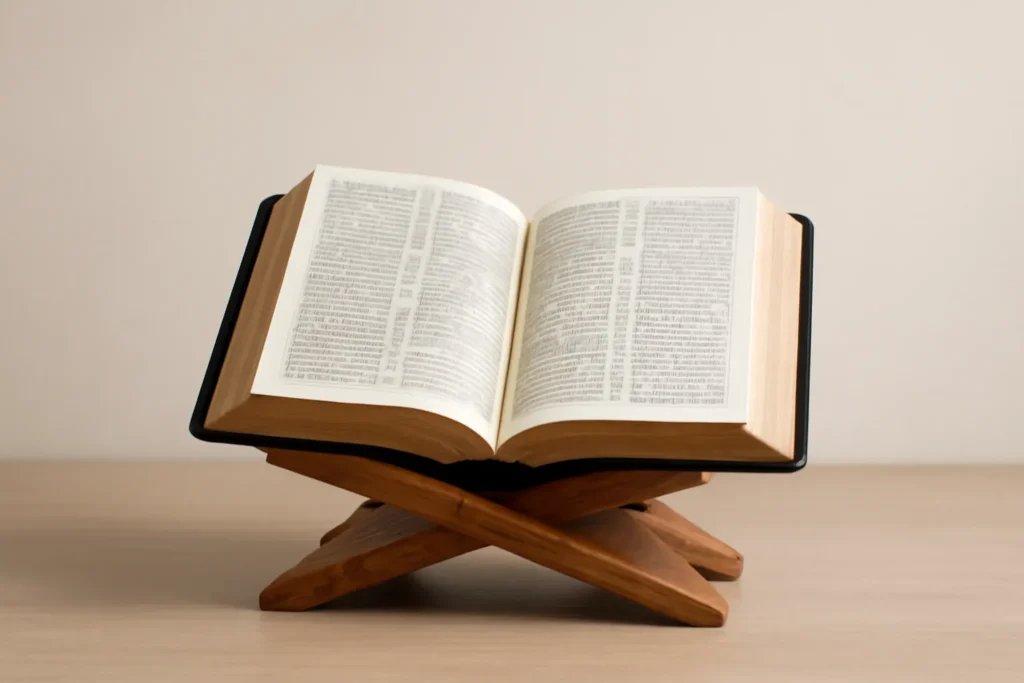
A bible stand is more than a simple piece of furniture. It is a functional companion for study, worship, and personal devotion. Whether you are a pastor preparing a sermon, a student in a classroom, or a family member gathering for prayer at home, the right stand for your sacred text can improve readability, reduce strain, and extend the life of the book. The best bible easel, bible holder, or scripture stand blends form and function: it keeps the pages at a comfortable angle, supports the weight of large or heavy Bibles, and fits your space and aesthetic.
This guide explores the many ways to select the top Bible stand for your needs. You will find practical guidance on different types of stands, materials, features, and maintenance, along with tips on pairing your biblical manuscript with a complementary stand. By the end, you should feel confident about evaluating options and avoiding common buying mistakes.
Understanding the Role of a Bible Stand
A stand for scriptures serves several core purposes. It is:
Ergonomic: Correct tilt and height reduce neck, back, and eye strain during long readings.
Supportive: It cradles the pages or the cover, keeping the book open and preventing pages from warping or slipping.
Visible: It presents the sacred text at an accessible angle for communal reading or personal study.
Durable: A well-built base and frame resist tipping or bending under the weight of a large Bible.
Types of Bible stands vary, but they generally fall into two broad categories: desktop or table stands and floor or lectern-style stands. The desktop option is compact and portable, ideal for small spaces, desks, or between chairs. The floor model is larger, often adjustable in height, and designed to anchor in a pulpit, church table, or home altar.
Variations of Bible Stands
The market offers a wide array of designs. Understanding the variations helps you choose a stand that suits your setting, the size of your Bible, and your personal preferences.
Desktop stands are lightweight, portable, and space-efficient. They work well for personal study at a desk or on a coffee table.
Floor stands are taller and more substantial. They can double as a lectern for small gatherings and are typically sturdier for large, heavy Bibles.
Adjustable vs Fixed
Adjustable stands let you change the angle, height, and sometimes depth to accommodate reading distance and posture.
Fixed stands offer a simple, sturdy platform with fewer moving parts and less that can wear out over time.
Portable vs Heavy-Duty
Portable stands are designed with collapsible joints, carrying cases, or lightweight materials for travel or classroom use.
Heavy-duty stands prioritize stability and long-term durability, often featuring solid wood, cast metal, or reinforced frames suitable for frequent, demanding use.
Material and Craft
Wood (solid oak, maple, walnut) offers warmth and visual appeal, especially in home libraries or traditional churches.
Metal (steel, wrought iron) provides strength and a modern appearance, with good load-bearing capacity.
Composite and plastic blends are lightweight and budget-friendly, with better moisture resistance.
Specialized Stands
Pulpit-style stands are taller and sturdy, designed for sermons in larger spaces.
Adjustable height stands cater to multiple users or a range of reading setups in classrooms or family rooms.
Articulating stands offer multiple joints for precise positioning of pages, beneficial for thick study Bibles or prayer books.
How to Choose the Best Bible Stand
The selection process hinges on aligning the stand with how you intend to use it. Here are a series of questions and criteria to guide your decision.
Consider Your Setting
Home study often favors a compact desktop model that fits a desk or bedside table without dominating the room.
Church or chapel usage may require a floor-standing or pulpit-style device, designed for multiple readers and long services.
Classroom or library settings benefit from adjustable stands that can accommodate students of varying heights and different Bible sizes.
Reading Angle and Accessibility
The primary ergonomic goal is a comfortable reading angle that keeps the text at an eye-friendly distance. Look for:
Tilt range that covers both shallow angles for thin pages and steeper angles for thick Bibles.
Easy-adjustment mechanisms such as tilt locks or friction hinges that don’t require excessive force.
Clear page stability to minimize page flutter or inadvertent movement during reading.
Height, Tilt, and Stability
Stand height should align with your seating position. If you read standing occasionally, a taller range is helpful. Stability matters more than looks; consider:
Stable bases with wide feet or weighted cores to resist tipping.
Locking mechanisms on legs or joints to prevent unintended movement.
Non-slip feet to protect floors and keep the stand stationary on various surfaces.
Material Considerations
The material influences durability, weight, aesthetics, and maintenance. Important factors include:
Weight capacity relative to your Bible’s size and binding.
Moisture resistance for humid environments or near windows.
Finish durability and ease of cleaning, especially in busy public spaces.
Style and Aesthetic
A stand should harmonize with the room’s interior. Options range from the timeless warmth of real wood to the sleek practicality of metal. Consider these questions:
Does the stand complement existing furniture, or should it stand out as a feature?
Is the design appropriate for worship spaces or purely for study?
Do you prefer a coordinated color or a stand with a natural wood grain that ages gracefully?
Extra Features Worth Considering
Some stands include features that improve usability or protect the Bible. Consider:
Page holders or book clips to keep pages from turning unintentionally.
Carrying handles or soft cases for portability.
Integrated lighting for low-light environments, especially in evening services or study sessions.
Accessibility cutouts or lip edges that accommodate large print editions or unusual bindings.
Matching the Bible to the Stand
The relationship between the sacred text and the stand matters. A good match improves readability and extends the life of the Bible. Here are practical considerations.
A Bible with many pages can become unwieldy. Features to look for include:
Edge supports or lip barriers that keep pages upright even when the stand is jostled.
Non-slip page mats to reduce page flutter.
Durable hinges or joints that tolerate frequent opening and closing.
Design and Function Alignment
The stand should enable the reader or presenter to engage with the text comfortably. Think about:
Angle consistency to prevent repetitive strain injuries over long sessions.
Page access—whether you need to flip pages easily or keep the page open with minimal effort.
Teak, oak, maple finishes that resist staining and facilitate easy cleaning for daily use.
Care, Maintenance, and Longevity
Keeping your bible stand in good condition ensures safe use and preserves its value. Regular care reduces wear and extends service life.
Cleaning and Protection
Wipe wooden surfaces with a soft, dry cloth. For stubborn spots, use a mild wood cleaner following the manufacturer’s directions.
Clean metal parts with a damp cloth and dry immediately to prevent corrosion or rust.
Avoid harsh chemicals that might damage coatings or finishes.
Inspection and Tightening
Periodically inspect joints, screws, and locks. A loose joint can compromise safety and damage the Bible. Steps include:
Check screws for tightness and re-tighten to the recommended torque if needed.
Lubricate moving parts with appropriate lubricants, following the supplier’s guidelines.
Look for wobble and correct it by adjusting feet or adding stabilizers if the design allows.
Storage and Environment
Store the stand in a dry, ventilated area away from direct sunlight. Excessive sun exposure can fade finishes or dry wood, while humidity can cause warping in wooden components.
Budgeting, Value, and Warranties
A thoughtful purchase balances budget with durability and function. Here are guidelines to help you assess value.
Price Ranges and What They Reflect
Budget (low to mid) options often use composite materials or light metal and may lack long-term durability but are suitable for light use and occasional gatherings.
Mid-range stands typically feature a mix of solid wood or higher-grade metal with better stability and adjustable functions.
Premium stands are built with solid hardwoods or full-metal constructions, advanced adjustment systems, and sometimes custom finishes or lifetime warranties.
Warranty and After-Sales Support
A solid warranty protects your investment. Look for:
Longer warranty periods on mechanical parts, hinges, and frame integrity.
Clear return policies and responsive customer service for replacements.
Availability of spare parts like screws, knobs, or clips in case of wear or loss.
Second-Hand and Refurbished Options
If you are considering used stands, verify structural integrity, removed corrosion, and absence of cracks. Ask about history, previous ownership, and any repairs. A well-maintained second-hand option can offer substantial value but should be inspected in person if possible.
Careful Buying: Common Mistakes to Avoid
Even experienced buyers make missteps. Being aware of these pitfalls can save time and money.
Focusing only on appearance rather than function. A pretty stand that is uncomfortable to use loses value over time.
Ignoring weight and size compatibility with your Bible. A large, heavy edition on a tiny stand is a recipe for tipping and damage.
Neglecting adjustability for height or angle. Without flexibility, the stand may not fit all readers or seating arrangements.
Overlooking room constraints such as ceiling height or doorways when choosing a floor stand for environments with tight passageways.
Underestimating maintenance needs or choosing a stand with components that wear out quickly.
It helps to imagine concrete settings to see how the options translate into real-world benefits.
Home Library and Reading Nook
A compact desktop stand with a gentle tilt is often perfect for daily devotionals and personal study.
Consider a stand with adjustable height to accommodate different seating cushions or chairs.
Church or Worship Service
A floor-standing pulpit-style or a tall lectern model supports congregational reading and can double as a sermon aid.
Weightier materials and a broad base provide stability during movements in the service.
Classroom or Academic Setting
Flexibility is key. An adjustable, portable stand helps accommodate students of various heights and makes the teacher’s task easier.
Durable construction with minimal maintenance reduces downtime between classes.
Conclusion: The Right Bible Stand Enhances Every Reading Moment
The right bible stand is an investment in comfort, focus, and the longevity of the sacred text. By assessing your setting, preferred adjustability, size compatibility, and budget, you can select a stand that not only supports clear reading but also complements your space and daily routines. Remember to consider the ergonomics of your posture, the stability of the base, and the material quality of the frame. A well-chosen scripture stand becomes a trusted partner in study, prayer, and public worship—helping you explore the Bible and related scriptures with greater ease and reverence.
Whether you call it a scripture stand, a bible easel, or a book stand, the best choice is one that serves your needs now and remains dependable for years to come. With thoughtful research and careful evaluation of your space, you can find a model that offers enduring value, practical features, and a timeless aesthetic.
If you’d like, I can tailor this guide to your specific Bible size, room dimensions, and preferred style, helping you assemble a shortlist of models that fit your exact requirements.




Leave a Reply