How to Hold Bible Properly: A Practical Guide to Handling the Bible with Respect
How to Hold Bible Properly: A Practical Guide to Handling the Bible with Respect
Holding the Bible properly is more than a routine gesture; it is a practice that communicates respect for a book that holds personal devotion, historical significance, and spiritual authority for many people. Whether you are a student of Scripture, a worship leader, a parent guiding a child, or a casual reader, understanding how to handle the Bible with care can protect its physical integrity and deepen your engagement with its contents. This practical guide offers concrete steps, tips, and best practices for holding the Bible in a way that is comfortable, respectful, and sustainable across different contexts.
The physical Bible is more than a container for words; it is a crafted object that has endured through centuries of copying, binding, and use. Proper handling helps preserve the text for future generations and shows consideration for fellow readers who rely on the same copy. Carrying, turning, and resting the Bible with care minimizes wear on the binding, pages, and cover, and it reduces the risk of damage to delicate paper, ink, or gilding. When you hold the Bible with intentionality, you also model attentiveness to the sacredness many readers attribute to the text.
Clean hands and a clean workspace help protect the pages from oils, dirt, and moisture.
Support and balance are essential—distribute the book’s weight evenly to avoid straining the spine.
Gentle turning of pages prevents tearing and fraying, especially on older or delicate Bibles.
Protection from elements—keep the Bible away from direct sun, humidity, and extreme temperatures.
Respectful presentation—in worship or study settings, hold the Bible in a way that signals reverence without impeding readability.
Techniques for holding the Bible in different contexts
At home for personal reading
Choose a comfortable seating position where the Bible can rest on your lap or a sturdy surface. If you read on a couch or bed, use a lap-friendly Bible hold that keeps the spine supported and the pages flat.
Cradle the Bible with both hands when opening it. Place one hand on the spine or edge of the cover while the other supports the bottom edge. This helps prevent the book from slipping or bending unnaturally.
Use a bookmark or ribbon to mark your place instead of folding pages. If your Bible doesn’t have built-in ribbons, consider a parchment marker or a slim bit of ribbon kept with the book.
When reading the Bible, keep the text at a comfortable angle to avoid straining your wrists. A slight tilt can reduce fatigue during long sessions.
Avoid eating or drinking while holding the Bible to prevent stains or spills that can damage the pages or cover over time.
In a worship setting or Bible study group
Hold the Bible with a dignified posture—standing it upright on a lectern or placing it securely on a stand can project respect and aid visibility for others.
When turning pages aloud, use a slow, deliberate motion. Let the page rest flat for a moment to minimize tearing, especially if you are reading from a fragile or antique edition.
If you carry a study Bible or a large format edition, support it with both hands near the center of gravity. For very heavy volumes, consider using a bible stand or a table edge to avoid excessive strain.
Maintain a quiet, orderly handling protocol—avoid juggling the book, tapping pages, or fidgeting, which can distract the group and wear the binding over time.
During travel or on the go
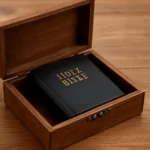
Choose a compact or leather-bound edition that fits your travel needs and is less prone to accidental damage. A protective sleeve or case helps prevent scuffs.
When carrying the Bible, grip it securely with both hands and, if possible, cradle it near the chest to cushion against bumps or jostling during transit.
Avoid placing the Bible where heat, moisture, or direct sunlight can warp the pages or fade the print. A padded bag or compartment is ideal for keeping it safe during movement.
For quick reference, use indexes, ribbons, and tabs to navigate, rather than repeatedly flipping from front to back, which can strain the spine.
Handling different parts of the Bible: cover, spine, and pages
The structural components of a Bible deserve attention in order to hold it properly for long periods. Each area has unique considerations:
Cover protection—whether it is leather, calfskin, cloth, or synthetic, the cover should provide a sturdy grip while allowing comfortable opening. Avoid gripping the cover too tightly in a way that splits the corners or distorts the shape.
Spine and binding—support the spine when opening wide passages to prevent cracking or loosening of the binding. If you notice a crack forming, consider gentle support with a second hand or a bookmark to distribute tension.
Pages—turn pages slowly, using the pad of your finger or a soft bookmark to avoid tearing. On older Bibles, oils from fingers can cause foxing or staining; clean hands help.
Dinging and edge wear—avoid bending pages at the very corners; instead, use a flat surface and press along the edge to guide a page, reducing edge wear over time.
Practical tips for turning pages and keeping the Bible intact
Always support the page you are turning with the other hand and avoid gripping the page from the middle. This safe turning technique reduces the risk of tearing.
When using a bookmarker, place it between the pages rather than folding the page corner. If you don’t have a bookmark, a thin piece of ribbon or a paper strip works well.
Use both hands to open the Bible to a passage, especially if you are reading aloud or sharing a verse with others. Keep the spine aligned and avoid forcing the book to lie flat beyond what the binding can comfortably handle.
Protect margins and gilding—avoid writing in margins or making annotations on the pages if the edition is intended for church use or public display. When you do annotate, note-taking on a separate journal can keep the Bible pristine.
In libraries, classrooms, or houses of worship, follow the institution’s policies for handling sacred texts. Treat the Bible as rare or valuable material even if it is in a mass-produced edition.
Care and preservation for older or fragile Bibles
Older Bibles, especially those with leather bindings, paper that has become brittle, or gilt-edged pages, require extra tenderness. Here are practices to preserve antique or fragile editions:
Store in a stable environment with moderate humidity (roughly 40–60%) and away from direct sunlight to prevent fading and warping. Excessive heat can dry out bindings, while humidity can promote mold.
Use acid-free tissue paper to interleave pages that are prone to sticking or to separate pages that have begun to fuse together due to age.
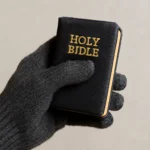
Handle with clean, dry hands or wear cotton gloves when necessary to minimize oils on delicate pages. Avoid lotions or creams that transfer to paper.
Consult a professional conservator for any signs of binding weakness, cracks in the spine, or pages that are loosening. Early intervention can prevent irreversible damage.
Regular light cleaning with a soft brush or cloth can help maintain the surface without abrading ink or gilded edges.
Handling large or heavy Bibles
Some Bibles are intentionally large for study or display. The weight and size necessitate special holding strategies:
Use a two-handed grip with hands positioned near the center of gravity of the book. For very large editions, a stand or table can reduce strain.
When opening large volumes, lift the cover with the base of your palm and keep the other hand free to support the pages as you turn them.
Consider a padded sling or strap designed for large Bibles if you carry the book regularly. This distributes weight more evenly and reduces fatigue.
On public occasions, place the Bible on a lectern or kneeler rather than balancing it on a knee or forearm, which can lead to misalignment or a dropped volume.
Maintaining dignity in a digital age: print vs. electronic Bibles
In the era of digital versions, many people still hold the Bible in print for tactile and ceremonial reasons. When using digital formats, you can still cultivate a respectful attitude toward the text:
Even with a digital Bible, treat the device with care—keep it clean, avoid bending the screen, and use a protective sleeve when transporting.
In group settings, be mindful of glare on screens and adjust lighting so that you can read clearly without straining your eyes or diminishing others’ ability to follow along.
When referencing a passage on a screen during worship or teaching, keep the device stable with a stand or table, and avoid scrolling in ways that distract listeners or participants.
Respect the text by avoiding cosmetic changes to the display (such as altering font size in a way that obscures the exact wording) in contexts where accuracy matters, such as study or引用 sessions.
Practical etiquette for handling the Bible in different faith traditions
The ways of holding and using the Bible can vary by tradition, but the underlying respect remains consistent. In many circles, the steps below help create a shared sense of sacredness:
When presenting the Bible to someone else, offer it with the cover facing upward and open slightly toward the person, as a gesture of welcome and respect.
If you are handling the Bible for someone else, support the volume to ensure it does not slip from their hands or land on the floor.
Avoid placing the Bible in compromising situations (on the floor, under heavy objects, or in dirty environments). The aim is to maintain a dignified, clean, and safe space for the text.
In a classroom or study setting, use a common expectation of how to hold the Bible to minimize disruption and maintain a respectful atmosphere.
What to do when you need to flip pages quickly
There are moments in study or teaching when fast navigation is necessary. Even then, you can maintain care and avoid damage:
Keep one hand supporting the spine while the other gently flips pages. This balanced approach reduces stress on the binding.
Use a soft page-turning method rather than snapping pages or forceful turning. It preserves both the text and the integrity of the edition.
For rapid referencing, practice with a spare sheet or a temporary bookmark to prevent repeated bending of the same page edges.
Tips for marking and annotation while preserving the text
Use a separate notebook or sticky notes to capture insights, cross-references, and questions rather than marking directly in a fragile or communal edition.
If you do annotate in a personal copy, use pencil markings or light ink that can be erased without damaging the page or bleeding through.
Avoid heavy lines, ornate margins, or sticky tabs that can cause pages to warp or detach over time.
When lending a Bible, consider providing your own annotation key to explain the marks so the owner remains comfortable with the text’s presentation.
Handling the Bible respectfully in youth education
For younger readers, modeling proper handling habits is essential. Here are practical approaches:
Demonstrate holding the Bible with two hands, supporting the cover and the spine while turning pages slowly.
Provide child-friendly tools like a bookmark or a lightweight edition that is easier for little hands to manage.
Encourage a sense of reverence by placing the Bible on a designated shelf or table when not in use and avoiding rough play around the book.
Conclusion: a practical cadence for respectful handling
Holding the Bible with care is a discipline that blends physical technique with reverence for the text’s significance. Across homes, classrooms, worship spaces, and libraries, the ways you handle the Bible reflect a commitment to preservation, readability, and shared respect for a document that has touched countless lives. By applying the practical guidelines outlined above—keeping clean hands, supporting the spine, turning pages gently, using bookmarks, and protecting the book from harm—you can ensure that your Bible remains in good condition for years to come. Remember that the simplest acts of care, such as placing the book on a stand during readings, turning pages slowly, and marking passages with discretion, contribute to a culture of respect and responsible stewardship. Whether you refer to it as the Bible, scripture, the Book, or the Sacred Text, the way you hold it matters—a small but meaningful gesture that honors the words and the community that holds them dear.










Leave a Reply