Bible Animation Movies: The Ultimate Guide to Top Animated Bible Films
Bible Animation Movies: The Ultimate Guide to Top Animated Bible Films
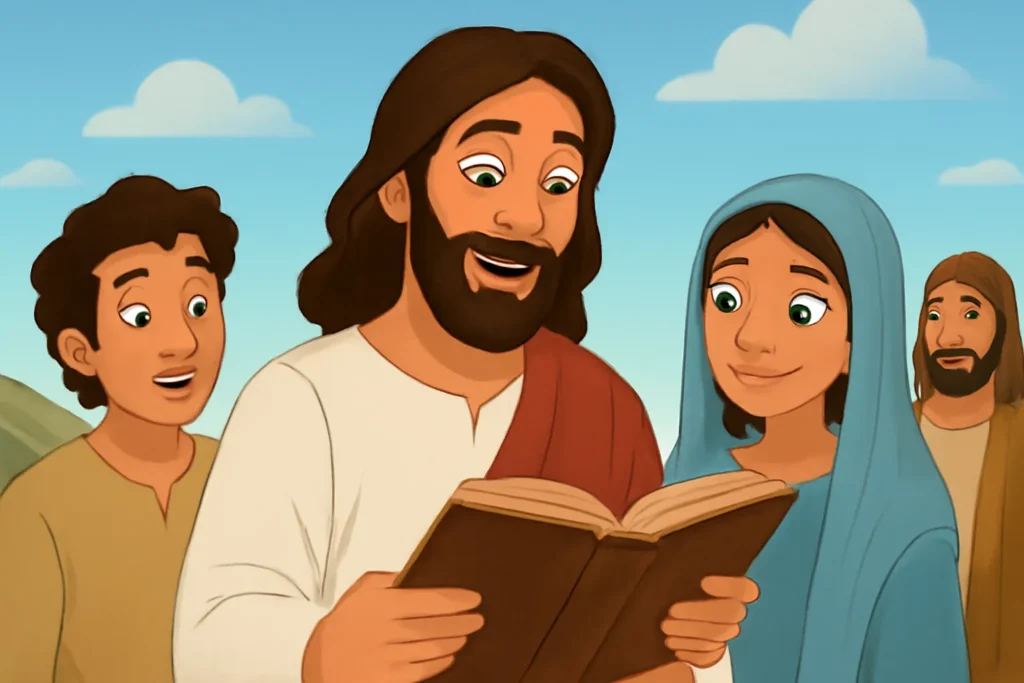
Bible animation movies offer a unique way to engage with ancient narratives through vibrant visuals, memorable music, and kid-friendly storytelling. This guide explores bible animation movies as a distinct genre within both faith-based cinema and the broader world of animated storytelling. We’ll highlight notable titles, compare different animation styles, discuss how these films balance biblical accuracy with dramatic interpretation, and provide practical advice for families, educators, and churches seeking meaningful cinematic experiences.
Unlike traditional live-action biblical features, bible animation films rely on visual metaphor, rhythmic pacing, and musical storytelling to translate sacred texts into a cinematic language that resonates with contemporary audiences. They often aim to:
Present core biblical themes—faith, obedience, deliverance, mercy, justice—in a way that is accessible to children and adults alike.
Offer a balance between storytelling fidelity and broad audience appeal, occasionally adapting scenes for cinematic impact or to suit a family-friendly rating.
Highlight characters’ inner journeys and moral choices through character-driven arcs, dramatic tension, and symbol-rich visuals.
Employ diverse animation techniques—from traditional 2D drawings and hand-painted cells to modern computer-generated imagery (CGI) and hybrid approaches—so the medium itself becomes part of the storytelling texture.
Serve as educational resources for Sunday schools, homeschool curricula, and church youth programs, often accompanied by discussion guides and activity prompts.
Historical development and formats
The history of bible animation reflects broader shifts in animation technology and religious media markets. Early experiments leaned on traditional 2D animation and illustrative storytelling, sometimes with a devotional or evangelistic aim. Over time, several studios embraced the medium as a way to reach families with high-quality, cinematic experiences rooted in biblical narratives. Key format variations include:
Theatrical releases featuring a major studio’s production and distribution, often with an emphasis on spectacular musical numbers and broad appeal.
Direct-to-video (or streaming) titles that can explore more niche stories or verticals within the biblical canon, typically with a smaller budget but creative freedom.
TV specials and miniseries that repackage or expand biblical stories into episodic formats, ideal for classroom use and family viewing.
Animated retellings and parables inspired by biblical themes, using allegory to present timeless lessons in approachable ways.
Top animated bible films: an overview
Below are several titles frequently regarded as milestones in the genre. Each entry covers what makes the film notable, its target audience, and the storytelling elements that distinguish it within the broader field of bible animation.
The Prince of Egypt stands as one of the most influential bible animation films of the modern era. Produced by DreamWorks Animation, this feature-length musical retelling of the Exodus story offers a sweeping epic that blends grand storytelling with heartfelt character development. Its animation combines lush CG landscapes with painterly textures that evoke ancient Egypt and the wandering wilderness. The film’s narrative centers on Moses’ rise, his calling at the burning bush, the plagues, the parting of the Red Sea, and the journey to freedom for the Israelites.
Animation style: A high-quality blend of CGI backgrounds and character animation that conveys scale and intimacy alike. The result is visually cinematic and emotionally immediate.
Musical storytelling: Songs and musical motifs drive the emotional arc, with numbers that underscore courage, doubt, and redemption. The Oscar-nominated score helps elevate the material beyond straightforward adaptation.
Thematic depth: The film explores faith under pressure, leadership, and the tension between divine instruction and human hesitation, making it suitable for older children and adults as well as families.
Impact and reception: Widely praised for its ambition, it became a touchstone for faith-based animation and a gateway film that introduced many viewers to biblically rooted cinema on a grand scale.
Educational takeaway: The Prince of Egypt demonstrates how mythic scale and intimate character moments can coexist in a Bible-based story, inviting discussion about vocation, obedience, and faith in leadership.
Joseph: King of Dreams (2000)
Joseph: King of Dreams is a direct-to-video follow-up to the Prince of Egypt, offering a tighter, Genesis-centered narrative focused on Joseph’s arc from favored son to powerful dream-interpreter in Egypt. Although produced with a smaller budget than its theatrical predecessor, the film continues DreamWorks’ tradition of strong character writing and music-driven storytelling.
Format: Direct-to-video with a concise runtime that makes it accessible for family viewing and classroom sessions.
Musical elements: The score and songs emphasize Joseph’s faith, resilience, and leadership, providing teachable moments about perseverance in adversity.
Educational value: The story lends itself to discussions about forgiveness, reconciliation within families, and the moral complexities of power and integrity.
Stylistic approach: While stylistically related to The Prince of Egypt, it embraces its own visual language, suited for younger or more budget-conscious productions without sacrificing narrative depth.
Educational takeaway: Joseph’s narrative is a natural vehicle for examining how dreams and interpretations intersect with divine sovereignty, and how personal enmity can pivot toward communal restoration.
Jonah: A VeggieTales Movie (2002)
From a very different corner of the animation world comes Jonah: A VeggieTales Movie, an adaptation of the biblical story rendered through the beloved VeggieTales persona—the talking vegetables. This film blends humor, witty dialogue, and family-friendly moral lessons with a clear biblical reference frame, making it an accessible entry point for younger audiences as well as a source of discussion for parents and educators.
Animation style: 2D animation with a lighthearted, cartoonish aesthetic that invites kids to engage with the story in a non-threatening way.
Approach to scripture: The film balances faithful elements (Jonah’s disobedience, the storm, the plea for mercy) with comedic embellishments that preserve the essential message without becoming didactic.
Educational value: It’s a natural choice for early childhood and elementary programs, offering built-in opportunities to discuss obedience, repentance, and mercy.
Audience: Primarily families with young children, but the humor and music have cross-generational appeal for broader church youth groups as well.
Educational takeaway: Jonah’s tale invites reflection on guilt, mercy, and divine forgiveness, with a gentle reminder that compassion can extend beyond comfort zones—a theme that resonates across many Bible stories.
The Star represents a newer strand of biblical animation by presenting a Christmas-origin story from the perspective of a donkey who witnesses the nativity. While it uses creative license and anthropomorphic humor, it centers on Gospel-era themes and the moral trajectory of friendship, courage, and faith in humble circumstances.
Tone and target: Light-hearted and family-friendly, with a focus on inclusivity and teamwork rather than heavy theology, making it accessible for younger viewers and church groups seeking a festive, wholesome option.
Animation approach: CGI animation with bright, appealing character design and kinetic humor designed for a broad audience.
Educational value: Useful for seasonal programming, song-based worship moments, and narrative prompts that connect modern life to biblical narrative sensibilities.
Educational takeaway: The Star demonstrates how biblical themes can be reframed within contemporary cultural formats (holiday cinema) to foster accessibility, conversation, and family bonding around the Christmas story.
Additional notable titles and the broader landscape
Beyond these flagship films, a broader ecosystem of bible animation includes:
Direct-to-video retellings of classic stories (David and Goliath, Daniel in the Lions’ Den, etc.) that offer compact, educationally friendly versions suitable for classroom use.
Animated parables and illustrated short films that explore moral and ethical questions inspired by biblical principles.
TV specials and series adaptations that retell or reinterpret biblical episodes in episodic formats, often designed for ongoing family and youth group use.
Educators and families should consider a mix of theatrical and smaller-scale animated works to diversify the learning experience. Each format brings its own strengths—grand cinematic ambition, or focused, quotable storytelling—while keeping the overarching aim: to illuminate biblical narratives through the power of animation.
How animation styles influence storytelling and reception
Different animation styles offer different lenses on biblical material. The Prince of Egypt uses lush, painterly CGI to convey epic grandeur; VeggieTales uses whimsical, character-driven humor to ease young viewers into serious topics. The Star bridges modern animation with a classic nativity message, showing how tone and humor can coexist with reverent storytelling.
2D traditional animation often emphasizes character performance, facial expressions, and timing, which helps convey emotional nuanced moments in biblical scenes.
3D CGI enables sweeping landscapes, lifelike movement, and dynamic action sequences—useful for depicting miracles, journeys, and large-scale events like the Red Sea crossing.
Hybrid approaches combine live-action elements with animation or mix different animation techniques to create a distinct visual texture that can attract both children and adults.
Musical integration is a defining feature of many biblically themed projects, with songs that support memory and engagement, often crafted to be sung in family gatherings or classroom settings.
Themes that recur across top titles
Despite stylistic differences, certain themes recur across the most acclaimed bible animation films. Recognizing these can help viewers select titles that align with educational goals or family values.
Deliverance and salvation: Stories like Moses’ leadership and the Exodus frame faith as a journey from oppression toward freedom and covenant relationship with God.
Faith under pressure: Characters are tested by doubt, fear, or external threats, offering a platform for discussing resilience, trust, and perseverance.
Forgiveness and reconciliation: Narratives about betrayal, misunderstanding, and mercy illustrate how repentance and reconciliation shape communal life.
Divine sovereignty: The sense that events unfold within a larger, purposeful plan fosters discussions about providence and human agency.
Obedience and vocation: How individuals respond to a call—whether Moses, Joseph, or other biblical figures—teaches about purpose, courage, and ethical decision-making.
Educational use and classroom integration
Educators and faith-based organizations often use animated biblical films as teaching tools. Here are practical ways to integrate these films into a learning plan:
Pre-viewing discussion: Introduce the historical context, key characters, and central questions. This primes students to notice themes and motifs during the film.
Post-viewing reflection: Engage with guided questions about character choices, plot turns, and moral implications. Encourage students to connect the story to Scripture passages or catechetical objectives.
Creative extensions: Have students create art, a short film, or a storyboard that retells a scene in their own words, reinforcing comprehension and empathy for the characters.
Comparative analysis: Compare two different animated treatments of the same biblical event to explore how style, tone, and emphasis shape interpretation.
Family study guides: Many titles come with or inspire discussion guides, activities, and song lyrics that support family learning time at home.
Accessibility, age appropriateness, and cultural perspectives
When selecting bible animation films for a given audience, consider age, maturity, and cultural context.:
Age-appropriate content: Some films emphasize epic conflict and intense moments; parents and educators should assess suitability for younger children and sensitive viewers.
Educational goals: Choose titles that align with the intended learning outcomes—biblical literacy, moral reasoning, or historical understanding.
Representation and interpretation: Animation styles and narrative choices reflect cultural perspectives. It can be valuable to discuss how different communities retell biblical stories and what aspects are emphasized or altered.
Choosing a title: a quick guide for families and educators
To help you select the most appropriate film for your needs, consider these criteria:
Narrative focus: Do you want a broad biblical epic (like Moses’ story) or a concentrated tale (such as Jonah or Joseph’s adventures)?
Visual preferences: Do you prefer lush CGI or charming 2D animation? The style can affect engagement and comprehension.
Musical element: Are songs a plus for your group, or do you want a more dialogue-driven experience?
Educational alignment: Is the film meant to support a specific lesson or theme, such as forgiveness or leadership?
Age range: Are you targeting families with young children, or a broader audience including teens and adults?
FAQs about bible animation movies
Are all bible animation films strictly faithful to Scripture? No. Many films take artistic license to streamline plots, add musical elements, or emphasize themes. They can still convey core messages while offering room for discussion about interpretation and faith perspectives.
Which titles are most suitable for church use? Titles with clear moral lessons, age-appropriate content, and available discussion guides tend to be best suited for Sunday school and youth group settings.
What are common criticisms of bible animation? Critics sometimes point to simplified theological perspectives, condensed narratives, or commercialized tropes. Proponents argue that these films make biblically informed storytelling accessible to a broad audience and can spark meaningful conversations.
Where can I watch these films? Many are available on streaming platforms, DVD/Blu-ray releases, and library collections. Availability varies by region and service, so check your local providers and school media libraries.
Over the years, top-tier animated biblical features have played a significant role in shaping how audiences encounter sacred stories. They have contributed to a broader conversation about how biblical narratives can be rendered in a cinematic language without losing their spiritual resonance. The best-known titles have achieved cross-demographic appeal, inviting secular viewers and families of diverse backgrounds to engage with biblical motifs in accessible, entertaining forms. As animation technology evolves, the potential for even more immersive, culturally resonant biblical storytelling grows, offering new opportunities for education, worship, and community dialogue.
Final thoughts: making the most of biblical animation films
For readers seeking an ultimate guide to top animated Bible films, the key is balance. Look for works that combine strong storytelling, compelling visuals, and a thoughtful approach to biblical material. Whether you choose a grand epic like The Prince of Egypt, a compact direct-to-video journey like Joseph: King of Dreams, or a family-friendly VeggieTales adventure like Jonah, you can find narratives that illuminate faith, courage, and compassion without compromising the integrity of the material. Use these films as entry points for dialogue—within families, classrooms, and faith communities—to explore questions about belief, identity, and responsibility that resonate far beyond the screen.
In closing, bible animation movies are a vibrant and evolving part of religious media. They blend art, music, and scripture to invite viewers into stories that have shaped cultures for millennia. As you explore the wide range of available titles, consider your goals, your audience, and the values you wish to emphasize. The right film can become a catalyst for learning, reflection, and spiritual growth, turning a cinematic experience into a meaningful, long-lasting conversation.










Leave a Reply