Introduction: Why a Bible Study on the Church Matters
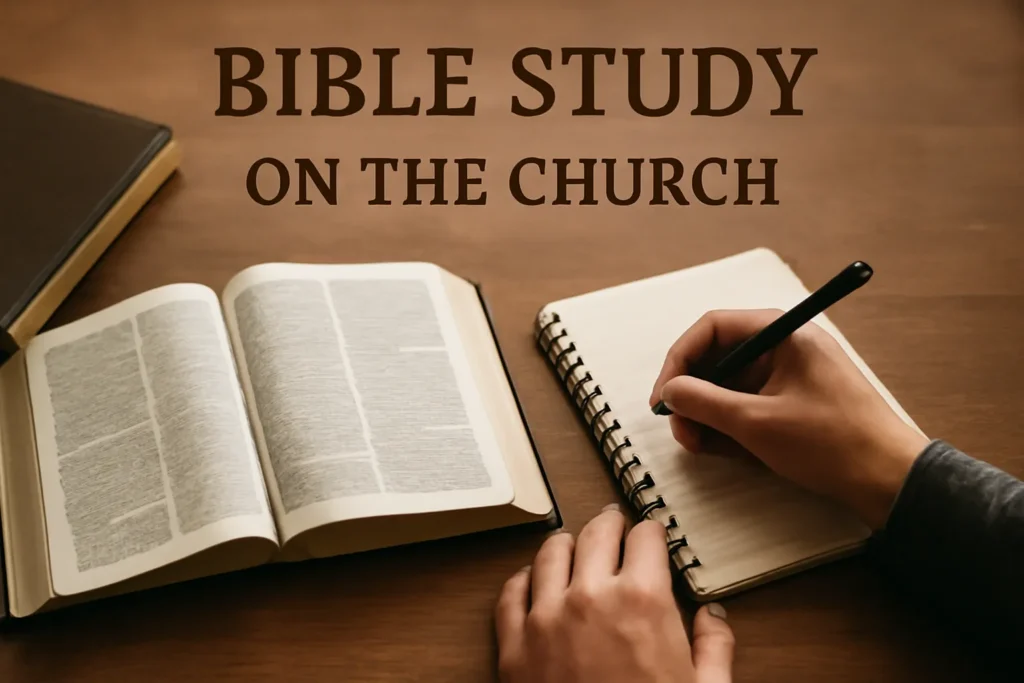
Believers across the ages have asked practical questions about the Church: What is it, why does it exist, and how should its members live out their faith together? A thoughtful bible study on the church moves beyond opinions and traditions to examine what Scripture reveals about the Church’s identity, purpose, and mission. When believers study the Church in the Bible, they encounter a living reality—the Body of Christ, the gathering where God’s people are called to worship, teach, share, and extend mercy to the world. This practical guide presents a methodical approach to studying the Church in Scripture, with concrete steps, key passages, and actionable applications for personal growth and communal life.
The Church in Scripture: Foundations for a Practical Study
Any robust bible study on the church begins with a solid understanding of how Scripture itself describes the Church. In biblical terms, the Church is not merely an organization or a human institution; it is God’s people called and united by faith in Jesus Christ. This section outlines essential foundational concepts and provides a framework for approaching scriptural study with accuracy and humility.
What is the Church? A concise definition
Across the New Testament, the Church is portrayed as:
People of God gathered by the Spirit through faith in Christ.
Body of Christ with Christ as the head, each member contributing gifts for the common good.
Temple of the Holy Spirit where God dwells among his people.
Flock under a Shepherd led by pastors and elders who shepherd with love and truth.
Bride of Christ in a covenant relationship that calls for holiness and fidelity.
Two key branches of biblical ecclesiology
While Christians may emphasize different emphases, a balanced Bible study on the church often highlights two complementary streams:
The universal Church (the invisible, spiritual union of all believers in Christ across time and space).
The local church (a visible, concrete community of believers in a given place, gathered for worship, teaching, fellowship, and service).
Understanding these two dimensions helps prevent an overemphasis on one aspect at the expense of the other. A thoughtful approach to bible study on the church keeps both the universal and local realities in view, recognizing that the local church participates in the broader, transcendent plans of God.
Approaches to Studying the Church in Scripture
There are multiple ways to conduct a bible study on the church, and variation is healthy as long as it remains anchored in Scripture. The following approaches can be used alone or in combination to gain a richer understanding.
Verse-by-verse and topical blends
A practical approach blends careful exegesis of key passages with topical studies on ecclesial themes such as worship, discipleship, gospel proclamation, fellowship, and church discipline.
Historical-context inquiry
Studying the growth of the early Church, the letters of Paul, and the development of Christian practice helps a bible study on the church avoid anachronism. It clarifies how first-century contexts shaped theology and practice that remain relevant today.
Character and virtue orientation
Another fruitful angle is examining how the Church models and cultivates virtues such as humility, servanthood, mercy, and truth. This approach connects doctrine to daily living and ethical formation.
Practical Steps for Personal Bible Study on the Church
For believers who want to study the Church in Scripture in a practical, action-oriented way, the following steps provide a reliable workflow. Each step includes concrete actions you can take this week.
Prepare your heart and setting: create a quiet space, invite the Holy Spirit to guide interpretation, and set a clear focus on the topic of the Church.
Observe the text: read passages with attention to context, audience, and purpose. Note key terms such as “assembly,” “body,” “household,” “temple,” “kingdom,” and “mission.”
Interpret with humility: ask, “What did this mean for the original audience? What is the timeless truth for the Church today?”
Apply to life: translate insights into actions—changes in worship, community life, or service.
Pray and reflect: close with prayer for growth, unity, and courage to live out biblical truths in the Church.
Common study steps in practice
Identify a passage or theme such as the Body of Christ or church leadership.
Cross-reference with related scriptures to see how the theme develops across books.
Summarize the key message in one sentence—then expand into a paragraph of implications for your local church.
List practical applications you can implement in your church community this month.
Discuss your findings with a study partner or small group to gain accountability and additional perspectives.
Studying the Church in Community: Small Groups, Worship, and History
A robust bible study on the church is rarely only individual. The Church grows through communal engagement, mutual accountability, and shared mission. The following concepts highlight how community study deepens understanding and practice.
To study the Church well, you should engage a curated set of passages that illuminate essential truths. Below are recommended verses, each paired with a brief note on focus and application.
Matthew 16:18-19 — the foundation of the Church and the authority given to Peter; note the role of keys and binding and loosing, and the universal scope of the Church’s mission.
Acts 2:42-47 — a snapshot of early church life: teaching, fellowship, breaking of bread, and prayer; model for healthy local churches.
Romans 12:4-8 and 1 Corinthians 12:12-27 — the diversity of gifts within one Body and interdependence among members.
1 Corinthians 11-14 — order in worship, the proper use of spiritual gifts, and the exercise of prophecy and tongues in a way that builds up the church.
Ephesians 1-3 — the theological basis of the Church as a sovereign plan in Christ, including concepts of predestination, adoption, and the unity in Christ.
Ephesians 4:1-16 — the unity of the Spirit and the purpose of gifted leaders to equip the saints for ministry.
Colossians 1:18 — Christ as the Head, and the church as his body; the preeminence and sufficiency of Christ in all things.
Hebrews 10:24-25 — the importance of assembling together, encouraging one another toward love and good deeds.
1 Timothy 3:1-13 and Titus 1:5-9 — church leadership qualifications and governance structures.
1 Peter 2:4-5 and 1 Peter 4:7-11 — living stones, spiritual houses, and serving one another with gifts for God’s glory.
The Church in Metaphor: Images that Shape Our Understanding
Scripture uses vivid metaphors to describe the Church. These images help believers visualize how the church should function and relate to God, one another, and the world. A thoughtful bible study on the church considers the richness and limits of each metaphor.
Body of Christ — many members with diverse gifts, working in unity under the headship of Christ.
Temple of the Holy Spirit — God’s dwelling place on earth as a community of believers living transformed lives.
Flock and Shepherd — spiritual leadership that guides, protects, and serves the flock with integrity.
Household of God — Christians as family, living in mutual care, discipline, and hospitality.
Bride of Christ — a relationship marked by devotion, purity, and steadfast love for the Savior.
Worship, Sacraments, and Service: How the Church Practices Its Faith
A bible study on the church naturally turns to how the Church worships, administers the sacraments, and serves the world. These practices are not peripheral add-ons; they are central expressions of a living faith.
Worship as a communal act
Worship in the Church includes teaching, singing, prayer, and hearing the Word. It is both vertical (God is exalted) and horizontal (the gathered community is built up). Consider how your local church’s worship aligns with biblical patterns and how it might be enriched to cultivate a deeper sense of God’s glory and neighborly love.
Sacraments as visible signs of grace
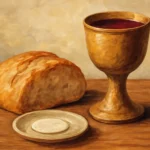
Most traditions observe sacraments such as baptism and the Lord’s Supper. In a bible study on the church, examine the biblical rationale for these practices, their theological significance, and their implications for church unity and personal faith.
Service and mission
The Church exists to bear witness to God’s kingdom. Examine scriptures about evangelism, justice, and mercy in order to align local church life with the mission of Christ. A practical study asks: How can the church locally embody compassionate outreach and globally participate in God’s redemptive work?
One of the most practical outcomes of a thorough bible study on the church is concrete application. Below are categories of change to consider, followed by actionable questions you can bring to your leadership or your small group.
Doctrine in daily life: How does our understanding of the Church shape our daily choices, conversations, and priorities?
Fellowship and accountability: What structures exist (or need to be created) to foster genuine koinonia, mutual care, and spiritual accountability?
Discipleship pathways: Are there clear steps for new believers to grow from faith to maturity (reading plan, mentoring, service opportunities)?
Leadership and governance: Do we have a healthy balance of authority, accountability, and servant leadership? How can we improve transparency and trust?
Worship vitality: Is our worship life coherent with our doctrine? Do our services cultivate reverence, anticipation, and heartfelt response?
Engagement with the world: Are we adequately equipped to share the Gospel with neighbors, coworkers, and across cultures?
Common Pitfalls in a Bible Study on the Church and How to Avoid Them
As with any serious study, certain pitfalls can distort understanding or hinder application. Recognizing these tendencies helps keep your study productive and faithful.
Over-emphasizing structure at the expense of relationship: The Church is not only an organization; it is a living community of people in relationship with God and one another.
Neglecting historical context: Without understanding the first-century context, it’s easy to misapply passages about leadership, worship, or discipline.
Reducing the Church to a club: The Church is called to mission, not merely fellowship for insiders. Always connect ecclesiology to outreach.
Selective scripture usage: Avoid cherry-picking verses. Seek coherence across the whole counsel of God about the Church.
Inflexible application: Be ready to adapt practices to local culture while remaining faithful to biblical principles.
Tools, Resources, and Practical Aids for Bible Study on the Church
Equipping yourself with the right tools can dramatically improve the quality of your study. Here are recommended resources and practical approaches to enhance your bible study on the church.
Study Bible with robust notes on ecclesiology, church history, and key passages related to the Church.
Commentaries focusing on the New Testament letters (especially Pauline epistles) and early Christian history.
Concordances and Bible atlases to understand places, people, and contexts mentioned in relevant passages.
Historical church documents and creeds for perspective on how Christians have understood the Church across ages.
Software tools or apps for word studies, cross-references, and note-taking to organize insights.
Study guides and curriculum from reputable teaching ministries to structure long-term study on the Church.
A Sample 12-Week Plan for a Bible Study on the Church
If you want a structured way to lead or participate in a study, this week-by-week plan offers a balanced exploration of biblical ecclesiology and practical application. Adjust the pace to your group or personal schedule.
Week 1: Define the Church—what do we mean by the Church in Scripture and in our tradition?
Week 2: The Universal Church — explore passages that emphasize the global and timeless nature of God’s people.
Week 3: The Local Church — study local church life in action, drawing on Acts 2 and 1 Corinthians 14.
Week 4: The Body of Christ — examine gifts and interdependence in 1 Corinthians 12 and Romans 12.
Week 5: Leadership and Authority — reflect on church governance and qualifications (1 Timothy 3, Titus 1).
Week 6: Worship and Sacraments — study the role of baptism and the Lord’s Supper.
Week 7: Discipline and Mercy — consider correction, restoration, and restorative practices in the Church.
Week 8: Mission and Witness — explore the Church’s calling to preach the Gospel and serve the poor.
Week 9: Unity and Diversity — reflect on how diverse gifts and backgrounds strengthen the Church.
Week 10: Hope in Glory — consider the Church’s future hope and endurance in a fallen world.
Week 11: Local Church Practice — audit your church’s practices against biblical principles and identify improvements.
Week 12: Personal Commitment — write a personal action plan to live out biblical truths about the Church in your daily life and community.
Conclusion: A Prayerful Commitment to Believers and the Church
A thoughtful bible study on the church is not merely an intellectual exercise; it is an invitation to encounter God through the living Word and to participate more fully in the mission and life of Christ’s Body. By grounding your study in Scripture, embracing the tension between the universal and local dimensions of the Church, and applying insights with humility and courage, you can cultivate a more robust faith and a more faithful church community. May your journey through the biblical teachings about the Church be marked by renewed worship, deeper fellowship, stronger discipleship, and a steadfast commitment to love your neighbor as yourself.
Final Encouragement: Ways to Grow a Lifelong Bible Study on the Church
Keep a journal of revelations about the Church as you read, study, and discuss.
Invite diverse voices—from different generations, backgrounds, and church traditions—to enrich the conversation.
Practice monthly reviews of how your study has impacted your personal life and your church’s shared life.
Make space for prayer, confession, and accountability as you apply biblical truths to church life.






Leave a Reply