Understanding the Core Idea: What does sowing and reaping mean in the Bible?
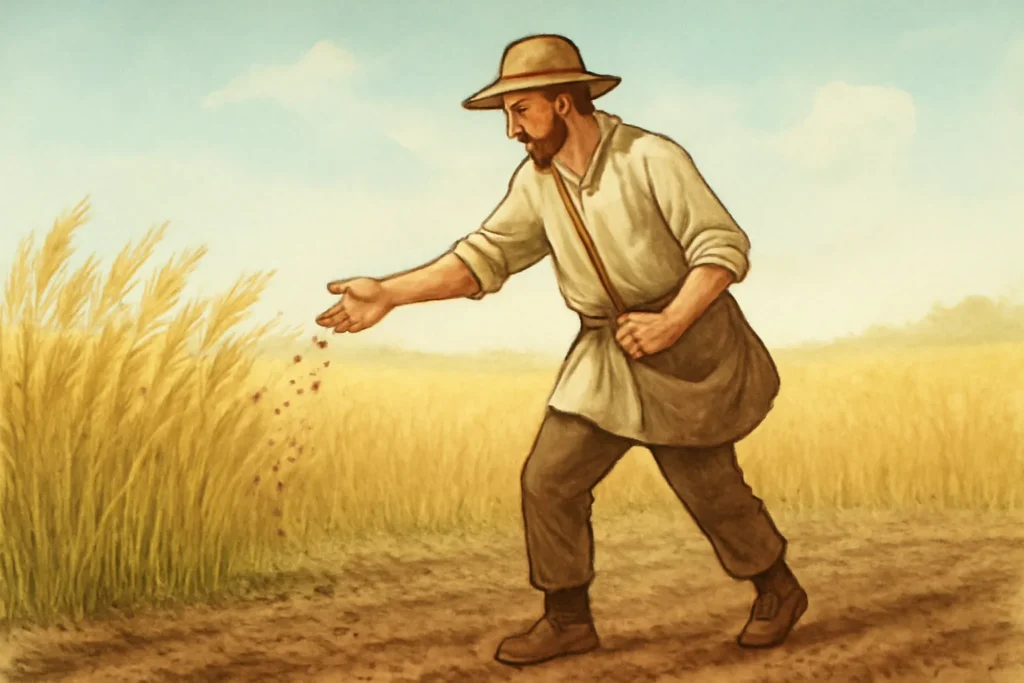
In biblical language, sowing is the act of placing something of value into the earth, the heart, or daily life, with the expectation that it will mature into a future harvest. The companion concept, reaping, is the return or consequence that follows from what was sown. This is not purely a natural farming metaphor; it is a spiritual law describing how God designed the world to respond to human actions, motives, and commitments. The phrase appears in several biblical contexts, from agricultural imagery in Jesus’ parables to exhortations from Paul about generosity and integrity. The idea is compact, yet rich: what you invest—your time, your prayers, your love, your labor—becomes the material of your future outcomes. The verse often summarized as “you reap what you sow” captures a broad biblical principle: cause and effect in God’s economy.
To grasp this principle deeply, it helps to recognize a few shifts in the language that appear across Scripture. Some speak of seedtime and harvest, a phrase that evokes a rhythm—planting, patient waiting, and eventual fruit. Others speak of seedling faith, where a small act of obedience becomes the root that grows into a harvest of blessing. And in the New Testament, the law of sowing and reaping is connected not only to moral behavior but to the generosity of the heart and the posture one brings to God—whether it is the fleshly impulse or the Spirit-led life that directs one’s seeds.
Biblical Foundations: Key passages on sowing and reaping
“Do not be deceived: God cannot be mocked. A man reaps what he sows.”
This succinct statement from Galatians 6:7 anchors the core of the law of sowing and reaping. It asserts that God’s moral order cannot be manipulated by clever speech or surface appearances. The following verse clarifies a complementary dichotomy: “Whoever sows to please their flesh, from the flesh will reap destruction; whoever sows to please the Spirit, from the Spirit will reap eternal life.” (Galatians 6:8). Taken together, these verses present a concrete choice: the direction of one’s seeds—whether to the flesh or to the Spirit—shapes the kind of harvest one experiences.
“Sow righteousness for yourselves, reap the fruit of unfailing love.”
In Hosea 10:12, the instruction shifts toward character formation and the intentional cultivation of virtue. The prophet invites readers to lay down a course of living that produces a dependable harvest of moral and relational good. “Sow righteousness for yourselves”—a deliberate, disciplined practice—“reap the fruit of unfailing love.” The verse links moral decisions with relational blessing, affirming that the soil of our conduct yields a predictable return in trust, mercy, and covenant faithfulness.
Generosity and cheerful giving: “Whoever sows sparingly will also reap sparingly.”
The apostle Paul expands the sowing-and-reaping language into the realm of stewardship and community life in 2 Corinthians 9:6-7. “Whoever sows sparingly will also reap sparingly, and whoever sows generously will reap generously.” The motivation matters as well: “God loves a cheerful giver.” This passage reframes sowing as a voluntary act that aligns the giver’s heart with God’s values. The harvest, in this case, includes not only material abundance but the joy of partnering with God in blessing others.
The Parable of the Sower and the Word
In the parable of the sower (Luke 8:4-15), Jesus ties sowing to reception of the Word of God. The seed represents God’s message, and the soil represents the heart’s condition. The harvest is measured in faith, endurance, and fruitfulness in life that responds to God’s truth. The passage emphasizes that seeds sown in good soil yield a multiplicative harvest: a life that hears, believes, and bears fruit remains productive under pressure and persecution.
James 5:7-8 turns the focus to endurance: the farmer waits for the land to yield its valuable crop, waiting for the autumn and spring rains. This text reframes sowing as a long-game discipline—trusting God’s timing, cultivating perseverance, and not rushing results. The harvest comes as a result of patient obedience and consistent faithfulness in the ordinary days while awaiting the Lord’s appearing.
Wind and whirlwind: prophetic warning and consequence
Hosea 8:7 (often quoted as “They sow the wind and reap the whirlwind”) presents a warning about sowing in ways that magnify pride, exploitation, or injustice. The harvest then becomes not a blessing but a consequence, a reminder that actions in God’s moral order carry weight beyond the moment. This verse cautions readers to choose seeds that build people up rather than sowing harm that inevitably returns as harm.
The meaning, promises, and practical lessons of sowing and reaping
The meaning: seeds, soil, and seasons
At its core, sowing and reaping is about aligning one’s life with the patterns God designed for growth. Seeds are not magical; they are intentional acts—prayer, generosity, service, forgiveness, obedience, study, and time invested in the welfare of others. The soil is the heart, relationships, institutions, and the world around us. The season is the timing of God’s response, which may include preparation periods, testing, or immediate fruit. Understanding this triad helps believers cultivate a lifestyle that anticipates God’s provision without demanding a specific timetable.
The promises: God’s faithfulness, multiplied harvests, and eternal outcomes
Several biblical promises accompany the principle of sowing and reaping:
God cannot be mocked—the basic guarantee that God honors the moral order he established.
Generosity returns generosity—the more we invest in others, the more abundant the return in blessing, community strength, and spiritual reward.
Righteousness reaps love—cultivating a life of integrity yields deep relational trust and divine favor.
Seedtime and harvest extend beyond material goods—spiritual disciplines yield fruit: faith, peace, patience, and hope.
Promises of eternal perspective—sowing to the Spirit yields eternal life, even as present-day challenges endure.
Practical lessons: transforming belief into action
Putting the law of sowing and reaping into daily life involves concrete steps and commitments. The following practical lessons translate biblical principles into actionable habits:
Choose your seeds intentionally—identify the actions you want to proliferate: kindness, prayer, study, service, or forgiveness. Decide to sow with a clear purpose that aligns with God’s heart.
Prepare the soil—cultivate a heart open to correction, humility, and renewal. Remove weeds such as bitterness or selfish ambition that hinder healthy growth.
Plant consistently—regular, small acts of obedience and generosity often produce steady, compound growth over time.
Expect a harvest with patience—God’s timing is often different from ours. Patient endurance is part of faithful sowing.
Water and nurture—pray for the seeds you’ve sown; invest in relationships and communities; practice accountability and encouragement.
Evaluate the soil—reflect on outcomes and adjust your approach. If a season yields little fruit, reconsider the seeds and soil you’re working with, not the principle itself.
Honor God with the harvest—give thanks, steward resources wisely, and reinvest gains in others’ lives to perpetuate a cycle of blessing.
Sowing and reaping in daily life: practical guidance across domains
Personal growth and spiritual life
In your walk with God, sowing includes regular disciplines—prayer, Bible study, meditation on truth, confession, and repentance. The reaping is transformed character: greater peace, clearer conscience, and a deeper sense of God’s presence. Even trials, when faced with faith, can yield a harvest of perseverance and wisdom.
Relationships and community
Sowing in relationships means choosing forgiveness over bitterness, encouragement over cynicism, and service over self-interest. Reaping is a strengthened bond of trust, healthier conflict resolution, and a witness that Christian love can transform communities. Practical forms include listening earnestly, offering time and resources, and standing with others in hardship.
Finances, stewardship, and generosity
Financial sowing emphasizes prudent stewardship, tithing, cheerful giving, and investments that bless others. The corresponding harvest manifests as financial stability, freedom from debt, and the ability to meet needs within and beyond one’s circle. The principle remains: generosity designed to bless others often becomes a conduit of spiritual blessing for the giver.
Work, service, and vocational life
Work can become part of your sowing and reaping when done with integrity, skill, and a spirit of service. The fruits include better outcomes for teams, the appreciation of coworkers, and opportunities to demonstrate gospel-driven character in the workplace.
How to practice godly sowing and reaping in everyday practice
Define your seeds: Determine the specific acts you want to cultivate—compassion, diligence, or wisdom—and write them down.
Identify the soil: Assess the environments where you interact—family, church, workplace, neighborhood—and consider how to improve theirs with your seeds.
Plan seed packets: Create a simple, repeatable plan (weekly acts of kindness, daily prayers, monthly outreach) to ensure consistency.
Monitor growth: Keep a journal or use a reflection routine to notice how seeds are growing into character traits or outcomes.
Celebrate small harvests: Recognize and thank God for partial results, insights, or improved relationships, even if the full harvest is not yet visible.
Adjust soil and seeds as needed: Learn from seasons of slow growth; adjust your focus, timing, and methods, without abandoning your core commitments.
Common misunderstandings about sowing and reaping
Misunderstanding 1: Sowing always guarantees immediate, tangible rewards. Reality: God’s timing and the diversity of outcomes mean that some harvests are delayed or spiritual in nature rather than material.
Misunderstanding 2: Negative seeds always lead to negative harvests, and positive seeds always lead to positive harvests. Reality: God can redeem even difficult circumstances, and the intents of the heart matter deeply.
Misunderstanding 3: It’s all about “getting something in return.” Reality: The law of sowing and reaping also shapes us—our character, trust in God, and orientation toward love and justice.
Misunderstanding 4: Sowing is only about personal benefit. Reality: Biblical sowing often has a communal dimension—blessing others strengthens the entire body of Christ and the wider world.
Sowing and reaping across life domains: case-inspired scenarios
Consider practical scenarios to illustrate how the seed-and-harvest principle operates:
Scenario A: A person forgives a debt—the seed of forgiveness yields relational restoration, trust rebuilt, and freedom from bitterness in the forgiver’s heart.
Scenario B: A family teaches children generosity—seeds of giving become a culture of care that blesses the family and teaches lifelong values.
Scenario C: A church supports a missionary—the seed of mission-sowing fosters spiritual fruit in communities far from home, often returning as renewed faith and new partnerships.
Scenario D: A neighbor volunteers regularly—consistent service creates opportunities for meaningful conversations, shared burdens, and visible acts of Christ-like love.
The broader biblical tapestry: reaping, sowing, and the gospel
While the law of sowing and reaping describes a universal pattern, the Gospel adds a redemptive layer: our seeds are refined by grace through faith in Christ. The seeds we sow in light of the Gospel are not merely about ethical behavior; they are about being conformed to Christ’s image, bearing fruit that lasts, and extending mercy in a world of brokenness. The parable of the sower shows that the way we receive God’s Word determines the fruit. The Pauline exhortations connect generosity and integrity with tangible blessings while calling believers to hope in God’s ultimate harvest—the new creation where every seed planted in faith finally yields an eternal, perfect harvest.
Frequently asked questions about sowing and reaping
Is sowing and reaping always fair? The biblical principle describes a consistent moral order, but outcomes can vary due to situations beyond our control. God’s wisdom and mercy often work through imperfect, ongoing processes.
Can I sow in faith during difficult seasons? Yes. Seeds planted in faith, prayer, and trust can yield spiritual resilience and a deeper relationship with God, even when visible rewards are slow to appear.
What about negative experiences if I sow good seeds? Sometimes the soil is rocky or the adversary opposes, but persistence in sowing to the Spirit is still the path to true harvest and spiritual growth.
How do I know what seeds to plant? Seek guidance from Scripture, prayer, wise counsel, and a heart surrendered to God. Seeds aligned with love for God and neighbor are consistently fruitful.
Final reflections: living with the harvest in view
Ultimately, bible verse sowing and reaping invites believers to adopt a posture of intentional, faith-filled action that aligns with God’s character. It is a framework for understanding how daily choices accumulate into lifelong outcomes. The principle is not a magic formula but a reliable pattern of God’s design: what you invest in God’s ways—whether in kindness, truth, service, or generosity—becomes the soil from which future good emerges. The fruit of such labor is not only measured by possessions or success but by transformed character, strengthened communities, and a deeper trust in the One who holds all seasons in His hands.
Closing encouragement: cultivating a lifestyle of patient, faithful sowing
Are you ready to become a deliberate sower in God’s field? Start with a small, concrete step today: choose one seed to plant—perhaps a message of encouragement to a friend, a commitment to use your time for someone in need, or a moment to forgive someone who has hurt you. Observe the soil—your heart, your relationships, your workplace—and invite God to water those seeds with His grace. Expect a harvest, but keep your gaze on God, not merely on results. The biblical narrative shows that the law of sowing and reaping is meant to shape a life that loves God, loves others, and trusts God with the timing of every harvest.





Leave a Reply