Bible Verse About Mustard Seed Faith: Meaning, Power, and Practical Steps for Modern Faith
Bible Verse About Mustard Seed Faith: Meaning, Power, and Practical Steps for Modern Faith
The phrase mustard seed faith is a common entry point into conversations about belief, trust, and the way God works in the everyday lives of people. This article explores the biblical concept from several angles: the meaning behind the metaphor, the power attributed to even a tiny measure of faith, and practical steps that modern readers can apply to cultivate mustard seed faith in contemporary life. We will reference a variety of verses that connect to this theme, not merely as isolated lines, but as a coherent portrait of faith that begins small and grows by God’s grace.
Understanding the Core Idea: What is mustard seed faith?
At its heart, mustard seed faith is not about having all the answers or performing perfect religious rituals. It is about trust—trust in God’s power, goodness, and faithfulness—even when the believer’s outward circumstances look modest or uncertain. The imagery of a mustard seed—small, unobtrusive, and capable of remarkable growth—offers a spiritual model: growth often begins in the unseen, with a seed of belief that is nourished by prayer, obedience, and patience.
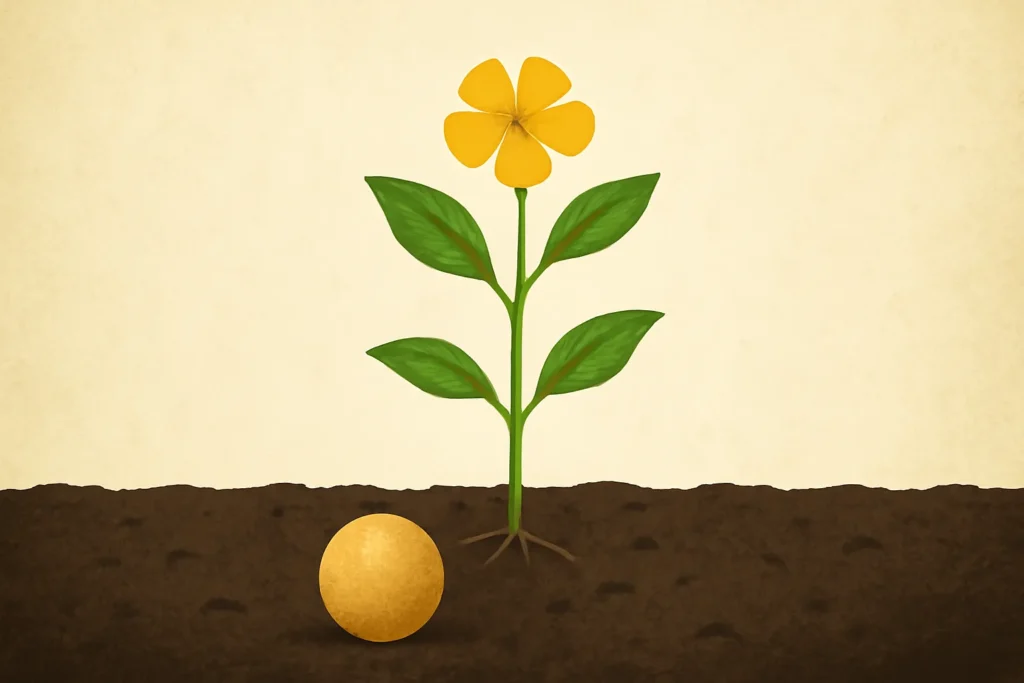
The mustard seed is described in Scripture as one of the smallest of seeds, yet it yields a plant that becomes larger than many herbs. This juxtaposition—small start, large outcome—provides a lens for understanding how faith works in practice. It invites believers to not despise the day of small things, because God can use a small beginning to accomplish large ends. In this sense, mustard seed faith is less about the size of the thing believed and more about the object of belief: trust in God’s ability to act on behalf of His people.
Key Bible Verses About Mustard Seed Faith: A Palette of Variations
To appreciate the breadth of the metaphor, it is helpful to survey several passages where the mustard seed appears in relation to faith. Each verse contributes a different nuance, yet together they build a cohesive picture of how even tiny faith can participate in God’s powerful work.
Verse variations and quick references
Matthew 17:20 — “If you have faith as a grain of mustard seed, you shall say unto this mountain, Remove hence to yonder place; and it shall remove; and nothing shall be impossible unto you.”
Mark 4:30-32 — “And he said, Whereunto shall we liken the kingdom of God? or with what comparison shall we compare it? It is like a grain of mustard seed, which, when it is sown in the earth, is less than all the seeds that be in the earth: but when it is grown, it becomes greater than all herbs, and shooteth out great branches; so that the fowls of the air may lodge under the shadow of it.”
Luke 17:6 — “If ye had faith as a grain of mustard seed, ye might say unto this, ‘Remove hence to yonder place’; and it shall remove; and nothing shall be impossible unto you.”
Matthew 13:31-32 — “The kingdom of heaven is like a grain of mustard seed, which a man took, and sowed in his field; which indeed is the smallest of all seeds: but when it is grown, it is the greatest among herbs, and becomes a tree, so that the birds of the air come and lodge in the branches thereof.”
Luke 13:18-19 — “What is the kingdom of God like? And to what shall I compare it? It is like a grain of mustard seed, which a man took, and cast into his garden; it grew, and waxed a great tree, and the birds of the air lodged in the branches of it.”
These verses span a spectrum—from a simple statement about the power of small faith to a pictorial description of the expansive result of God-centered belief. They also illustrate two essential ideas: first, that faith, even when measured as small, has real agency in the world; and second, that God’s kingdom grows beyond human expectations, often in ways that surprise onlookers.
The Meaning Behind the Metaphor: Why a Seed, and Why a Mustard Seed?
To unpack the metaphor, it helps to consider the nature of seeds and how they relate to spiritual life. A seed contains the potential for growth, life, and transformation. In the biblical narrative, a seed embodies trust that is planted, nurtured, and allowed to mature in God’s timing. The mustard seed, in particular, serves as a provocatively humble emblem: it is small, sometimes overlooked, and yet it carries within it the capacity to produce something far larger than its initial size.
Two dimensions stand out when we reflect on mustard seed faith:
Hidden potential: The seed is not immediately dramatic; its power is latent and patient. In spiritual terms, a person’s quiet prayer, consistent obedience, or steadfast hope may begin as a subtle impression rather than a public demonstration, yet it can bear durable results over time.
Growth over time: The mustard seed’s growth is a timeline of transformation. Faith may begin with questions, doubt, or incomplete understanding, but assent to God’s promises, continued trust, and ongoing worship cultivate a trajectory toward maturity and fruitfulness.
The tree-like image in Matthew 13:31-32 and Luke 13:19 adds a complementary shade to the metaphor: the kingdom of God grows into something that provides shelter, refuge, and connection for others. The “birds” lodging in its branches symbolize community, hospitality, and inclusion—outcomes that go beyond personal gain to impact others around us. In this sense, mustard seed faith is not merely a private stance; it becomes a public witness that blesses communities and shapes cultures.
The Power of Small Faith: What Mustard Seed Faith Can Do
When the Bible speaks of “great faith” or “little faith,” it is not a simple measure of spiritual status. It is a description of trust aligned with God’s character. The power of mustard seed faith is twofold: it asserts God’s capability to act, and it invites humans to participate through obedience, prayer, and courage.
Immediate assurances in the cited verses often come with a condition: the alignment of the believer’s will with God’s will, the posture of prayer, and the willingness to move in faith even when the path is uncertain. The promise that “nothing shall be impossible unto you” (Matthew 17:20; Luke 17:6) is not a guarantee of a personal wish being fulfilled, but an invitation to trust that God’s purposes can transcend human limits when faith is yoked to God’s sovereignty.
In practice, this means that mustard seed faith invites believers to approach obstacles—whether physical, relational, or spiritual—with a posture of trust, coupled with responsible action. The seed must be planted, watered, and tended; the believer’s part includes prayer, discernment, and patient perseverance as God’s timing unfolds.
Context matters when reading these verses. The mustard seed passages appear within broader teachings about the Kingdom of God, parables, and Jesus’ ministry. It is essential to distinguish between the metaphor of faith as a seed and the broader biblical principles about faith, obedience, and reliance on God. A few cautions help readers avoid misapplying the metaphor:
Faith is relational, not instrumental: The power is not in the size of the seed alone but in the believer’s relationship with God and alignment with His will.
Growth requires cultivation: The seed’s growth is tied to ongoing spiritual disciplines—prayer, Scripture meditation, community, and service.
Results are God’s prerogative: While the imagery promises transformative outcomes, these results are filtered through God’s purposes and wisdom, which may differ from human expectations.
By keeping these cautions in view, readers can approach mustard seed faith with humility and expectancy—recognizing both the potential for powerful outcomes and the limits of human control within God’s plan.
Mustard Seed Faith in Modern Life
To translate the biblical imagery into daily practice, consider the following practical steps. These are designed to cultivate a living, growing faith that remains faithful to Scripture while addressing real-life situations in contemporary contexts.
Plant the seed of daily prayer. Begin with brief, honest conversations with God—express doubts, hopes, gratitude, and needs. Consistency matters more than intensity at any single moment.
Mediate on key verses. Revisit the verses about mustard seed faith (e.g., Matthew 17:20; Luke 17:6; Mark 4:30-32). Let the words dwell in you, asking what they reveal about God, yourself, and your circumstances.
Align expectations with God’s promises. Distinguish between what you want and what God has promised. When in doubt, anchor your requests in Scripture and seek confirmation through prayer, counsel, and wise discernment.
Take small, faithful steps. Faith often moves through repeated, modest actions rather than grand, one-time gestures. Each small obedience can become a brick in the structure of growing faith.
Practice confession and repentance. Honest humility before God keeps the heart receptive to His leading and prevents faith from becoming a self-serving tool.
Build a faith-supportive community. Engage with fellow believers who encourage, challenge, and pray with you. Community helps regulate expectations and sustains perseverance.
Serve others. Put faith into action by helping those in need. Service demonstrates the living power of faith and creates space for God to work through your life.
Document God’s faithfulness. Keep a spiritual journal of answered prayers, shifting burdens, and moments of insight. Seeing patterns of God’s activity strengthens future trust.
Practice patient endurance. Growth takes time. Be willing to wait on God’s timing while remaining faithful in the present tasks He assigns.
Seek discernment in challenges. When mountains seem immovable, seek God’s guidance, acknowledge human limitations, and be open to unconventional solutions that align with biblical principles.
These steps are not a formula for manipulating outcomes but a framework for cultivating a trust-filled life. When combined with humility and obedience, they help transform small acts of faith into meaningful, visible manifestations of God’s work.
Mustard Seed Faith in Personal Stories and Prayers
Real-life stories, whether drawn from personal experience or the lives of others, illustrate how mustard seed faith can function in everyday contexts. Here are several illustrative scenarios, described generically to honor privacy while capturing the dynamics of faith in action:
Health challenges: A person facing a difficult medical diagnosis prays earnestly, seeks medical counsel, and adheres to treatment with hope anchored in God’s faithfulness. The outcome may be a cure, a coping improvement, or a deeper sense of peace, but the sustaining factor remains trust in God’s good plan.
Career and finances: An individual wrestles with job insecurity or financial strain. They commit to diligent work, wise stewardship, and generosity even in uncertain times. Over months or years, small, prudent choices accumulate into greater stability or new opportunities—an outcome that feels like a “growing tree” from a seed.
Relationships and reconciliation: In broken relationships, a person chooses to extend forgiveness and to initiate humble, patient conversations. Over time, trust is rebuilt, healing progresses, and a more resilient bond forms—testifying to the gospel’s power to transform hearts and communities.
Community impact: A community or church body begins with a simple act of service (a food drive, a tutoring program, a neighborhood outreach). As people participate, networks grow, partnerships form, and the project expands beyond initial expectations—reflecting the expansive branches of the mustard plant.
These narratives reflect the biblical pattern: a small, faithful start, a process of cultivation, and a growing impact that reveals God’s sovereignty and goodness. While not every outcome will be dramatic, every step of faithful trust contributes to a larger, meaningful work in God’s economy.
Beyond practical steps, a robust reading of mustard seed faith invites deeper theological reflection. Several themes recur across passages that mention the mustard seed and faith more broadly:
Faith is trustful reliance on God: It is not primarily about mental certainty or flawless theology but about leaning into God’s character and promises even when comprehension is incomplete.
God’s power is relational and purposive: When faith is exercised in alignment with God’s will, His power is released for purposes that further His Kingdom and care for people in need.
The Kingdom grows with humility and surprise: The imagery of growth from a small seed to a large plant underscores a countercultural reality: God often accomplishes grand outcomes through unassuming beginnings.
Interpreters differ on how to balance literal and metaphorical readings, and legitimate variation exists in how one applies the parables today. The common thread in all perspectives is clear: faith, properly oriented toward God, opens channels for divine activity in the world. The mustard seed stands as a family of images—the smallest of seeds, the potential for expansion, and the sheltering branches—that together illuminate the patient, hopeful life of faith.
Mustard Seed Faith
How small is a mustard seed in biblical times?
In biblical contexts, the mustard seed was widely considered one of the smallest seeds known to ordinary farmers and gardeners. The point of the metaphor is not the numerical tiny size alone but the contrast between the seed’s humble origin and the plant’s substantial presence.
Does mustard seed faith guarantee immediate results?
No. The verses emphasize transformation aligned with God’s purposes, which may manifest quickly or gradually. The important factor is a steadfast, trusting relationship with God, not a magical guarantee that every request will be granted exactly as hoped.
Can we apply these verses to modern problems today?
Yes, within the biblical framework of faith and obedience. The motifs of prayer, perseverance, community, and service are timeless. While the specifics of situations differ, the underlying principle remains that even small acts of faith can set in motion God's work in the world.
The biblical teaching about mustard seed faith invites believers into a dynamic, hopeful, and responsible faith life. It acknowledges humanity’s limitations while affirming God’s power to transcend them. A seed, though tiny, carries within it the potential to become something expansive and protective—a true shelter for the vulnerable. The mustard plant’s growth pictures a life of faith that begins with trust in God, nurtured by daily disciplines, lived out in love for neighbor, and anchored in the sure promises of Scripture.
As you consider your own journey, you might reflect on several guiding questions: What is the smallest seed of faith that you can plant today? How can you tend that seed through prayer, Scripture, and acts of service? In what ways can you invite others to witness your faith journey and join you in growing together in Christ? May you experience the profound, practical, and transformative reality of mustard seed faith as it takes root and flourishes in God’s gracious care.







Leave a Reply