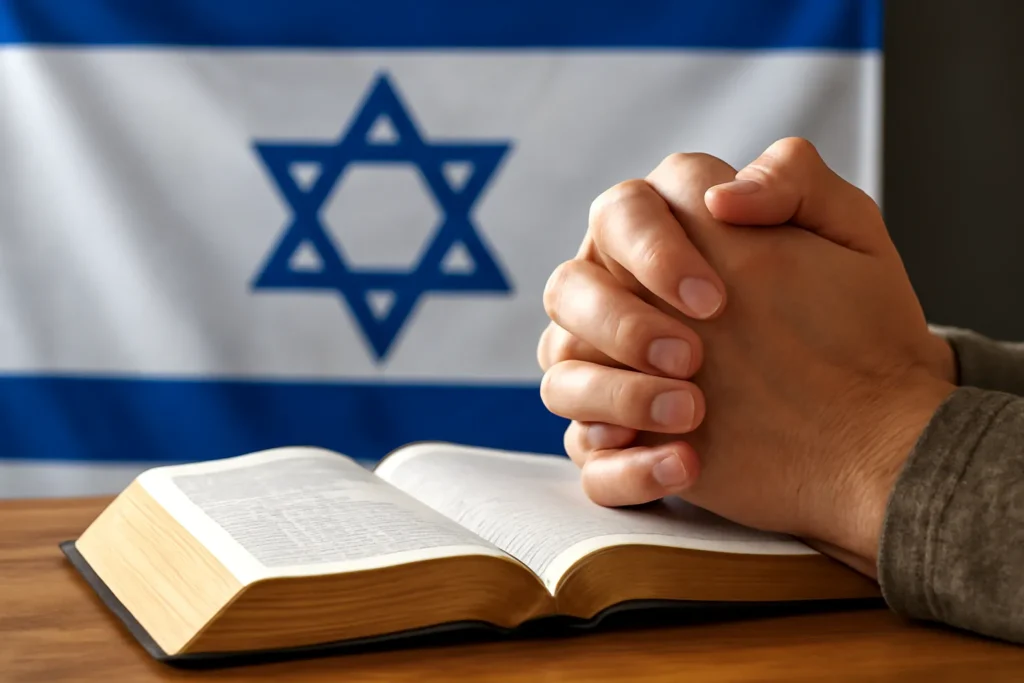
Across generations, believers have turned to prayer as a powerful form of intercession for nations and people. When the topic is Israel, prayers often center on peace, safety, justice, and the welfare of the land and its inhabitants. The Bible presents intercession as an active, earnest converse with God on behalf of others, and it offers a number of verses that illuminate how to pray for Israel with wisdom, compassion, and faith. In this article, we will explore bible verses about praying for Israel, look at classic and contemporary phrasing, and offer practical guidance for intercession that honors both history and hope. The aim is not to prescribe political conclusions but to deepen spiritual practice through Scripture’s language about peace, welfare, and Jerusalem as a focal point of prayer.
Biblical Foundations for Intercession for Israel
The Bible contains several explicit calls to intercede for Jerusalem and the people of Israel. These verses provide a template for what a faithful intercession can look like: a desire for peace, welfare, and a life that honors God. Here are some of the most foundational texts, quoted in the classic King James Version (KJV) for clarity and continuity:
“Pray for the peace of Jerusalem: they shall prosper that love thee. Peace be within thy walls, and prosperity within thy palaces. For my brethren and companions’ sakes, I will now say, Peace be within thee.”
This passage, from Psalm 122:6–9, centers intercession for Jerusalem as a practical expression of care for the people who live there and the city’s spiritual vitality. The repeated emphasis on peace and prosperity within the walls and palaces highlights a holistic view of welfare—physical safety, social harmony, and a sense of divine blessing that accompanies just and righteous living.
Another foundational strand comes from Jeremiah 29:7, which speaks to exiles and those who carry the responsibility of praying for a city far from home:
“And seek the welfare of the city whither I have caused you to be carried away captives, and pray unto the LORD for it: for in the peace thereof shall ye have peace.”
This verse expands the concept of intercession beyond a single place and time: even in exile, the people are called to pray for the peace of the place where they live. The idea of welfare (shalom) becomes a bridge between personal devotion and public blessing.
In the New Testament, the practice of interceding for Israel appears in Paul’s own heart and prayers. Romans 10:1 offers a poignant example:
“Brethren, my heart’s desire and prayer to God for Israel is, that they might be saved.”
This verse foregrounds the motive of intercession: care for a people with a longing for their spiritual blessing. It is a reminder that prayers for Israel can be deeply personal and steeped in a desire for true life and alignment with God’s purposes.
The apostolic exhortation in 1 Timothy 2:1–2 broadens the framework for intercession to include all people, leaders, and the conditions under which we can live peaceably. While not naming Israel specifically, the passage opens the broader pattern that many Christians apply when they pray for nations:
“I exhort therefore, that, first of all, supplications, prayers, intercessions, and giving of thanks, be made for all men; For kings, and for all that are in authority; that we may lead a quiet and peaceable life in all godliness and honesty.”
Taken together, these verses form a web of Scripture that supports focused intercession for Israel, its leadership, and its people, while also placing those prayers within the broader call to bless all nations and to seek peace.
Variations on the Theme: How Verses Speak About Israel and Peace
Language matters when we translate biblical ideas into prayer. To offer semantic breadth and practical variety, here are several variations of Bible verses about praying for Israel, along with concise paraphrases that capture the spirit of the text without changing its core message. Each variation is meant to assist you in forming personal, theologically grounded prayers for Israel.
Psalm 122:6 in different voices: “Pray for the peace of Jerusalem; may the city be kept secure, its gates open to the blessing of the nations, and may all who love the city prosper.”
Psalm 122:6 paraphrase: “Lift up prayers for Jerusalem’s shalom, that those who love it would experience wellness and security.”
Jeremiah 29:7 reframed: “Seek the welfare of the place where you live—even when you feel far away—by praying for its welfare, for in its peace you will find your own peace.”
Romans 10:1 echoed in prayer language: “I pray for Israel’s salvation with a hopeful heart, asking God to open their eyes and reveal the Messiah who brings life.”
1 Timothy 2:1–2 applied to Israel: “Prioritize prayer for Israel, for its leaders and people, that a tranquil and honorable life may unfold under God’s guidance.”
Zechariah 8:3–8 in practice: “Let Zion be rebuilt in trust and mercy; may the city be inhabited by a faithful people who welcome God’s presence and extend peace to neighbors.”
Isaiah 62:6–7 as a call to watchmen: “Keep talking to God about Jerusalem; speak earnestly and persistently, that His purposes for the city may be advanced and that peace may prevail.”
Beyond direct quotations, you may also frame prayers using themes of covenant faithfulness, divine protection, and restoration. The breadth of Scripture invites believers to approach Israel with reverence for its history, a longing for its future, and a commitment to true peace rooted in justice and compassion.
New Testament Perspectives: Intercession for Israel in a Broader Context
The New Testament does not present intercession as a distant obligation but as a living, daily discipline. In addition to the explicit prayers for Israel, biblical writers modeled praying for nations, leaders, and the peaceable conditions that enable communities to flourish in righteousness. When we read Romans 15:30–31, for example, we encounter a plea for solidarity and protection in the face of opposition, which can be applied to the modern context of praying for Israel:
“Now I beseech you, brethren, for the Lord Jesus Christ’s sake, and for the love of the Spirit, that ye strive together with me in your prayers to God for me; That I may be delivered from them that do not believe in Judea; and that my service which I have for Jerusalem may be acceptable to the saints.”
Additionally, the psalmist’s language about peace on walls and prosperity within cities resonates with the biblical ideal of a just, secure society. When Christians engage in intercession for Israel, they often pair these biblical motifs with practical acts of solidarity—advocacy for human rights, compassion for vulnerable communities, and a commitment to truth-telling and reconciliation.
Practical Ways to Pray: A Guide to Intercession for Israel
Prayer for Israel can be vibrant and varied. Below are practical ways to structure your intercession, including concrete topics, prayer prompts, and tips for staying aligned with Scripture.
Begin with worship and humility: Acknowledge God’s sovereignty over all nations and the land He has given to His people.
Pray for peace (shalom) in Jerusalem and throughout Israel: Ask for security, justice, and the flourishing of communities where families live, work, and raise children.
Intercede for leaders and institutions: Pray that leaders at every level—local councils, national authorities, and community organizations—would pursue wisdom, integrity, and restraint in conflict and decision-making.
Pray for Jewish and Arab communities to live together with mutual respect: Seek transformative relationships and equitable opportunities for all residents and visitors.
Ask for humanitarian relief where needed: In times of crisis, lift up needs such as medical care, shelter, food security, and the protection of the vulnerable.
Offer prayers for spiritual renewal and peace with God: Pray that people in Israel would encounter the truth, hope, and life found in God’s promises.
End with gratitude: Thank God for moments of peace, courage, and cooperation that reveal the best of human community and divine mercy.
Sample prayers you can adapt
Below are a few short prayer formulations you can use or adapt to fit your own voice and tradition. You can mix direct quotes with paraphrase to create a cadence that works for you.
Direct intercession: “Lord, I pray for the peace of Jerusalem: may there be safety for its people, justice for the oppressed, and opportunities for all to live in harmony.”
For leaders: “Bless the leaders of Israel with wisdom, courage, and a heart for truth; grant them restraint in moments of tension and a readiness to forgive.”
For reconciliation: “Bring reconciliation between communities, empower acts of mercy, and let acts of kindness become the language that everyone understands.”
For salvation and spiritual renewal: “May the good news of hope in Christ reach more hearts in Israel, and may the peace of God rule in every home.”
Historical Context and Contemporary Application
The Bible’s language about praying for Israel is rooted in an ancient sense of covenant geography, yet it remains deeply relevant to contemporary life. Jerusalem has long been a symbolic center of faith, conflict, and longing. The biblical call to intercede for that city, and for the land and people connected to it, invites believers to engage with history while holding fast to the promise of God’s future. In practice, this means recognizing the humanity of all who live there—families, children, elders, and workers—while asking God to move toward lasting peace and justice.
It is also important to acknowledge that Christians may hold diverse perspectives about the political complexities surrounding Israel and its neighbors. The biblical invitation to pray for peace does not require agreement on every political issue; instead, it invites a posture of humility, discernment, and love. Prayer that is grounded in Scripture calls believers to pursue truth, show mercy, and seek the common good, including the welfare of all who inhabit the land.
Parallels Between Israel and the People of God
A recurring theme in Scripture is the identification of Israel with the people of God and with the land as a stage for divine revelation, covenant, and blessing to the nations. This parallel can help believers understand why prayers for Israel often emphasize peace, protection, and the flourishing of the land for the sake of its people and witness. The prophets’ visions of restoration and peace, the psalms’ calls for shalom, and the apostolic prayers for deliverance and blessing together form a tapestry of intercession that invites the Church to stand with Israel in hope.
As with any complex topic, there are potential misunderstandings that can accompany prayers for Israel. Here are a few clarifications to help maintain a biblically faithful and compassionate approach:
Intercession is not coercion: Prayer invites God to act, but does not presume to control human outcomes or other nations’ choices.
Respect for life and dignity: Intercession should always affirm the value of every person, including civilians who suffer in times of conflict.
Scripture first: Let the Bible’s own language guide your prayers, especially verses that emphasize peace, justice, and the welfare of all involved.
Hope rooted in God’s promises: Focus on God as the source of peace and restoration, rather than on human attempts alone to secure safety through force.
Conclusion: The Power of Prayer for Israel
Throughout Scripture, intercession for Israel emerges as a practice of humility, fidelity, and hope. The verses we have explored—Psalm 122:6–9, Jeremiah 29:7, Romans 10:1, and 1 Timothy 2:1–2, among others—offer a multifaceted vision of what it means to pray for Israel’s peace, welfare, and spiritual well-being. Beyond simply reciting verses, believers are invited to embody these prayers through thoughtful petitions, compassionate actions, and a commitment to seek the good of the city and its people.
As you engage with these verses, consider how your own life and community can participate in Israel’s welfare through works of mercy, advocacy for justice, and prayers that are steady, hopeful, and grounded in the love of Christ. The art of praying for Israel is not a single act but a lifelong practice—a rhythm of listening to God, reflecting on Scripture, and acting with mercy toward all of God’s image-bearers.











Leave a Reply