Bible Verses About Feet Washing: Humility, Cleansing, and Service
Quick Answer: Bible verses about feet washing point to God’s concern for cleansing, holiness, and faithful ministry. In the Old Testament, Aaron and his sons wash their hands and feet before serving. In the New Testament, Jesus washes us from sin by His blood, and God’s work transforms hearts so believers can live with humility and service.
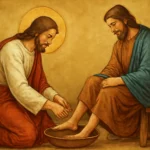
When people search for bible verses about feet washing, they’re often looking for more than a one-time ritual—they want to understand what God teaches through washing, cleanliness, and humble service. Scripture connects washing with readiness to draw near, with holiness before God, and with the reality that cleansing begins deep in the heart. In Exodus, God commands the priests to wash their hands and feet so they can minister without fear. In Revelation, we’re reminded that Jesus Himself washed us from our sins through His own blood. And the New Testament shows transformation, where God opens eyes to see and calls believers to respond. As you read these passages, let the theme shape your daily life: clean hands, clean paths, and a clean conscience expressed in love.
At a Glance — Verses in This Article
Exodus 30:19-21
Acts 9:18
Mark 7:3-4
Revelation 1:5
Bible Verses
Exodus 30:19-21 (King James Version)
“For Aaron and his sons shall wash their hands and their feet thereat: When they go into the tabernacle of the congregation, they shall wash with water, that they die not; or when they come near to the altar to minister, to burn offering made by fire unto the LORD: So they shall wash their hands and their feet, that they die not: and it shall be a statute for ever to them, even to him and to his seed throughout their generations.”
This passage directly commands washing of hands and feet for those who minister before the LORD, linking cleansing to holiness and safe service.
Acts 9:18 (King James Version)
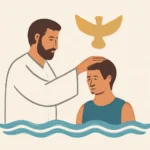
“And immediately there fell from his eyes as it had been scales: and he received sight forthwith, and arose, and was baptized.”
After Jesus’ work on Paul, he is immediately baptized, showing that God’s cleansing and renewal lead to obedient, public steps of faith.
“For the Pharisees, and all the Jews, except they wash their hands oft, eat not, holding the tradition of the elders. And when they come from the market, except they wash, they eat not. And many other things there be, which they have received to hold, as the washing of cups, and pots, brasen vessels, and of tables.”
These verses contrast outward washing traditions with the deeper issue of the heart, helping believers understand what real cleansing is.
Revelation 1:5 (King James Version)
“And from Jesus Christ, who is the faithful witness, and the first begotten of the dead, and the prince of the kings of the earth. Unto him that loved us, and washed us from our sins in his own blood,”
Revelation centers on Jesus who washed believers from their sins, making spiritual cleansing the foundation beneath any physical act.
God’s Presence Starts With Cleansing (Hands and Feet)
In Exodus 30, God gives a clear, practical instruction: Aaron and his sons must wash their hands and feet before ministering. This is not a casual hygiene detail—it’s tied to spiritual readiness. God’s concern is that they come near to serve “that they die not.” In other words, cleansing is connected to reverence, holiness, and God’s presence.
When we think about washing feet, it’s easy to focus only on the physical image—dust, roads, and everyday travel. But Exodus teaches a deeper lesson: the LORD prepares people for sacred work. Washing hands and feet is a sign of being set apart, a readiness to move from ordinary life into God’s presence.
The theme carries into how believers approach worship and service today. While Christians no longer follow the same priestly procedures, the principle remains: we should not treat God’s presence as something ordinary. Our lives are “before the LORD,” whether we are serving publicly or quietly obeying in private. So, the question becomes: Are we coming with clean motives and a willing spirit?
That’s why these verses often speak comfortingly as well as challenging. Cleansing is not only about avoiding danger; it’s also about enabling ministry. God provides a way for the priests to serve. Similarly, God provides a way for His people to live in fellowship—through transformation.
This is where the rest of Scripture reinforces the heart of the matter: not just outward washing, but inner cleansing. Revelation gives the ultimate foundation: Jesus Christ is the One who has washed us from our sins in His own blood. When you connect Exodus to Revelation, you see the whole picture—God wants His people clean enough to draw near, and He supplies the cleansing through Christ.
Mark 7 describes a religious setting where the Pharisees demanded frequent washing and insisted on traditions “of the elders.” Their concern was especially about what happens before eating—unless they wash their hands, they would not eat. The passage also mentions washing things like cups, pots, and vessels.
This doesn’t mean washing is always wrong. The deeper issue is the danger of turning external practices into the measure of righteousness. Mark reveals that some people can become trapped by the visibility of ritual—outward washing traditions—while missing the condition of the soul.
For anyone studying verses about washing feet (or washing in general), Mark 7 provides balance. It teaches that God’s goal goes beyond the surface. Washing can be an appropriate picture, but it must not become a substitute for obedience, humility, and a sincere heart.
So how do we interpret washing in a biblical way? We read it through the gospel. Exodus emphasizes readiness to minister; Revelation emphasizes cleansing from sin by Christ. Mark warns against relying on ceremony alone.
Together, these passages guide us to ask thoughtful questions: When I “do religious things,” am I doing them to impress others, or to obey God? Am I using spiritual habits to feel safe, or to grow closer to the LORD? Am I focused on the visible action while ignoring how I treat people?
God is not opposed to all physical expression of faith—Jesus still transforms real lives. Acts shows that transformation leads to action. When Paul encounters Jesus, scales fall from his eyes, and he rises and is baptized immediately. That sequence reminds us that true renewal produces a new direction.
Therefore, let Mark 7 make your worship honest. If your heart is stirred, let your actions follow. If your motives are mixed, let God correct them. Cleansing begins where God changes you, and then your life reflects what He has done.
From Cleansing to Obedience and Service
When God cleanses, He doesn’t leave people in place. He directs them toward obedience. Acts 9:18 captures a moment of immediate response: after scales fall from Saul’s eyes, he receives sight forthwith and “arose, and was baptized.” The change is both spiritual and practical.
This matters for those asking biblical meaning of feet washing. Even if washing feet isn’t described as a Christian ordinance in these verses, the theme of cleansing-to-obedience is unmistakable. Exodus shows priests washing before ministering. Mark warns against ritual without heart. Acts shows inner change leading to a public step. Revelation ties everything to Jesus cleansing from sin.
In other words, biblical cleansing is not only about feeling forgiven; it’s about becoming someone who can serve. The priests washed to minister without dying; believers are washed to live in truth. Revelation declares that Jesus loved us and washed us from our sins in his own blood—and that love compels a life of gratitude.
So, what does obedience look like day-to-day? It can look like humility that lowers pride, patience that covers offenses, and faithfulness that shows up consistently. It can also look like practical acts of service—helping others, caring for needs, and using your time and energy to bless.
When you connect these verses, a unified pattern appears: God cleanses, God calls, and then God sends His people into ministry. The priests served at the altar; believers live as witnesses. Paul’s transformed vision produced immediate baptism. The same God who opens eyes also opens doors to serve.
Therefore, approach spiritual cleansing with expectancy. If you sense God drawing you closer, respond. Don’t delay. Washing in Scripture is never merely about water—it’s about readiness, renewal, and a life moved by Christ.
How to Live This Out This Week
Use these Scriptures to turn “cleansing” into a daily spiritual posture, not a one-time moment. First, practice reverent preparation. Before prayer, worship, or service, pause and ask God to examine your motives. Exodus reminds us that approaching God matters—your hands and feet symbolize your whole readiness.
Second, guard against empty ritual. Mark 7 warns that religious performance can replace real heart change. So evaluate your habits: Are you consistent because God is shaping you, or because you want to appear spiritual? Choose one area where you will seek sincerity over appearances—confess wrong motives, forgive someone, or speak truth in love.
Third, respond quickly when God corrects you. Acts 9:18 shows immediate obedience after transformation. If God prompts you toward repentance or a next step (like prayer, reconciliation, baptism, or service), treat that nudge as an invitation to rise and obey.
Finally, remember your foundation: Jesus washed you from your sins in His own blood. Don’t try to earn cleansing. Let Christ’s finished work motivate gratitude that becomes action. This week, look for “foot-level” opportunities—simple acts that put love into motion: serving someone practically, showing patience on the road, helping a neighbor, or caring for the needs nobody else sees.
Make it concrete: choose one act of service, one honest heart check, and one immediate response to God’s promptings. Let cleansing move outward into love.
Frequently Asked Questions
What is the biblical meaning of feet washing in worship?
In Exodus 30:19-21, washing hands and feet is tied to readiness to minister before the LORD “that they die not.” The bigger message is that God’s people should approach Him with holiness and reverence, not carelessness.
Are there scriptures on cleansing and service that connect washing to obedience?
Yes. Exodus links washing to safe, faithful ministry, while Acts 9:18 shows that God’s cleansing and transformation lead to immediate obedience. When God changes the heart, believers rise to follow Him.
How do Bible teaching about washing hands and feet avoid becoming just tradition?
Mark 7 warns against relying on outward washing traditions as if they automatically make someone right with God. The principle is heart-first obedience—let your external practices flow from inward change.
What should Christians remember when studying verses about washing feet?
Remember that spiritual cleansing is central. Revelation 1:5 teaches that Jesus washed believers from their sins in His own blood. Any physical symbolism should point you back to Christ’s saving work and produce a life of humility and service.
A Short Prayer
Lord Jesus, thank You for cleansing us from our sins by Your own blood. Teach us to approach You with reverence, and help us avoid religious habits that hide an untransformed heart. Make us willing to serve with clean motives and obedient steps, rising quickly when You prompt us. Let our worship produce love, our faith produce action, and our lives reflect Your holiness. In Your name, Amen.
Key Takeaway: God’s cleansing—rooted in Christ—prepares believers for reverent ministry, heart-true obedience, and humble service.