Holy Thursday (Maundy Thursday): Meaning, History, and Observances
Holy Thursday (Maundy Thursday): Meaning, History, and Observances
Holy Thursday, also known in many places as Maundy Thursday, is a pivotal day in the Christian liturgical year. It marks the beginning of the most solemn portion of Holy Week and centers on key events in the life of Jesus Christ: the Last Supper, the washing of the disciples’ feet, and the institution of the priesthood and the Eucharist. Across different Christian traditions, the day goes by several names—Holy Thursday, Maundy Thursday, Great Thursday, and, in some locales, Spy Thursday—yet all of them point to a shared focus on service, humility, and the sacred mysteries celebrated at the table.
The observance known as Holy Thursday derives its sacred character from the events of the Last Supper, where Jesus gathered with his closest followers before his arrest. The term Maundy comes from the Latin word mandatum, meaning “commandment.” In the Gospel of John, Jesus gives a new commandment to his disciples: to love one another as he has loved them. This mandatum novum is enshrined in the day’s title in many Christian languages and traditions. The emphasis on love-in-action, humility, and service is echoed in the washing of feet, a ritual act that Jesus performs for his own disciples and then asks them to imitate.
The name Great Thursday appears in some Eastern and Western traditions, underscoring the day’s importance within Holy Week. In certain contexts, the day is also framed as the beginning of the Passion narrative that culminates in the events of Good Friday. The phrase Spy Thursday, used historically in some regions, reflects the moment in the gospel story when Jesus faces betrayal, reminding believers that discipleship often involves uncomfortable honesty about human frailty and the courage to stand with Jesus in trying times.
Scriptural foundations: the Last Supper, foot washing, and the new commandment
The Last Supper as a cornerstone
Central to Maundy Thursday is the remembrance of the Last Supper, the final meal Jesus shares with his disciples before his Passion. At this table, Jesus breaks bread, offers wine, and speaks of his body and blood given for many. For Christians, this is not merely a commemorative meal; it is the institution of the Eucharist (also called Holy Communion or the Lord’s Supper). The ritual meal embodies Jesus’ gift and his call to his followers to continue sharing in this sacred meal as a sign of ongoing fellowship with him and with one another.
The washing of feet: a concrete commandment
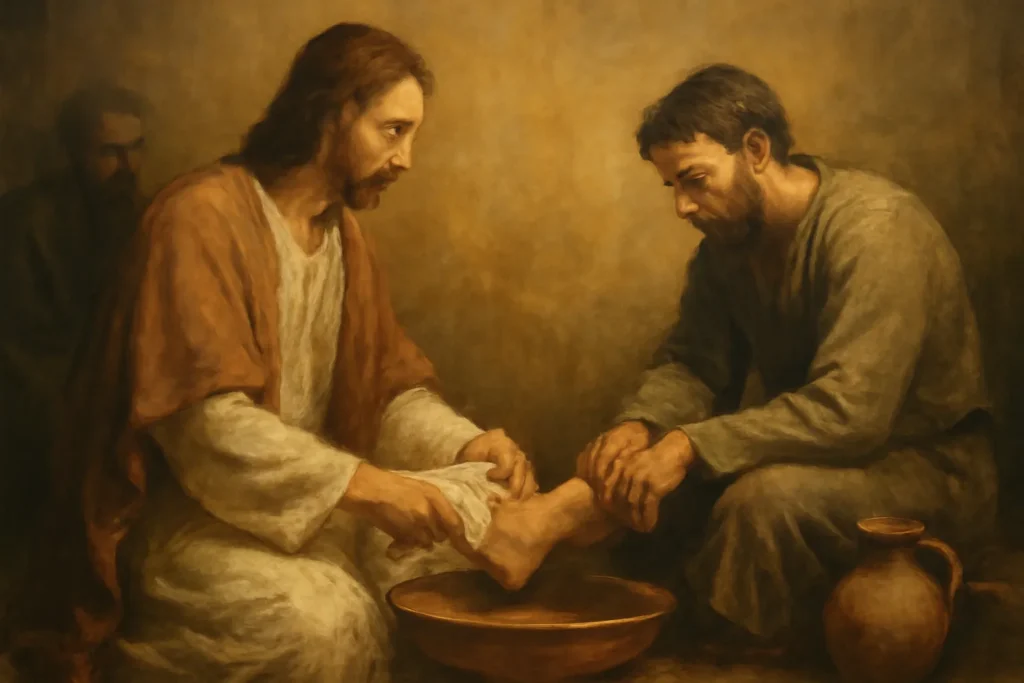
A defining ritual of the day is the washing of feet, rooted in Jesus’ own act of humility at the Last Supper. According to the gospel narrative, Jesus washes his disciples’ feet and then gives them a powerful exhortation about servanthood. In many congregations, the church imitates this model of service by inviting members to participate in a foot-washing ceremony, sometimes followed by a shared prayer or blessing. The ritual is a tangible enactment of the mandatum novum—the new commandment to love one another with the same self-giving love Jesus demonstrated.
Eucharist, priesthood, and the trimming of sacred space
The Maundy Thursday liturgy places special emphasis on the Eucharist as a living remembrance of Christ’s sacrifice and a source of ongoing grace. In many traditions, the day also commemorates the ordination or blessing of the priesthood, highlighting the belief that the disciples were given a sacred trust to minister in Jesus’ name. The day’s liturgy often includes a solemn celebration of the Sacrament, sometimes with the Blessing of Oils (in Catholic practice, the Chrism Mass takes place on this day or during Holy Week), which blesses the oils used in sacraments throughout the year. This connection between the Last Supper, the Eucharist, and the priesthood helps Christians view Holy Thursday as a day of both memory and mission.
Historical development: from early church to modern observances
Early Christian reflections and evolving practice
In the earliest centuries of the church, Christians observed the passion of Christ with special zeal during Holy Week. While the precise forms of Maundy Thursday rites varied by region, the underlying themes—service, communion, and humility—were consistently present. The Gospel accounts of the Last Supper and the foot-washing tradition guided communities to gather for a meal that looked forward to Christ’s sacrificial death and to enact a living example of love for one another. Over time, the day’s liturgy became a more formalized occasion within the church calendar, weaving together scriptural readings, prayers, and rites that signified both gratitude and preparation for the days ahead.
Medieval era: ritual refinement and royal or parish practices
During the medieval period, Maundy Thursday became a highly ceremonial day in Western Europe. The celebration of the Eucharist was often complemented by the foot washing rite in many communities, sometimes extended to a broader group in the parish. The altar was decorated to reflect the joy of the Lord’s Supper, and in many churches the event was followed by quiet prayer or a procession to a separate place of reservation for the Eucharist. The practice of stripping the altars—removing cloths, candles, and other adornments—began to symbolize the humility of Christ and the absence of his visible presence as the day moved toward the events of Good Friday.
Reformation to modern era: continuity, reform, and ecumenical reach
The Protestant Reformation brought broad changes in Maundy Thursday observances, with some traditions emphasizing the meaning of the Lord’s Supper and the call to service while de-emphasizing certain sacerdotal or ceremonial elements. Across denominations—Lutheran, Reformed, Anglican, and later in Methodist and other Protestant communities—the day retained its core themes of humility, communion, and service. In many modern churches, the day is celebrated with a combination of liturgical readings, a shared meal or symbolic ritual, and the practice of foot washing. The global church today reflects a wide spectrum of expressions, from solemn solemnities to ecumenical services that invite Christians of various traditions to imagine Christian discipleship as a daily, practical love for others.
Observances around the world: how communities live Holy Thursday
Catholic Church: a day of Eucharist, adoration, and altar stripping
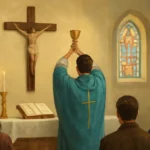
Mass of the Lord’s Supper is the central liturgy on this day, typically celebrated in the evening. It emphasizes the institution of the Eucharist and the call to service.
Many parishes enact a foot-washing ceremony, extending Jesus’ model of humility to laypeople and clergy alike. This practice underscores the feminine and masculine aspects of Christian leadership through service, not power.
After the liturgy, the Eucharist may be reserved in a special place called a tabernacle or repository, and the faithful are invited to undertake an adoration or vigil before the Blessed Sacrament. This prolonged prayer time is a spiritual response to the sacramental presence made available on this holy night.
The altar stripping ritual follows the Mass, where all cloths, candles, and ornaments are removed from the sanctuary. The starkness invites contemplation of Jesus’ journey toward crucifixion and serves as a communal act of mourning and anticipation.
In some cultures, a procession with the Blessed Sacrament leads to a separate place for prayer, often accompanied by hymns, chants, and acclamations that reflect the depth of the Mystery being commemorated.
Anglican and Episcopal churches: liturgy of foot-washing and Eucharist
Within Anglican and Episcopal communities, Maundy Thursday is commonly observed with a solemn Eucharist and may include the foot-washing rite, symbolizing humble service. The service often features readings from the Gospels, prayers for the church and world, and a mindful moment of quiet reflection. The day’s liturgy may prepare for Good Friday’s somber observances, bridging tenderness and expectation as believers walk toward the crucifixion narrative.
Lutheran, Methodist, and other Protestant traditions
For many Protestant churches, Holy Thursday (or Maundy Thursday) is a time to reaffirm the commandment to love one another in practical ways. Worship services may include the Eucharist/communion, the reading of the Last Supper narratives, and, where possible, a symbolic act of service. Some congregations reserve this day for a service that culminates in a period of quiet prayer or a brief vigil, inviting participants to dwell on the meaning of Jesus’ self-giving love and the responsibilities of discipleship.
Orthodox and Eastern Christian traditions
In many Eastern Christian communities, Holy Week features distinct services that mark the path toward the Passion. On Great Thursday, believers might hear profound readings from the Gospel, participate in the liturgical memory of the Last Supper, and observe acts of service in a form that resonates with the broader theme of Christ’s humility. The spiritual message emphasizes preparation for Holy Friday and Pascha (Easter), inviting the faithful into a contemplative journey that leads from gratitude for grace to a more deliberate life of obedience and care for others.
Symbolic themes and liturgical elements
Humility, service, and community
The most prominent spiritual thread on this day is the call to humility expressed through service to others. Whether through the foot-washing ritual or through acts of care, the faithful are invited to imitate Christ’s example. The day thus turns ordinary acts of hospitality and kindness into a theological statement about how love is enacted in everyday life.
Eucharistic theology and remembrance
The celebration of the Eucharist on Maundy Thursday makes tangible the belief that Christ is present in the breaking of bread and the sharing of the cup. The ritual nourishment becomes a source of strength for Christian living, a sign that the church is fed to be sent into the world. The day also invites believers to reflect on the Passover imagery in the Last Supper—Jesus’ sacrifice as the fulfillment and reinterpretation of ancient liberation narratives.
Implications for clergy and laypeople
The connection between the Last Supper and the priesthood has long been a topic of contemplation for clergy and laypeople alike. On Maundy Thursday, the church often emphasizes the ministry of service, the call to lead with humility, and the responsibility to care for the vulnerable. The blessing of oils and the ordination associations underscore that spiritual leadership is grounded in love that serves others. For laypeople, the day is a reminder that leadership in the Christian family is often expressed through acts of mercy, hospitality, and mutual support.
Global cultural and social dimensions: customs, traditions, and expressions
Maundy Thursday in the British Isles: the royal rite and charitable acts
In the United Kingdom and some Commonwealth contexts, Maundy Thursday is connected with the historic Maundy money ceremony, in which the monarch gives coins to the elderly as a sign of service to the poor. While not a sacramental rite in itself, this tradition embodies the day’s spirit of charity and care for those in need. Communities in these regions may also participate in communal meals, foot-washing demonstrations, or service projects that echo the day’s emphasis on practical love for neighbors.
Around the world, some congregations choose to stage public or semi-public foot-washing demonstrations as a way to invite broader participation and to model Christian humility in a visible way. While not universal, these expressions highlight the day’s core message: leadership in Christ’s name is measured by service to the least, not by status or privilege.
Art, music, and liturgy: enriching the experience
The Maundy Thursday liturgy is often enriched by traditional hymns, ancient prayers, and art that invites contemplation of the Passion narrative. Chants that recall the Last Supper, the betrayal, and the Garden of Gethsemane are common, as are readings from the Gospels that recount the events of the night. In many parishes, the service is a multisensory experience—candles, incense, and reverent silence contribute to a mood that helps worshippers approach the mysteries of Holy Week with reverence and awe.
Practical guidance for worship planning and personal devotion
How congregations can honor the day
Plan a Eucharistic liturgy that centers on the Last Supper’s banquet and the institution of the meal as a continuing sign of grace.
Include a foot-washing ceremony for those who wish to participate, making sure it remains optional and welcoming to all regardless of gender or status.
Conduct the altar stripping with clear symbolism and offer guided reflections on humility, sacrifice, and hope as adornments are removed from the sanctuary.
Provide an opportunity for adoration or vigil before the Blessed Sacrament, encouraging quiet prayer, scripture reading, and discernment.
Offer educational briefings or discussions on the mandatum—the new commandment—to help participants connect the ritual to daily life and service.
What individuals can do for personal observance
Read the relevant Gospel passages (for example, accounts of the Last Supper and the foot-washing scene) to prepare for participation in the liturgy.
Reflect on personal acts of service—perhaps choosing a meaningful service project or a simple act of hospitality for someone in need.
Join in a time of silence or confession after the foot-washing or Eucharist to contemplate Jesus’ path toward the crucifixion and the call to faithful discipleship.
Consider participating in a vigil or extended prayer that mirrors the church’s invitation to stay with Jesus in his moment of trial.
Glossary of key terms
Maundy Thursday
The name used in many Western Christian traditions for the Thursday of Holy Week. It emphasizes the mandatum, or commandment to love and serve others.
Holy Thursday
A name used across many Christian communities to honor the day on which Jesus shared the Last Supper and demonstrated servant leadership.
Eucharist
The sacrament of Communion instituted by Jesus at the Last Supper, commemorating his presence through bread and wine.
Foot washing
A ritual act reenacting Jesus’ act of humility at the Last Supper, traditionally associated with the new commandment to love one another.
Chrism Mass
A special liturgy in some Christian traditions during Holy Week in which holy oils are blessed and consecrated for use during the year.
Altar stripping
The practice of removing altar cloths, candles, and ornaments to symbolize Jesus’ humiliation and the somber progression toward Good Friday.
Adoration
Prayerful reverence before the Blessed Sacrament, often taking place after the Eucharist is reserved on Holy Thursday.
Insights for scholars and curious readers
For students of theology, liturgy, or church history, Holy Thursday offers a rich case study in how a single day can synthesize multiple salvific themes: divine love, the priestly ministry, the sacramental life, and the ethical call to serve others. The different ways communities mark the day reflect broader denominational identities while preserving a shared memory of Jesus’ last hours with his followers. The day’s texts, hymns, and gestures invite readers to reflect on how a community can embody in action the ideals of hospitality, humility, mercy, and solidarity with the marginalized.
As believers around the world prepare for the crucifixion narrative that culminates in Good Friday, Holy Thursday serves as a bridge between the blessing of the Eucharist and the sorrow of the Passion. It is a day that asks Christians to look outward in service and inward in repentance, to celebrate the gifts of grace while acknowledging the cost of discipleship. By honoring the new commandment in practical, concrete ways—whether through a shared meal, a simple act of service, or a quiet vigil—communities affirm that faith is not a theoretical truth but a lived reality that binds people to one another in love.
In sum, the observances surrounding this day—no matter the tradition—reveal a shared longing: to remember the Lord Jesus Christ, to imitate his humility, and to participate in the ongoing work of God’s mercy in the world. From the Last Supper to the foot washing, from the Eucharist to the altar stripping, Holy Thursday invites a faithful response: to serve, to remember, and to hope as the Christian story moves toward the dawn of Easter.




Leave a Reply