The Meaning of Holy Thursday: What It Is and Why It Matters
Holy Thursday, also known as Maundy Thursday in many Western Christian communities, marks a pivotal moment in the story of Holy Week. It sits at the intersection of memory and doctrine: a day when believers reflect on the
teachings Jesus gave at the Last Supper, the institution of the Eucharist, the call to service through the mandatum (the new commandment to love one another), and the humility demonstrated in the washing of feet. As a hinge between the anticipation of Good Friday and the joy of Easter Sunday, the meaning of
Holy Thursday is both theological and practical, inviting believers to examine how faith expresses itself in worship, community life, and acts of service.
Across Christian traditions, the day is marked by distinct liturgical patterns and cultural expressions, yet the underlying message remains remarkably consistent: love in action, served in humility, and celebrated in the sacramental life of the church. The term Holy Thursday meaning encompasses several interrelated ideas—commemoration of the Last Supper, obedience to Jesus’ command to love one another, and a fidelity to the communal memory that nourishes faith today.
Names and Variations: What Do We Call This Day?
The day is known by several names in different Christian traditions, each highlighting a facet of its meaning:
Maundy Thursday — The most widely used designation in the Roman Catholic, Anglican, and many Protestant churches. The word Maundy comes from the Latin mandatum, referring to Jesus’ command to love one another.
Holy Thursday — Emphasizing the sanctity of the day within Holy Week and the liturgical calendar.
Great Thursday — Common in some Eastern and Orthodox traditions, signaling the grandeur of the day’s liturgical rites.
Thursday of Holy Week — A descriptive term that places the observance within the sequence leading to Easter.
The Thursday of the Lord’s Supper — A phrase sometimes used to highlight the primary event many communities remember: the institution of the Eucharist during the Last Supper.
The variety of names is not merely linguistic; it reflects different emphases: the service of service and love (the mandatum), the sacredness of the day (Holy or Great), and the central focus on the Lord’s Supper as a memorial meal that binds believers to Christ and to one another.
Key Scriptural Foundations: Last Supper, New Commandment, and Foot Washing
The Last Supper and the Institution of the Eucharist
A core aspect of the meaning of Holy Thursday centers on the events around the Last Supper, when Jesus shared bread and wine with his disciples and instituted what Christians would come to call the Eucharist or Holy Communion. In the Gospels, this meal is presented as a defining moment: Jesus redefined the meal as a sign of his impending sacrifice, a way for the community to remember him until he returns, and a shared practice that would knit believers together through time.
The ritual act of breaking bread and blessing wine became a covenantal sign. For many believers, the Eucharist is not merely a symbol but a participation in the real presence of Christ, a meal of solidarity that binds the community to the paschal mystery—Jesus’ death and resurrection. The sacramental significance of this moment is a primary reason Holy Thursday remains a focus for worship, catechesis, and reflection in churches around the world.
A second thread in the holy thursday meaning is Jesus’ command to love one another. In John’s Gospel, Jesus tells his followers that a new commandment I give you is to love as I have loved you. This mandatum—often translated as “The New Commandment”—is not just an ethical instruction; it is the defining outworking of a faith that claims to imitate Christ. In many liturgical settings, this is explicitly connected to the practice of foot washing, which becomes a visible, tangible expression of humility and service.
Foot Washing: Service, Humility, and Community
The practice of washing feet on Holy Thursday is a vivid enactment of Jesus’ teaching. By washing the feet of his disciples, Jesus models servanthood and equality before God. The meaning here extends beyond the physical act to a spiritual discipline: believers are called to serve one another with the same humility that Jesus demonstrated. The foot-washing ritual is not merely a ritual; it is a practical invitation to embody love in concrete actions—serving the vulnerable, offering mercy, and welcoming others into the circle of God’s grace.
For many Christians, this trio of core moments—the Last Supper, the New Commandment, and the foot washing—forms a coherent narrative about what it means to belong to a community shaped by Christ’s life, death, and resurrection. Together, they reveal that the meaning of Holy Thursday lies not only in what happened two millennia ago but in how believers participate in those events today.
Liturgical Observances Across Traditions
Catholic Tradition
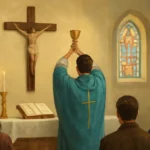
In the Roman Catholic Church, Holy Thursday is often observed with what is called the Mass of the Lord’s Supper, usually celebrated in the evening. The liturgy highlights the institution of the Eucharist, the commandment to love one another (often celebrated through the mandatum, the foot-washing rite or a reflection on service), and the transfer of the Eucharist to the Altar of Repose, where believers may observe a period of adoration until midnight.
A related, though separate, observance occurs with the Chrism Mass on Holy Thursday morning, when bishops bless the holy oils—the chrism, Oil of the Sick, and Oil of the Catechumens—which will be used throughout the year in sacraments and rites. This is a moment of ecclesial unity and sacramental renewal that underscores the communal character of the church’s mission.
In some parishes, the night service of washing is extended with an all-night vigil—a solemn practice that invites the faithful to contemplate the vulnerability of Jesus and the call to faithful service even in the face of adversity.
In the Eastern Orthodox Church, Holy Thursday is often referred to as Great Thursday. The day is part of a rich sequence of Holy Week liturgies, with services that reflect the same themes of the Last Supper, the Eucharist, and the call to service, though the liturgical forms differ from Western practice. The Orthodox tradition places a strong emphasis on the continuity of apostolic teaching and on the communal memory of the Eucharist as the Church’s actual body and blood offered for the life of the world.
The Chrismation and the blessing of the holy oils is a notable feature in many Orthodox communities around Holy Week, linking the custodianship of the sacraments to the church’s leadership and its sacramental life. The day can also feature processions, readings from Scripture, and homilies that underscore the themes of love, humility, and sacrifice.
Anglican and Protestant Traditions
In the Anglican Communion and many Protestant churches, Holy Thursday is observed under the banner of Maundy Thursday. The services typically center on the institution of the Eucharist and the mandatum, often including a rite of foot washing or a service of reflection on Christian service. The mood is both penitential and hopeful: a recognition of Jesus’ sacrifice and a hopeful call to imitate him in daily life.
Some Protestant communities place particular emphasis on preaching and catechesis during Holy Week, offering teaching about the meaning of the Last Supper and the New Commandment. Others incorporate artistic expressions—hymns, iconography, or dramatic readings—that re-create the emotional arc of the Last Supper and Jesus’ preparation for the passion.
Symbols, Rituals, and Sacred Objects
The day’s symbolism is rich and multi-faceted. The most visible elements include the Eucharistic rite, the mandatum, the reposed Eucharist, and the oils that bind the year’s sacraments to this moment in Holy Week.
Bread and wine — central signs of the Eucharist, representing Christ’s body and blood and his self-giving love.
Foot washing — a tactile sign of humility and service, inviting participants to imitate Christ’s example of love in action.
Altar of Repose — a place of quiet adoration and contemplation after the Mass of the Lord’s Supper, symbolizing Christ’s time of rest and vigil before his crucifixion.
Holy oils — including chrism, Oil of the Sick, and Oil of the Catechumens, which will be used in sacraments and rites throughout the year.
A liturgical vigil or prolonged prayer time — a shared practice in many communities to accompany Jesus in his moment of trial and to reinforce the call to watchfulness and prayer.
These symbols are not isolated rituals; they are mnemonic devices that help believers remember the core convictions of the Christian faith: that God’s love is concrete, that grace is given for daily living, and that the community is called to embody self-giving love in the world.
Why Holy Thursday Matters Today: Relevance for Believers
The meaning of Holy Thursday extends beyond liturgical memory. It invites a living faith in which believers:
Embrace service — The mandatum pushes Christians to consider how they serve others, especially those who are vulnerable or marginalized.
Value the Eucharist — The Last Supper narrative challenges communities to place the Eucharist at the center of life, not as a ritual afterthought but as the heart of communal identity.
Practice humility — The foot-washing rite or its symbolic equivalent challenges pride and fosters a culture of genuine hospitality and care.
Strengthen unity — The blessing of oils and the sharing of sacraments remind believers that they belong to a single body, regardless of denomination, over time and across cultures.
Enter into contemplation — The events of Holy Week invite persistent reflection on suffering, sacrifice, and hope, encouraging believers to respond with courage and compassion in their own communities.
Connect past and present — By remembering the Last Supper and its implications, Christians claim continuity with the earliest followers and interpret Jesus’ actions through the lens of today’s faith and practice.
For many communities, Holy Thursday also serves as a guardrail against complacency. It reminds Christians that faith is not a private sentiment but a public and communal way of life that should shape decisions, relationships, and the social order. The day invites engagement with issues of hunger, injustice, and service—echoing Jesus’ own ministry in Galilee and Jerusalem.
Practical Ways to Observe Holy Thursday in Daily Life
If you want to incorporate the spirit and meaning of Holy Thursday into everyday life, consider these practical paths that echo the day’s core themes:
Practice acts of service in your community, family, or church—intentional acts that meet needs and demonstrate love in concrete ways.
Participate in the Eucharist or a reflective bread-and-wine service if available, or create a quiet afternoon or evening for personal communion with God.
Reflect on leadership and humility by reading Jesus’ example in John 13 and choosing a daily habit of serving someone else, no matter how small the gesture.
Consider an oil blessing ritual in a local context—praying for healing, protection, or blessing over friends, families, and communities (where such practices are appropriate within your tradition).
Gather in prayer or a vigil with fellow believers to remember the week’s events and to anticipate Easter with hopeful anticipation.
The goal is not to perform an obligation but to live out the meaning of Holy Thursday in practical, visible ways that reflect the values of love, humility, and community.
Questions People Often Ask About Holy Thursday
What is the essential meaning of Maundy Thursday?
It centers on Jesus’ command to love others and the institution of the Eucharist, inviting believers to participate in the life of Jesus through service and sacramental life.
Why is foot washing included in some services?
Foot washing is a dramatic enactment of the New Commandment—serving others in humility—as Jesus gave a model for Christian conduct grounded in love rather than status.
How does Holy Thursday relate to Easter?
Holy Thursday begins a sequence that culminates in Easter. It proclaims the reality that God’s love enters human history in concrete ways that shape the community’s hope and practice, even in the face of suffering.
Do all Christian traditions celebrate Holy Thursday the same way?
No. Different traditions emphasize various aspects—Eucharistic celebration, foot washing, oils and sacraments, or liturgical processions—yet all reflect on the same central themes of love, service, and remembrance.







Leave a Reply