Biblical Scriptures for Easter: Hope That Jesus Is Risen
Quick Answer: These biblical scriptures for easter call believers to look beyond despair and toward the risen Christ. Matthew 28:6 invites you to come and see. Luke 24:6-7 reminds you to remember Jesus’ words about His crucifixion and third-day rise. John 11:25 assures you He is the resurrection and the life—so faith can live even through death.
Easter is more than a seasonal celebration—it is God’s invitation to witness Christ’s resurrection, to remember His promises, and to receive life in Him. When we sit with these biblical scriptures for easter, our hearts are steadied because the message is clear: Jesus did not remain in the grave. Instead, He rose, just as He said. Matthew 28:6 calls us to come and see the place where the Lord lay. Luke 24:6-7 turns our attention to remembering Jesus’ own words—His suffering, His crucifixion, and His third-day rise. And John 11:25 anchors our hope with the bold declaration that Jesus is the resurrection and the life. As you read, let these passages strengthen your worship and deepen your confidence that the living Savior is present with His people.
At a Glance — Verses in This Article
Matthew 28:6
John 11:25
Luke 24:6-7
Bible Verses
Matthew 28:6 (King James Version)
“He is not here: for he is risen, as he said. Come, see the place where the Lord lay.”
This verse centers Easter on the reality of the resurrection: Jesus is not here, because He has risen as He promised.
John 11:25 (King James Version)
“Jesus said unto her, I am the resurrection, and the life: he that believeth in me, though he were dead, yet shall he live:”
Here Jesus identifies Himself as the resurrection and the life, giving enduring hope beyond death.
“He is not here, but is risen: remember how he spake unto you when he was yet in Galilee, Saying, The Son of man must be delivered into the hands of sinful men, and be crucified, and the third day rise again.”
This passage urges believers to remember Jesus’ words about His crucifixion and His third-day rise again.
Come and See: Easter begins with the empty place (Matthew 28:6)
Easter faith often starts with a simple but life-changing invitation: come and see. In Matthew 28:6, the message is not vague optimism or emotional uplift—it is a concrete declaration tied to history: “He is not here: for he is risen, as he said.” The empty place becomes a sign that God keeps His promises.
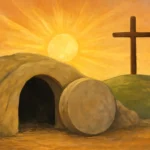
When you read this verse during Easter week, it can reframe your spiritual lens. Sometimes our lives feel crowded with questions—why did this happen, why does it hurt, why does hope feel delayed? Matthew 28:6 reminds you that Christ’s resurrection is a divine interruption in the cycle of loss. The Lord was laid in a place, but He is no longer there. That means death does not get the final word.
This also calls for more than passive agreement. The phrase “Come, see” suggests participation: you are invited to approach God’s Word, examine the testimony of the resurrection, and let it shape your confidence. Easter is not merely to be observed; it is to be received.
In a world that moves quickly, this verse invites stillness. Sit with what God has done. Let worship become factual, not only emotional. As you do, your hope becomes steadier—because the resurrection is not just an idea; it is God’s accomplished victory.
Remember His words: resurrection was foretold (Luke 24:6-7)
Luke 24:6-7 strengthens Easter hearts by focusing on remembering—not guessing, not reinventing the story, and not relying on wishful thinking. The disciples are reminded: “He is not here, but is risen: remember how he spake unto you…” The resurrection is presented as the fulfillment of what Jesus already said.
This is crucial because it teaches how faith grows. If resurrection were only a surprise, we would have less ground for confidence. But Jesus had prepared His followers: “The Son of man must be delivered into the hands of sinful men, … and be crucified, and the third day rise again.” Easter becomes the moment when God brings His Word to completion.
As you carry these verses through your own season, you may notice a pattern: God is faithful even when you do not immediately understand. Jesus spoke before the cross, and He rose after it. That means delays do not always mean denials. It also means pain is not the last chapter.
Practically, “remember” becomes a spiritual discipline. During Easter, return to what God has said. If you are facing uncertainty, let the timeline God gave—crucifixion, then third-day rise—train your expectations. When the Lord speaks, He also prepares.
Luke 24:6-7 thus turns Easter worship into remembrance. You are not only celebrating an event; you are standing on the reliability of the One who promised, suffered, and rose.
Jesus is the resurrection and the life (John 11:25)
John 11:25 moves Easter from an external event to a personal Savior. After a situation filled with grief, Jesus speaks with unwavering clarity: “Jesus said unto her, I am the resurrection, and the life: he that believeth in me, though he were dead, yet shall he live.” This is not only comfort for the future—it is truth for the present.
Notice the authority of the statement. Jesus does not say, “I will help you cope,” or “I might improve your circumstances.” He declares His identity: I am the resurrection, and the life. In other words, Easter is centered on a Person, not only a miracle.
This verse also strengthens faith with a promise attached to belief. The hope is not hypothetical: “he that believeth in me” is given a future shaped by Christ. Even when death casts a shadow, Jesus places a brighter certainty ahead: “yet shall he live.” That means Christian hope reaches beyond the boundaries of human control.
When you read this verse on Easter morning, let it address whatever “death-like” places exist in your heart or home—grief that has lingered, relationships strained, sins that seem too heavy, or dreams that feel postponed. Jesus’ words are designed to meet real life.
John 11:25 does not deny sorrow. Instead, it redirects attention to the One who stands above it. Easter becomes the day you worship the Living Savior and trust that His power is not limited by what terrifies you.
Combine this with Matthew 28:6 and Luke 24:6-7: the tomb is empty because Jesus rose as He said, and the reason that matters is that He is alive to give resurrection-life to those who believe.
How to let these scriptures shape your Easter week
To make these scriptures more than a reading assignment, practice them as a faith habit. First, begin your day with the invitation of come and see. Take a few quiet minutes and read Matthew 28:6 slowly. Then ask: “Where do I need real resurrection hope, not only religious emotion?” Let the empty place remind you that God can do what seems impossible.
Second, practice remembering as spiritual obedience. From Luke 24:6-7, choose one line—“remember how he spake”—and reflect on how Jesus foretold His crucifixion and third-day rise. If you are tempted to panic or to assume the worst, return to the reliability of His Word. Faith grows when you recall God’s promises and align your expectations with His character.
Third, personalize Jesus’ identity from John 11:25. Write out the words: “I am the resurrection, and the life.” Then pray them back to God, especially where you feel powerless. This verse invites you to believe in Christ personally: “he that believeth in me.” Belief is not mere agreement—it is trust that carries you through sorrow.
Finally, turn your reflection into worship. During Easter, share with someone a sentence from these verses that strengthens your heart, or use them in prayer during family worship. When the Word is spoken aloud, it builds courage.
If you do these simple practices, Easter faith becomes durable—anchored in the risen Lord, grounded in remembrance, and sustained by resurrection-life in Jesus.
Frequently Asked Questions
What are some Easter resurrection scriptures to read for hope?
For Easter hope, read Matthew 28:6 (the Lord is risen, and the place is empty), Luke 24:6-7 (remember what Jesus said about crucifixion and the third-day rise), and John 11:25 (Jesus is the resurrection and the life for believers). Together they strengthen faith before, during, and after Easter.
How do scriptures about Jesus’ resurrection help when I feel discouraged?
They redirect you from circumstances to Christ’s victory. Matthew 28:6 shows that death does not end the story. Luke 24:6-7 reminds you that Jesus’ words came true. John 11:25 places hope in His identity—He gives resurrection and life to those who believe, even when life feels unbearable.
Which verses to remember on Easter Sunday emphasize what Jesus promised?
Luke 24:6-7 is especially direct: “remember how he spake” and that He must be crucified and rise again the third day. Matthew 28:6 then confirms the promise fulfilled: He is risen, exactly as He said. These verses help your faith rest on God’s trustworthiness.
How can I use biblical scriptures for easter in prayer?
Read Matthew 28:6 and thank God that Christ is risen. Then pray with Luke 24:6-7 by asking for a heart that remembers Jesus’ promises. Finally, use John 11:25 to name your need and believe in Jesus as “the resurrection, and the life.”
A Short Prayer
Risen Lord Jesus, thank You that You are not in the grave—You are risen as You said. Teach our hearts to “come and see” and to “remember” Your Word, especially when we face confusion or grief. Remind us that You are the resurrection and the life, and that believers will live through You. Strengthen our faith this Easter, and make our worship steady, confident, and sincere. In Your precious name, Amen.
Key Takeaway: Easter faith is strengthened when you come to the risen Christ, remember His promises, and trust Him as the resurrection and the life.