Bible Verse About Easter Sunday: Key Passages for Reflection
Easter Sunday stands as a defining moment in Christian faith. It marks the victory of life over death, hope over despair, and grace over judgment. In this long-form guide, we explore bible verses about Easter Sunday from a variety of angles—the empty tomb, the appearances of the risen Christ, and the implications for faith and daily living. By surveying key passages, hearing the voices of Scripture in different expressions, and reflecting on their perennial truths, readers can cultivate a richer, more resilient hope rooted in the resurrection.
What makes Easter Sunday central to Christian faith?
The message of Easter is not a single verse but a woven tapestry of events and promises. Central to this feast is the claim that Jesus rose from the dead, proving his identity as the Son of God and confirming all that he taught about the kingdom of God. The Easter account narrates more than an event; it reveals a new order of life in which sin, fear, and death are conquered. For believers, Easter is both historical and existential: it grounds faith in a tangible moment and invites a living response of worship, gratitude, and mission.
Key Passages for Reflection on Easter Sunday
Below are select passages often used in Easter devotion. Each entry offers a brief explanation and a short, purposeful quotation drawn from traditional translations. The aim is to balance accuracy with accessibility, and to present multiple facets of Easter theology—identity, proclamation, transformation, and hope.
Luke 24:6-7 — The Resurrection Proclaimed
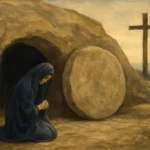
Luke’s account presents the moment when the women arrive at the tomb and encounter the message that the Lord has risen. This passage emphasizes the surprise of the witnesses, the historical witness of the empty tomb, and the instruction to remember Jesus’ own words about his death and rising. A concise, traditional line from this scene reads:
“He is not here, but is risen.”
Reflection ideas: Consider how the empty tomb reframes despair into hope. Reflect on the way God’s timing invites patient trust, even when the present circumstances seem hopeless. Think about your own life in light of a risen Christ who calls you to share the good news with others.
Key takeaway: Easter begins with an announcement that defies death and invites belief grounded in testimony and encounter.
Matthew 28:5-6 — The Risen One Speaks to Fear
This short exchange shows fear turning into faith as an angel comforts the women who come to the tomb. The key phrase here is not merely that Jesus rose, but that he is known to be the one who predicted his own death and resurrection. A brief excerpt often cited in devotion is:
“He is not here: for he is risen.”
Reflection ideas: When fear gives way to recognition, faith grows. How does knowing that the risen Christ walks with you alter the way you face daily challenges, loss, or uncertainty? Easter invites a renewed sense of mission as the disciples are commissioned to tell others the news they have witnessed.
Key takeaway: The resurrection is not only a claim about the tomb; it is a call to announce salvation and participate in God’s new world.
John 11:25-26 — The Resurrection and the Life
In a carefully chosen moment, Jesus speaks to Mary before the raising of Lazarus, declaring a profound identification: I am the resurrection, and the life. Although this moment precedes the Easter event itself, it unfolds a core truth that undergirds Easter: life has its source in Christ, and those who believe in him even if they die, will live again.
“He that believeth in me, though he were dead, yet shall he live.”
This statement broadens the horizon from a single miracle to a sustained pattern of divine life available through faith.
Reflection ideas: Explore how a personal relationship with the risen Christ redefines death and meaning. In what ways does belief in Christ’s life transform how you approach suffering, aging, or loss?
Key takeaway: The Easter message is inseparable from the claim that Jesus embodies eternal life for all who trust him.
John 20:19-23 — Peace, Gifts, and Commission
On the first day of the week, fear gives way to peace as the risen Jesus appears to the disciples. The event features a greeting of peace, the bestowal of the Holy Spirit, and a commissioning to forgive as they have been forgiven. A succinct line often cited in reflection is:
“Peace be unto you.”
Reflection ideas: Easter is not merely an individual triumph but a communal empowerment. How can you extend peace to others in your circles—family, coworkers, neighbors? How does the gift of the Spirit energize your daily witness?
Key takeaway: Resurrection life is given for mission—to bear witness, to heal, and to participate in God’s work of reconciliation in the world.
1 Corinthians 15:3-4 — The Core of the Gospel
Paul summarizes the gospel message in a compact confession: Christ died for our sins, was buried, and rose again on the third day. This passage has long been a foundational Easter text because it anchors faith in the historic sequence of events and their salvific significance. A brief quotation often cited is:
“Christ died for our sins according to the scriptures; and that he was buried, and that he rose again the third day.”
Reflection ideas: Contemplate the order of salvation in this summary—death, burial, resurrection—as a pattern for understanding your own spiritual journey. How does Easter shape your sense of grace, justification, and new life?
Key takeaway: The Easter proclamation rests on a concrete sequence that validates the Christian proclamation of forgiveness and new life through faith in Jesus.
Mark 16:1-8 — The Women, the Tomb, and the Sudden Surprise
Mark’s account emphasizes a childlike, undaunted faith that seeks Jesus even in the face of fear. The dawn visit by the women culminates in the startling discovery of the empty tomb and a message of resurrection. A line frequently used in study guides is:
“He is risen.”
Reflection ideas: How does Mark’s portrayal of fear, astonishment, and obedience invite you to respond in trust when God’s plans unfold in unexpected ways? Easter invites you to embrace mystery with courage and hope.
Key takeaway: The resurrection narrative crosses cultural and historical boundaries, inviting all readers to witness the reality of new creation breaking into the world.
Themes Emerging from Easter Verses
Beyond the individual verses, Easter Sunday weaves several enduring theological themes that scholars and pastors highlight during sermons and devotional studies. The following sections summarize these themes and show how they interconnect with the verses above.
The Victory Over Death
Across the resurrection narratives, the power of death’s defeat is a central motif. Christ’s victory is not a minor correction to life; it is a thorough transformation of the human condition. Believers are invited to share in that victory through faith and baptismal identity.
New Creation and Hope
Easter opens the door to a new creation reality—life infused with divine hope that transcends present trouble. The resurrection provides a lens through which to see suffering, injustice, and grief in the light of God’s ultimate plan for renewal.
Witness and Mission
Several Easter texts emphasize that the risen Christ commissions his followers to be witnesses. The proclamation of the resurrection is not private; it is a call to become agents of grace, reconciliation, and justice in the world. This mission is empowered by the Spirit and sustained by communal life in the church.
Grace, Faith, and Belief
Faith in the risen Christ rests not merely on a historical claim but on an experiential encounter with the living Lord. Easter invites believers to trust God’s promises, grow in grace, and cultivate a persevering faith that can weather doubt and difficulty.
Practical Reflections for Easter Sunday and Beyond
To translate Easter into daily life, consider the following practical ideas. Each point connects a verse to everyday practices that deepen faith and demonstrate the gospel in action.
Worship and gratitude: Let Easter be a season of renewed worship as you praise the risen Lord who conquers fear and grants peace.
Prayerful reflection: Use the verses to guide your prayers—gratitude for salvation, confession of areas needing transformation, and requests for strength to live as a witness.
Service and mercy: Engage in acts of mercy toward the vulnerable, reflecting the gospel’s concern for the well-being of others.
Community and testimony: Share Easter hope with friends, family, and neighbors, offering a word of comfort or a personal testimony of new life in Christ.
Grounded living: Build daily rhythms that keep the resurrection at the center—scripture, meals of fellowship, and opportunities for service.
How to Read and Reflect on Easter Verses
Approaching Easter verses with intention can deepen understanding and foster a resilient faith. Here are some practical steps to guide personal or group study:
Contextual reading: Read the surrounding chapters to understand the narrative arc of resurrection in each Gospel.
Compare translations: Note how different translators emphasize certain words (for example, “risen” vs. “has risen”) and consider how these nuances shape interpretation.
Key questions for reflection: What does this passage reveal about the character of Jesus, the plan of God, and the response required from believers?
Personal application: Identify one verse that speaks most directly to your life today and write a brief personal prayer or commitment.
Variations Across Translations and Key Phrases
Translations of Bible verses can vary in wording, which can gently shift emphasis or nuance. While the core message of Easter remains consistent, readers may encounter subtle differences that shape devotion and teaching. Some common variations you might notice include:
“He is risen” vs. “He has risen”—the tense can convey immediate realization in the moment versus a completed reality that remains true in every era.
“The Son of Man shall rise again” or “the third day he rise again”—the emphasis can range from the event to the fulfillment of prophecy.
“Peace be unto you” vs. “Peace be with you”—slight shifts in greeting that carry the sense of blessing for a specific moment or ongoing presence.
“According to the scriptures”—the justification for the resurrection is frequently tied to the Bible’s own claims about prophecy and divine plan.
In many churches and study groups, you may encounter a mix of public-domain translations (such as the King James Version) and modern translations (NIV, ESV, NASB, NLT). Each version has its own linguistic strengths. When studying Easter, a balanced approach often involves reading a public-domain text for direct quotes and consulting a modern paraphrase for accessible understanding, then comparing how the essential truths are retained across languages and eras.
Historical and Theological Context for Easter Verses
Understanding Easter passages also involves appreciating their historical backdrop and theological aims. The New Testament writers present the resurrection as a turning point in redemptive history, confirming Jesus as the Messiah and inaugurating the era of the Spirit’s presence among God’s people. The Gospels narrate the first witnesses, the early church proclaims the good news, and Paul articulates the implications for justification, sanctification, and hope for life after death. Easter thus connects:
Historical testimony—tangible encounters with the risen Jesus reported by witnesses in the early church.
Prophetic fulfillment—a pattern anticipated in the Hebrew Scriptures and fulfilled in the life, death, and resurrection of Jesus.
Transformational power—a present reality in which believers are called to live as people of hope, not fear.
Common Questions About Easter Verses
Readers often come to Easter verses with questions. Here are some commonly asked questions and concise answers to support thoughtful study and discussion.
Why do the Gospels include multiple resurrection accounts?
Each Gospel offers a particular emphasis and audience. Together, they present a multidimensional portrait of the resurrection, including the empty tomb, the appearances of Jesus, and the commissioning of the church. The variety of accounts invites readers to encounter the risen Christ from different perspectives and to recognize that faith grows through witness and encounter.
What does the phrase “the third day” signify in the Easter narrative?
The phrase points to the sequence of events predicted by Jesus and fulfilled in his death and resurrection. It highlights divine timing and the fulfillment of prophecy, while also underscoring continuity with biblical patterns of death and new life.
Easter is not only an event to be celebrated but a model for living. Resurrection life calls for a posture of grace, repentance, and service, with a renewed emphasis on love, justice, and reconciliation in community and culture.
Conclusion: Living in Light of Easter
In sum, Easter Sunday invites readers to encounter the living Christ, celebrate the defeat of death, and participate in God’s redemptive mission. The key Bible verses about Easter Sunday collectively proclaim a message that is both deeply personal and publicly transformative. The empty tomb announces victory; the appearances confirm relationship with the living Christ; and the gospel proclamation empowers communities to witness, forgive, and heal. As you reflect on these passages, may you discover a renewed sense of hope, a deepened sense of grace, and a more hopeful outlook for the future—because, indeed, Christ is risen.
For further study, consider using a devotional approach that pairs selected verses withReflection prompts, prayer, and small-group discussion. You can also map these passages onto key themes—identity in Christ, the victory over death, and the call to mission—to build a coherent Easter meditation that sustains faith beyond the holiday season.










Leave a Reply