Billy Graham and Prayer: Timeless Lessons on Faith, Prayer, and Hope
Billy Graham and Prayer: Timeless Lessons on Faith, Prayer, and Hope
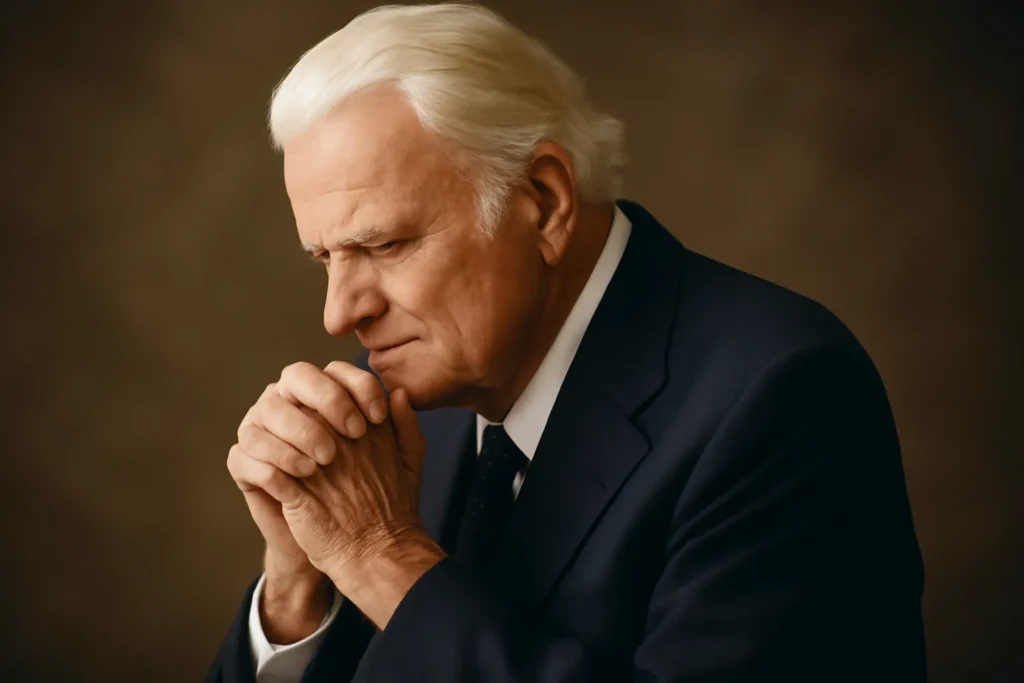
Billy Graham stands as one of the most influential Christian voices of the 20th century, a figure whose life and ministry were deeply intertwined with the practice of prayer. This article explores the enduring relationship between Billy Graham and prayer, tracing how a door-to-door preacher from North Carolina became a global teacher of faith, a public advocate for hope, and a relentless advocate for the believer's conversation with God. By examining his beginnings, daily habits, public rituals, theological foundations, and lasting legacy, readers can glean timeless lessons about faith, prayer, and hope that remain relevant in today’s world.
Origins and Spiritual Temperament: Billy Graham and the Practice of Prayer
The early life of Billy Graham was marked by the spiritual currents of revival and personal seekings after God. Born in 1918 in Charlotte, North Carolina, he grew up in a household that valued moral seriousness and regular church life. A pivotal turn occurred when he attended a revival meeting during high school, where the idea of prayer as a direct line to God began to crystallize in his conscience. From those beginnings, the evangelist developed a temperament of prayer that would color every phase of his ministry: private devotion, public supplication, and sustained dependence on the divine when leading millions.
Graham’s approach to prayer can be understood as the fusion of a personal spiritual discipline with a public vocation. He carried a conviction that prayer is not merely a religious gesture but a means by which God’s power meets human need. In his life, we see a model that combines humility before God with bold petition for change in the world. This blend—of intimate conversation with God and outward proclamation of the gospel—made prayer integral to both his inner life and his outward work.
A Life Shaped by Prayer: Daily Habits and Spiritual Discipline
A recurring theme in the testimony of those who knew him is that prayer was not spare or occasional for Billy Graham; it was a daily, intentional rhythm. Although the details of his personal routine varied with travel and schedule, several core practices can be traced across his years of ministry.
Daily Quiet Time
Graham reportedly began many days with personal time spent reading Scripture, reflecting on God’s promises, and presenting his concerns for family, friends, colleagues, and the needs of the world before God. This daily quiet time was more than discipline; it was a way of aligning the heart with God and gathering spiritual stamina for the day ahead.
Prayer as Intercession
A hallmark of his inner life was a posture of intercession—lifting up others before God. In a heavy schedule that included Crusades, media appearances, and organizational leadership, intercessory prayer became a source of strength and a way to participate in God’s transformative work beyond his own reach.
Scripture as Grounding
The practice of daily Scripture reading provided a framework for prayer. By letting God’s Word shape his requests and petitions, Graham learned to distinguish between wants and needs aligned with God’s purpose. This habit helped maintain spiritual clarity amid the noise of public ministry.
Prayer in Public Life: How Billy Graham Made Prayer Central to Evangelism
The public face of Billy Graham was inseparable from the way he used prayer in mass meetings and in global outreach. Prayer was not merely a private habit; it was a public instrument through which he invited thousands, then millions, into a shared sense of hope and divine possibility.
Crusades as Prayerful Gatherings
Graham’s Crusades were more than preaching events; they were organized environments where prayer shaped the atmosphere. He often spoke about calling people to make personal decisions, but the surrounding energy was sustained by prayer teams, prayerful planning, and a sense that God was at work as people listened and responded.
The traditional altar call—a moment in which individuals were invited to respond to the gospel—was framed within a culture of prayer. Attendees were encouraged to seek God, confess, and receive grace. Even as crowds grew to tens of thousands, Graham’s message conveyed that prayerful response remains a personal encounter with God, not merely a public display.
Prayer for Leaders and Worlds at Stake
In his address style and in his interviews, Graham consistently invited prayer for political leaders, national healing, and global peace. He believed that prayer could bridge differences, soften hearts, and foster humility among leaders who shape public policy. His ministry often linked the gospel with a vision of a world shaped by justice, mercy, and renewal—an aim he pursued with prayer at the core.
Prayer in Crises: Faith, Hope, and Resilience in Times of Trial
The life and work of the evangelist illustrate how prayer can sustain a person and a movement through times of crisis: social upheaval, cultural change, and the pressure of global expectations. In moments of national anxiety or international conflict, Graham’s emphasis on prayer functioned as a steadying, hopeful force.
Facing Social Change with Prayer
Across decades of ministry, the church faced rapid social change. Graham urged believers to meet these changes with prayer, not fear, and to seek a gospel-informed path forward. This posture helped many Christians maintain a compassionate witness while engaging public life with integrity.
Hope as a Practiced Virtue
For Billy Graham, hope was not a vague sentiment but a practiced conviction grounded in prayer. In moments of disappointment or setback, he pointed to prayer as a means of realigning priorities and receiving renewed energy for the mission ahead.
Global Prayer Movements
Graham’s ministry contributed to a broader sense that prayer could cross borders and cultures. He helped cultivate a sense of global solidarity among Christians who prayed for revival, spiritual awakening, and practical compassion for the poor and marginalized. This global dimension of prayer, coordinated through the Billy Graham Evangelistic Association and its partners, underscored the idea that prayer is not a solitary act but a communal response to God’s sovereignty.
Theological Foundations: What the Evangelist Taught About Prayer
The spiritual message of Billy Graham rests on several core convictions about prayer and its place in the Christian life. These convictions have shaped countless pastors, laypeople, and Christian ministries.
Prayer as Relationship
Graham taught that prayer is the ongoing relationship between a believer and God. It is not a transaction but a conversation that deepens trust, aligns the heart with God’s purposes, and invites God to act within human history.
Prayer as Obedience
He often framed prayer as an act of obedience—an admission that God’s wisdom surpasses human planning. In that sense, prayer is not primarily about getting God to do something but about aligning ourselves with God’s will and receiving the strength to follow through.
Prayer as Intercession and Petition
Intercession—standing in the gap for others—was central to Graham’s understanding of prayer. He encouraged believers to pray for families, communities, nations, and the persecuted church, recognizing that intercession participates in God’s redemptive work for the world.
Beyond requests, Graham emphasized that prayer includes worship, praise, and gratitude. The act of praying trains the heart to recognize God’s goodness, sovereignty, and mercy, which in turn fuels hopeful and ethical living.
Legacy and Contemporary Relevance: Prayer in Today’s World
The legacy of the evangelist’s approach to prayer remains visible in contemporary Christian practice. Even as media and technique evolve, the foundational ideas of private devotion, public prayer, and urgent intercession continue to shape how churches think about spiritual life and mission.
Media-Integrated Prayer and Revival Mindset
Graham’s era popularized the idea that prayer could travel through broadcasts, print, and later digital media while staying anchored in sincerity and humility. The result was a revival mindset that invites people to engage with prayer across platforms, not merely within a single sanctuary or gathering.
Ecumenical and Global Sensibilities
The long arc of his ministry shows how prayer can operate as an ecumenical bridge, drawing Christians from diverse traditions into shared petition for revival and humane policy toward the vulnerable. This inclusive impulse reminds readers that the best uses of prayer often involve joyously crossing lines of difference in order to lift up common needs.
Public Integrity and Humility
A lasting lesson from Graham’s example is that sustained humility before God helps a public figure remain teachable, faithful, and effective. Prayer becomes both a source of moral ballast and a catalyst for ethical leadership in complicated cultural moments.
For individuals seeking to cultivate a robust spiritual life modeled on Graham’s approach to prayer, the following practical lessons can help translate historical wisdom into everyday practice.
Make prayer a daily appointment: Treat prayer as a scheduled time with God, not a spontaneous impulse that arrives only when problems arise.
Pray with specificity: Bring concrete names, needs, and hopes before God, which helps keep prayer intimate and focused.
Pair prayer with action: Let prayer guide decisions and lead to compassionate deeds, whether in small acts of kindness or larger commitments to justice.
Embrace intercession: Regularly pray for friends, family, strangers, and leaders; consider adding a short weekly intercession list.
End with gratitude: Close prayers with thanksgiving, acknowledging God’s presence and faithfulness through the day.
Implementing these steps can transform routine moments into opportunities for encounter with the divine. The goal is not to perform religious duty but to cultivate a living relationship with God that informs how we love and serve others.
Common Myths and Misconceptions about Billy Graham and Prayer
As with any influential figure, several myths drift alongside the public narrative. Understanding the truth about Billy Graham and prayer helps readers evaluate his legacy with nuance.
Myth: Graham cured nations through mere words
While his prayers and messages inspired many, he himself consistently framed revival and transformation as work of God, not a product of one person’s speaking. The salience of prayer was to cultivate humility, repentance, and collaborative action rather than claiming sole credit for national change.
In truth, Billy Graham’s era demonstrated that prayer can be deeply intimate while also publicly shaping a movement. His gatherings and media presence showed how private devotion could inform public witness without compromising sincerity.
Myth: Graham’s approach is outdated
The core ideas—discipline, intercession, worship, and reliance on God—are timeless. The way these ideas are practiced may adapt (through digital media, for example), but the fundamental logic of prayer as a gateway to trust, courage, and ethical action remains profoundly relevant.
Conclusion: A Timeless Model of Faith, Prayer, and Hope
The life of Billy Graham offers a long, instructive field guide on how prayer can sustain a person and propel a movement. He modeled a form of Christian leadership that did not seek ultimate power for its own sake but sought to usher communities toward hope, peace, and justice through a consistent practice of prayer. The lessons are not merely historical; they invite readers to cultivate their own habits of prayer, to participate in the world with humility and courage, and to trust that God can do far more than we can imagine when we approach Him with faith.
In today’s world, the question remains whether readers will adopt a Graham-inspired rhythm—private devotion that fuels public witness, private confession that informs public integrity, and public prayer that invites collective healing. If you adopt even a few elements from Graham’s approach, you may discover that faith deepens, hope grows more resilient, and your life becomes more aligned with purposes larger than your own ambitions.
Final reflection on practice and purpose
Consider incorporating these practices as you reflect on prayer, leadership, and service:
Begin your day with a brief prayerful listening to God’s word.
Keep a simple journal to record requests, insights, and moments of gratitude.
Set a recurring time for intercession, perhaps once a week for leaders and communities beyond your circle.
Read Scripture with a purpose to apply it in ways that bless others and address real needs.
Invite accountability and support from trusted friends or mentors in your journey of faith and service.
As you pursue your own path, you may find that the stories of Billy Graham and his practice of prayer offer more than historical interest. They present a model of faith, prayer, and hope that invites ongoing exploration, personal transformation, and a more expansive sense of what a life in ministry can become when anchored in conversation with God.








Leave a Reply