Pastor Smith Wigglesworth: Biography, Teachings & Miracles
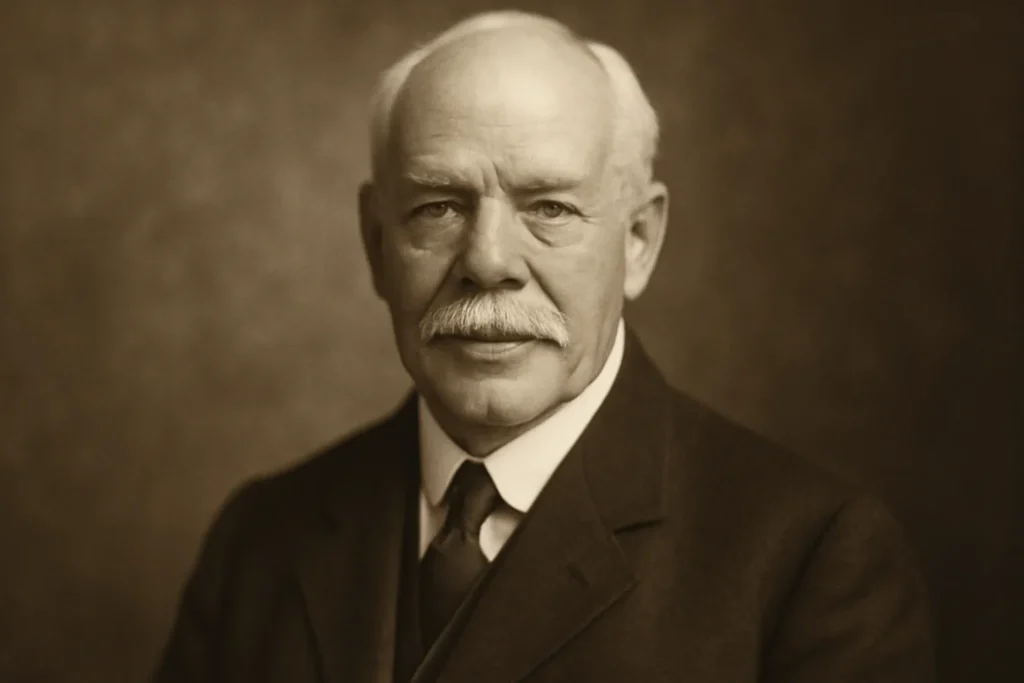
The figure commonly known as Pastor Smith Wigglesworth stands as a towering voice in the history of 20th‑century evangelism and faith healing. Widely regarded as one of the early architects of modern Pentecostal thought in England and beyond, he became a household name among believers who emphasized the reality of God’s miraculous power in daily life. This article surveys the life, beliefs, and celebrated ministry of Wigglesworth—often referred to simply as Smith Wigglesworth, the evangelist, or Pastor Wigglesworth—and offers an accessible overview of his biography, core teachings, and the miracles attributed to his prayers. While many accounts of his work come from biographers and adherents within Pentecostal circles, the enduring impact of his faith-filled approach to prayer, healing, and scriptural authority remains evident in contemporary Christian practice.
Biography of the Evangelist: Early Life and Path to Ministry
Early life and formation
Smith Wigglesworth was a British Christian minister whose early years were rooted in a working‑class context. Born in the late 19th century, he grew up in a family and community where practical trades, perseverance, and religious shaping influenced his worldview. In his youth, he learned a trade and carried on with work that kept him connected to everyday life and the common person. This practical foundation would later inform his approach to ministry, which emphasized real faith for real life and tested the claims of Scripture in ordinary circumstances.
Turning toward preaching and revival
In his midlife years, Wigglesworth transitioned from secular labor to a life of itinerant prayer and preaching. He embraced a message centered on the authority of God's Word, the faith that activates divine power, and the expectation that God desires to heal and deliver. His ministry quickly took shape through revival meetings, small gatherings, and door‑to‑door conversations where people encountered the possibility of miraculous intervention through faith in Christ.
Wigglesworth and his wife—often referred to simply as Polly Wigglesworth in biographical sketches—shared a life of prayer and ministry. Polly is frequently described as a partner who stood with him in the early and ongoing work of reaching communities with the gospel. The couple’s home life and marriage became a lived demonstration of the gospel’s power to transform not only individuals but also households and neighborhoods through steadfast faith, prayer, and practical acts of service.
Ministry expansion and historical context
Throughout the first half of the 20th century, Smith Wigglesworth became a prominent figure in the Pentecostal and charismatic streams of Protestantism. His preaching emphasized the baptism of the Holy Spirit, the supremacy of Scripture, and the possibility of consistent divine healing through prayer and absolute reliance on God. His approach resonated with generations who were hungry for a personal, experiential faith—one that did not merely acknowledge spiritual truths but expected the living God to act in the present moment.
Death and legacy
Pastor Wigglesworth passed away in the mid‑20th century, leaving behind a large legacy of testimonies, sermons, and written reflections. His life continues to be cited by believers who value a simple, direct faith that trusts in God’s power to heal, deliver, and transform. The story of Wigglesworth endures not as a flawless biography of perfection but as a compelling account of a man who faced life with unwavering confidence in the reality of God’s intervention in the here and now.
At the heart of Wigglesworth’s teaching was a robust confidence in the authority of Scripture and in the person and work of the Holy Spirit. He urged believers to align themselves with God’s will as revealed in the Bible, and to live by the truth that prayer is not a vague wish but a powerful, concrete conversation with the Almighty. He often spoke of faith as a dynamic force activated by God’s promises, rather than a human effort to manipulate outcomes.
The nature of faith and prayer
In Wigglesworth’s view, faith was not a religious ornament but a living trust in God that yields observable results. He taught that prayer should be characterized by expectancy—believers should speak to situations with the authoritative declarations of God’s Word and stand in faith until manifestation occurs. This stance did not deny struggle or doubt; rather, it reframed difficulty as an arena in which God’s power could be released when believers persist in prayer and obedience.
Healing, deliverance, and the Holy Spirit
A central element of Wigglesworth’s message was the belief that ministering healing and deliverance is a legitimate and ongoing activity for Christians. He linked healing to the atoning work of Christ and to the ongoing ministry of the Holy Spirit in the world. For him, divine healing was often a natural extension of faith in God’s promises, demonstrated through spoken commands, touch, or prayer. He emphasized that healing belongs to the children of God and is part of the redemptive life Jesus secured for believers.
Authority of Scripture and practical piety
Beyond miracles, Wigglesworth stressed that a believer’s life should be shaped by the Word of God and the power of a transformed character. He encouraged believers to cultivate simple, steadfast obedience, humility, and a life of prayer as prerequisites for any public demonstration of spiritual power. His practical piety—consistent Bible engagement, private devotion, and a lifestyle that reflected biblical truth—was presented as the soil in which miracles could occur.
Public witness and personal holiness
Public preaching, personal testimony, and a reputation for integrity were essential to Wigglesworth’s approach. He taught that genuine miracles would be accompanied by signs that point to the Creator and healers’ dependence on divine grace rather than personal cleverness. In his view, humility and dependence on God were not barriers to power but prerequisites for it.
Miracles and Healing: Reports, Encounters, and Theological Significance
Representative accounts of healing
Throughout his ministry, Wigglesworth’s preaching and prayers were associated with a range of healings and reported miraculous interventions. Believers recount scenes in which individuals regained mobility, strength, or relief from long‑standing illnesses after prayer or impartation. These narratives, often shared in revival settings or in personal testimonies, contributed to Wigglesworth’s reputation as a spirit‑empowered minister who trusted God for immediate, observable results.
Doctors’ assessments and testimonies from those present sometimes described rapid improvements after prayer, with witnesses attributing the change to a direct act of God’s power.
Stories circulated about individuals experiencing relief or healing after specific acts of faith, such as naming symptoms aloud and then receiving relief in the moment of prayer.
Accounts of healing services in which crowds gathered, with many participants testifying to notable healings and newfound peace through faith in Christ.
Controversy, discernment, and the arc of reception
Like many early Pentecostal healers, Wigglesworth’s ministry provoked both admiration and scrutiny. Critics have noted the need to interpret testimonies with discernment, particularly when they involve dramatic or dramatic‑style intervention. Proponents emphasize that the core of Wigglesworth’s message lay in trusting God’s promises, while also highlighting the humility and readiness to submit to divine sovereignty that characterized his approach. The theological significance of his miracles lies in their function as signs pointing to the reality of God’s ongoing activity in the world and the possibility of Jesus’ healing power made present through faith.
Influence on healing prayer and contemporary ministries
Smith Wigglesworth’s life and ministry left a deep imprint on many later preachers and healing ministries. His insistence on simple faith, persistent prayer, and a straightforward proclamation of healing in Jesus’ name helped shape a generation of ministers who would continue to advocate for divine healing as a normal aspect of the gospel. His influence is often cited by modern evangelists who emphasize faith‑driven miracles as part of a vibrant church life, while also encouraging responsible doctrinal teaching and pastoral care.
Writings, Sermons, and the Transmission of his Message
Key texts and enduring sermons
Although Wigglesworth’s lifetime was marked by public preaching more than by formal publishing, his teachings were captured and circulated through books, compilations, and sermon recordings. A number of his messages have been preserved and remain in circulation among churches that value his approach to faith, prayer, and healing. Among these is a collection commonly associated with his name, presenting a concise window into his unforgettable style and theology. Readers and listeners often recall his distinctive, directive style and his repeated emphasis on God’s sufficiency in all circumstances.
Ever Increasing Faith and related legacies
Wigglesworth’s life story has inspired readers to explore the principle of ever increasing faith, a phrase often used to describe a growing confidence in God that expands as believers encounter Him in prayer and daily life. This concept, frequently associated with Wigglesworth’s teachings, invites Christians to pursue ongoing spiritual development, deeper reliance on the Holy Spirit, and greater consistency in prayer and obedience. Many readers find that his example serves as a practical guide for cultivating resilience and trust in God when facing life’s challenges.
In the modern era, Smith Wigglesworth and his message continue to travel through sermons, conferences, and online media. The availability of audio recordings and biographical write‑ups allows new generations to encounter his emphasis on the reality of God’s power and the importance of faith as a lived experience. As a historical and spiritual figure, his writings and orations are used by teachers and pastors to illustrate how faith, when anchored in Scripture and lived out in daily life, can lead to what believers describe as tangible breakthroughs and divine intervention.
Legacy and Practical Takeaways
What modern believers can learn from Wigglesworth
Scriptural authority: Ground faith in the Bible and let God’s promises guide prayer and action.
Persistent prayer: Maintain openness to God’s timing, while remaining steadfast in supplication and intercession.
Stance of humility: Rely on God, not on personal prowess; recognize that power belongs to Him alone.
Expectation for God’s activity: Cultivate a posture that expects God to work in the present, not only in the past or in theory.
Care for the whole person: Combine faith in healing with compassion, pastoral care, and responsible leadership.
Biographical impact on church history
Wigglesworth’s life is frequently cited in discussions of the Pentecostal and charismatic revival movements. He is remembered as a bridge figure who connected a robust, prayer‑centered piety with a public emphasis on miracles and healing. His story illustrates a broader trend in which ordinary Christians, empowered by faith and the Holy Spirit, sought to demonstrate God’s presence through word, deed, and signs following the gospel message. For many, his biography offers a case study in how a person’s private devotion can translate into public ministry that touches communities and nations.
Why the figure of Wigglesworth matters today
Contemporary relevance of his approach
In today’s diverse Christian landscape, the life and message of Pastor Wigglesworth remain relevant for believers who value bold faith, practical ministry, and a trust in God’s immediate action. His example invites readers to examine how they engage with Scripture, prayer, and service, encouraging a faith that is neither passive nor sensational but firmly anchored in the person and work of Christ. The ongoing conversation about healing, miracles, and the role of the Holy Spirit in daily life often circles back to the foundational ideas that Wigglesworth championed: the reality of God’s power, the centrality of Christ’s atonement, and the permission given to the church to seek and see God at work in the world today.
Scholarly and devotional perspectives
Scholars and devotional writers alike approach Smith Wigglesworth from different angles. Some emphasize the historical context of early Pentecostalism and the social currents that fostered revival in the United Kingdom and abroad. Others focus on devotional applications—how his teachings on faith, prayer, and healing can inform personal disciplines, church life, and ministry training. Regardless of angle, the enduring thread is a conviction that faith, undergirded by Scripture and empowered by the Holy Spirit, remains a dynamic force in the life of a believer and the life of the church.
Conclusion: Remembering a Faithful Servant
Smith Wigglesworth, known in many circles as Smith or Pastor Wigglesworth, embodies a distinctive era of Christian faith where practical theology met extraordinary expectations of God’s power. His biography—rooted in humble beginnings, a devoted marriage, and a relentless pursuit of God through prayer and preaching—continues to inspire both admiration and inquiry. His teachings on the Holy Spirit, the ability of believers to minister healing, and the authority of Scripture have left a lasting imprint on the global church. Whether one encounters his life as a historical example, a devotional invitation, or a template for faith in action, Wigglesworth’s legacy invites readers to cultivate a fearless, hopeful, and prayerful life in harmony with God’s Word and Spirit. The story of this English evangelist—often summarized as a man who believed God and saw Him work—remains a landmark in the narrative of Christian healing and revival.





Leave a Reply