Black Stone with White Veins: Meaning, Properties, and Uses
Black Stone with White Veins: Meaning, Properties, and Uses
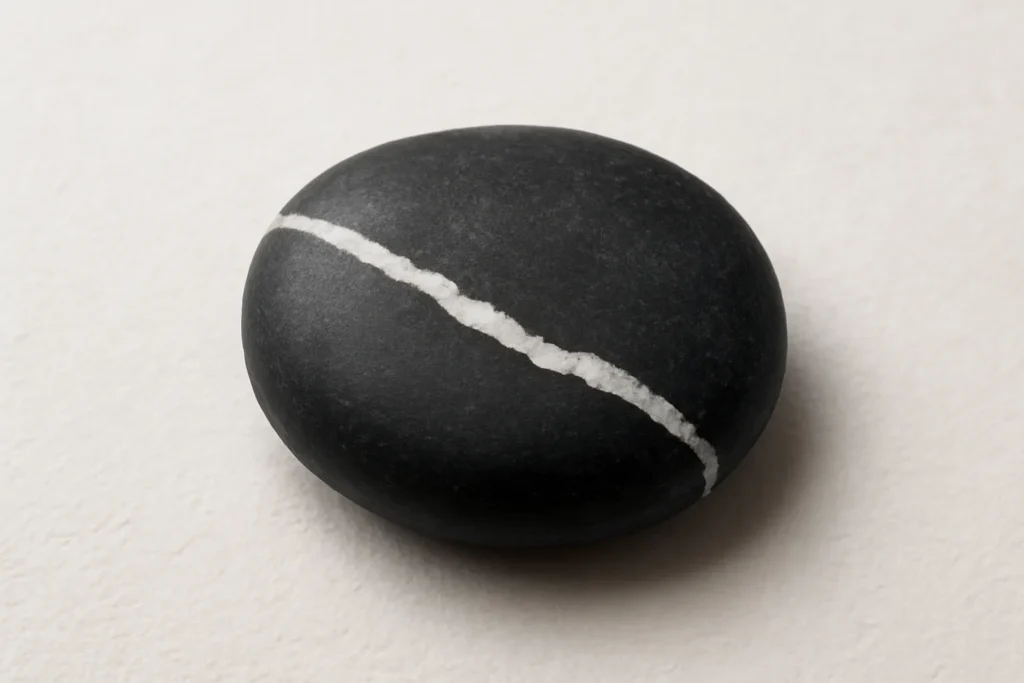
The phrase black stone with white veins evokes an image of a dramatic, two-toned material that blends darkness with bright, pale lines. In geology and in design alike, stones that show black or near-black backgrounds with white veins or streaks are prized for their contrast, texture, and the sense of depth they bring to objects and spaces. This article explores the meaning, properties, and uses of black stone with white veins, including common varieties, how these stones form, how to identify them, and practical tips for care and selection. Throughout, you will encounter variations of the term to reflect the diversity of materials that can present this striking appearance, such as black stone with white streaks, black stone with white marbling, white-veined black stone, and dark stone with pale veins.
In many traditions, the combination of black and white evokes dualities—night and day, shadow and light, mystery and clarity. When a stone displays black stone with white veins, it often carries messages linked to balance, grounding, and resilience. The dark matrix can be interpreted as a foundation or shelter—a reminder of strength and protection—while the bright veins symbolize clarity, communication, or the pathways by which light can traverse even the deepest shadows. For designers and healers who work with stones, this contrast frequently represents the idea that even within a solid, enduring surface, there are lines of insight, energy, or memory that can guide or inspire.
Because the black host and the white inclusions are usually different minerals or mineral forms, the symbolism of white-veined black stone can also carry a sense of transformation. The white veins often look like they are “written into” the dark background, suggesting that change or revelation can emerge from within a solid, seemingly unyielding material. In interior design or jewelry, this interplay invites attention to the spaces between things—the seams, joints, or seams where light travels and finishes are joined. For some collectors, the presence of veins acts as a reminder that nature’s processes—fractures, mineral deposition, and metamorphism—leave marks that can be appreciated rather than concealed.
In addition to symbolic interpretations, the etymology and common usage of terms such as dark veined stone or veined black marble help people quickly identify a material’s visual character and potential applications. The phrase black stone with white veins thus becomes a practical shorthand in catalogs, design briefs, and trade discussions for materials that can range from natural rocks to engineered composites that mimic natural veining.
Geological origins and formation
How veining occurs in a dark host rock
The defining feature of black stone with white veins is the presence of contrasting minerals deposited within fractures or layers of a dark, dense rock. The white components are most commonly mineral species such as calcite (calcium carbonate) or quartz (silicon dioxide), though you may also encounter other pale minerals like dolomite or feldspar in some varieties. Veins form when mineral-rich fluids travel through tiny cracks and fissures in the host rock. When conditions change—temperature, pressure, chemical composition—the dissolved minerals precipitate out of the solution and fill the cracks, creating the bright lines or bands that define the stone.
Common host rocks and vein minerals
Several host rocks are known to produce the signature look of black stone with white veins, including:
Black marble varieties with calcite veins. These are often quarried from metamorphosed carbonate rocks and feature strong, enduring whiteness in contrast to a deep, dark background.
Basalt or dolerite with calcite or quartz infill. Basalt can host white veins that appear sharply against the near-black matrix, offering a more rugged, architectural character.
Onyx or agate-like stones bearing banded or veined patterns. Onyx is typically composed of layered calcite and can include dramatic veining in light hues, including white.
Granite, schist, or slate with lighter mineral inclusions. Some dark-colored varieties display conspicuous veins or streaks formed by quartz or feldspar pockets.
It is important to recognize that white-veined black stone is not a single mineral species but a broad category encompassing several rock types and finishes. The exact chemical composition and mineralogy influence not only appearance but hardness, durability, and suitability for different applications.
Physical properties and how to identify
Key characteristics
When assessing a material described as black stone with white veins, the following properties are useful cues:
Color and veining: A dense black or charcoal background with crisp white, pale gray, or light-colored veins or streaks.
Luster: Many varieties have a vitreous to satin luster on polished surfaces; some, like black marble, can exhibit a slightly waxy or dull finish if unfinished.
Hardness: The hardness varies by mineral content. Quartz-rich varieties approach Mohs hardness 7, making them relatively scratch-resistant; calcite-rich veins may be softer (Mohs 3), which can affect wear and maintenance.
Porosity: Some dark stones are fairly dense and non-porous, while others may be more porous, especially if the white veins are calcite. Porosity influences stain susceptibility and finishing needs.
Durability: Engineered versions or sealed natural stones can offer improved resistance to acid etching, moisture, and daily wear compared with untreated variants.
Assessment tips
To identify a sample as a true black stone with white veins, consider a combination of these tests and observations: a casual inspection of color contrast, a scratch test (gentle, in an inconspicuous area, with a mineral of known hardness), and, when available, documentation from the supplier about mineralogy. For a precise identification, a petrographic analysis or a simple acid test for calcite can illuminate whether white veins are calcite and whether the host rock is basalt, marble, or another mineral family.
In practical terms, the visual impact of the combination of dark background and light veins is often more important than strict mineral naming for design and consumer purposes. A piece marketed as white-veined black stone is typically chosen for its dramatic pattern and versatility in spaces that range from contemporary to classic.
Uses: jewelry, decor, and architecture
In jewelry and small objects
In jewelry, black stone with white veins provides a striking alternative to uniform black or solid white pieces. Common applications include:
Cabochons and faceted stones with visible veining, used in rings, pendants, and earrings.
Beads and inlays that highlight the contrast between the dark ground and white lines.
Carved figurines and cutlery handles, where the veining adds a natural, one-of-a-kind aesthetic.
Decorative and architectural uses
Beyond personal adornment, dark-veined stone is widely used in interior and architectural contexts. Some popular applications are:
Countertops and backsplashes that balance warmth and formality in kitchens and baths.
Flooring and wall cladding to create a sense of depth and drama in lobbies, living rooms, or feature walls.
Sculptural elements and fireplace surrounds that emphasize texture and movement of the veining under light.
In architectural projects, the choice of black stone with white veins can influence lighting strategies. Polished surfaces reflect light, while honed finishes soften reflections and reveal subtle color shifts along the veins. Some designers combine white-veined black stone with metallic accents or lighter stones to enhance contrast and highlight the veins as a design feature.
Care, maintenance, and longevity
General guidelines
Care for black stone with white veins depends on its exact mineralogy and finish. In general, follow these guidelines to maintain its beauty:
Use a damp, soft cloth for routine cleaning. Avoid abrasive pads that can scratch the surface and dull the veining.
Seal natural stones that have porous components to protect against staining; reseal as recommended by the manufacturer or fabricator.
Avoid acidic cleaners (vinegar, citrus acids, certain household cleaners) that can etch calcite-containing veins. For calcite-rich white veins, use pH-neutral or stone-safe cleaners.
Wipe up spills promptly, especially oil-based substances and wine, which can penetrate porous variants and cause staining.
Use coasters, trivets, and cutting boards to protect surfaces from heat, impact, and chemical damage.
When to seek professional care
If the stone is part of a large installation—such as a countertop or wall panel—consider periodic maintenance from a professional. They can assess sealant integrity, perform resealing when needed, and address any microcracks, chips, or dulling of the veining that may affect both appearance and durability.
Whether you are selecting black stone with white veins for a countertop, a sculpture, or a feature wall, use these practical criteria to guide your decision:
Pattern and vein intensity: Decide whether you prefer bold, dramatic veins or a more delicate, speckled pattern. Vein width, frequency, and color can significantly alter the overall look.
Finish: Polished finishes reveal high contrast and a glassy surface, while honed finishes soften the look and reduce glare. The choice affects upkeep and the perceived depth of the veining.
Hardness and durability: If the piece will endure heavy use (kitchen countertop, flooring), consider a higher hardness variety (quartz-rich or quartz-based composites often outperform softer calcite-rich stones).
Sealing requirements: Porous varieties benefit from sealing to resist staining. Confirm the sealing plan with the supplier or fabricator.
Origin and consistency: Natural stones can show batch-to-batch variation. If uniformity is important, ask for sample cards or slabs from the same quarry run.
Maintenance needs: Some veined stones require more careful upkeep due to calcite content. Ensure you are comfortable with the recommended care regime.
Variations of the basic term, such as dark veined stone or white-veined black marble, are common in catalogs. When shopping, request a sample or a photo under different lighting to understand how the veins read in ambient or task lighting.
Common varieties and their distinctive looks
Black onyx with white veining
One familiar variant is a black onyx with white veins, where layers of translucent to opaque black material are interlaced with bright calcite or quartz lines. This combination creates bold, jewelry-grade pieces with a timeless appeal.
Black marble with calcite veins
Another widespread option is black marble with calcite veins, offering a classic, luxurious look. The veins are often more fluid and branching, resembling natural marble patterns, which can suit traditional interiors or contemporary settings seeking elegance with natural character.
Veined basalt or dark granite speckled with light veins
For architectural purposes, you may encounter veined basalt or dark granite with pale veins. These stones bring a robust feel suitable for high-traffic areas, while the veining adds visual interest and helps disguise wear patterns over time.
Engineered and composite alternatives
In addition to natural stones, there are engineered materials designed to mimic the look of black stone with white veins. Engineered surfaces can offer improved uniformity, controlled vein patterns, and enhanced resistance to staining and scratching. When selecting engineered options, review the product slab or sample carefully to ensure the veins align with your design goals.
Environmental and ethical considerations
As with any quarried stone, sourcing black stone with white veins involves environmental and social considerations. Customers and designers increasingly seek:
Responsible quarrying practices that minimize waste, protect water resources, and monitor dust and emissions.
Supply chain transparency to verify origin, labor conditions, and fair pricing for workers.
Recycled content and circular use in the case of engineered materials or repurposed slabs for furniture and architectural elements.
Before purchasing, ask for certifications, quarry information, and environmental statements from the fabricator or supplier. Knowledge about ethical sourcing and environmental stewardship helps ensure that the aesthetic beauty of the stone aligns with responsible stewardship of natural resources.
Careers of professionals working with veined stones
Several trades rely on knowledge about black stone with white veins to deliver quality results. These professionals include:
Stone fabricators who cut, polish, and seal slabs for countertops and surfaces.
Architects and designers who specify the stone for interiors, exteriors, and furniture.
Geologists who classify stones and explain their formation and mineral content.
Quarry managers who oversee extraction with attention to safety and environmental impact.
Understanding the basics of black stone with white veins can help clients communicate more effectively with these professionals and set realistic expectations for appearance, performance, and maintenance. The language of veining—how bold, how narrow, and how many veins—often becomes a central design parameter in projects that use this material.
Frequently asked questions about veined dark stones
Is the white part of a black stone always calcite?
No. While calcite is a common white or pale mineral found in many white-veined black stone varieties, other minerals such as quartz or dolomite can create the white veins. The exact mineralogy depends on the stone’s geological history and the fluids that filled its fractures.
Can veined black stones be used outdoors?
Some varieties are suitable for outdoor use, especially those with higher density and low porosity. However, exposure to weathering can affect veining over time. It is important to verify outdoor suitability with the supplier and to consider sealants, maintenance, and drainage in exterior installations.
Do all black stones with white veins require sealing?
Many do, especially if the white veins are calcite or if the surrounding matrix is porous. Sealing helps resist staining from common household substances and makes routine cleaning easier. Always follow the manufacturer’s recommendations for sealing and maintenance.
Conclusion: appreciating the beauty and versatility
From a geological perspective to a designer’s palette, black stone with white veins represents a natural fusion of contrast and cohesion. The dark background provides a grounded, timeless feel, while the white veins introduce movement, light, and complexity. This combination makes black stone with white veins a versatile choice for a wide range of applications—jewelry, sculpture, architectural detailing, and interior finishes—offering a tactile experience and a visual narrative that invites closer inspection. Whether described as black stone with white streaks, black stone with white marbling, or white-veined black stone, the essential appeal remains: a material that carries both the weight of the earth and the sparkle of light, a reminder that even the darkest surfaces can host bright expressions of mineral artistry.
As you explore options, consider how the veins read under your lighting, how the finish behaves with cleaning regimens, and how the stone’s color and pattern align with your design goals. With careful selection, maintenance, and ethical considerations, a piece of dark veined stone can become a lasting focal point that captures attention without overpowering the surrounding space.
In sum, the durable elegance of black stone with white veins lies in its ability to fuse nature’s artistry with human intention—where geology and design meet to create something both functional and inspirational.









Leave a Reply