Burden Verse: Meaning, Origins, and How to Use It in Poetry
The idea of a burden verse sits at an interesting crossroads in poetry. On one axis, it can refer to a refrain or chorus that returns after each stanza, lending the poem a chant-like rhythm and a public, almost liturgical weight. On another axis, it can evoke the sense of a prophetic burden—the notion that language itself carries a weighty message that the speaker must bear, even when the message is difficult or dangerous to deliver. In contemporary practice, poets often blend these senses, using a burden as both a structural and thematic anchor. This article surveys the meaning, origins, and practical techniques for incorporating burden verse into modern poetry, with attention to how variations of the term expand its semantic range.
What is a Burden Verse?
A burden verse can be understood in two closely related, yet distinct, ways. First, as a form of refrain or chorus in traditional ballads and narrative poems. In many folk and courtly traditions, a single line or a short stanza—often signaled by a distinct cadence or repeated rhyme—recurs at intervals, offering listeners a moment of arrival, reflection, or communal memory. This repetitive unit is the burden, and it sits outside the narrative action while remaining inseparably linked to it.
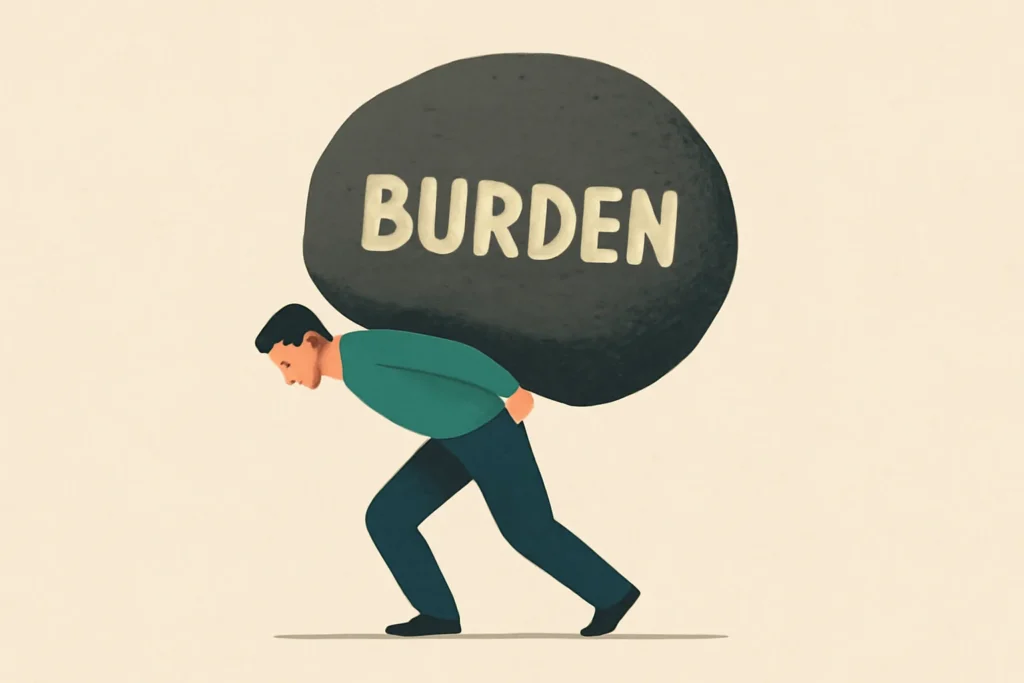
Second, and more philosophically, a burden verse is a line or sequence of lines that embodies what a speaker must carry—an ethical, political, or existential weight that shapes the poem’s trajectory. In this sense, burden is less about a repeated mechanical device and more about the emotional gravity and moral responsibility embedded in the language. A burden verse in this sense can function as a lens through which the reader perceives the subject’s gravity, making the weight explicit and memorable.
Poets who work with burden verse often use both senses in tandem. A refrain may deliver a recurring image of weight, while the surrounding stanzas develop the narrative or argument that the burden represents. The result is a form in which weight, rhythm, and meaning converge: a poem that feels both cyclical and consequential.
Origins of Burden Verse
The concept of burden verse has deep roots in two broad traditions: the ballad refrain tradition of European folk poetry and the prophetic literature of the ancient Near East. Each lineage offers a distinct mechanism for carrying weight through language, and each has influenced contemporary practice in meaningful ways.
Ballad Refrains and the Ballad Burden
In traditional ballads, the burden or refrain is a short, memorable stanza, line, or phrase that is repeated after each verse. This repetition serves several functions:
Memory aid: The chorus helps listeners remember the poem, a practical feature in oral cultures where poetry was performed aloud by singers and storytellers.
Emotional anchor: The repeated lines carry the emotional temperature of the song, signaling audience reaction or foreshadowing what’s to come.
Structural symmetry: The refrain provides a unifying frame, threading disparate episodes into a cohesive whole.
The precise form of the burden varies—from a single word to a couplet or short quatrain—and it can appear after each stanza, at the end of a section, or at a critical turning point. When poets borrow this device, they often adapt it to modern forms: the refrain may be a lines’ chorus repeated after each quatrain, or a couplet that punctuates a sequence of free verse stanzas. The ballad burden is not legalistic in form; rather, it is a living echo that punctuates the poem’s journey.
The Prophetic Burden in Ancient Texts
The phrase “burden of the word of the Lord” appears repeatedly in prophetic literature of the Hebrew Bible, where it denotes a prophetic oracle or weighty message delivered to a royal or national audience. In a biblical context, the burden is not merely heavy language; it signals an authoritative, often ominous communication that the prophet bears and must deliver despite personal risk or opposition.
That ancient sense of burden has several implications for modern poets. First, it elevates language to a vessel of responsibility: the poet speaks not for personal sensation alone but as a conduit for something larger than the self. Second, it introduces a dimension of tension between voice and consequence—the burdened speaker must weigh every word because the impact may extend beyond the poem’s closing line. When contemporary poets invoke this sense of prophetic burden, they consciously acknowledge the ethical dimensions of their craft.
In addition to these two primary strands—ballad refrain and prophetic weight—the concept of burden verse has traveled into other traditions as well. In various languages, the idea of a chorus or recurring line functions as a structural anchor; in short lyric forms and long epic sequences alike, there is often a central motif that reappears with each major section. The modern poet can borrow such cross-cultural templates to craft a burden verse that is both familiar and fresh.
Form and Technique: How Burden Verse Works in Practice
The practical challenge of burden verse is to balance repetition with forward momentum. If the burden is too repetitive, the poem can feel like a ritual that drags; if it’s too subtle, the burden loses its impact. Below are several technique clusters that help a poet deploy burden verse effectively.
Structural Techniques
Fixed refrain: A stable line or couplet that returns after a defined unit, such as after every quatrain or after each stanza pair.
Variant refrain: The burden remains recognizable, but its wording shifts slightly to reflect the poem’s development, mood, or perspective.
Epigraphic burden: A short burden at the start and end of the poem that frames the interior content.
Embedded burden: A burden that appears within the body of a stanza (for example, mid-stanza), then returns at the poem’s end.
Sound and Rhythm
Alliteration and consonance to give the burden a sonorous weight.
Refrain cadence: A metrical pattern that makes the burden feel inevitable or chant-like.
End-stopped lines in the burden to create a sense of finality and gravity.
Thematic Strategies
Weighty imagery: Recurrent images that evoke burden (gravity, gravity-meets-light contrasts, heavy doors, closed horizons, burdensome heirlooms).
Ethical gravity: The burden relates to a moral or social issue; the burden verse becomes a vehicle for critique or admonition.
Temporal tension: Refrains that remind the reader of past, present, and future consequences, underscoring the burden’s persistence.
Variations for Contemporary Use
Minimalist burden: A single, potent word repeated as a chorus to pressure the line with focus.
Echo burden: A burden that mirrors the central image with slight embellishment across stanzas.
Counterburden: A second burden that arises in opposition to the primary burden, creating dialogue within the poem.
How to Use Burden Verse in Poetry: A Practical Guide
If you want to experiment with burden verse, you can approach it as a toolkit rather than a rigid set of rules. The following steps provide a practical pathway for crafting a burden verse poem that feels intentional, not mechanical.
Step 1: Define the Burden’s Purpose
Decide what kind of weight you want the burden to carry. Is it ethical weight, as in a poem about injustice? Is it emotional gravity, focusing on loss or longing? Or is it a narrative fulcrum, a line that reframes what the reader has just read? Defining the burden’s function helps you determine its form—whether a fixed refrain, a motif that returns, or an occasional echo.
Step 2: Choose a Burden Form
Choose one of the structural options described above. You might begin with a simple single-line burden that returns after every stanza, or you might opt for a two-line refrain that shifts subtly each time. For a more integrated approach, you could weave a burden into the third line of each quatrain, so the burden is always close at hand but never identical.
Step 3: Develop a Thematic Frame
Build imagery and motifs around the burden. If your burden is the weight of memory, you might repeat lines that connect memory with physical weight—chains, stones, doors, or scales. If your burden concerns social responsibility, you may repeat lines that reference accountability, voice, and witness. The burden should feel like a tangible presence in the poem, not a vague abstraction.
Step 4: Balance Repetition with Progress
Repetition should serve the poem, not derail it. To maintain forward motion, couple the burden with new descriptive material in each iteration. Let the burden provide a moment of pause and reflection, followed by the narrative or descriptive development that propels the poem toward its conclusion.
Step 5: Consider Voice and Perspective
The burden can be carried by a single speaker, by multiple voices, or by a collective chorus. A plurality of voices can enhance the sense of communal weight, whereas a solo burdener can sharpen the sense of personal responsibility. An effective burden verse often makes the reader listen as if to a chorus of witnesses.
Step 6: Revise for Precision and Rhythm
In revision, test the burden’s density and clarity. Remove words that distract from the intended weight, tighten lines to retain impact, and adjust the cadence to maintain the chant-like quality without sacrificing nuance.
Examples of Burden Verse in Practice
The following original examples illustrate how burden verse can function in contemporary poetry. These quick miniatures demonstrate the interplay between refrain, weighty imagery, and a forward-moving narrative.
Verse 1: The road wears a heavy cloth of rain, and every step is a choice I must defend. Burden: This is the burden I carry, a stone pressed into the chest of the night.
Verse 2: The city breathes with iron scents and old promises half-kept, and I listen for the verdict in the wind. Burden: This is the burden I carry, a stone pressed into the chest of the night.
Example B (embedded burden with variation):
Verse 1: In the quiet of the harbor, nets hum with a memory of hunger and hope. A lantern trembles, listening for the dawn. Burden: What we owe to the morning weighs more than sails.
Verse 2: The harbor answers in soft lighthouses; the sea keeps a ledger of losses and longings. Burden: What we owe to the morning weighs more than sails.
Example C (prophetic weight within free verse):
The room holds its breath when I speak, as if the walls remember every fault, every failure of mercy. The burden is not merely mine but the sum of every overlooked citizen, the quiet revolts of ordinary days.
Burden: The word that follows will not be soft.
Common Variants and Terminology: Expanding the Lexicon
As you explore burden verse, you’ll encounter several semantic variants that capture related ideas. Here are some terms and why they matter:
Weighty refrain: Emphasizes the gravitas of the repeated line.
Chorus of weight: Highlights the collective or communal aspect of the burden.
Burdened refrain: Signals that the reiteration itself bears the weight.
Prophetic burden: Connects to the idea of a message that must be delivered despite risk.
Weight-bearing stanza: Describes a stanza that carries the burden's weight in a structural sense.
Lyric burden: Emphasizes the emotional or existential heft of the line.
Each variant offers a slightly different lens on how repetition, responsibility, and rhythm interact. Depending on your poem’s purpose, you may blend several of these terms to articulate the burden’s function with precision.
Common Mistakes and How to Avoid Them
When working with burden verse, several pitfalls can undermine the effect. Here are some common missteps and strategies to avoid them.
Over-repetition: Repeating the burden too often or too rigidly can dull the reader’s attention. Strategy: vary the burden’s wording slightly across iterations and pair it with fresh imagery.
Clarity loss due to abstraction: A weighty line that becomes opaque hurts the poem. Strategy: tether the burden to concrete images or sensory detail that clarifies its meaning.
Disjointed rhythm: A chorus that breaks the poem’s flow can feel jarring. Strategy: align the burden’s cadence with the surrounding lines through consistent meter or deliberate rhythmic shifts.
Inauthentic weight: If the burden feels forced, readers may resist. Strategy: ground the burden in genuine experience, observation, or moral inquiry rather than contrived seriousness.
Burden Verse Across Genres and Media
The concept of the burden extends beyond traditional poetry. In modern forms—spoken word, performance poetry, song lyrics, and even certain types of micro-fiction—the burden verse often appears as a repeating refrain, a chorus line that anchors the piece, or a recurring motif that gives the work a sense of ritual and communal listening.
In spoken word and performance poetry, the burden can function as an audience-facing call-and-response moment, a point at which the speaker invites the audience to share the weight of the message. In song lyrics, the burden may coincide with a chorus that the audience hums or sings along to, which helps embed the song’s theme in memory. In short-fiction or episodic poetry, a burden can act as a structural heartbeat—something that readers anticipate with each new section.
Critical Perspectives on Burden Verse
Scholars and critics approach burden verse from several angles. Some view the burden as a formal tool that structures narrative energy and ethical argument. Others analyze the burden as a cultural or historical marker—an artifact of oral transmission and ritual performance that signals communal memory and shared values. Still others explore the metaphorical weight of burden verse: how repeating lines can become a way to insist on significance, even as the poem moves through multiple registers and moods.
An important consideration for readers and writers is the relationship between the burden and the person delivering it. In most cases, the burden is not simply a loud assertion but a negotiation with the audience about what counts as truth, what deserves attention, and what must be carried forward. This ethical dimension gives burden verse its enduring power: it invites readers to listen, reflect, and perhaps shoulder part of the poem’s weight themselves.
Burden verse, in its broadest sense, is a method for making language carry consequence. It is a way to fuse form and meaning: to let the cadence of a repeated line or a recurring stanza illuminate the subject’s gravity, and to let weighty content be reinforced through deliberate repetition. By understanding the two core senses—the refrain-based burden in ballad-like forms and the prophetic or ethical burden in weighty lyric discourse—you can craft poems that feel both timeless and timely.
Whether you choose to employ a fixed chorus, to vary a burden across stanzas, or to embed an ethical weight inside each turn of thought, burden verse offers a versatile toolkit for shaping rhythm, memory, and meaning. The technique invites you to think about language not simply as a vehicle for images but as a vessel that must carry and convey truth. In the end, a successful burden verse does more than decorate a poem; it anchors its message in sound and form, creating a memorable, resonant experience for readers and listeners.
If you are new to burden verse, start with a small experiment: write a four-stanza poem with a one-line burden that repeats after each stanza. Then revise by shifting the burden slightly, adjusting imagery to reflect the poem’s developing themes, and refining rhythm to preserve a chant-like cadence. As you grow more confident, explore embedded burdens, variant refrains, and the integration of a prophetic or ethical weight. With practice, burden verse can become a potent instrument for making language feel substantial, purposeful, and alive.










Leave a Reply