Introduction: The Bible’s Call to Care for the Vulnerable
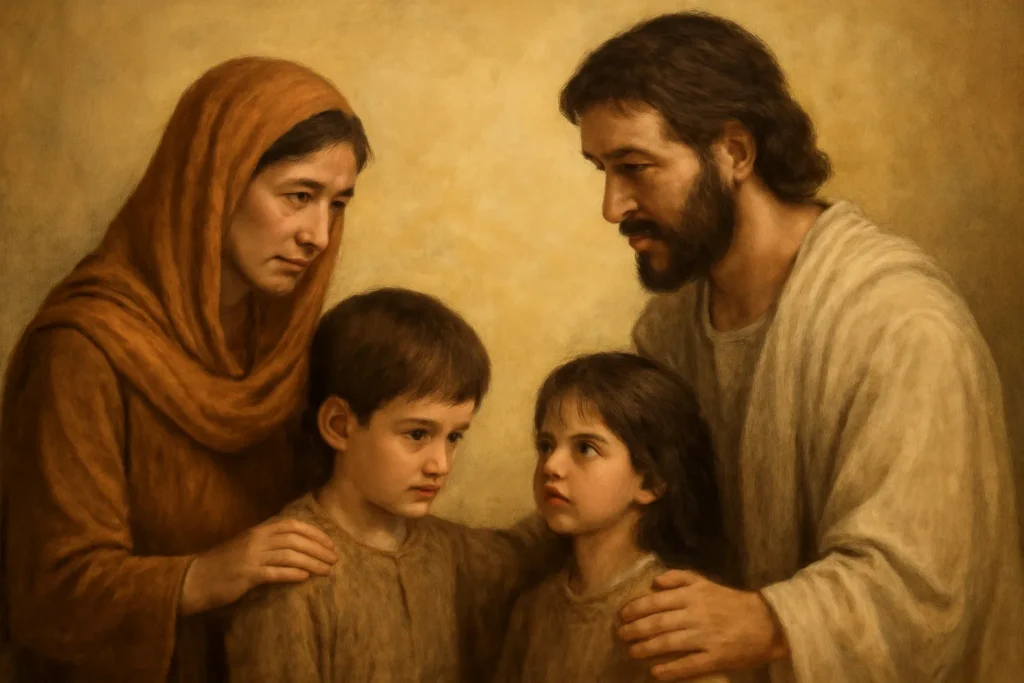
Across the biblical narrative, the care of widows and orphans appears not as a marginal virtue but as a core expression of faithful living. This emphasis is woven into laws, wisdom literature, and the teaching of Jesus and the apostles. When the Bible speaks of compassion for those who are most vulnerable, it is signaling a holistic ethic: to care for those who cannot fully defend or provide for themselves is to honor God, to build healthy communities, and to enact justice in everyday life. In this sense, care for widows and orphans becomes a lens through which we understand compassion, justice, and community responsibility.
The phrase may appear in different forms—care for the widow, care for the orphan, protection of the vulnerable—but the underlying call is consistent: those who are without support must not be neglected. In many passages, this concern is tied to hospitality, fairness in judgment, and the protection of the weak from exploitation. The biblical call invites readers and communities to move beyond passive sympathy toward active accompaniment—as individuals, families, churches, and society at large.
Foundations in the Old Testament: Commands and Promises
Justice and Protection in the Law
The Old Testament frames care for widows and orphans within the broader concern for justice and mercy. In the law, God repeatedly warns against oppression of the vulnerable and speaks through prophets about the ethical demands of the covenant community.
Exodus 22:22-24 emphasizes a direct prohibition: "You shall not oppress a widow or the fatherless." The stakes are high, because oppression is described as a grave offense against God himself, who notices the distress of the vulnerable.
Deuteronomy 24:17 expands the principle to the practical administration of justice: "You shall not pervert the justice due to the sojourner, or the fatherless, or the widow." The text links fair treatment with the integrity of the whole community.
Deuteronomy 14:28-29 envisions a regular practice of generosity: every third year the community brings relief to the Levite, the sojourner, the fatherless, and the widow to ensure their needs are met within the life of the nation.
Wisdom Literature: Compassion as Practical Piety
The wisdom tradition repeatedly connects right action toward the vulnerable with genuine righteousness. While not all phrases appear in the exact wording “widows and orphans” in every book, the principle remains clear: generosity, hospitality, and shelter for the needy reflect the character of God and the health of the community.
Psalmic and Prophetic Murmurs: The Lord as Defender
Several psalms and prophetic writings cast God as defender of the vulnerable. For instance, Psalm 68:5 proclaims that God is “a father of the fatherless, a defender of widows” in his holy habitation. This language elevates God’s care into a personal and communal model: God defends those who cannot defend themselves, and communities are called to imitate that posture.
Key Old Testament Takeaways
Protect the vulnerable as a non-negotiable aspect of covenant faithfulness.
Provide justice and fair treatment for widows and orphans in legal and social systems.
Practice regular generosity that reaches those in need within the community and beyond.
New Testament Emphasis: The Gospel’s Practical Compassion
James 1:27: A Core Summary Verse
One of the most explicit statements in the New Testament about this issue is found in James 1:27, which defines true religion in terms of action: “Religion that God our Father accepts as pure and faultless is this: to look after orphans and widows in their distress.” This verse distills the biblical ethic into a concrete practice—attention to distress, not merely sentiment. It signals that faith is lived out in concrete care.
Widows and Orphans as a Test of Faithfulness in the Epistles
The apostolic writings reinforce the Jamesan emphasis in various ways. 1 Timothy 5:3 instructs readers to “Honor widows who are truly widows.” This is not a casual honor but a discernment about who qualifies for support and how that support should function. The wider pastoral letters address how churches should organize resources, care for older members, and ensure vulnerable persons are protected.
In the gospels, care for others—especially the hungry, thirsty, stranger, naked, sick, and imprisoned—becomes a concrete expression of discipleship. In Matthew 25:35-40, Jesus says that acts of mercy done for the needy are acts done to him: “For I was hungry and you gave me food, I was thirsty and you gave me drink; I was a stranger and you welcomed me; I was naked and you clothed me…” This passage expands the scope of care beyond specific categories and invites readers to see everyday generosity as participation in divine mercy.
Practical of Love: Hospitality, Justice, and Generosity
The New Testament thus broadens the Old Testament frame into a vivid, communal practice: hospitality to strangers, justice for the vulnerable, and generous sharing with those in need as expressions of the new life in Christ.
Theological Themes Underpinning Care for Widows and Orphans
A central tension in biblical ethics is the relationship between mercy and justice. Mercy without justice can become sentimental, while justice without mercy can harden the heart. The biblical narrative consistently teaches that true justice includes compassionate posture toward the vulnerable. When the Bible calls believers to care for widows and orphans, it is inviting them to enact justice in tangible, relational ways that also reflect God’s mercy.
Identity and Responsibility: The Community as Family
The care for widows and orphans is inseparable from the church’s identity as a family. The church is to be a space where believers share resources, bear one another’s burdens, and practice hospitality. This familial metaphor helps communities understand their responsibilities not as charity from above but as mutual participation in God’s life.
Dignity and Protection
Underlying this care is a deep conviction of human dignity. The vulnerable are not merely recipients of charity; they are people created in the image of God, deserving respect, safety, and opportunities to flourish. The aim is not to fix vulnerability through a single act but to build sustainable systems that honor dignity and empower people to recover and participate in community life.
Holistic Care: Body, Mind, and Social Well-Being
Biblical care often envisions holistic well‑being: material support, emotional health, and social inclusion. Fostering safety nets, ensuring access to education and healthcare, offering mentoring, and encouraging families to open their tables and homes are all expressions of comprehensive care that align with biblical ideals.
Compassion ministries that identify and assist widows and orphans, with clear criteria and accountability.
Fostering and adoption support programs, including counseling, respite care for foster families, and community mentors for children in care.
Emergency funds or relief funds to respond quickly to crises faced by vulnerable members.
Educational and vocational assistance to help youths in care pursue growth and independence.
Community Partners: A Network of Support
Beyond the church, collaboration with organizations that focus on family stability, child welfare, and elder care is essential. This includes local social services, schools, and volunteer networks. A biblically grounded community does not isolate mercy to a single group; it invites partnerships that provide holistic support for widows, orphans, and other vulnerable populations.
Individual Action: Everyday Practices of Care
Check in with a widow or family in your neighborhood; offer practical help with errands, meals, or transportation.
Volunteer in mentoring and tutoring programs where children in care or at-risk youths receive guidance.
Donate to legitimate organizations that support orphans and widows, ensuring funds reach direct services.
Advocate for policies that strengthen safety nets, prevent exploitation, and promote family stability.
Ethics of Care: Boundaries and Accountability
Care must be practiced with wisdom and accountability. Transparency in how resources are used, clear boundaries to protect both givers and receivers, and safeguards against abuse are essential. The goal is to sustain compassionate work in a way that preserves the dignity of the vulnerable and the integrity of the caregivers.
Challenges and Nuances: Navigating Real-Life Complexities
Balancing Mercy with Sustainability
While biblical care is generous, communities must be mindful of sustainability—ensuring that ongoing support does not enable dependency or overlook systemic causes of poverty and isolation. Practical strategies include rotating leadership, setting reasonable expectations, and connecting individuals with a broad web of resources rather than a single point of contact.
Risk of Exploitation: Guarding the Vulnerable
Indeed, vulnerability can expose people to manipulation. Ethical care must include privacy protections, documented consent, and accountability structures to prevent coercion or misuse of resources. Communities should foster a culture where concerns can be raised and addressed openly.
Cultural and Contextual Sensitivity
Biblical guidance is not a one-size-fits-all blueprint. Different cultures and contexts require thoughtful interpretation to maintain the spirit of care while respecting local norms, laws, and individual autonomy. The overarching aim remains: protect the vulnerable and promote flourishing in ways that honor God and neighbor.
Measuring Impact: From Intentions to Outcomes
Churches and organizations benefit from impact assessments that track whether efforts reduce distress, improve stability, and strengthen families. Regular evaluation helps adjust ministries to better serve widows, orphans, and their caregivers.
Case Studies and Real-World Examples
Case Study A: A Local Church’s Care Network
A suburban church established a widows and orphans care network that paired volunteers with families in need. The program included a “care circle” model—small groups that met weekly for meals, transportation, and children’s programs. Over two years, the network expanded to provide emergency funds, legal aid referrals, and tutoring for foster children. The impact was measured not just in resources distributed but in deeper community bonds, increased church attendance, and a sense of mutual belonging.
Case Study B: Community Collaboration and Foster Care Support
A city coalition brought together churches, schools, and social services to address barriers to successful foster care. They created a volunteer respite program so foster parents could have regular breaks, funded a legal aid clinic for guardianship matters, and organized quarterly “family days” that connected biological families, foster families, and mentors. The result was improved stability for children, stronger trust in local institutions, and a model later replicated in neighboring neighborhoods.
Case Study C: Safe Boundaries and Care
In another context, a parish faced the challenge of providing material support while safeguarding against coercion or burnout. They implemented clear boundaries: a written policy for financial assistance, mandatory training for volunteers, and a peer-review system for reporting concerns. The emphasis remained steadfast on compassion anchored in accountability, ensuring that care for widows and orphans remained a dignified and sustainable practice.
Balancing Mercy and Responsibility: A Practical Ethic
What It Means to Do Good with Wisdom
The biblical call to care for widows and orphans is not a slogan; it is a lifelong discipline that combines mercy with discernment, generosity with accountability, and hospitality with healthy boundaries. Communities must learn to distinguish between charity that enables dependence and grace that empowers growth.
Next Steps for Individuals and Communities
Commit to regular prayer and study about vulnerability, Scripture, and practical care.
Dedicate time to volunteer service with organizations serving widows and orphans.
Develop a transparent funding plan for care ministries, including oversight and feedback loops.
Create spaces for storytelling and testimony so that the voices of those cared for inform the church’s mission.
Conclusion: A Call to Action
The biblical guidance on care for widows and orphans invites communities to embody a distinctive form of love—one that is proactive, just, and relational. By grounding our actions in the scriptural imperatives found in both the Old and New Testaments, we participate in a tradition that God honors: a people who protect the vulnerable, provide for needs, and work for justice in concrete ways.
As you reflect on these verses and themes, consider how your own context can translate biblical compassion into sustainable practices. Whether through a small household act of hospitality, a church program, or a city-wide partnership, the call remains the same: to care for widows and orphans as part of faithful living. In doing so, we become agents of God’s mercy and instruments of his justice, bearing witness to a gospel that transforms both individuals and communities.
In the end, the care for widows and orphans is not merely about meeting needs; it is about shaping a society where the vulnerable are welcomed, protected, and valued as members of one another. That is the enduring message of biblical guidance on compassionate action and community support.






Leave a Reply