Christian Conversion: Understand and Embrace the Christian Faith
Christian Conversion: Understand and Embrace the Christian Faith
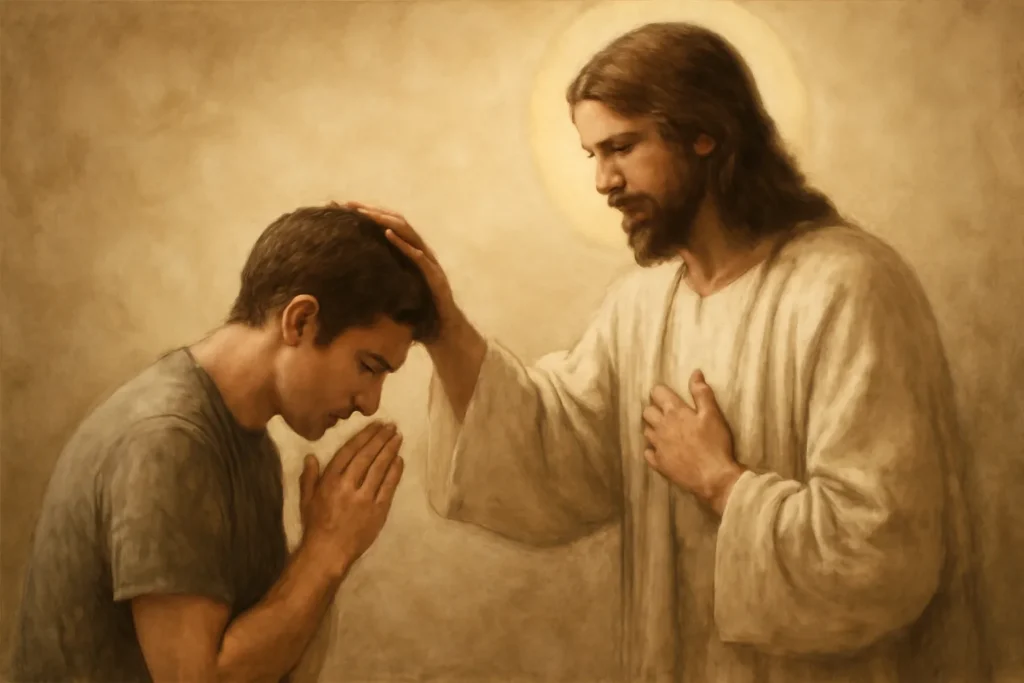
Christian conversion is a journey rather than a single event, a process that begins with hearing the message of the gospel and moves toward a life shaped by faith in Christ. This article, titled Christian Conversion: Understand and Embrace the Christian Faith, offers a careful exploration of what it means to become a follower of Jesus, how different Christian traditions understand the path of turning to God, and how a believer can grow as a disciple within the church. Whether you are exploring the topic for personal reasons, teaching others, or seeking to understand the experience of friends or family, this guide provides practical clarity, thoughtful theology, and a pastoral perspective rooted in Scripture and history.
Christian Conversion: Understand and Embrace the Christian Faith
At its core, conversion refers to a transition from one state to another—often described as moving from spiritual blindness or self-reliance to a life oriented around Christ. In Christianity, this involves more than an emotional moment or a yes to a proposition; it represents a decisive turning toward the person and work of Jesus Christ, an embrace of the gospel, and a new way of living empowered by God’s grace. When people speak of embracing the Christian faith, they often mean entering into a personal relationship with God, being welcomed into the life of the church, and beginning a process of transformation known as sanctification.
Throughout Christian history, terms such as becoming a Christian, conversion to Christianity, turning to Christ, and the gospel response have described different facets of the same overarching reality. These phrases remind us that the journey includes not only a moment of trust in Christ but also ongoing nurture through prayer, Scripture, community, and service. The following sections examine the nature of this journey, how it happens in different traditions, and what it means for daily life and spiritual growth.
Defining conversion in the Christian context
Definition matters because it shapes expectation, practice, and pastoral care. A robust understanding of conversion avoids reducing it to a mere decision card or a simplistic formula, while also avoiding unnecessary ambiguity about what constitutes genuine turning to God. In broad terms, Christian conversion involves several interrelated dimensions:
Knowledge of who Jesus is and what he has done—recognizing the reality of sin, the need for forgiveness, and the offer of grace.
Faith in Christ as Lord and Savior—placing confidence in Jesus’ life, death, and resurrection for personal salvation.
Repentance—a sincere turning away from self-reliance and patterns of sin toward a life shaped by obedience to God.
Response to the gospel—accepting Jesus’ invitation to follow him, which often includes baptism and incorporation into the church.
Transformation over time—growing in holiness, love, and mission through the presence of the Holy Spirit.
Different Christian traditions emphasize certain aspects more than others, but all affirm that salvation is rooted in grace, received through faith, and evidenced in a changed life. The Apostle Paul writes about justification by faith apart from works, yet he also speaks of a life that bears fruit as confirmation of genuine belief. This balance—between God’s initiative and human response—helps prevent both legalism and despair. The grammar of conversion, in other words, includes both God’s action and human collaboration in trust and surrender.
Within Christianity, several theological emphases shape how conversion is understood and lived out. Here are a few representative perspectives:
Regeneration and faith: Some traditions stress that conversion begins with the work of the Holy Spirit, regenerating the heart so that faith becomes possible and genuine. This perspective emphasizes the initiative of God in awakening a person to Christ.
Justification by faith and grace: Many Protestant traditions focus on the declarative act of God—“you are righteous because of Christ’s finished work”—producing a new standing before God that results in a transformed life and ongoing sanctification.
Holy Spirit and new birth: Eastern Orthodoxy and some Pentecostal and charismatic streams highlight the baptism of the Holy Spirit as a vital dimension of conversion, bringing empowerment for witness, holiness, and gifts for ministry.
Sacramental entry: Catholic and some Anglican and Orthodox understand conversion as including a sacramental entry, such as baptism or confession, which communicates grace through visible signs.
Despite these differences, most traditions agree on the central elements: hearing the gospel, responding with faith, repenting of sin, and entering into new life through faith in Christ, with the community of God’s people (the church) playing a vital ongoing role.
Why people seek conversion
People come to Christ for a variety of reasons and through different circumstances. Some are drawn by intellectual questions about meaning, truth, and the nature of God. Others are moved by emotional experiences or the witness of someone they trust. Still others are confronted by life challenges—suffering, broken relationships, or a sense of moral disorientation—and find that the Christian worldview offers a coherent explanation and a hopeful path forward. Across cultures and generations, the common thread is a recognition that life apart from God leaves questions unanswered and that a relationship with Christ offers reconciliation, purpose, and hope.
Common motivations and pathways include:
Conviction of sin and recognition of personal need for forgiveness.
Desire for meaning and a sense that life has a transcendent purpose beyond self-centered goals.
Attraction to the person of Jesus—his teachings, compassion, and claimed authority.
Appeal of the Christian community—a welcoming church family, accountability, and shared mission.
Transformational hope—the possibility of real life change through grace and the Spirit.
In many cases, the journey toward embracing the Christian faith unfolds as a combination of hearing, reflection, and response. It is often a gradual process—what some call a conversion experience rather than a one-time event. For others, it may be a decisive moment that marks a turning point in which belief becomes a lived reality. The key is not the tempo but the authenticity of trust in Christ and the ongoing pursuit of holiness in daily life.
What happens during Christian conversion
Understanding the sequence of stages helps clarify what it means to go from hearing the gospel to a life shaped by Christ. While not every believer will experience each step with the same intensity or at the same moment, the following pattern captures common elements commonly described in Scripture and church teaching:
Hearing the gospel and recognizing its claims about sin, judgment, grace, and the meaning of life.
Faith in Christ—placing trust in Jesus as the one who saves and Lord over all.
Repentance—a genuine turning away from self-reliance and sin toward a life oriented to God.
Confession—acknowledging Jesus publicly as Lord, which may occur in prayer, in worship, or in baptism.
Baptism or entry into the church family, depending on tradition—an outward sign of inward faith and union with Christ and his people.
Receiving the Holy Spirit—empowerment for life and witness, enabling growth in holiness and love.
Discipleship—a lifelong process of learning, obedience, and mission within a community of faith.
Each of these elements can be understood differently within various Christian hopes and practices, but they collectively describe a coherent arc: encounter, trust, turn, embrace, and transformation. In practice, a person may experience a strong emotional moment followed by steady growth, or a quieter, steady conversion grounded in daily choices that align life with Christ’s teachings. Either way, the experience is validated by a sustained pattern of faithfulness, love for neighbor, and yearning to know God more deeply.
Grace, faith, and justification
The relationship between grace, faith, and justification lies at the heart of how Christians understand conversion. Grace refers to God’s unearned, unmerited favor toward sinners. Faith is the human response—trusting in Christ alone for salvation. Justification is the legal or forensic declaration that a person is reckoned as righteous in God’s sight because of Christ’s perfect righteousness credited to the believer through faith. This trio—grace, faith, justification—frames the core of the gospel: God initiates reconciliation through Christ, the sinner receives that gift through faith, and therefore is declared righteous before God while being transformed in life by the Spirit.
From this foundation, conversion is not a one-time act in isolation but the opening movement of a lifelong relationship with God. The Holy Spirit continues to work in a believer, convicting sin, guiding truth, and cultivating fruit such as love, joy, peace, patience, kindness, goodness, faithfulness, gentleness, and self-control. The process is called sanctification, and it continues as long as a person remains in Christ. While justification is about status before God, sanctification concerns character and conduct—what you become as a result of being in Christ.
Traditions and their approach to baptism and church membership
How a person enters the church and is welcomed into Christian life varies across traditions, but all share the conviction that faith in Christ should be expressed in visible community and in obedience to Christ’s commands. The following outlines capture some typical approaches, showing conversion in practice across contexts:
Catholic and Orthodox traditions tend to emphasize baptism as the initial sacrament of grace, often linked with catechesis and a liturgical life. In many of these communities, conversion includes confession of faith, participation in the Eucharist, and lifelong formation within the sacramental life of the church.
Protestant and evangelical perspectives often highlight a personal, historical moment of faith in Jesus, followed by baptism as a public profession of that faith. Some emphasize adult baptism by immersion, while others practice infant baptism as a sign of inclusion into the covenant community.
Anglican and Lutheran traditions may blend sacramental and proclamation approaches, teaching that faith is opened and deepened through Word and sacrament, with baptism and the Lord’s Supper as central means of grace.
Pentecostal and charismatic circles frequently stress the experiential outpouring of the Holy Spirit, accompanying signs, and empowered witness as key dimensions of conversion and ongoing life in Christ.
In all cases, conversion includes a welcome into a community of believers who share a common confession of Jesus as Lord and a common call to follow him in love, holiness, and mission. The church plays a critical role not only in teaching and baptism but also in ongoing protection, accountability, and encouragement as believers grow in the faith.
Common misconceptions about conversion
Several misunderstandings can cloud the conversation about conversion. Clarifying these helps ensure that the conversation remains faithful to biblical truth and sensitive to real-life experiences. Some common misconceptions include:
Conversion is only a momentary decision—while a moment of decision can be pivotal, genuine conversion typically involves ongoing trust, repentance, and commitment to a life shaped by Christ.
Conversion guarantees instant perfection—holiness is a process; believers may struggle with sin while still being reconciled to God through grace.
All conversions are dramatic—a conversion experience can be quiet and deeply transformative over time, as trust in Christ grows and life aligns with gospel values.
Conversion is primarily about beliefs—while correct belief matters, conversion also means a transformative relationship with God, a new identity as his child, and a life oriented toward love for God and neighbor.
Conversion excludes doubt—faith often involves questions and growth; healthy conversion invites honest questions and ongoing seeking of truth in and through Scripture and community.
Recognizing and addressing these misconceptions helps communities shepherd seekers with grace, truth, and patience, avoiding pressure or coercion, and instead inviting heartfelt trust in Christ and the gospel.
Practical steps for ongoing growth after conversion
Entering the Christian faith is not the end of the journey but the beginning of a lifelong process of discipleship. Here are practical steps that help new believers and lifelong followers alike continue growing in the faith:
Read and study the Bible regularly. Begin with the Gospels—Matthew, Mark, Luke, and John—to know Jesus, and then explore the letters of the apostles to understand how to live as a disciple.
Develop a consistent prayer life—talk with God honestly, listen for his voice, and intercede for others. Prayer shapes character and aligns desires with God’s will.
Join a local church and participate in worship, fellowship, and teaching. Community provides accountability, encouragement, and practical opportunities to serve.
Practice baptism and communion in accordance with your tradition, viewing these as means of grace that renew faith and strengthen obedience.
Seek spiritual mentors or parents in faith who can model Christ, answer questions, and provide support during challenging seasons.
Engage in mission and service—love your neighbor, share the gospel with gentleness and respect, and use your gifts to bless others.
Grow in virtue and character—cultivate qualities like patience, humility, forgiveness, generosity, and integrity as expressions of life in Christ.
Participate in the sacraments of the church (where applicable) as a continuous source of grace and formation for daily life.
Practice confession and accountability—regularly confess sins to God and seek accountability within trusted relationships to pursue holiness.
These steps emphasize a balanced approach to growth: knowing the truth, trusting in Christ, and living out that trust in concrete actions that bless others and honor God. The aim is not to generate anxious perfection but to cultivate a reproducible pattern of faithfulness that sustains believers across seasons of life.
Conversion across Christian traditions: a brief panorama
Christian conversion looks different in different communities, yet the core aim remains the same: to know Christ and to follow him. Here is a concise survey of how some major streams understand and nurture conversion:
Catholic and Orthodox contexts emphasize baptism as the sacramental entry into the church, followed by catechesis (instruction) and ongoing formation in the faith through liturgy, prayer, and moral formation. Conversion often includes reconciliation with God through confession and the Eucharist as ongoing nourishment.
Protestant and evangelical communities frequently highlight a personal decision to trust in Jesus and an explicit profession of faith, commonly expressed through baptism by immersion (in many evangelical settings) or infant baptism paired with confirmation in others.
Anglican and Lutheran traditions emphasize the Word and Sacrament together—conversion is a process of hearing the gospel, receiving baptism, and growing in the life of the church through preaching, worship, and the sacraments.
Pentecostal and charismatic circles emphasize an experiential dimension of the Spirit’s work, including an empowering encounter with the Holy Spirit that equips believers for mission and service, often accompanied by spiritual gifts as signs of conversion and growth.
Across these streams, the shared life of faith centers on Jesus, the gospel, and a community formed to live out God’s purposes in the world. The diversity among traditions can enrich the broader church by offering different emphases that, when held together in humility and unity, strengthen the witness of the church as a whole.
Measuring authentic conversion: fruits and evidences
Understanding whether someone has genuinely turned to Christ involves discerning the fruits of faith and the consistency of life with gospel values. While only God fully knows a person’s heart, there are observable signs that commonly accompany true conversion:
Love for God and neighbor—a growing desire to honor God and to serve others, especially those in need.
Repentance and humility—a willingness to acknowledge wrong and seek forgiveness, coupled with a transformed attitude toward sin.
Joy and peace in the Spirit—a stabilizing inner life that points beyond circumstances to Christ.
Desire for Scripture and prayer—a longing to know God and to hear his voice through his Word.
Commitment to the church—regular worship, worship, and participation in the community of believers, including the practice of fellowship and mutual accountability.
Discipleship and mission—a willingness to learn, grow, and participate in Christ’s mission of reconciliation and justice in the world.
Pastoral care often involves helping seekers and new believers discern these signs with honesty, patience, and mercy. It also means recognizing that spiritual growth can be uneven: some seasons may show rapid progress, others might involve longer periods of testing, doubt, or struggle. The steady path is a life of faith, hope, and love directed toward Christ and his church.
Frequently asked questions
What is the simplest way to explain conversion to someone who is exploring faith?
Explain that conversion is turning toward Jesus as Lord and Savior, trusting his grace for forgiveness, and beginning a life shaped by his teaching and empowered by the Holy Spirit. It involves both belief and a commitment to follow Christ in daily life.
Is baptism essential to being a Christian?
Most traditions view baptism as a vital and formative practice that publicly identifies a person with Christ and his Church. The exact theological emphasis varies, but baptism is widely regarded as an important means of grace and a step in the conversion journey.
Can someone be a Christian without being part of a church?
While personal faith in Christ is personal, Christian baptism and discipleship are typically lived out within a community. The church provides accountability, teaching, and opportunities to serve, aligning a believer’s life with the body of Christ.
What if I have doubts or questions about faith?
Healthy conversion welcomes questions. God invites honest seeking, and the church can provide thoughtful answers grounded in Scripture, tradition, and reason. Doubt can be a stage on the way to stronger faith.
How can I know if my conversion is genuine?
Look for ongoing trust in Christ, a turning away from sin, consistent desire to live God’s ways, love for others, and participation in the life of the church. While the full scope of sincerity is known only to God, a pattern of enduring faith and faithfulness is a strong indicator.
Closing reflections: embracing a lifelong journey
What makes conversion to Christianity transformative is not a single moment alone but a lifelong relationship with Jesus, nourished by scripture, prayer, and community. The gospel invites you into a story larger than yourself—a story of creation, fall, redemption, and restoration in which your life becomes a part of God’s redemptive plan. As you embrace the Christian faith, you are invited to:
Affirm your identity as a child of God, chosen and loved in Christ.
Embrace grace as the fountain of strength for living rightly, loving deeply, and serving boldly.
Engage in a local church as a family of believers who help you grow in truth, grace, and mission.
Grow in holiness through regular spiritual disciplines, honest accountability, and courageous witness.
Participate in mission by sharing good news with gentleness and respect, embodying a hopeful alternative to competing narratives.
For those considering Christian conversion, the pathway is not merely a decision but an invitation to a life of faithfulness, community, and joy in following Jesus. For those who are already on this journey, the invitation remains the same: to press forward, to seek God’s face, to love others, and to trust in the power of the gospel to renew all things through Christ. The gospel is good news for the here and now, and it is good news that lasts for eternity.





Leave a Reply