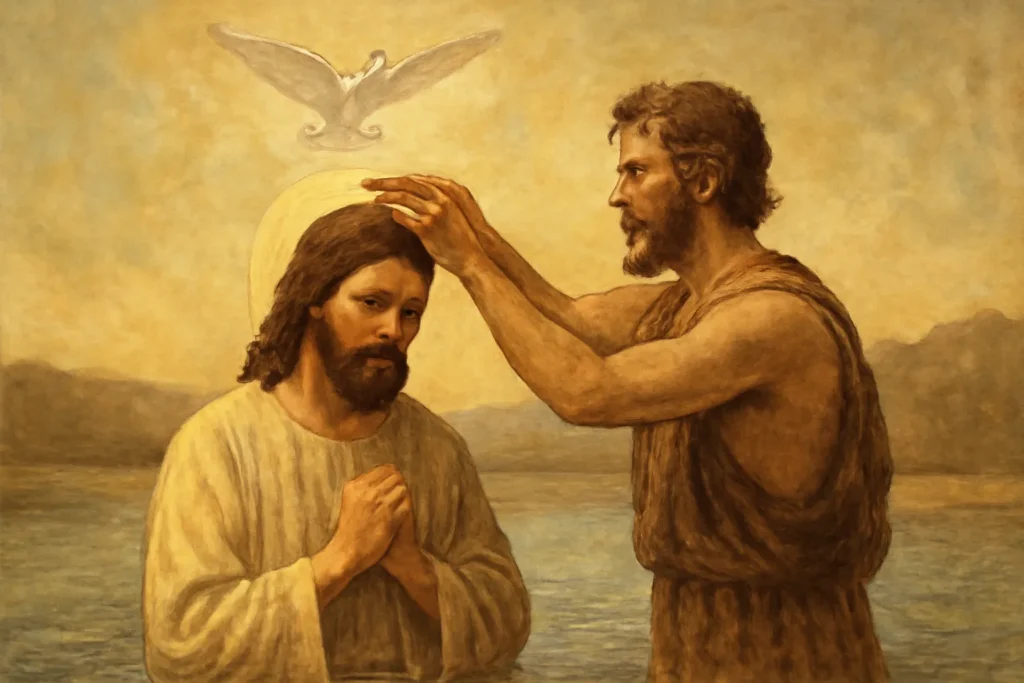
The phrase baptized into Jesus opens a door into a rich and multi-faceted spiritual reality. It is not merely a moment in a church service or a ritual performed by a minister; it is a meaningful identification with the person of Jesus Christ that reshapes a person’s entire life. To be baptized into Jesus is to be joined to his death and resurrection, to be marked as belonging to him, and to enter a shared life in which the old self dies away and a new life emerges. Across Christian traditions, this identification is described with a variety of phrases—baptized into Christ, baptism into Jesus, baptized in Jesus, or baptized into the life of Jesus—each highlighting a different shade of meaning while pointing to the same fundamental reality: one is initiated into a relationship with the living God through the person and work of Jesus.
At its core, the expression implies two linked truths. First, there is a standing before God that is transformed because of Jesus. Second, there is a call to live in light of that transformation. The images associated with baptism—death to the old pattern of life, burial with Christ, and the rising to a new way of living—offer a powerful framework for understanding what it means to be immersed into Christ or part of his body through baptism. When someone is baptized into Jesus, they enter into a covenantal and relational reality in which they are no longer defined solely by their past or their clocked cultural affiliations; they are now defined by the identity that comes from Christ’s life, death, and resurrection.
Throughout the New Testament, the language of being baptized into Jesus or similar expressions is linked to three big ideas: identification, transformation, and vocation. Identification means you stand with Jesus in a way that makes his life your life in a profound sense. Transformation means the Spirit works in you to produce real change—repentance, love, humility, and endurance grow in you as you walk with him. Vocationally, you are called to participate in God’s mission—sharing in the message of Jesus, serving others, and contributing to the church’s witness to the world. In this sense, baptism into Jesus is not just a private milestone; it is a public, ongoing invitation to live in the fullness of Christ.
As readers explore the topic of how to live this reality, they will encounter a path that invites reflection, practice, and a daily choosing of faith. The journey from being baptized into Jesus to embracing a lifelong discipleship is best understood as a process that unfolds in community, conscience, and lived obedience. In the sections below, we will explore why this matters, what it means for identity and life, and practical ways to embrace the new life that baptism signifies.
Key terms to notice
Union with Christ – the foundational truth that believers are vitally connected to Jesus through faith and baptism.
Identification – recognizing that one’s life now stands within the life of Christ.
New life – the transformative life the Spirit produces in a person who has been united to Jesus.
Discipleship – the lifelong process of following Jesus, learning from him, and obeying his teachings.
Biblical Foundations and Theological Perspectives
The concept of entering into Jesus through baptism is grounded in Scripture, and it appears across both the early chapters of the Christian movement and the apostolic writings that followed. To understand what it means to be baptized into Christ or to be baptized into Jesus, it helps to trace some core biblical threads: union with Christ, baptism as identification with Jesus’ death and resurrection, and the call to live out that identification in daily life.
Old Testament Foreshadowing and New Covenant Realities
While baptism as a distinct ceremony emerges explicitly in the New Testament, the biblical story carries forward the idea that God’s people are called into a transformed life by his work. In the New Covenant, baptism becomes the outward sign of an inward reality: that God’s people are cleansed, identified with God’s people, and set apart for his purposes. The imagery of immersion and burial with Christ also resonates with the ancient call to die to the old way of life in order to rise to a new life under God’s rule.
New Testament Teachings: Key Passages
The biblical case for being baptized into Jesus or into Christ rests on several pivotal passages:
Romans 6:3-4 describes baptism as sharing in Christ’s death and resurrection so that one walks in newness of life.
Galatians 3:27 speaks of putting on Christ through baptism, marking an identification with him that transcends old boundaries.
Colossians 2:12 describes being buried with Christ in baptism and raised with him through faith.
1 Corinthians 12:13 emphasizes the diverse believers being united by the Spirit into one body, which is a reality that baptism signals and enacts.
Acts 2:38 connects repentance, baptism, and reception of the Spirit as central to entering the life of Jesus and his people.
Ephesians 4:5 notes the unity of the church in one baptism and one Lord, underscoring baptism as a doorway into a shared life.
Together, these passages form a theological foundation: baptism is not merely a ritual; it is the symbolic language for the spiritual reality of being joined to Jesus. When a person is baptized into Jesus, they publicly affirm their faith in him, and privately the Spirit seals a new identity that will be worked out in daily obedience and love.
Different Ways to Say It
In Christian discourse of today, you may hear phrases such as baptized into Christ, baptized into the life of Jesus, baptism into Jesus, or baptized in Jesus. Each emphasizes a dimension of the same reality: being taken up into Jesus’ life, his death for sin, and his resurrection to new life. These variations help highlight different theological emphases—identification, transformation, and mission—without changing the core truth: a person’s life is now inextricably linked to Jesus.
Why It Matters: The Significance of Baptism into Jesus
The question “why does being baptized into Jesus matter?” has multiple answers that intersect at identity, forgiveness, and vocation. Understanding the significance helps believers live with gratitude, clarity, and purpose.
Identity in Christ
When someone is baptized into Jesus, their identity is continually reoriented around who Christ is and what he has accomplished. The old sense of self, shaped by fear, guilt, or achievement, is reshaped by the truth of God’s love and grace. The believer is now a child of God, beloved, forgiven, and invited into a family that transcends borders, languages, and cultures. This identity is not earned by works but received through faith as a gift, and baptism becomes a public sign of that inward reality.
Cleansing, Forgiveness, and New Life
A central aspect of being baptized into Jesus is the forgiveness of sins and the cleansing that comes through faith in Christ. This cleansing is not only about a moment in time; it is the start of a lifelong process of sanctification. The old self, bound to sin, is laid to rest, and a new life is birthed by the Spirit. The imagery of burial and resurrection woven into baptism signals a transition from death to life, from fear to hope, and from self-reliance to dependence on God’s grace.
Public Declaration and Community
Baptism is inherently communal. In declaring faith in Jesus, a person publicly identifies with a community of believers—the church. This belonging matters because, in the Christian story, God’s plans are carried by a people who live in fellowship, encourage one another, and bear witness together. Being baptized into Christ therefore invites ongoing participation in a shared life of worship, service, mutual accountability, and mission.
The life beginning in baptism points forward to ultimate hope: the resurrection of the dead, the renewal of all things, and the eternal life that begins now and will be fulfilled in fullness at Christ’s return. To be baptized into Jesus is to align one’s future with that promised reality, trusting that God will complete his work in us and through us as we grow in grace.
How to Embrace New Life: Practical Steps After Baptism
The journey after baptism into Jesus is not a one-time event but a daily apprenticeship in faith. Embracing the new life signified by baptism involves ongoing choices that cultivate relationship with God, grow spiritual maturity, and extend love to others. Below are practical paths that Christians commonly pursue to live out their baptismal identity.
The life of a follower of Jesus begins with trust in him and a turning away from self-reliance and sin. This response is not a one-off decision but a posture that is renewed daily.
Faith and repentance go hand in hand. Trusting Jesus for forgiveness, surrendering idolatrous priorities, and choosing to follow him are continuous practices.
Embracing grace as a guiding principle: believing that God’s grace is sufficient and that salvation is a gift received by faith, not earned by works.
Affirming identity in Christ: regularly reminding yourself that you are a beloved child of God, defined by the love of Jesus rather than by past failures or societal labels.
Part 2: Growing in the Life of Christ
After baptism, growth occurs as believers arrange their lives around Jesus’ teachings and example. This growth is a collaborative process that involves God’s Spirit, scripture, community, and purposeful practice.
Scripture engagement—read, study, and meditate on God’s word to know Jesus more deeply and to discern his will for daily decisions.
Prayer and worship—cultivate ongoing conversation with God and participate in corporate worship that centers on Jesus’ supremacy and grace.
Spiritual disciplines—develop rhythms such as sabbath rest, fasting, confession, and acts of service to shape character and dependence on God.
Holistic transformation—allow the Spirit to reform desires, motives, and habits so that one’s life increasingly mirrors the love, humility, and justice Jesus exemplified.
Part 3: Living Out Baptismal Identity in Community and Mission
Baptism into Jesus is not only about personal transformation; it also creates a vocation to participate in God’s mission to the world. The church is called to be a witness to the life that Jesus gives, to advocate for the vulnerable, to share good news, and to demonstrate love in practical ways.
Church involvement—engage with a faith community where you can grow, serve, and be encouraged in the faith.
Hospitality and service—open your life to others, practice generosity, and use your gifts to meet needs within and beyond church walls.
Evangelism and witness—share the hope you have in Christ in gentle, respectful ways, living out your baptismal identity as a compelling invitation to others.
Part 4: Navigating Trials and Perseverance
The path of following Jesus is not without challenges. Perseverance under trial is a testament to the powerful truth that you are not alone; you are united to Christ and supported by the Spirit, the Father’s love, and a community that prays and carries one another’s burdens.
Hope in suffering—understand that trials refine faith and deepen dependence on God.
Accountability—seek trustworthy relationships where you can be open about struggles and receive encouragement and correction.
Continuous conversion—recognize that conversion is ongoing; the process of being conformed to Christ continues throughout life.
Practical Practices and Disciplines That Support Being Baptized into Jesus
To live in light of baptismal identity, practical spiritual disciplines and habits are essential. They help integrate the truth of being baptized into Jesus into everyday life.
Scripture study and memorization: let God’s word shape your mind and affections.
Prayer and contemplative time: cultivate conversation with God, listening for his guidance, and offering praise and requests.
Worship and sacraments—participate in corporate worship; regularly receive the Lord’s Supper as a reminder of Christ’s finished work and your union with him.
Fellowship with other believers: invest in relationships that encourage accountability, compassion, and mutual growth.
Service and generosity—use your gifts, time, and resources to bless others, especially the vulnerable and needy.
Contemplative and missional balance—cultivate a rhythm that includes rest in God and active engagement with the world for Jesus’ sake.
Living as an Everyday Disciple
The Christian life, beyond baptism, is a daily invitation to live as a disciple who loves God and loves neighbor. This means spelling out practical implications: how you treat coworkers, how you manage your finances, how you respond to injustice, and how you model forgiveness. The identity you carry is not a private badge; it is a transformative force that shapes decisions, motives, and relationships. Each moment offers an opportunity to honor God by reflecting the character and priorities of Jesus: humility, mercy, truth, and courage.
Common Questions and Misconceptions
As people explore what it means to be baptized into Jesus, a few questions and common myths often surface. Here are some clarifying notes that can help readers distinguish essential truths from misunderstandings.
Is baptism the moment of salvation? Many traditions view baptism as a response to faith that confirms one’s salvation, while others see it as the moment of salvation itself. In most biblical narratives, faith precedes baptism, and baptism serves as the public sign and seal of that faith.
Does baptism have to be a specific method? Practices vary: some traditions practice infant baptism, others practice believer’s baptism. The common thread is that baptism signifies union with Christ and incorporation into his people; the mode and timing may differ among communities as long as the core meaning remains clear.
What about those who have not been baptized? The New Testament emphasizes baptism as a doorway into the life of Christ and the church. However, God’s mercy is ultimately his. While baptism is important, God also honors sincere faith, repentance, and desire to follow Jesus—even if one’s life circumstances prevented formal baptism.
Can one be a Christian without church membership? Scripture consistently portrays the Christian life as lived within a community. Baptism into Jesus is closely tied to belonging to a body of believers who support, rebuke, teach, and encourage one another.
It can be helpful to distinguish among terms often used in relation to being baptized into Jesus:
“Baptism into Christ” emphasizes the person of Christ as the one into whom the believer is identified.
“Baptized into the life of Jesus” highlights the experiential and practical transformation that follows identification with him.
“Water baptism” communicates the outward sign, signaling inward grace and belonging.
Conclusion: A Lifelong Journey of Embracing New Life
Being baptized into Jesus marks the beginning of a lifelong journey. It is not merely a one-time event to be recalled, but a transformed life to be lived. From the moment of baptism forward, believers are invited to grow in grace, cultivate a deeper knowledge of Christ, and participate in God’s mission in the world. The path is characterized by a growing awareness of God’s love, a strengthening of faith through testing, and a widening circle of love that extends beyond self to neighbor and even to enemies.
If you are exploring this topic for yourself, consider beginning with three essential questions:
Who is Jesus? Reflect on who Jesus is—his identity, his work on the cross, and his resurrection. Trust him with your life and seek to know him more deeply through Scripture and prayer.
Where do you find your identity? Are you defined by your achievements, fears, or past mistakes, or by the love and grace God offers in Christ?
How will you live out your baptismal identity? What daily practices can you adopt to reflect Christ’s life in your relationships, work, and community?
The invitation remains open for everyone to become part of baptized into Jesus—to enter into the fullness of life that God offers through faith in Christ, and to walk together with a community of believers who encourage one another toward love and good works. Whether you are seeking answers about baptism, considering a renewed commitment, or desiring practical paths to grow in the life of Christ, you are stepping into a story that has changed countless lives: a story of grace, new birth, and a future filled with hope.








Leave a Reply