Christian Discipleship Lessons: A Practical Guide to Growth
Christian Discipleship Lessons: A Practical Guide to Growth
This article offers a practical, instructional look at Christian discipleship and presents effective discipleship lessons designed to help believers grow in faith, character, and mission. It treats growth not as a vague feeling but as a measurable, livable set of practices that shape everyday life. You will find variations of the phrase “Christian discipleship lessons” throughout the text to reflect different angles—discipleship lessons for daily living, lessons in following Jesus, and practical guides for ongoing formation.
At the core of this guide is the conviction that discipleship is a response to the person and work of Jesus Christ. It is not merely a set of ideas but a way of living that integrates belief, behavior, and belonging. When we speak of discipleship, we are describing a lifelong apprenticeship under the guidance of the Holy Spirit, rooted in the truth of Scripture and committed to the transformation of the heart and conduct. This section outlines what it means to become a learner who follows Jesus with intention, courage, and grace.
Many readers are seeking practical lessons in discipleship that can be applied in the rhythms of work, family life, and community life. The aim here is not cool theory but a clear pathway to growth that is both sustainable and reproducible. When we talk about Christian discipleship lessons, we are describing a set of practices that help a person move from passive belief to active obedience, from private devotion to public impact, and from isolated faith to a vibrant community witness.
The Core Pillars of Christian Discipleship
The Authority and Gift of Scripture
One of the most foundational disciple-making lessons is the central place of Scripture. The Bible is not merely a textbook; it is the living word that shapes our beliefs, desires, and actions. In practical terms, this means cultivating a habit of hearing, reading, meditating on, and applying Scripture. The goal is not to accumulate knowledge for its own sake but to transform behavior and motive so that the life of Christ becomes evident in daily decisions.
Dependence on Prayer and the Spirit
Prayer is the ongoing conversation that sustains growth in the life of a disciple. It is a channel through which we acknowledge our need, confess our failures, and receive strength for obedience. Equally important is the work of the Holy Spirit to illuminate truth, convict hearts, and empower action. A robust practice of prayer undergirds every other Christian discipleship lesson, reminding us that change comes from dependence on God rather than personal effort alone.
Transformation Through Community
Discipleship is not a solo pursuit; it unfolds in the context of a faith family. Community provides accountability, encouragement, correction, and example. In healthy Christian communities, learners observe mature believers, practice hospitality, and engage in mutual gospel-centered service. This pillar highlights the necessity of belonging to a group where accountability is gentle, truth-telling is rooted in love, and mission is shared.
Service as the Evidence of Grace
Where belief becomes behavior and knowledge becomes action, evangelism and service emerge as natural expressions of discipleship. A practical set of lessons in following Jesus encourages acts of mercy, justice, and proclamation that reflect the generosity of God. Service is not a single program but a lifestyle—ongoing opportunities to love neighbors, meet needs, and declare the gospel in word and deed.
Formation over Information
A helpful way to frame all discipleship lessons is to emphasize formation rather than mere information. This means shaping desires, virtues, and habits so that they align with the character of Christ. The goal is not to check doctrinal boxes but to mature in humility, patience, generosity, and courage as witnesses in the world.
Daily Practices that Cultivate Growth
Every journey of discipleship benefits from concrete, repeatable practices. Below are essential practical lessons for growing as a Christian that can be adapted to various seasons of life. Each practice is paired with a brief rationale and a simple way to begin or sustain it.
Daily Scripture engagement with a plan (reading, reflection, and application). Start with a short, consistent window and ask: What does this teach me about God? What does it require of me today?
Regular prayer that includes intercession, confession, thanksgiving, and adoration. Consider a structured pattern (e.g., ACTS) or a simple, honest conversation with God about the day ahead.
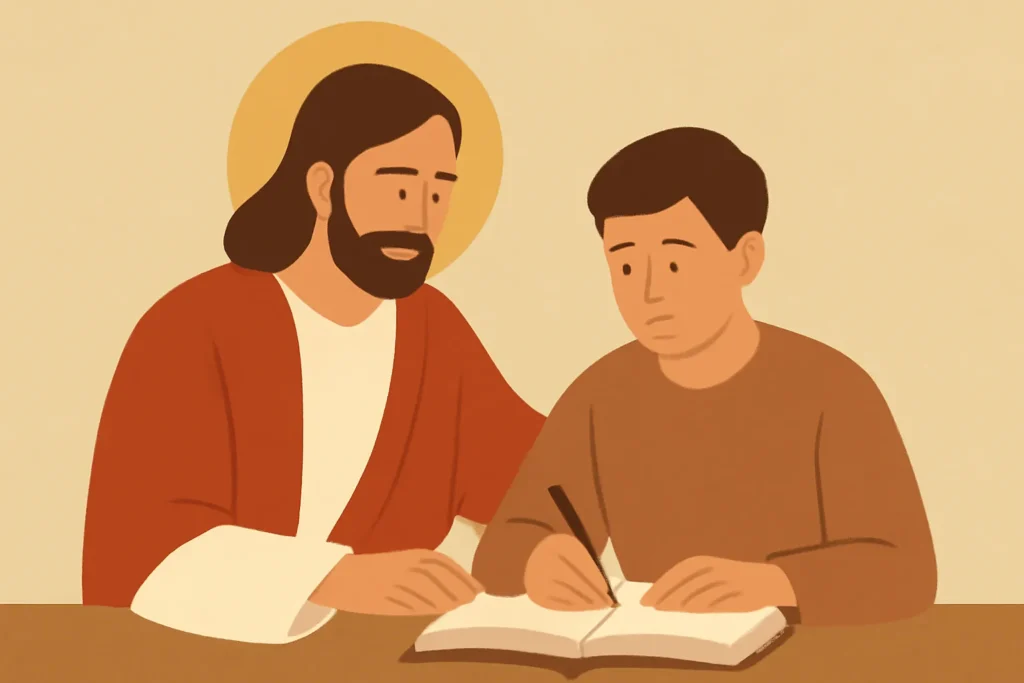
Journaling for accountability to capture insights, questions, and commitments. Writing helps retain lessons and track spiritual shifts over time.
Acts of service and generosity as a response to grace. Look for small, daily opportunities to bless someone—whether a neighbor, colleague, or family member.
Sabbath rest and rhythms of stewardship. Rest is not lazy; it is a spiritual discipline that honors God and restores energy for worship and witness.
Personal and corporate worship that centers on Jesus. Singing, prayer, and preaching together strengthen the soul and unify the community.
These daily practices form the backbone of enduring disciple-making lessons, creating a rhythm that makes growth predictable, repeatable, and contagious. A practical approach is to select 2–3 core disciplines to start with and gradually add a fourth as the prior ones become routine.
Knowledge without action is incomplete. The most impactful discipleship lessons translate belief into behavior that benefits others and honors God. This section outlines pathways for turning learning into living—so that growth becomes a visible mark of authentic discipleship.
Obedience over opinion: Practice choosing the hard right over the easy wrong in daily decisions, recognizing that obedience deepens trust in God.
Hospitality and inclusion: Invite others into your life, meals, and routines. Hospitality reflects the gospel’s openness and cultivates relational depth.
Gospel-centered conversations: Learn to share what God is teaching you and how it changes your life, in ways that invite curiosity rather than defensiveness.
Stewardship of time, talents, and treasures: Align resources with Kingdom priorities, showing that discipleship touches every corner of life.
Mentoring and being mentored: Seek guidance from a more mature believer and intentionally invest in someone younger or newer in the faith.
In practical terms, a series of Christian discipleship lessons about living out one’s faith can include quarterly service projects, monthly Bible study, and a weekly check-in with a accountability partner. The aim is to move from knowledge to character to impact, with each step reinforcing the next.
Community as a Catalyst for Growth
Discipleship flourishes in healthy communities where members can learn, be corrected, and celebrate together. The social dimension of disciple-making is not an optional add-on; it is central to how believers grow and sustain their witness in a world that often ignores or opposes faith. This section highlights practical ways communities can cultivate robust discipleship lessons.
Small groups that study Scripture, share life, and support one another’s growth journey.
Accountability structures that encourage honesty about struggles, temptations, and victories, all within a spirit of grace.
Mentorship cultures where seasoned believers invest time and wisdom in newer followers of Jesus.
Corporate mission and service opportunities that demonstrate faith in action beyond the church walls.
Celebration of spiritual milestones such as baptism anniversaries, testimonies, and tangible stories of transformation.
When communities embody these discipleship practices, individuals experience encouragement, accountability, and reinforcement that growth is possible and desirable. The result is a communal ecology where the gospel message is proclaimed, lived, and sustained together.
Scripture as the Fuel for Growth
In all forms of Christian discipleship lessons, Scripture functions as the primary engine. It shapes our beliefs, directs our steps, and corrects our paths when we drift. A structured approach to Scripture helps believers stay engaged without becoming overwhelmed.
Inductive Bible study: Observation, interpretation, and application help readers move from text to life change.
Scripture memory: Short verses or passages stored in memory to guide decisions and provide comfort in trials.
Theme tracking: Noting recurring motifs (grace, mercy, justice, love) to see God’s overarching narrative across books.
Cross-referencing: Connecting verses to understand context and build a coherent worldview.
These practices are not abstract “lessons” alone but practical tools that empower believers to interpret life through the lens of God’s word. When Christians practice the Word in community, comprehension deepens, and obedience becomes more natural and joyful.
Discipleship Across Life Stages
Discipleship is not one-size-fits-all. Different life stages bring unique challenges, opportunities, and questions. Below are tailored lessons in discipleship for various moments of life, emphasizing that growth is possible at every age and circumstance.
For younger learners, the aim is to ground faith in simple truths and meaningful routines. Practical steps include family devotional times, story-centered Bible reading, and service opportunities that are age-appropriate. The emphasis is on forming a memory of God’s faithfulness through familiar stories and rituals that families can sustain together.
Students and Young Adults
This season prioritizes identity formation, vocation discernment, and peer influences. Practical discipleship lessons encourage courage to stand for truth, mentorship relationships with older believers, and participation in mission opportunities that align with personal gifts and passions.
Adults in Career and Family Life
For working adults, the focus is on integrating faith into work, parenting, and financial stewardship. Steps include workplace ethics, daily quiet times, and intentional community that supports balance between vocation and gospel witness. The goal is a consistent, observable life that models Christ in professional settings.
In later seasons, discipleship lessons emphasize wisdom, mentorship of younger generations, and a sustained gospel-centered perspective on life, aging, and eternity. Retention of zeal, clarity of mission, and a sense of intergenerational continuity mark growth in this stage.
Overcoming Obstacles and Staying on the Path
Every journey encounters friction. Obstacles to discipleship can come from internal doubts, external pressures, or competing priorities. The following common challenges and corresponding strategies illustrate practical Christian discipleship lessons for resilience and ongoing growth.
Doubt and questions: Embrace questions as an invitation to deeper study, accountability, and prayer, not as a verdict of failure.
Busyness: Prioritize essential disciplines and simplify routines to preserve space for God’s work in life.
Sin and repentance: Maintain honest confession, receive grace, and implement practical safeguards against recurrence.
Isolation: Seek community—even in small groups or digital spaces—to maintain accountability and encouragement.
Competing worldviews: Ground responses in Scripture, reason, and shared Christian witnesses to calmly and confidently articulate the gospel.
In addressing these challenges, the aim is not to eliminate struggle but to transform it into a training ground for character and faith. Each obstacle becomes a discipleship lesson that refines perseverance and deepens trust in God.
Measuring Growth and Maintaining Momentum
Healthy growth in Christian discipleship is observable and assessable. The following criteria offer practical ways to gauge progress while remaining grace-filled and hopeful. Use these measures to inform personal growth plans, mentor conversations, and group accountability conversations.
Consistency in daily prayer, Scripture study, and community involvement.
Character shifts such as increased patience, generosity, honesty, and humility evidenced in daily life.
Fruit of service demonstrated in acts of mercy, justice, and grace toward others.
Word and deed alignment: Beliefs consistently reflected in choices, relationships, and leadership style.
Spiritual discernment: Growing ability to hear God’s direction in decisions, priorities, and crises.
Rather than a sterile checklist, these indicators should be seen as indicators of ongoing transformation. They invite celebration of progress and honest assessment of remaining gaps, with the understanding that growth is a long obedience in the same direction.
Discipleship Tools and Resources
Equipping yourself with the right tools can multiply the effectiveness of discovery-based discipleship lessons and accelerate growth. The following resources are commonly used in healthy churches and Christian communities to support practical formation.
Bible study guides and in-depth commentary series for guided exploration of Scripture.
Devotional booklets and guided prayers that sustain consistency during busy seasons.
Mentoring programs that pair seasoned believers with newer followers for regular, structured conversations.
Service and mission opportunities that connect belief to tangible acts of love and justice.
Online learning communities and virtual accountability groups that bridge distance and time constraints.
While resources are helpful, the most essential component of Christian discipleship lessons remains relationships—concrete, ongoing connections with fellow believers who can teach, exhort, and walk with you as you pursue the path of Jesus.
To translate theory into practice, consider a compact, actionable plan that introduces core habits in a manageable timeframe. The following outline is designed to be customized for individual or group use, with progress reviewed at the end of each phase.
Phase 1 (Days 1–30): Foundation and rhythm – Establish 2 core disciplines (for example, daily Scripture reading and prayer), set up a weekly group meeting, and begin a simple service project or acts of mercy.
Phase 2 (Days 31–60): Deepening conviction and community – Add a third practice (journaling or fasting, for example), deepen accountability relationships, and engage in a more intentional family or neighborhood outreach.
Phase 3 (Days 61–90): Momentum and multiplication – Begin mentoring someone or facilitating a small group, reflect on growth with a mentor, and identify one new mission opportunity to model for others.
As you implement this plan, document what works, what challenges arise, and how God leads you to adapt. The 90-day cycle is a practical launchpad for longer-term discipleship lessons that become part of a lifelong journey rather than a one-time program.
Culture and Culture-Shaping Practices
Another aspect of fruitful discipleship lessons involves shaping a culture that sustains growth beyond personal effort. Churches, families, and small groups can cultivate an atmosphere where learning is valued, questions are welcomed, and grace is abundant. Consider the following approaches to foster a robust culture of life-long formation.
Clear expectations about what discipleship looks like in daily living and how the community will support it.
Inclusive leadership that invites diverse voices to participate in planning, teaching, and mentoring.
Gospel-centered celebrations that acknowledge milestones, testimonies of change, and gifts of service.
Transparent feedback loops where constructive critique is offered and received with humility.
Long-term vision that plans for multiple generations to experience formative influence and to pass on the faith.
In encouraging an environment that fosters growth, communities can ensure that Christian discipleship lessons are not transient but become enduring elements of life together in Christ.
Finally, a practical technique for sustaining growth in discipleship is to develop a personal language of formation. This means identifying phrases, commitments, and habits that uniquely describe your journey and encourage ongoing progress. The aim is to articulate, to yourself and to others, what you are pursuing and how others can support you.
Personal mission statement that connects your values, gifts, and spiritual purpose to daily living.
Three core commitments (for example, Scripture, prayer, and service) that anchor your routine.
Accountability signals—simple indicators you and your accountability partner can check weekly.
Celebration rituals for recognizing progress and expressing gratitude for growth moments.
By naming your growth language, you create a reproducible model that can be shared with a church or a small group. This is a practical way to turn abstract goals into tangible expectations, enabling others to come alongside you in the journey of discipleship.
Final Thoughts on a Practical Guide to Growth
What makes Christian discipleship lessons truly transformative is not a single technique but a holistic turn toward Christ-likeness. The practical steps described here—bathing one’s life in Scripture, cultivating prayer, engaging in community, serving others, and measuring progress—are designed to be accessible yet profound. They invite believers to move from belief to behavior to belonging, producing a resilient, joyful, and mission-focused faith.
As you implement these disciple-making lessons, you will likely discover new questions, fresh opportunities for service, and a deeper sense of God’s presence in daily life. The journey of growth is ongoing, and the beauty of discipleship lies in its capacity to shape people who not only know the gospel but live it, share it, and model it for others. May your path be marked by clear steps, generous grace, and sustained momentum toward the heart of Christ.










Leave a Reply