Christianity and Mental Health: Faith and Well-Being
Christianity and Mental Health: Faith and Well-Being
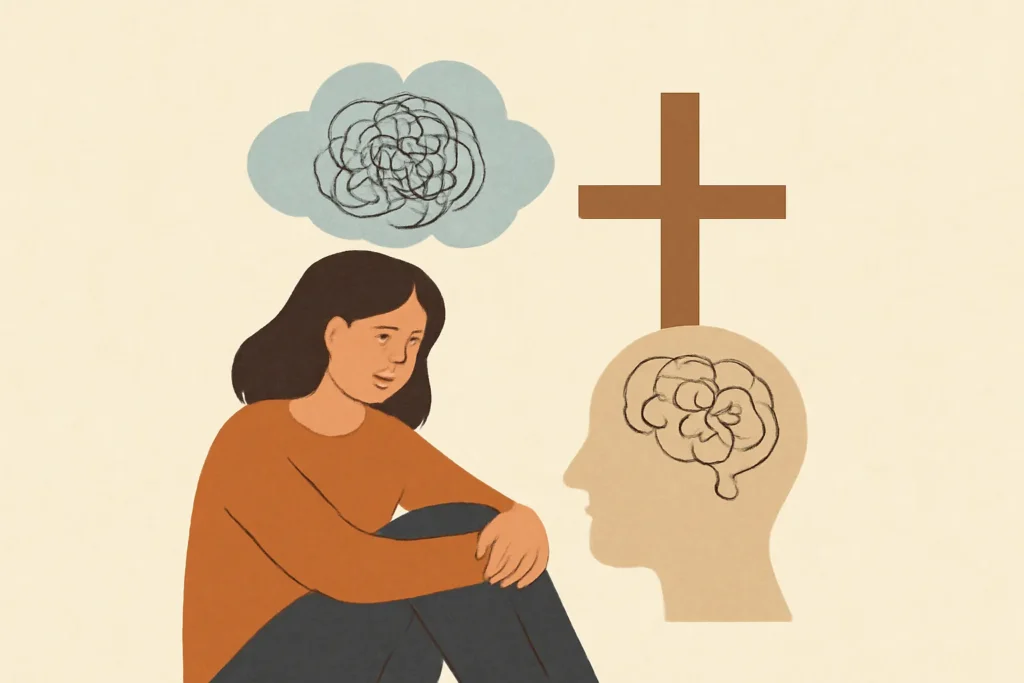
Christianity and mental health intersect in ways that shape how individuals and communities find meaning, resilience, and care. This article offers an in-depth look at Christianity and well-being, examining theological perspectives, practical care, and the diverse approaches across traditions. By exploring history, faith-based practices, professional care, and community life, readers can gain a nuanced understanding of how faith communities can support authentic healing, compassion, and healthy living.
Historical perspectives on Christianity and mental health
The relationship between Christianity and mental health has deep roots. In the early church, care often occurred in the margins of society, with monasteries and guilds providing shelter, hospitality, and rudimentary medical attention. The monastic movement, especially in the medieval period, developed hospices and infirmaries where afflicted people received both physical and spiritual care. These communities tended to view illness and distress within a broader framework of meaning, sin, grace, and redemption, recognizing that suffering could be transformed by compassion and purpose.
As medicine and psychology evolved, Christian communities grappled with shifting understandings of mental distress. Some periods emphasized spiritual warfare, demonology, or denunciation of illness, while others integrated emerging psychological insights with pastoral care. Across denominations—whether Catholic, Orthodox, Protestant, or evangelical—leaders learned that stigma surrounding mental illness could hinder healing, while deliberate engagement with psychological science and compassionate accompaniment could promote recovery and flourishing.
Today, many Christian communities trace a lineage from those historical roots by creating programs that blend faith with evidence-based approaches to mental health. This includes comfortable environments for conversations about anxiety, depression, trauma, and grief, as well as partnerships with clinicians, counselors, and social services. The historical arc thus points toward a model of care that honors both spiritual needs and emotional health.
Faith as a resource for mental health and well-being
For many people, the Christian faith provides a robust reservoir of hope, belonging, and purpose that supports emotional health. Core beliefs about creation, a loving God, human dignity, and the possibility of transformation can nurture resilience when life becomes overwhelming. In healthy faith communities, meaning-making helps people interpret suffering, mobilize supportive networks, and access practical resources.
Yet it is essential to acknowledge that faith alone cannot cure all distress and that faith-based comfort must be complemented by appropriate professional care when needed. The most successful paths to wellbeing often integrate:
Meaning and purpose found in relationships, service, and vocation
Hope and grace experienced through worship, prayer, and communal support
Social connectedness and accountability within a caring faith community
Healthy practices around sleep, nutrition, physical activity, and stress management
When a congregation emphasizes holistic care, individuals are more likely to seek help early, reducing the risk of chronic distress becoming overwhelming. In this approach, compassion, empathy, and nonjudgmental listening become as central as doctrinal clarity.
Theological frameworks: suffering, grace, and the mind
Theological reflections on suffering, the mind, and flourishing vary across Christian traditions, yet several common themes emerge that can guide mental health care within faith communities.
Understanding suffering in Christian tradition
Many Christian teachings view suffering as a dimension of the human condition shaped by brokenness, freedom, and the possibility of grace. Within this frame, distress can be interpreted as a signal calling for care, community, and healing rather than punishment or shame. It is important to distinguish between a compassionate, theologically informed approach and punitive responses that blame individuals for their struggles.
Forgiveness, guilt, and mental health
Concepts of forgiveness and guilt can have profound impacts on psychological health. While forgiveness can relieve the burden of resentment and promote reconciliation, an overemphasis on shame or punitive standards can exacerbate anxiety or depression. Healthy pastoral care emphasizes restorative forgiveness, accountability without shaming, and clear boundaries between moral formation and mental distress.
A robust theological anthropology highlights human dignity and the imago Dei—the belief that every person bears the divine image. This framing invites compassion, reduces stigma, and affirms the legitimacy of seeking help. It also preserves human agency: people are invited to participate in healing through personal discipline, communal support, and professional strategies that honor their faith commitments.
Spiritual practices and mental health
Spiritual disciplines can be powerful contributors to well-being, helping individuals manage stress, cultivate inner resources, and sustain hope. Careful attention to context and individual needs is essential to ensure practices support rather than overwhelm someone already facing distress.
Prayer, contemplation, and mindfulness
Prayer can offer solace, a sense of connection to the divine, and a framework for naming fears. Contemplative prayer and brief, steady breathing practices can also reduce physiological stress responses. Some Christian traditions encourage silent listening for God, while others emphasize structured intercession with community members who pray together.
Scripture, reflection, and meaning
Scripture can provide comfort and a lens for interpreting life events. Guided reflection on biblical stories of struggle and restoration can foster resilience, but it is essential to avoid rigid interpretations that blame individuals for their distress. Spiritual guidance should invite questions, doubt, and honest discussion.
Sabbath, rest, and rhythm
Observing Sabbath-like rest can counter burnout and promote balance. Healthy rhythms—regular sleep, predictable routines, and time away from perpetual busyness—are consistent with Christian teachings about ultilizing time, creation care, and gratitude.
Rituals, sacraments, and communal healing
Sacraments such as baptism and the Lord’s Supper can anchor identity and belonging during periods of distress. Rituals of lament, corporate prayer, and healing services may offer symbolic channels for expressing grief, fear, and longing for restoration.
Pastoral care, clergy, and lay counselors
Pastoral care is a cornerstone of Christian communities. Clergy, lay ministers, and trained volunteers often provide listening, encouragement, and practical support. Yet pastoral care is most effective when it respects professional boundaries and recognizes when specialized intervention is needed.
Clergy can serve as first responders for emotional crises, offering a listening ear and validation without judgment.
Pastoral care teams and care committees can coordinate support for families dealing with mental distress or trauma.
Lay counselors trained in basic mental health support can complement clinical care, provided they refer to professionals for complex needs.
Church leaders should cultivate a non-stigmatizing culture that normalizes seeking help from mental health professionals.
To be effective, faith communities should establish ethical guidelines around confidentiality, informed consent, and crisis response. Churches that partner with professional counselors or create formal care teams demonstrate a mature understanding of the limits and strengths of faith-based care.
Christian counseling and mental health professionals
Christian counseling blends spiritual perspectives with evidence-based psychological methods. Some clients prefer faith-integrated therapy, wherein therapists acknowledge religious beliefs, provide scripturally informed coping strategies, and help align treatment goals with faith commitments. Others may seek secular therapy while maintaining a Christian worldview; in either case, the collaboration between mental health professionals and faith communities can be productive and respectful.
Clarifying the therapist’s approach and whether it aligns with your faith tradition
Asking about confidentiality, crisis planning, and emergency contacts
Ensuring treatment plans honor your religious values, while remaining evidence-based
Evaluating the fit between therapist and client, including cultural competence and sensitivity to spiritual concerns
It is not uncommon for individuals to benefit from a stepped approach: starting with pastoral support or spiritual direction, then transitioning to or incorporating professional therapy or psychiatric care when indicated. When mental health concerns are severe—such as persistent suicidal thoughts, self-harm, or psychosis—urgent professional intervention should be sought immediately, with the faith community supporting safety and care-seeking.
Christian communities are diverse in their theological emphases, liturgical practices, and attitudes toward mental health. Exploring these variations helps illuminate both shared commitments and distinctive approaches.
Catholic and Orthodox traditions often emphasize sacramental life, liturgical rhythm, and ordained clergy as centers of care, while increasingly collaborating with secular mental health professionals and hospital systems.
Mainline Protestant churches may emphasize congregational care, social service, and pastoral education in mental health literacy and destigmatization.
Evangelical and Pentecostal communities may incorporate vibrant worship, spiritual experiences, and faith-based healing narratives, while also recognizing the value of professional care when needed.
Anglican and Episcopal communities often combine sacramental life with thoughtful social outreach, including mental health awareness and family support programs.
Independent and non-denominational churches vary widely, but many are increasingly networking with local mental health services and creating peer-support groups that align with their values.
Across these traditions, a common thread is the recognition that people are more than their diagnoses and deserve dignity, listening ears, and practical aid. The challenge is to foster care that honors faith while embracing professional wisdom, ensuring that believers receive comprehensive support.
Ethics, boundaries, and safety in faith settings
Faith communities have an ethical responsibility to safeguard the wellbeing of their members. This includes maintaining confidentiality, obtaining informed consent for psychological discussions, and understanding when to refer individuals to mental health professionals or crisis services.
Establishd confidential care protocols that protect personal information while ensuring safety for those in danger of harming themselves or others.
Provide clear information about crisis resources, including local hotlines, emergency services, and hospital options.
Respect autonomy: honor a person’s right to choose whether to engage in pastoral counseling, secular therapy, or a combination of both.
Train church leaders in recognizing signs of distress, trauma exposure, and when to seek external help.
Boundaries matter. Ministry teams should avoid oversteasing spiritual causation for every problem, while also avoiding secularizing language that dismisses the role of faith in healing. A balanced stance—recognizing both spiritual and psychological dimensions—supports healthier outcomes and preserves trust within the community.
Practical guidance for individuals and families
Whether a person identifies as a lifelong member of a Christian tradition or a newcomer to faith, there are practical steps that can support mental health while honoring beliefs.
Acknowledge distress and seek help early: naming the struggle is often the first step toward healing.
Engage trusted mentors—pastors, chaplains, or faith leaders—who listen with empathy and refer to professionals when needed.
Build a support network that includes family, friends, and faith-community allies who provide nonjudgmental encouragement and accountability.
Access professional care when symptoms persist, intensify, or interfere with daily life (sleep, appetite, concentration, functioning).
Practice spiritual disciplines in moderation and with care, ensuring they remain supportive rather than onerous or guilt-inducing.
Tips for individuals experiencing anxiety or depression
People living with anxiety or depressive symptoms can find in Christian communities a safe space to seek help. Helpful steps include:
Exploring breathing exercises and grounding techniques that can be practiced alongside prayer.
Reading and reflecting on stories of resilience in scripture, while avoiding punitive interpretations of personal distress.
Connecting with a trusted counselor or therapist who respects your faith commitments.
It is important to recognize that mental health care often requires a multi-faceted approach, including medical evaluation, psychotherapy, lifestyle adjustments, and supportive relationships. A healthy faith community can play a role in each of these dimensions by offering encouragement, reducing stigma, and coordinating care with professionals.
Guidance for families supporting loved ones
Families can sustain one another through difficult seasons by practicing listening, patience, and practical help. Consider the following:
Attend to boundaries and model healthy self-care to prevent caregiver burnout.
Offer consistent, nonjudgmental presence, and validate the person’s experience.
Help connect the individual with mental health resources and faith-based supports that align with values.
Encourage involvement in community activities that foster belonging and purpose.
Community initiatives and public health within churches
Faith communities can be powerful engines of mental health literacy, stigma reduction, and access to care. When congregations implement intentional programs, they create ecosystems where wellbeing is a shared concern and where people feel safe to seek help.
Educational workshops on recognizing symptoms of depression, anxiety, and trauma.
Peer-support groups that are trauma-informed, confidential, and faith-grounded.
Partnerships with local clinics, hospitals, and counseling centers to facilitate referrals and reduce barriers to care.
Altars and prayer spaces that acknowledge grief, trauma, and loss without encouraging shame or silence.
Leadership development within the church can also focus on equipping laypeople to offer compassionate listening, encourage help-seeking, and promote healthy church culture. A church that embraces inclusion, respect for diverse experiences, and evidence-based practices is more likely to nurture resilient individuals and families.
Case examples and stories
While preserving privacy, a few anonymized scenarios illustrate how Christian frameworks can support mental health:
A young adult facing anxiety finds comfort in a campus ministry that offers structured small groups, guided prayer, and referrals to campus counseling services. The group’s empathetic listening and hope-filled perspective create a sense of belonging and practical coping ideas that complement professional treatment.
A parent grieving the loss of a child participates in a bereavement ministry, engaging in rituals of lament and community support. The combination of ritual, faithful reflection, and connections with trained counselors helps the family integrate grief into life and rebuild daily rhythms over time.
A person with a history of trauma connects with a faith-based counseling program that prioritizes safety, consent, and empowerment, while incorporating scripture that emphasizes healing and restoration. The approach honors both spiritual concerns and clinical best practices.
These stories highlight how a thoughtful integration of faith and mental health care can provide holistic support. They also remind us that healing is often a process that requires patience, community, and access to diverse resources.
Closing reflections on faith, resilience, and thriving
In recognizing the complex interplay between Christian faith and mental health, communities can cultivate environments where suffering is acknowledged, care is offered, and hope is maintained. A generous approach to care—one that honors spiritual convictions while welcoming professional guidance—promotes well-being, fosters resilience, and honors each person’s dignity.
By weaving together faith, care, and evidence-based practices, Christian communities can become workplaces of healing where hope, trust, and compassion guide daily living. The journey toward well-being is not a single act but a sustained practice of listening, learning, and loving one another well.










Leave a Reply