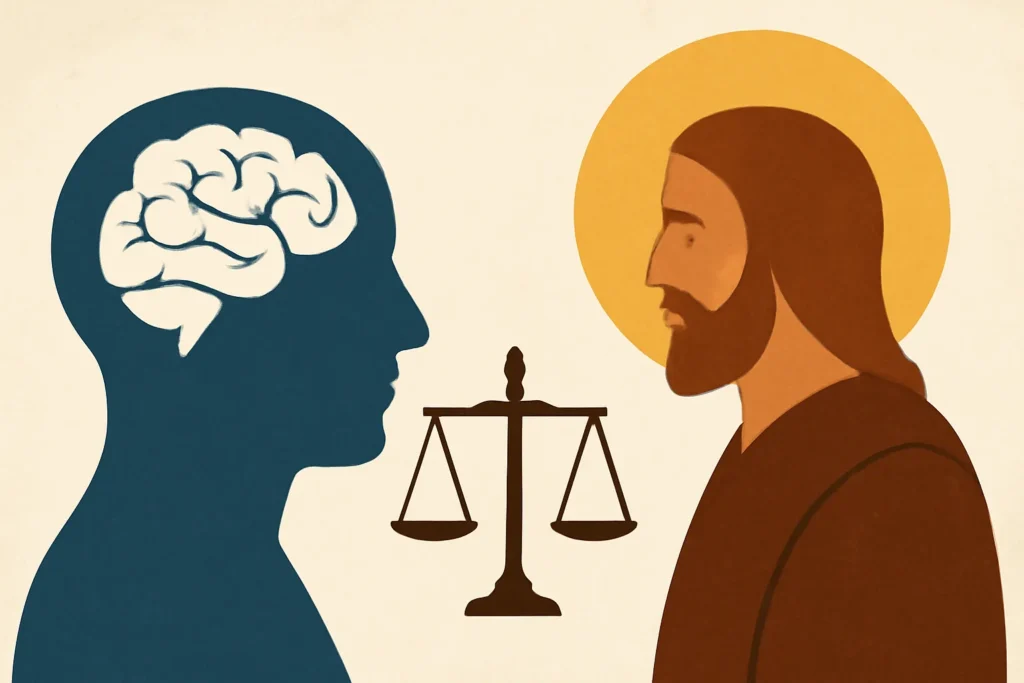
Human beings seek understanding from many directions, and two enduring frameworks for interpreting experience are psychology and theology. While psychology tends to explain how minds think, feel, and develop within social environments, theology offers questions about purpose, meaning, and relationship to the divine. Yet these domains are not isolated islands. They form a conversation where ideas about brain and behavior illuminate questions about faith, and conversely, spiritual frameworks shape approaches to mental health and human flourishing. In this article, we explore how the mind and the faith world meet, overlap, and sometimes challenge one another, with an eye toward practical implications for individuals, communities, and professionals who work at their intersection.
At the core of the mind-faith connection is the recognition that conscious experience, emotions, memories, and values are not abstract abstractions but lived realities tied to identity, community, and purpose. On one side, psychology seeks to understand mechanisms of perception, cognition, emotion regulation, attachment, development, and psychopathology. On the other, theology probes metaphysical questions about existence, the nature of God, creation, salvation, and moral order. The dialogue between these fields is not a simple blend of methods; it is a disciplined exchange that honors the integrity of each discipline while exploring shared topics—such as how spiritual beliefs influence coping, how religious communities support mental health, and how psychological insight can inform compassionate ministry.
Historical Tensions and Synergies
History offers a spectrum of interactions between psychology and theology, ranging from critique to collaboration. In some periods, religious authorities framed human behavior in terms of sin, virtue, and moral injury, while early psychological theories tended to pathologize religious experience as irrational or pathological. Yet many thinkers have insisted that the mind and the spirit are not simply separate gears of human life but interwoven threads. The following subsections map key movements that shaped the modern conversation.
Classical and medieval foundations
In antiquity and the medieval era, prominent theologians such as Augustine and Aquinas engaged questions about the will, appetite, memory, and salvation in ways that echo later psychological concerns. Augustine’s introspective method anticipated later interest in self-reflection and memory as decisive for the will and moral life. Aquinas offered a rigorous account of human agency, virtue, and the role of grace, inviting a dialogical approach where reason and faith inform one another. Although not psychology as we know it, these traditions provided a vocabulary for discussing motive, desire, and the cultivation of character that later psychology would study empirically.
From Freud to contemporary psychological science
The emergence of psychoanalytic and later behavioral and cognitive theories introduced new language for mental life: drives, defense mechanisms, schemas, and learning processes. Some early critiques framed religious belief as illusion or pathology; others saw religion as a meaningful source of consolation and meaning-making. In recent decades, the field has moved toward a more nuanced view: religion can be a resource for coping and resilience, yet it can also participate in maladaptive patterns when beliefs or practices become rigid or harmful. Contemporary research emphasizes the complex, multifaceted roles of faith in mental health, including community support, ritual meaning, and identity formation.
Key Concepts in Psychology That Illuminate Theology
Several core concepts in psychology translate into meaningful insights for theology, helping believers and scholars understand how faith life operates in real-world contexts. Conversely, theological commitments can illuminate questions about what counts as healthy or flourishing life. Below are several foundational ideas that frequently appear in the mind-faith dialogue.
Self and identity
Narrative identity is the internalized sense of one’s story over time. It shapes motivation, coherence, and purpose. Theological traditions offer a grand narrative—creation, fall, redemption—that many find deeply explanatory and formative. When psychology and theology collaborate, individuals can integrate their personal stories with a larger meaning framework, supporting healthier self-concept, moral development, and resilience. The interplay between narrative coherence and spiritual meaning can reduce existential distress and foster a sense of belonging.
Attachment and spiritual formation
Attachment theory highlights the importance of secure relational care in early life for later emotional health and social functioning. This lens also maps onto spiritual formation: the relationship a person experiences with caregivers, and by extension with the divine or sacred others, shapes patterns of trust, hope, and security. Religious communities can function as attachment figures, offering consistent support, empathy, and belonging, while also signaling healthy boundaries and accountability. Conversely, unhealthy attachments or rigid control within a faith community can contribute to anxiety, shame, and impaired functioning.
Human emotion is not opposed to reason in the mind-faith dialogue. Emotions supply information about values and relationships, while reasoning helps interpret those feelings within a coherent worldview. Theistic frameworks often articulate moral emotions—compassion, guilt, gratitude—as central to human life. Psychological research helps refine how these emotions operate in everyday practice: for example, understanding how moral emotions motivate altruistic behavior or how guilt can be adaptive when it leads to repair, but maladaptive when it persists beyond what is warranted by the situation.
Cognition, meaning, and cognitive dissonance
People naturally seek consistency between beliefs, values, and experiences. When theological claims clash with lived experience, cognitive dissonance can arise. Psychological theories of adjustment, coping, and belief revision illuminate how individuals reconcile or reorganize their worldview. On the other hand, theology can guide the interpretation of ambiguous experiences, offering a framework for understanding suffering, mystery, and faith development. The healthiest outcomes occur when cognitive coherence is pursued with openness, humility, and supportive communities.
Theological Concepts That Inform Psychological Practice
In turn, theology contributes rich resources to psychology, particularly in areas related to dignity, meaning, love, and healing. When mental health practice engages with spiritual insight in a respectful and evidence-informed way, it can enhance care for individuals and communities without compromising scientific integrity.
Image of God, human dignity, and worth
Many traditions teach that all humans bear the image of the divine, imbuing life with profound dignity and worth. This conviction can anchor mental health work in a universal value: every person deserves respect, safety, and the opportunity to grow. Clinicians who acknowledge spiritual framing often create space for clients to explore values that inspire self-respect, responsibility, and care for others. A dignity-centered approach reduces stigma and affirms the potential for growth across diverse backgrounds.
Sin, guilt, and forgiveness
The language of sin and forgiveness has long influenced moral psychology. Modern practice recognizes that guilt can be a natural signal that moral norms were violated, but chronic, excessive guilt can contribute to distress. The theological concept of forgiveness offers a path to repair and reintegration, which can be integrated into therapeutic goals. Therapists may explore beliefs about accountability, reconciliation, and grace as part of a comprehensive plan for healing, particularly in cases of trauma, moral injury, or family conflict.
Grace, mercy, and resilience
Grace and mercy as theological resources can illuminate pathways to resilience. The perception that one is accepted and valued beyond mere performance can reduce shame and foster adaptive coping. In clinical contexts, grace can translate into nonjudgmental testimony, patient-centered care, and the cultivation of hopeful narratives that empower change and perseverance, even in the face of difficulty.
Spiritual practices such as prayer, meditation, and ritual can influence mental health in measurable ways. Psychological research has begun to map how these practices affect stress regulation, attention, and emotional balance. Theological traditions provide a framework for these practices, grounding them in meaning, community, and a sense of purpose. Integrative care might include guided contemplative exercises aligned with a client’s belief system, with careful attention to cultural sensitivity and personal autonomy.
Rituals, community, and social support
Rituals—seasonal celebrations, rites of passage, or communal prayers—offer predictable structure and shared meaning. They reinforce social bonds, provide consolation, and mark life transitions. From a psychological standpoint, ritual involvement can enhance social connectedness, reduce anxiety, and promote a sense of stability. Theological communities can offer these benefits as part of a holistic healing approach, while mental health professionals can help ensure that ritual participation remains inclusive and voluntary.
Applied Intersections: Counseling, Pastoral Care, and Community
When psychology and theology intersect in practice, several models of care emerge. The most fruitful approaches honor the integrity of both disciplines while remaining responsive to the unique beliefs and needs of clients. The following areas illustrate how mind and faith collaborate in real-world settings.
Integrative counseling and spiritual assessment
Integrative counseling blends evidence-based techniques with a respectful acknowledgment of clients’ spiritual frameworks. Therapists may incorporate spiritual history taking, questions about meaning and purpose, and exploration of how faith-related beliefs influence coping strategies. A careful approach investigates both psychosocial factors and spiritual well-being without presuming that every client shares a particular religious perspective.
Pastoral counseling and lay ministry
Pastors, priests, rabbis, imams, and other spiritual leaders often serve as frontline mental health supporters within their communities. Training in mental health basics enables leaders to recognize warning signs, provide initial support, and refer individuals to licensed professionals when needed. Collaboration between clinicians and clergy can expand access to care and reduce barriers rooted in stigma or mistrust.
Community healing and social ethics
Communities grounded in shared religious or spiritual commitments can mobilize resources for collective healing—grief support groups, trauma-informed worship spaces, or mutual aid circles. The ethical dimension of care emphasizes compassion, justice, and inclusion, aligning the aims of mental health with the social virtues cultivated by faith communities. In diverse settings, such collaboration also requires sensitivity to pluralism, ensuring that programs respect multiple belief systems while promoting wellbeing.
Research Frontiers and Contemplative Science
Research at the intersection of mind and faith is vibrant and evolving. Advances in neuroscience, psychology, and theology are illuminating how spiritual practices affect the brain, behavior, and health outcomes. This section highlights emerging areas that are shaping practice and policy.
Neuroscience of prayer, meditation, and mindfulness
Neuroimaging studies explore how repeated prayer or meditation modulates brain networks involved in attention, emotion regulation, and self-referential processing. Some findings suggest that regular contemplative practice can enhance cognitive control and reduce rumination, which correlates with improvements in mood and stress resilience. Interpreting these results within a theological frame helps practitioners articulate how spiritual disciplines relate to well-being in ways that are compatible with religious beliefs about the soul and the transformative power of grace.
Moral psychology and religious experience
Research into moral psychology investigates how people form judgments about right and wrong, how intergroup dynamics affect moral decisions, and how religious frameworks guide ethical behavior. By examining these processes, scholars can understand both the benefits and pitfalls of moral systems—such as the capacity for in-group solidarity and the risk of exclusion or judgment. A balanced view recognizes religion’s potential to foster virtue and accountability, while also acknowledging the need for humility, mercy, and reform when practices become harmful.
The field of contemplative science bridges empirical study with contemplative traditions, aiming to understand how practices like silence, breath work, and ethical reflection influence mental health. Theological insights about the nature of contemplation, the pursuit of wisdom, and the transformation of character enrich this field, offering interpretive frameworks that help researchers and practitioners explain why these practices matter beyond mere symptom reduction.
Ethical Considerations and Cultural Sensitivity
Engaging the mind-faith conversation responsibly requires careful attention to ethics and culture. The intersection of psychology and theology involves diverse beliefs, varying levels of religiosity, and different cultural interpretations of mental health and spirituality. Key considerations include:
Respect for autonomy: clients’ beliefs, values, and choices drive treatment planning. Informed consent should explicitly acknowledge spiritual preferences and the option to integrate or omit religious components.
Non-maleficence and safety: avoid coercive or judgmental practices. Be vigilant about the potential harm of shaming, guilt induction, or pathologizing sincere religious experiences.
Competence and humility: clinicians should seek appropriate training when engaging with spiritual topics and collaborate with faith leaders when beneficial.
Inclusivity and pluralism: honor diverse beliefs and avoid assuming a single religious framework applies to all clients or communities.
Evidence-informed integration: blend established psychological methods with respectful spiritual counsel, ensuring that each component can be explained and justified to the client.
Practical Takeaways for Readers
Whether you are a student, a clinician, a pastor, or a layperson curious about how the mind and faith intersect, here are accessible guidelines to foster constructive engagement between psychology and theology.
Reflect on narrative coherence: consider how your life story, beliefs, and values fit together. A coherent narrative can reduce distress and guide growth.
Cultivate healthy attachment patterns: seek relationships that offer secure support, both within communities of faith and in secular contexts, to promote resilience and emotional safety.
Practice compassionate self-regulation: combine emotion-aware strategies from psychology with faith-informed frameworks for forgiveness, self-care, and rest.
Engage in meaning-making through rituals: rituals can provide structure, community, and a sense of purpose, especially during transitions or hardship.
Approach spiritual experiences with openness: recognize that mystical or religious experiences may carry psychological significance and deserve respectful dialogue rather than skepticism alone.
Prioritize ethical care: when collaborating across disciplines, uphold confidentiality, consent, and cultural humility to protect vulnerable individuals and communities.
Integrate evidence with care: use research findings to inform practice while honoring clients’ beliefs, ensuring that interventions respect personal and communal identity.
Foster community-based support: faith-based and secular groups alike can provide affirmation, accountability, and practical help—especially in times of grief, trauma, or crisis.
Closing Reflections on a Unified Vision
The dialogue between psychology and theology is not about reducing one to the other or choosing a side in a tug-of-war between science and faith. It is about recognizing a shared human project: to understand the mind in its complexity and to live with integrity, care, and hope. When both disciplines engage with humility, curiosity, and respect for the other, they unlock avenues for healing, growth, and moral maturity that neither could achieve alone. The mind, after all, does not exist in a vacuum; it flourishes in relationship—with others, with communities, and with the transcendent ideals those communities hold dear. Likewise, theology remains deeply relevant when it asks not only what we believe, but how those beliefs animate compassion, justice, and practical wisdom in daily life.
As this conversation continues to evolve, professionals and lay readers alike can benefit from concrete practices that honor both scientific insight and spiritual truth. Whether through integrated counseling, pastoral care, or personal reflection, the mind-faith connection offers a rich landscape for growth. By attending to the full humanity of individuals—their thoughts, feelings, stories, and spiritual yearnings—we can cultivate healthier minds, more compassionate communities, and a more hopeful understanding of what it means to live well at the intersection of psychology and theology.











Leave a Reply