9 Holy Fruits: Discover the Sacred Fruits and Their Meanings
9 Holy Fruits: Discover the Sacred Fruits and Their Meanings
Across civilizations, certain fruits have transcended their culinary role and become potent symbols in religion, myth, and ritual. In this article, we explore nine such holy fruits whose meanings span continents and faiths, offering a lens into how people perceive life, abundance, purity, and divine favor. We will examine each fruit's origins, spiritual symbolism, and how they appear in ritual practice today. Note that the particular fruit we call “holy” is sometimes a matter of tradition and context; here we focus on widely recognized sacred associations rather than exclusive claims.
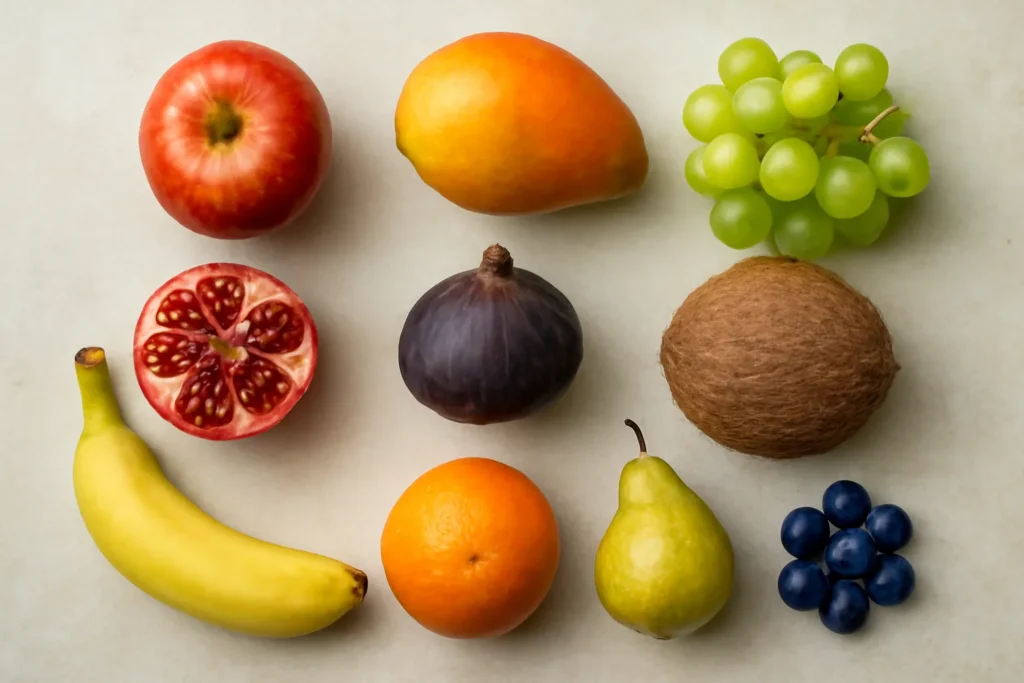
The pomegranate is celebrated as a talisman of life, renewal, and fertility in many ancient and modern cultures. Its hard shell encloses hundreds of ruby-red seeds, each a vivid reminder of abundance and the cycles of nature. In religious art and sacred literature, the fruit often embodies the idea that life is teeming with possibility and that divine grace is present in the multitude. The imagery of the pomegranate appears in myth, scripture, and ritual across the Mediterranean and the Near East, linking the fruit to themes of death and rebirth, judgment and blessing.
Origins and symbolic breadth
In the ancient Near East, the pomegranate is associated with Persephone’s myth of seasonal death and return, a narrative that underscores renewal and the harvest. In the land of Israel, the pomegranate is counted among the seven species of the Promised Land and is an emblem of fruitfulness. In Persian and Armenian traditions, its fruit is a centerpiece in Nowruz celebrations, representing the seeds of a prosperous year ahead. The pomegranate also appears in Christian iconography as a symbol of resurrection and the fullness of faith, while in Islamic art and poetry it is a sign of grace and divine abundance.
Ritual use and contemporary meanings
Ritual symbolism: Pomegranate imagery is used in weddings, religious art, and festive corollaries to symbolize blessings and a hopeful future.
Blessings and fertility: In agrarian societies, the fruit’s many arils have been read as a sign of fertility and community abundance.
Seasonal cycles: The fruit’s harvest timing aligns with autumn and early winter celebrations, serving as a reminder of renewal within the cycle of the year.
Modern culture: In contemporary art and literature, the pomegranate stands as a metaphor for humanity’s shared humanity and the richness of life.
Olive — the fruit of peace, blessing, and sacred oil
The olive tree and its fruit have been integral to Mediterranean spirituality for millennia. The olive’s evergreen leaves and the precious oil derived from its fruit carry a layered symbolism: peace, wisdom, healing, and divine favor. In many faiths, the olive is more than nourishment; it is a conduit for sanctity and an emblem of endurance through hardship. The aroma of olive oil is closely tied to anointing rites, sacred rituals, and the blessing of spaces and people.
In the Hebrew Bible, olive oil is essential for ritual sacrifice, anointing priests, and lighting sacred lamps, making the olive a holy substance within ancient Israelite religion. The city of Jerusalem itself features olive imagery in religious art and liturgy. In Christian theology, the Holy Spirit is often depicted as descending like a dove over an anointed one, with oil signifying consecration and spiritual empowerment. In the Greco-Roman world, olive trees symbolized wisdom and resilience, and the tree’s longevity affirmed a sense of sacred permanence.
Ritual uses and modern significance
Anointing ceremonies: Olive oil is used to consecrate people, objects, and spaces in many traditions.
Peace symbolism: The olive branch remains a universal emblem of reconciliation and goodwill.
Healing and purity: Olive oil anchors rituals of healing and purification in various cultic contexts.
Everyday sanctity: In Mediterranean kitchens, the olive’s role transcends cuisine to embody cultural identity and continuity.
Grape — wine, community, and sacramental memory
The grape is a cornerstone of human civilization, shaping economies, cuisines, and ceremonies through the ages. The fruit’s juice becomes wine, a beverage capable of turning ordinary gatherings into ritual moments. Across faiths, grape symbolism conveys community, transformation, and gratitude before the divine. In many traditions, the grape’s clusters embody abundance, while the wine of ritual consumption evokes shared memory and spiritual union.
Origins and symbolic scope
In the Jewish Passover seder, wine is a central element enriching memory, covenant, and liberation. In Christian liturgy, wine represents the blood of Christ and the mystery of salvation, turning the grape into a sacramental sign. The cult of Dionysus/Bacchus in the ancient world celebrates wine as a gift of the gods, a rite of social cohesion, and a path to ecstatic experience. Regions with long viticultural traditions—Spain, France, Italy, the Caucasus, and parts of the Middle East—invest the grape with regional myths of harvest, fertility, and divine favor.
Ritual use and contemporary meaning
Sacraments: Wine serves as a sacred element in rituals, transforming a simple fruit into a vehicle of faith.
Community: Grapes and wine unite families and communities in ceremonies, feasts, and harvest festivals.
Symbol of abundance: The grape cluster is a traditional sign of plenty, prosperity, and a favorable harvest.
Fig — knowledge, protection, and the mythic tree
The fig tree is among humanity’s oldest cultivated plants, and its fruit has carried symbolic weight from deserts to monasteries. The fig embodies wisdom, shelter, and the swaddling of life in abundance. In sacred narratives, the fig often marks moments of revelation, protection, and the moral choices people face in the light of the divine watch. The Bodhi tree, a sacred fig (Ficus religiosa), under which the Buddha attained enlightenment, anchors the fruit’s reputation as a portal to insight and awakening.
Origins and meaningful associations
In Christian iconography, the fig appears in narratives of Adam and Eve and in depictions of lush, fruitful gardens representing abundance and divine presence. In Judaism, fig trees appear in the Hebrew Bible as symbols of peace and prosperity, with fig leaves acting as a practical symbol of modesty and protection. The Bodhi tree’s sacred status in Buddhism makes the fig a symbol of spiritual awakening and the possibility of enlightenment for all beings. In the Mediterranean, fig trees have long offered shade and sustenance, becoming a lived memory of hospitality and shelter in sacred spaces.
Ritual uses and modern resonance
Protection and blessing: Fig leaves and fruit appear in rites invoking safety and divine care.
Wisdom and insight: The fig’s association with knowledge links it to education, monasteries, and places of study.
Hospitality: Offering figs has been a traditional gesture of welcome in many cultures.
Date — sustenance, faith, and desert resilience
The date palm stands as a beacon of endurance in arid landscapes, offering nourishment and ritual meaning. Dates have fed travelers and communities for centuries and are celebrated as a gift from the soil that makes life possible in harsh climates. In religious contexts, dates symbolize patient perseverance, the sweetness of faith, and a shared table that offers solace during difficult times. In Islamic tradition, dates are especially honored during Ramadan, when they are used to break the fast and to nourish the body after long hours of fasting.
In the Arabian Peninsula and surrounding regions, the date palm is a symbol of life, prosperity, and family lineage. The palm’s symbolism extends into Judaism and Christian contexts as a sign of victory and peace, while the fruit itself continues to be a staple in regional cuisines and spiritual rituals. The tree’s ability to thrive in harsh environments makes it a natural emblem of resilience and hope across the desert kingdoms of antiquity and modern times.
Ritual use and contemporary significance
Hospi tality: Dates are offered to guests as a sign of welcome and friendship in many cultures.
Fasting and feasting: The date’s sweetness marks the end of a fast or the celebration of a feast in religious calendars.
Symbol of endurance: The palm stands as a living monument to perseverance and faith in tough environments.
Apple — knowledge, temptation, and cultural universality
The apple has a storied presence in many traditions, where it is both a symbol of knowledge and a spark of temptation, as well as a fruit of beauty and renewal. While popular culture singles out the biblical "forbidden fruit" as an emblem of human curiosity, the apple’s symbolism runs deeper: it is a fruit that carries the memory of discovery, inner growth, and moral choice. In art and folklore, the apple’s uncomplicated sweetness becomes a carrier for profound ideas about choice and consequence. The apple’s cultural reach extends from Western medieval poetry to East Asian folklore, where apples are linked to immortality and harmony in some mythic cycles.
Origins and cross-cultural meanings
In Judaic and Christian texts, the apple is often read as the object of knowledge—the fruit that awakens humanity to moral agency. In Greek and Norse myth, apples symbolize youth, beauty, and temptation’s double edge, with myths about golden apples signaling divine favor and the challenges of immortality. In parts of East Asia, apples appear in festival language as tokens of peace and good wishes for longevity. This broad resonance makes the apple a universal emblem in human storytelling about virtue, risk, and growth.
Ritual use and modern symbolism
Weddings and blessings: Apples are used to symbolize love, commitment, and the sweetness of life shared together.
Knowledge and learning: The apple’s association with education makes it a common gift in academic settings.
Mythic resonance: In literature and art, the apple remains a potent metaphor for choice, destiny, and the complexity of moral life.
Banana — auspicious fruit in rituals and daily devotion
Banana holds a cherished place in many religious and cultural practices, particularly in the Indian subcontinent, where the fruit and its plant are often associated with auspicious beginnings and devotional offerings. The bright, curved fruit’s symbolism includes prosperity, fertility, and the blessings of the divine. In temples and households, bananas are frequently used in offerings, weddings, and temple decorations, signaling good fortune and the continuation of life’s blessings. The banana plant, with its broad leaves, also serves practical and ceremonial purposes in rituals and daily devotion.
Origins and cultural breadth
In Hindu ritual life, the banana is considered sacred and auspicious. It is common to see banana leaves used as plates during feasts and to partake in offerings to deities. The fruit is associated with deities of abundance and fertility, and it is often a welcome gift at temples and homes during celebrations. Buddhist and Jain traditions in South Asia also recognize the fruit’s purity and its suitability for offerings, while various Southeast Asian communities honor the banana in rituals of luck and prosperity.
Auspicious offerings: Bananas are placed on altars and offered during weddings, temple ceremonies, and pujas.
Symbol of prosperity: The fruit’s abundance and easy availability make it a practical sign of hope for a fruitful future.
Hospitality and welcome: Bananas are often shared with guests as a sign of generosity and good will.
Coconut — purity, abundance, and the three-eyed symbol
Coconut is a profoundly symbolic fruit in many spiritual traditions, especially in South Asia and parts of Southeast Asia. The coconut is regarded as pure and sacred, with its water and flesh used in purification rites, offerings, and temple ceremonies. The fruit’s outer husk and inner life reflect themes of surface and essence, while the three “eyes” on the shell are sometimes linked to the Hindu trinity of Brahma, Vishnu, and Shiva. In ritual settings, breaking a coconut is a gesture of breaking ego and releasing life into a sacred space, a form of devotion that invites divine blessing and purification.
Origins and sacred associations
In Hinduism, the coconut is a standard offering in poojas, weddings, and housewarmings; it is also an emblem of sustenance and spiritual purity. In Buddhism and Jainism, coconuts appear in temple rites and alms rituals as expressions of piety and non-attachment. The coconut’s ritual significance is reinforced by its practical uses in cleansing spaces, preparing sacred beverages, and providing edible sustenance in ceremonial meals. The fruit’s symbolism of fresh beginnings and the potently pure interior makes it a centerpiece of devotion across many cultures.
Ritual use and contemporary relevance
Purity and blessing: Coconut breaking is a symbolic act that invites divine grace and clears the space for worship.
Offerings and hospitality: The coconut remains a common gift in temple offerings and family ceremonies.
Practical divinity: Beyond ritual, coconuts power practical traditions—feeding communities and sustaining rituals with their water and meat.
Mango — the regal fruit of abundance and divine proximity
Mango is often celebrated as the “king of fruits” in many parts of Asia, and it carries a uniquely sacred aura in Indian culture. The fruit’s aroma, sweetness, and vibrant color evoke the presence of the divine in daily life. In sacred spaces, mango leaves are used to adorn doors and altars to invite prosperity and auspiciousness. The mango tree is regarded as a sacred presence in many households and temples, and its fruits are shared in ritual offerings, festive feasts, and seasonal ceremonies that mark harvest and renewal. The mango’s cultural resonance extends to poetry, music, and myth, where it embodies desire, beauty, and the blessings of the gods.
Origins and spiritual breadth
In Indian religious and cultural life, the Mangifera indica tree is associated with gods and goddesses who preside over harvest, fertility, and prosperity. The leaves, fruits, and even the tree’s presence in a home are seen as auspicious signs that invite divine favor. In broader South and Southeast Asia, mango trees appear in legends of abundance and courage, linking the fruit to virtuous living and the protection of communities. The mango’s reputation as a sacred fruit is reinforced through countless regional rituals, fairs, and religious festivals.
Ritual use and contemporary symbolism
Auspicious beginnings: Mango leaves and fruit decorate wedding spaces and temple entrances to invite blessings.
Love and devotion: The fruit often symbolizes romantic love and the blessing of harmony in relationships.
Harvest gratitude: Mango rings and offerings appear in harvest festivals as gratitude for the earth’s bounty.
Across these nine holy fruits, we glimpse a shared human impulse: to see the ordinary as a doorway to the sacred, to translate daily nourishment into divine meaning, and to frame life’s most profound questions—about life, abundance, virtue, and endurance—through the language of fruit. While each tradition assigns distinct stories and uses to these fruits, the common thread is clear: the simple act of eating and sharing fruit can become a ritual of connection—between people, communities, and something beyond the ordinary, something considered holy.









Leave a Reply