Jephthah's Daughter: A Woman of Faith and Sacrifice in the Bible
Jephthah's Daughter: A Woman of Faith and Sacrifice in the Bible
Old Testament Women | Deuterocanonical Women | Symbolic Figures
Jephthah's Daughter: A Woman of Faith and Sacrifice in the Bible
📅 12th to 11th century BCE (Late Iron Age, roughly 1100-1050 BCE) · 📜 The name 'Jephthah' means 'Open he/she rejoices' in Hebrew, symbolizing themes of rejoicing and openness in biblical narratives.
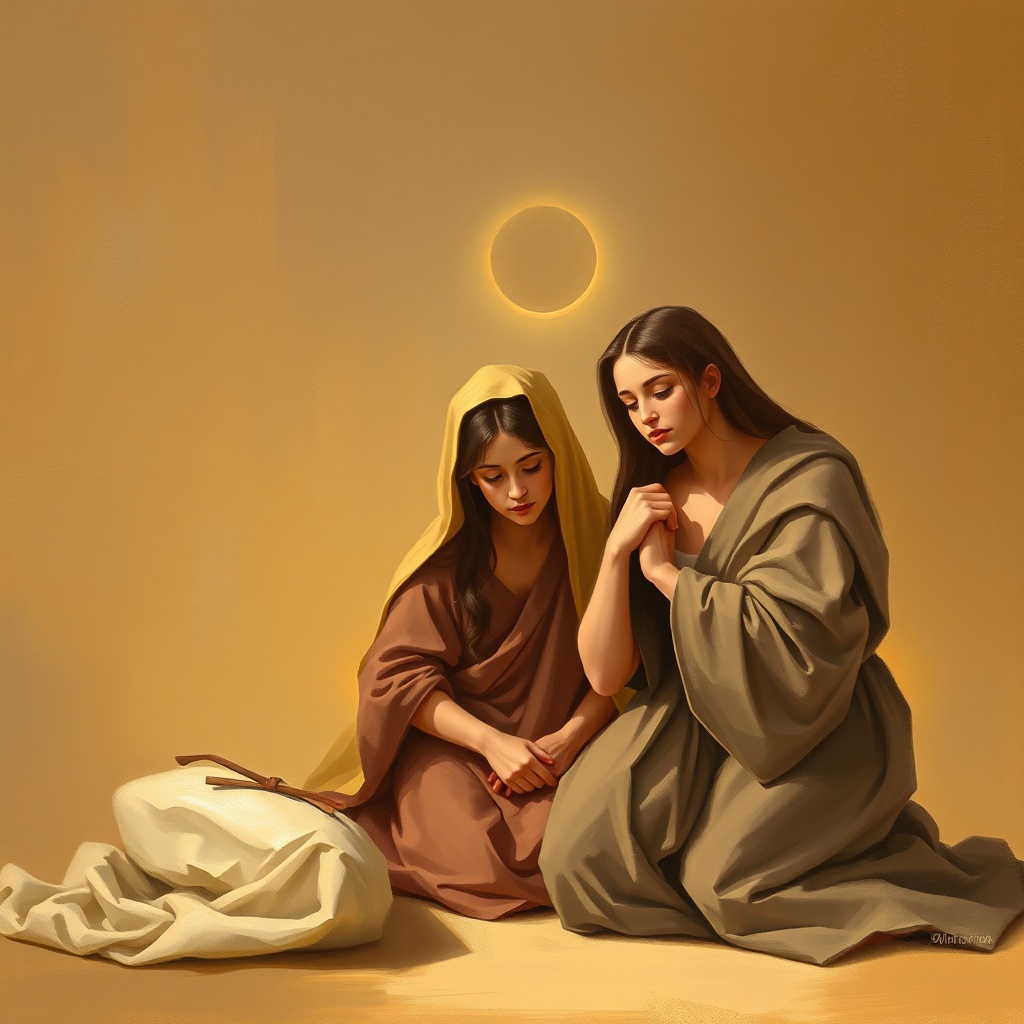
As she said to her father, 'Let this thing be done for me: leave me alone so I may go up and mourn my virginity, my friends.' (Judges 11:37)— Judges 11:37
Jephthah’s daughter is a prominent figure in the Book of Judges who embodies tragic obedience and faith. When her father, Jephthah, makes a rash vow to sacrifice whatever comes out of his house if victorious in battle against the Ammonites, she is the first to emerge. Upon learning of her father’s vow, she laments her fate, accepting her role with piety and bravery. Her story underscores themes of obedience to God, the consequences of rash vows, and a woman’s silent suffering. She consents to her death to honor her father’s vow, highlighting her unwavering faith. Her sacrifice has been interpreted both as a tragic loss and as a symbol of devotion. Her story has sparked debates about the dangers of impulsive vows and the importance of faith and obedience in biblical history.
🏛️ Cultural & Historical Context
In ancient Israel, women’s roles were primarily centered around family and obedience to patriarchal authority. Women’s voices were often silenced, and their value was linked to their obedience and purity. Jephthah’s daughter’s willingness to accept her fate reflects the cultural expectation of obedience, yet her story also emphasizes the profound strength of faith. Her act demonstrates the complex intersection of personal devotion, societal expectations, and divine obedience. Historically, her story challenges modern perceptions of women’s agency while highlighting the deep-rooted values of loyalty and faithfulness in that era.
👨👩👧 Family Connections
Her father was Jephthah, an Ephraimite judge and warrior; her mother’s name is not recorded; she had no known siblings or children, as her story focuses on her sacrifice.
Jephthah’s daughter exemplifies unwavering faith and obedience, even in the face of death, highlighting the biblical theme of sacrificial devotion to God. Her story prompts reflection on vows, promises, and the importance of discernment in obedience. While her sacrifice is tragic, it underscores the biblical motif of total devotion to divine will. Her life invites believers to consider the costs of faithfulness and the importance of trust in God's sovereignty. Her story is also a reminder of the tragic consequences that can result from rash vows, urging care and wisdom in commitments made before God. Ultimately, she remains a poignant symbol of sacrificial obedience in salvation history.
📖 Lessons for Today
📖 Lesson 1
Our promises and vows should be made with wisdom and careful consideration of their consequences.
Jephthah’s daughter contrasts with women like Hannah or Ruth, who sought divine favor through prayer and active faith. Unlike Deborah or Miriam, who led with influence, her story centers on silent obedience and sacrifice. Her story underscores themes of piety and tragedy, highlighting the diverse roles women played: from leadership to sacrificial devotion, reflecting both strength and vulnerability in biblical narratives.
📜 Scripture References
Reference
Judges 11:29-40
❓ Frequently Asked Questions
Why did Jephthah’s daughter sacrifice herself?
She accepted her father’s vow and chose to fulfill it out of faith and obedience to God, even though it meant her death (Judges 11:37-39).
What is the significance of her story?
Her story highlights the themes of obedience, faith, and the tragic consequences of impulsive vows, encouraging believers to trust and be cautious in promises made to God.
How do Christians interpret her sacrifice?
Christians see her as a model of faith and obedience, reminding believers of the importance of trusting God's plan, even in suffering, while also reflecting on the need for wise speech and vows.
✨ Did You Know?
Scholars debate whether Jephthah’s daughter was sacrificed or perhaps dedicated as a vow to remain unmarried for life; linguistically, the Hebrew words used can be interpreted in multiple ways, adding mystery to her exact fate. Her story remains one of the most poignant examples of dedication and tragic obedience in biblical history.








Leave a Reply