The Mothers of the Judges: Unveiling Biblical Women’s Legacy
The Mothers of the Judges: Unveiling Biblical Women’s Legacy
Old Testament Women | Women of Faith | Biblical Heritage | Women in Leadership
The Mothers of the Judges: Unveiling Biblical Women’s Legacy
📅 circa 12th to 11th century BCE, during the era of the Judges · 📜 The Hebrew root of 'Mothers of the Judges' does not refer to a specific individual name but highlights maternal figures or matriarchal influence associated with those biblical women who played crucial roles during the era of the Judges.
JudgesWomen of the BibleFaithLeadership
And behold, a woman named Deborah, a prophetess, the wife of Lappidoth, was judging Israel at that time. She held court under the Palm of Deborah between Ramah and Bethel in the hill country of Ephraim, and the Israelites came to her for judgment.— Judges 4:4
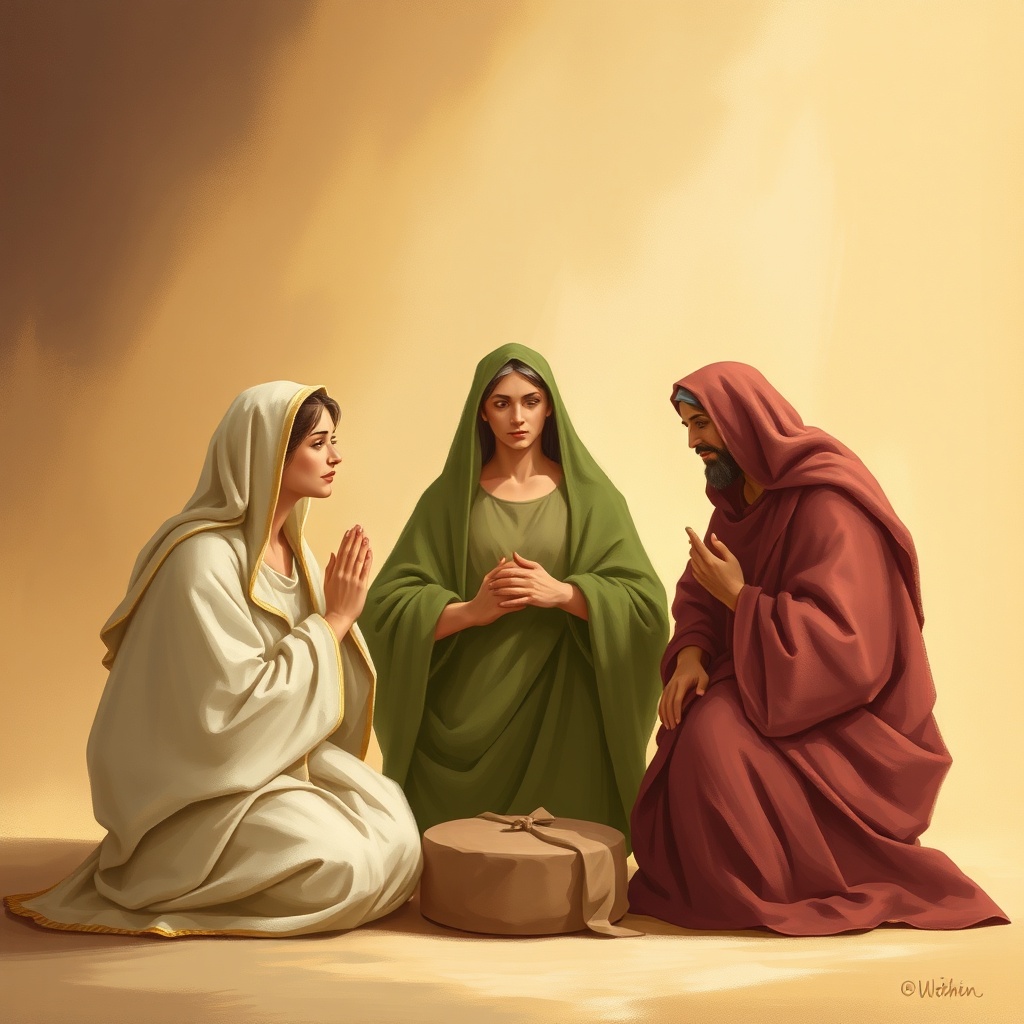
The Mothers of the Judges are a group of influential women whose stories are embedded within the Book of Judges, a period marked by social upheaval and spiritual decline. Notable among them is the unnamed mother of Samson, who exemplifies faith and obedience in her willingness to dedicate her son to God's service. Her story emphasizes trust in divine plan amidst uncertainty. Another significant figure is the mother of Jephthah, whose tragic vow underscores themes of faith intertwined with human error. These women, often unnamed, symbolize maternal influence, faithfulness, and the pivotal roles women played in guiding Israel during turbulent times. Their stories reflect reliance on God's sovereignty, illustrating how women, even in a patriarchal society, influenced spiritual and national destiny. The narratives highlight themes of obedience, sacrifice, and divine purpose, inspiring faith across generations.
🏛️ Cultural & Historical Context
During the period of the Judges, Israel was a tribal confederation with no centralized monarchy, leading to instability and moral decline. Women held primarily domestic roles but could also influence spiritual and social matters, especially through motherhood and faith. The societal fabric was patriarchal, yet maternal figures often played vital roles in preserving faith traditions and moral values. Women’s stories, like those of the Mothers of the Judges, reflect their vital contributions—often embodied in acts of sacrifice, prayer, or guidance. Cultural expectations emphasized modesty, obedience to male authority, and reverence for divine law, yet these women demonstrated agency within their societal constraints, shaping the spiritual legacy of their communities.
👨👩👧 Family Connections
These women are connected to various tribes of Israel. For example, the wife of Manoah (Samson’s mother) was from the tribe of Dan, and the unnamed mother of Jephthah was of Gilead. They often had close familial relationships with their husbands, children, and tribal communities, though specific genealogies are limited.
The Mothers of the Judges exemplify faith, obedience, and trust in God's providence, serving as spiritual mothers who guide and influence Israel’s future. Their stories reveal that divine purposes often unfold through women’s silent yet impactful roles, emphasizing that God's plan transcends gender. They embody the themes of sacrifice, fidelity, and divine trust, aligning with salvation history’s trajectory—highlighting God’s use of ordinary women for extraordinary divine purposes. Their narratives point to God’s ongoing involvement in human history and underscore the importance of maternal faith and obedience as reflections of divine trustworthiness, reinforcing core biblical principles of faith in God's sovereignty.
📖 Lessons for Today
📖 Lesson 1
Faithfulness to God's promises can inspire future generations to trust in divine plans despite uncertainty.
Like Hannah and Ruth, the Mothers of the Judges demonstrate faith and maternal influence in Scripture. Unlike women such as Delilah or Jezebel, who embody rebellion or deception, these women serve as models of faith, obedience, and divine trust. Their stories collectively highlight the significant yet often understated roles women played in shaping Israel’s spiritual history, emphasizing themes of maternal faith and divine intervention.
📜 Scripture References
Reference
Judges 4:4
Judges 11:1
Judges 13:2
❓ Frequently Asked Questions
Who were the Mothers of the Judges?
They were women in the Book of Judges who played key roles through their faith, obedience, and sometimes tragic sacrifices, such as Samson’s mother and the unnamed mother of Jephthah, influencing Israel’s spiritual and national destiny.
What is the significance of their stories?
Their stories highlight the vital influence women had during a turbulent period, exemplifying trust in God and illustrating that divine purposes are fulfilled through faithfulness and obedience, often by unseen but impactful maternal figures.
Are these women named in the Bible?
Most are unnamed in scripture, emphasizing their roles as archetypes of faith and maternal influence. Only a few, like Samson’s mother and the mother of Jephthah, are specifically identified.
✨ Did You Know?
Though most of these women remain unnamed, archaeological evidence and ancient Near Eastern customs suggest that maternal figures held significant roles in tribal and spiritual life. Interestingly, the name 'Deborah' means 'bee' in Hebrew, symbolizing diligence and leadership — traits reflected in her biblical story and extending to the mothers portrayed in Judges.










Leave a Reply