Pastor John Ortberg: Biography, Teachings, Books, and Sermons
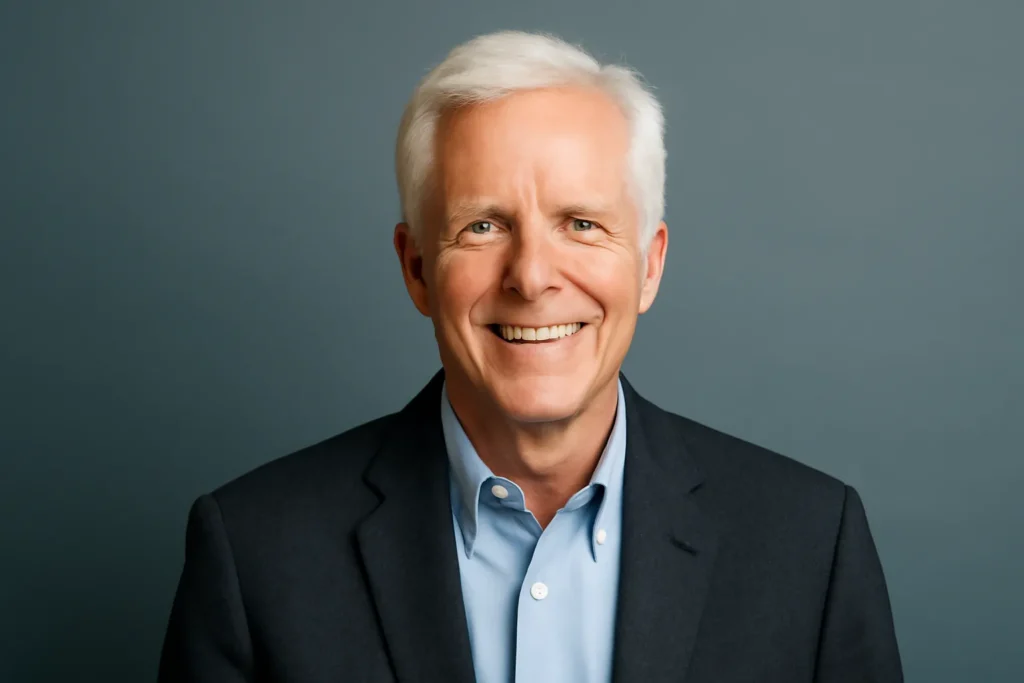
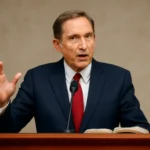
Pastor John Ortberg is widely recognized as a thoughtful, engaging voice in contemporary Christian life. Known for his accessible storytelling, practical theology, and emphasis on spiritual formation, he has shaped the way many lay Christians and church communities think about discipleship, prayer, and daily living. Though best known as the teaching pastor of a thriving church in California, Ortberg’s influence extends far beyond the pulpit—through books, sermons, conferences, and media that reach audiences around the world. This article offers a comprehensive look at the life, teachings, major works, and sermons of the pastor John Ortberg, highlighting how his message blends humility, humor, and deep spiritual insight.
Biography
Biographical sketches of John Ortberg tend to emphasize a life devoted to helping people grow in faith. While precise biographical details can vary in public accounts, the core narrative remains consistent: Ortberg emerged as a prominent pastor and author who used storytelling, practical wisdom, and clear biblical exposition to guide readers and listeners toward a more intimate relationship with God. Over the decades, he became a fixture in evangelical circles, known for creative preaching and a distinctive emphasis on the interior life as the wellspring of outward service.
In his work as a pastor and leader, Ortberg has embodied a form of ministry that treats spiritual growth as something real people live out every day. He has often collaborated with other scholars, pastors, and teachers to illuminate the Christian path in a way that is neither overly academic nor merely sentimental. For many, Pastor Ortberg represents a model of pastoral presence—someone who can translate profound spiritual truths into practical steps that a person can apply at home, at work, and within a local church community.
As a long-time figure associated with one of the area’s known church communities, Ortberg’s ministry also demonstrates how a pastor can steward a broad platform while staying rooted in the ordinary rhythms of life. He has been described as a teacher who values questions, invites curiosity, and offers concrete guidance on how to live with greater integrity, compassion, and purpose. The arc of his public work—books, sermons, seminars, and online resources—reflects a consistent commitment to helping people encounter God in everyday settings, not just within Sunday services.
Ortberg’s leadership roles have centered on guiding congregations toward holistic spiritual formation. He has spoken about the importance of discipleship, mentoring, and developing spiritual practices that can sustain faith through both ordinary days and seasons of challenge. His approach as a pastor-teacher emphasizes clarity of vision for what it means to follow Jesus in contemporary life, while also acknowledging the messiness and nuances of real relationships and real communities. In public accounts, his ministry is often described as a blend of biblical fidelity with pastoral warmth and a habit of inviting listeners to try practices that cultivate character and trust in God.
Teachings and Theological Emphases
Central to Pastor John Ortberg’s message is the conviction that genuine faith shows up in how we live, think, pray, and relate to others. His teachings weave together biblical narrative, practical wisdom, and a motive to transform ordinary life into a place where grace works in daily decision-making. He invites listeners and readers to cultivate a “soul-informed” way of living that integrates belief with behavior, passion with patience, and contemplation with action.
Spiritual Formation and the Inner Life
Ortberg’s emphasis on spiritual formation centers on forming a person’s inner life in order to equip outward acts of love and service. He frequently discusses the soul as the seat of the person—where attention, desire, and will converge—and argues that real transformation begins with inner attention to God. In his view, disciplines such as prayer, silence, confession, and study are not merely obligations but invitations to deepen relationship with God. He often frames discipleship as a daily journey that involves learning to recognize God’s presence in the ordinary, ordinary moments of life, and ordinary people who cross our paths.
For Ortberg, spiritual formation is not a solitary project but a communal enterprise. He urges communities to become spaces where vulnerability is welcomed, questions are honored, and spiritual growth is celebrated in partnership with others. His approach treats formation as a process of becoming more like Jesus in thought, word, and deed, rather than a checklist of religious activities. This holistic view resonates with readers who desire a faith that integrates intellect, emotion, and ethical living.
Discipleship and Practical Christianity
Discipleship—living in obedience to Christ while following his teachings—recurs as a recurring theme in Ortberg’s sermons and books. He encourages believers to adopt practical practices that nurture faith in daily routines: regular reading of Scripture, listening for God’s voice in everyday events, and paying attention to how one treats neighbors and strangers alike. The aim is not merely to accumulate knowledge but to form a character marked by grace, courage, and humble service.
In his instruction, Ortberg often highlights the importance of imagination for faith. He invites people to reframe their view of God, themselves, and others to foster compassion, generosity, and resilience. By leveraging narrative techniques and relatable scenarios, he helps people see how spiritual truths can reorient decisions about work, family, finances, and community life. This imaginative approach is part of what makes his teachings memorable to both seasoned Christians and those exploring faith for the first time.
A hallmark of Ortberg’s teaching is an emphasis on grace and humility as essential disciplines for living in a broken world. He argues that recognizing human frailty opens the door to dependence on God’s mercy, which in turn frees believers to extend grace to others. This thread runs through his sermons and writings, where he speaks about forgiveness, reconciliation, and the transformation that comes from receiving and giving grace. His work often invites readers to examine their own motivations, biases, and blind spots, encouraging a posture of honest self-awareness grounded in the gospel.
Notable Books
John Ortberg is a prolific author whose books have become staples in many Christian households, small groups, and church libraries. His titles typically address the practical outworking of faith—how to live with hope, courage, and authenticity in a complex world. The following list highlights some of the most influential works associated with his name, with brief summaries of their core contributions.
If You Want to Walk on Water You’ve Got to Get Out of the Boat — A compelling invitation to trust God in moments of risk and faith. This book emphasizes stepping beyond comfort zones to experience the adventure of following Christ, while maintaining a grounded sense of dependence on God’s guidance.
Everybody’s Normal Till You Get to Know ’em — A humorous, insight-filled look at how people often hide their vulnerabilities behind social masks, and how authentic relationships require patience, listening, and grace.
The Me I Want to Be — A personal exploration of identity in Christ and the shaping of character through spiritual disciplines and intentional choices that align with the gospel’s transformative power.
Soul Keeping: Caring for the Most Important Part of You — A meditation on the soul, drawing on classical and contemporary sources to argue that spiritual vitality depends on attentive care for the inner life, with practical steps for nourishment and growth. The book integrates Ortberg’s own reflections with ideas from mentors like Dallas Willard, highlighting the soul’s role in sustaining mission and joy.
Who Is This Man? The Real Jesus and the Question of the Authentic Christian Life — A historical and devotional portrayal of Jesus, inviting readers to encounter the person of Christ in ways that transform faith and practice.
God Is Closer Than You Think — A book that explores the proximity of God in everyday life, challenging readers to cultivate awareness of divine presence in moments of ordinary activity and struggle.
In addition to these core titles, Ortberg’s bibliography includes several other works that address spiritual formation, leadership, and practical Christian living. Across his books, the unifying thread is a focus on the daily, tangible expressions of faith—habits, relationships, and choices that reveal the reality of God’s work in a person’s life.
Sermons and Sermon Style
For many listeners, Pastor Ortberg’s sermons are memorable not only for their content but for their distinctive style. He tends to blend narrative, humor, and thoughtful exegesis to illuminate biblical truths in relatable ways. The following aspects are frequently cited as hallmarks of his preaching:
Storytelling as a vehicle for truth: Ortberg often opens with a story or everyday scenario to anchor a biblical principle in real life.
Clear applications: He translates theological concepts into practical steps, making it easier for listeners to implement what they learn in daily routines.
Grace-centered rhetoric: The sermons tend to emphasize God’s grace, mercy, and patience, encouraging confidence in God’s transforming work.
Questions and invitation: Rather than delivering a finished formula, his talks often invite listeners to reflect, discuss, and try new practices with accountability.
Because the Menlo Church pastor has delivered numerous series and messages over the years, his sermons cover a broad range of topics—from spiritual disciplines and prayer to leadership and relational health. Sermon archives—whether through church websites, podcasts, or online video—make his preaching accessible to a global audience. For those seeking a practical path to spiritual growth, Ortberg’s sermons frequently offer memorable lines and actionable takeaways that can be revisited in personal study or small-group settings.
Format, Availability, and Engagement
In today’s media environment, John Ortberg’s sermons are widely accessible beyond the Sunday service. The typical format includes:
Full audio recordings and sermon transcripts
Video presentations and online clips that highlight key ideas
Discussion guides and study questions designed for small groups
Podcast episodes that allow listeners to engage with the material on the go
For those exploring the faith, or longtime followers of the author, Ortberg’s sermon material offers a consistent invitation: to pursue a life shaped by God’s presence, sustained by grace, and exercised in love toward neighbor. The pastoral voice of Pastor John Ortberg in these sermons often centers on the moral imagination—the ability to envision what it means to live as a disciple in a complex world—and on the conviction that God is present with his people in ordinary time as well as in moments of crisis.
Influence, Legacy, and Public Engagement
Across audiences, Ortberg’s work has contributed to a broader conversation about what it means to be formed into the likeness of Christ in contemporary culture. His emphasis on practical Christianity—where faith translates into daily decisions, relationships, and routines—has resonated with many readers who want a faith that is not merely theoretical but fully integrated into life. The apostolic impulse to “love God and love your neighbor” is a through-line in his teaching, and his pastoral sensibility has helped countless people feel seen, understood, and equipped to grow.
Scholars, church leaders, and laypeople alike have noted Ortberg’s ability to translate biblical themes into relatable language without diluting the gospel message. His work often invites listeners to consider their own stories in light of Scripture, encouraging a humility that recognizes both divine initiative and personal responsibility. This balanced approach—combining a robust view of God’s grace with concrete steps toward personal and communal transformation—has contributed to a durable impact on church life and Christian education.
For those who want to engage more deeply with Ortberg’s body of work, several practical takeaways emerge from his teachings and sermons. The following list distills some enduring themes into action-oriented steps that individuals, families, and small groups can apply:
Prioritize spiritual formation by creating regular rhythms of prayer, Scripture reading, and reflection that fit your life. Ortberg’s approach often emphasizes steady, sustainable practices over dramatic, one-time experiences.
Embrace grace and humility as foundational attitudes in all relationships—family, friends, colleagues, and neighbors. Request and extend forgiveness when needed, and cultivate a posture of curiosity rather than certainty when facing difficult questions.
Practice the life-of-Jesus imagination by imagining how Jesus would respond in everyday situations—at work, in traffic, or with family. Let these imaginations guide ethical decisions and compassionate actions.
Engage community in accountability through small groups, mentoring relationships, and shared practices. Discipleship is nurtured in community where honesty, encouragement, and accountability are present.
Make spiritual growth practical by turning insights into concrete commitments—such as starting a gratitude journal, choosing a justice-minded habit, or committing to regular acts of service.
Study Scripture with clarity and curiosity. Ortberg’s teaching often helps readers see how biblical narratives illuminate present-day challenges, encouraging them to read with both analytical and devotional eyes.
For educators, pastors, and leaders, Ortberg’s work suggests a model of ministry that blends clear communication with a hospitality toward questions. His materials encourage teachers to create spaces where people can try new spiritual practices, fail gracefully, and begin again with renewed trust in God’s faithfulness. For students of spirituality, his writings offer a roadmap for integrating inner life with outward mission, so that growth in character translates into tangible acts of love and service.
How to Engage with Ortberg’s Work
If you want to explore the full spectrum of Ortberg’s influence, consider a structured approach that combines reading, listening, and discussion. Below is a simple framework to maximize learning and growth:
Start with a foundational book like Soul Keeping or If You Want to Walk on Water to ground your understanding of spiritual formation and courage in daily life.
Follow with a devotional or practical guide that offers actionable steps—such as a study guide or discussion questions designed for small groups.
Pair reading with listening to a sermon or podcast episode to hear the ideas in a living voice. Note the practical applications mentioned and consider how to apply them in your context.
Join or form a small group to discuss readings, share experiences, and support one another in implementing new practices.
Keep a growth journal that records insights, prayers, and responses to your own life circumstances. Revisit old entries to observe patterns of growth or areas that need further attention.
In addition to personal study, explore the online resources offered by the church and by Ortberg’s publishing partners. These materials often include sermon transcripts, study guides, and reflective questions that can enrich personal devotion or group study. By engaging with multiple formats—books, sermons, and media—readers and listeners can gain a richer sense of Ortberg’s overarching vision for living as followers of Jesus in the modern world.
Conclusion
Pastor John Ortberg, in all his capacities as pastor, teacher, and author, has contributed a distinctive voice to the conversation about Christian faith in the 21st century. His work consistently centers on the core conviction that authentic faith expresses itself in daily life—through spiritual formation, grace-filled relationships, and courageous, practical steps of discipleship. Whether you encounter him through a sermon online, a best-selling book, or a reflective study guide, what you encounter in Ortberg’s material is an invitation to grow toward a more integrated, purposeful, and compassionate life. This combination of theological depth, pastoral sensitivity, and practical wisdom continues to empower individuals and communities to pursue the kind of faith that remains robust in uncertainty and generous toward others.
As you explore Pastor John Ortberg’s work—whether through his writings, sermons, or public teachings—you may find yourself drawn into a form of Christianity that values clarity, humility, and a hopeful imagination about God’s work in the world. The legacy of his ministry, built on storytelling, grace, and rigorous attention to Scripture, offers a pathway for anyone seeking to deepen their faith while remaining deeply engaged with life’s ordinary realities. In the end, Ortberg’s enduring contribution lies in his persistent invitation: to step out with faith, to learn honestly, and to love generously as we follow Jesus in community and mission.







Leave a Reply