Printable Saint Gregory the Great Prayer Card — Free Download
Printable Saint Gregory the Great Prayer Card — Free Download
🖨️ You can print your free prayer card at the bottom of this pageGo to print →
Discover the life and legacy of Saint Gregory the Great, a pivotal figure in Christian history who transformed the Church and inspired countless believers.
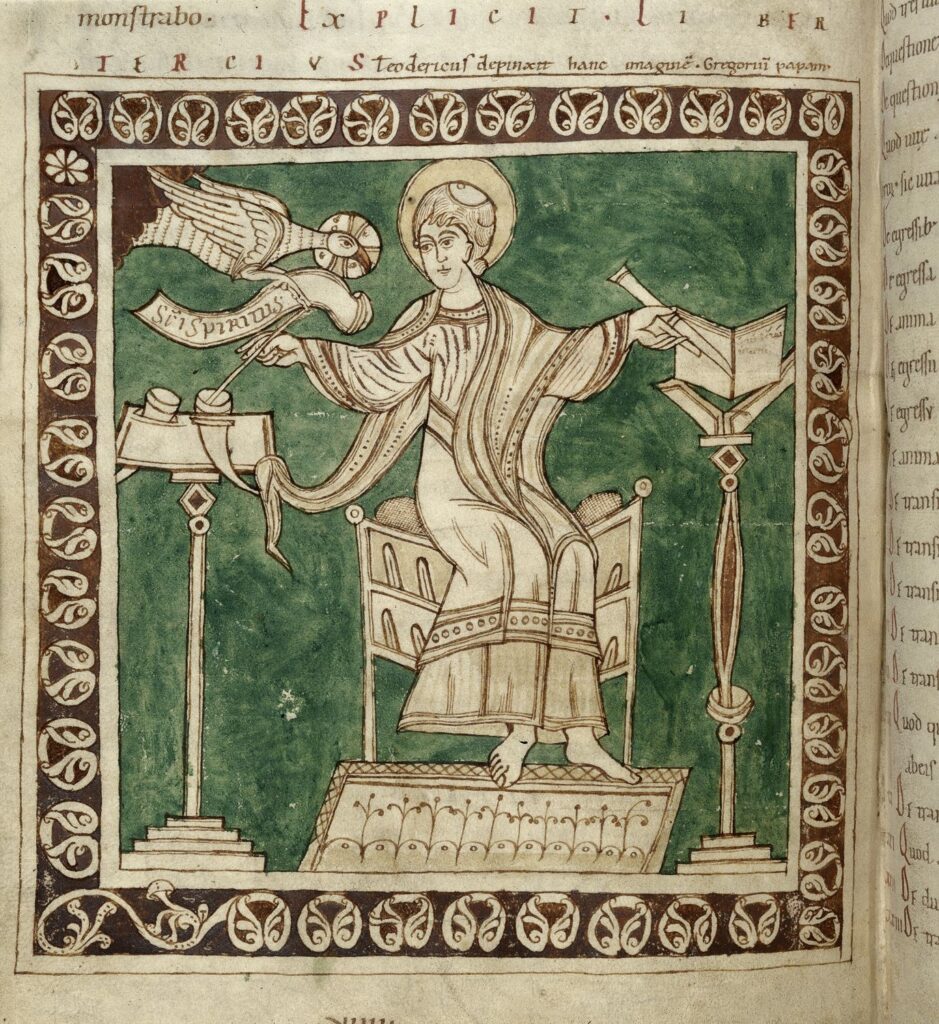
Saint Gregory the Great, born around 540, was a prominent figure in the early Christian Church, serving as the 64th Bishop of Rome from 590 until his death in 604. He was raised in a noble family, the son of a Roman senator, and he became the prefect of Rome at the young age of 30. His early life was marked by a deep commitment to faith, leading him to establish a monastery on his family estate, which laid the foundation for his future religious endeavors. Gregory's papacy was characterized by his remarkable administrative skills and a strong dedication to missionary work. He initiated the Gregorian mission, which aimed to convert the Anglo-Saxons to Christianity, marking a significant turning point in the spread of the faith across Europe. His efforts not only expanded the Church's reach but also reinforced the importance of pastoral care and community involvement. Throughout his leadership, Gregory was known for his prolific writings, which included theological treatises, letters, and homilies. His most famous work, the Dialogues, contains accounts of the lives of saints and reflects his deep spirituality and commitment to the Christian faith. Gregory's theological contributions, particularly regarding the nature of God and the role of the Church, have had a lasting impact on Christian doctrine. He is often referred to as the Dialogist, acknowledging his skill in addressing complex theological issues through conversation and dialogue. One of Gregory's most notable achievements was his ability to navigate the political landscape of his time. He was the first pope from a monastic background, which greatly influenced his approach to governance and pastoral care. His teachings emphasized humility, charity, and the importance of serving others, qualities that endeared him to the faithful. Gregory's papacy also saw the strengthening of the Church's authority, particularly in the face of external threats and internal divisions. In addition to his missionary work and theological writings, Gregory was dedicated to reforming the Church and improving liturgical practices. He played a crucial role in establishing the Gregorian chant, which has become an integral part of Catholic worship. His emphasis on music and worship reflected his belief in the power of prayer and the arts to inspire and uplift the faithful. Gregory's legacy continues to resonate within the Church, making him a beloved and revered figure in Christianity.
Miracles and extraordinary deeds
One miraculous account attributed to Saint Gregory the Great involves his intercession during a time of famine in Rome. As the people suffered, Gregory prayed fervently, and it is said that food supplies were miraculously replenished, alleviating the suffering of many. This event showcased his deep faith and the power of prayer in times of crisis. Another miracle associated with Gregory is the healing of a sick child. A mother, desperate for help, turned to Gregory in prayer. After his intercession, the child recovered swiftly from a serious illness, reinforcing the belief in Gregory's holiness and his connection to divine grace.
Legacy and influence
Saint Gregory the Great's influence extends far beyond his lifetime and continues to shape the Church today. His teachings on the importance of pastoral care and the role of the pope as a spiritual leader remain relevant, guiding the Church's mission in contemporary society. Moreover, Gregory's promotion of the Gregorian chant has left a lasting impact on Christian liturgy, enriching the worship experience for countless generations. His commitment to education and theological clarity has also inspired numerous scholars and theologians throughout history, ensuring that his legacy endures.
💡 Did you know? Saint Gregory the Great was the first pope to use the title 'Servant of the Servants of God,' emphasizing his role as a humble leader of the Church.
Prayer to Saint Gregory the Great
O glorious Saint Gregory the Great, intercede for us before the Lord. Help us to follow your example of faith, humility, and service. May we be inspired by your teachings to grow in love and charity. Amen.
Day 1: As we begin our novena, let us reflect on Gregory's early life and his dedication to God. May we seek to emulate his commitment to faith and service.
Day 2
Day 2: Today, we remember Gregory's role in converting the Anglo-Saxons. Let us pray for courage to share our faith with others.
Day 3
Day 3: As we continue our prayers, let us focus on Gregory's writings. May his words inspire us to deepen our understanding of the faith.
Day 4
Day 4: Today, we honor Gregory's contributions to liturgical music. May we appreciate the beauty of worship through song.
Day 5
Day 5: Let us reflect on Gregory's humility and service. May we strive to serve others as he did, with love and compassion.
Day 6
Day 6: Today, we pray for the Church's mission. May we be bold in our efforts to spread the Gospel, just as Gregory did.
Day 7: As we continue, let us remember Gregory's leadership. May we seek wisdom and guidance in our own lives.
Day 8
Day 8: Today, we pray for the sick and those in need. May we be instruments of God's mercy and grace.
Day 9
Day 9: In our final day of prayer, let us ask for Gregory's intercession. May we be inspired by his legacy to live out our faith boldly and serve others with love. Amen.
Frequently asked questions about Saint Gregory the Great
What is Saint Gregory the Great known for?
He is known for his contributions to the Church, including the Gregorian mission and his extensive writings.






Leave a Reply