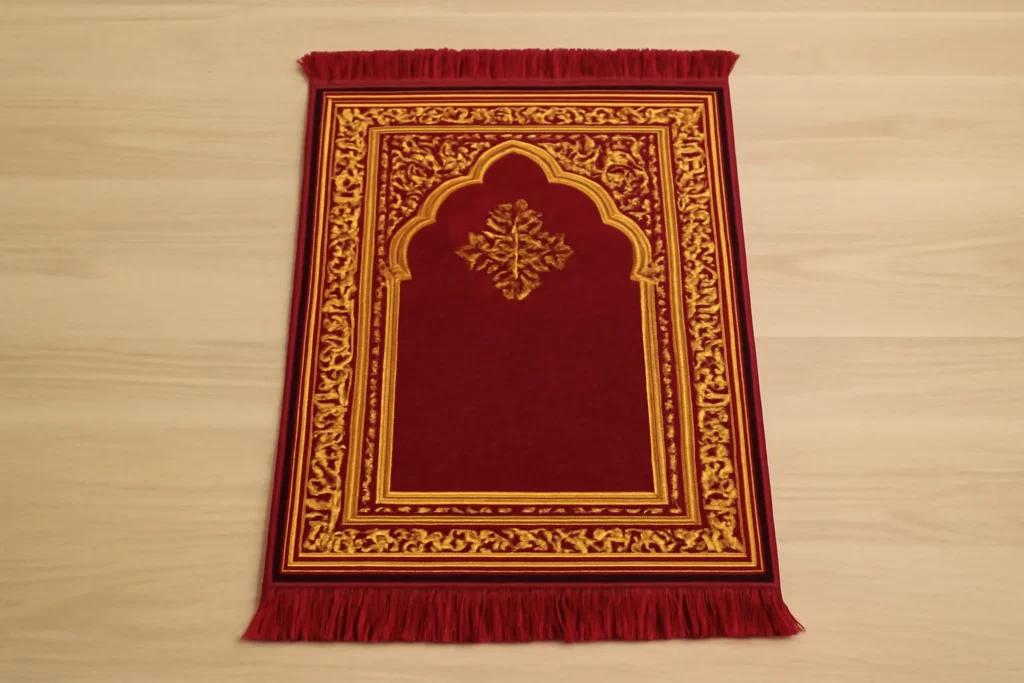
Prayer Matt is presented here as a practical framework for deepening your prayer life. It is not tied to a single tradition or doctrine, but rather offers a flexible, intentional approach that can be adapted to diverse beliefs and contexts. You may encounter variations of the name—the Prayer Matt method, Matt’s prayer framework, or the Matt approach to contemplative practice—all pointing to the same aim: to foster steadier focus, sincere connection, and practical transformation through regular prayer. In this guide, the term Prayer Matt will be used as a shorthand for the comprehensive discipline described below, while recognizing that individuals may borrow elements or adapt words to suit their own spiritual vocabulary.
At its core, Discovery, Presence, and Action drive the Prayer Matt model. It invites you to discover your inner terrain, cultivate present-moment awareness, and translate insight into daily living. This guide will help you understand the core principles behind the practice, design your own routine, and explore both foundational techniques and advanced strategies for sustained growth. Whether you are new to prayer or seeking to deepen an established habit, the Prayer Matt pathway offers a structured yet adaptable map for progress.
Across variations and cultures, effective prayer practices share a few enduring principles. The Prayer Matt framework highlights these elements as non-negotiables for meaningful growth:
Intentionality: Prayer Matt begins with a clear purpose for each session. Knowing why you are showing up helps you stay focused and resist distractions.
Consistency: Regular, even brief, practices accumulate over time. The goal is a sustainable rhythm rather than sporadic intensity.
Presence: Depth emerges when you cultivate attention to the moment—your breath, your body, your surroundings, and your inner state.
Silence and Listening: Prayers often deepen through listening—within yourself, toward the sacred, or to the needs of others.
Gratitude and Surrender: Acknowledging what is and surrendering outcomes can open space for genuine communion.
Integration: The insights gained in prayer should inform daily decisions, conversations, and actions.
Variations Within the Core
Because people bring different beliefs and sensibilities to prayer, Prayer Matt remains flexible. You might emphasize:
Private contemplation and quiet reflection.
Structured petition and intercession for others.
Structured meditation on sacred texts or spiritual themes.
Ritualized breathwork combined with vocal or silent prayers.
Creative expressions of devotion, such as movement, art, or journaling.
Starting Your Practice: Setting the Stage
Effective introduction to the Prayer Matt practice involves more than choosing a time and place. It requires setting up a conducive environment, identifying a meaningful intention, and creating conditions that support consistency. Here are practical steps to begin:
Define a clear intention: What do you hope to discover, heal, or depend on through Prayer Matt? Examples include cultivating patience, deepening gratitude, or seeking guidance.
Choose an accessible space: A quiet corner, a chair near a window, or a garden bench can become your prayer nook. The aim is to have a place where you can sit without disruption for a period.
Establish a time window: Start with a modest commitment, such as 5–10 minutes daily, and grow as it feels natural. Consistency matters more than length at first.
Select basic tools: A cushion or chair, a journal, and optional items like a candle, a rosary, or a small object that signals your intention.
Determine a structure: Will you begin with breath, read a sacred text, or simply sit in silence? Choose a simple, repeatable pattern.
As you begin, you may find it helpful to document your initial impressions in a brief journal or a digital note. Recording questions, sensations, or recurring themes can illuminate your path over time.
Daily Rituals and Routines
A cornerstone of the Prayer Matt approach is a daily rhythm. Routines provide the scaffolding that allows depth to emerge. Below are common formats you may adapt to your life:
Begin with a short breathing cycle (inhale for four counts, exhale for six).
Offer a brief intention declaration for the day ahead.
Spend 5–10 minutes in silence or contemplative reading, followed by a short closing prayer or reflection.
Evening Practice
Review the day with a mindset of gratitude and forgiveness.
Engage in a longer period of quiet stillness, perhaps with a calming breath pattern.
Close with a simple affirmation or memory of a meaningful moment from the day.
Workday Micro-Moments
Not every day allows a full session. The Prayer Matt method supports micro-prayers scattered through the day, such as:
Taking a mindful breath before deciding on a task.
Addressing a colleague or challenge with a moment of inner stillness before speaking.
Noting a small blessing or need for help in the middle of a busy schedule.
Breath, Stillness, and Attention: The Core Techniques
Three techniques anchor most Prayer Matt sessions: conscious breathing, stillness or quiet, and sustained attention. Each element reinforces the others and builds a resilient practice over time.
Conscious breathing: Use simple patterns to anchor your attention. For example, inhale for 4 counts, hold for 2, exhale for 6, and pause for 2. Repeat for several minutes. This pattern helps regulate the nervous system and reduces reactivity.
Stillness: Create a space where movement is minimized. Allow thoughts to pass like clouds, returning your focus gently to your chosen anchor—breath, a sacred word, or a short phrase.
Attention training: Practice returning to your anchor when the mind wanders. This “return” is the primary exercise of discipline and is where growth occurs.
Other tools you might add as you progress include journaling your inner experiences, silently repeating a meaningful phrase, or using a tactile object as an external reminder of your intention.
Journaling and Reflection
Journaling is not merely an add-on; it can be an essential component of the Prayer Matt journey. A well-kept journal helps you:
Track emotional patterns and recurring questions.
Capture moments of insight or unexpected grace.
Review progress over weeks or months to see how the practice has shaped daily life.
Tips for effective journaling in the Prayer Matt tradition:
Write in a conversational tone to preserve immediacy.
Use prompts such as What am I most grateful for today?, What is my current obstacle to presence?, or What action in my day could reflect my prayer?.
Include a brief intention for tomorrow to close the loop.
In addition to written entries, you might keep a simple log of duration, energy levels, and core themes. Over time, you may notice shifts in your emotional weather, a deepened sense of quiet, or new ways of relating to others.
Community, Accountability, and Shared Practices
While Prayer Matt is often a solitary journey, community can significantly strengthen motivation, accountability, and growth. Consider the following avenues:
Small groups or study circles that meet regularly to share experiences, questions, and insights.
Prayer partners who commit to exchanging brief updates, offering encouragement, and keeping each other honest about practice.
Online communities or local gatherings that provide a sense of belonging and shared intention.
When engaging with others, maintain a generous and non-competitive spirit. The aim is mutual uplift, not comparison. You might establish guidelines for confidentiality, respectful listening, and commitment levels to keep the space safe and welcoming for all participants.
Seasonal and Thematic Variations
To keep the practice fresh and relevant, you can rotate themes and seasonal focuses within the Prayer Matt framework. This helps prevent stagnation and invites different aspects of your humanity into the practice.
Seasonal cycles: Align your practice with natural rhythms—winter for inner contemplation, spring for renewal, summer for generosity, autumn for gratitude for abundance and impermanence.
Thematic months: Dedicate blocks to specific themes such as forgiveness, grief, hope, or courage.
Life-stage adaptations: Adjust practices during transitions—new work, parenthood, illness, or loss—to honor changing needs.
During these cycles, you may adopt new practices, such as longer retreat days, extended periods of silence, or engagement with sacred texts or poetry that resonate with the chosen theme. The flexibility of the Prayer Matt framework supports both depth and breadth in spiritual life.
Once you have established a sustainable routine, you may explore advanced dimensions of the Prayer Matt path. These practices are designed to deepen concentration, widen heart-centered awareness, and integrate prayer into more facets of life.
As your practice matures, you might devote certain sessions to intercession for others. This expands your practice beyond personal needs to a broader compassion-based discipline. Guidelines include:
Choose a handful of people or situations and offer prayers or intentions, shifting from self-focused to other-centered concerns.
Balance petition with gratitude for what already exists in their lives.
Maintain boundaries to avoid emotional depletion; use healthy formats such as written prayers, spoken words, or silent presence.
Contemplative Reading and Sacred Texts
Another advanced facet of the Prayer Matt journey is engaging sacred literature as a portal to deeper awareness. Techniques include:
Slow reading with deliberate, periodic pauses to reflect on meaning.
Noting phrases that resonate and lingering over questions they raise.
Pairing text study with breath and stillness to anchor insights in presence.
Common Pitfalls and How to Avoid Them
Even with a solid framework, practitioners encounter obstacles. Awareness and proactive adjustments help keep the Prayer Matt journey healthy and sustainable. Here are frequent challenges and practical responses:
: The mind may equate action with virtue, rushing through sessions. Counter this by shortening sessions when tired and prioritizing consistency over duration.
Distraction flood: External noises or internal worry can derail focus. Create a dedicated space, use a simple anchor, and practice compassionate self-talk when it happens.
Judgment of self: Criticism about not praying "enough" or "correctly" can sap motivation. Reframe as a relationship rather than a performance, and welcome small, steady steps.
Rigid expectations: Clinging to a fixed form can hinder adaptability. Allow the practice to evolve with life while preserving core intentions.
To mitigate these pitfalls, you can maintain a flexible practice log that tracks interruptions, resets, and new insights. Periodic reviews—monthly or quarterly—help you adjust the design in light of experience rather than reaction.
Measuring Progress and Adjusting Practice
Prayer Matt is not a performance metric; its aim is growth in awareness, compassion, and inner steadiness. Yet, it is helpful to have gentle measures that honor progress without becoming transactional:
Consistency rate: How often you practice within your intended window.
Quality of attention: A qualitative sense of how easily you return to your anchor during sessions.
Emotional and behavioral shifts: Noting changes in reactivity, patience, and the way you relate to others.
Depth indicators: Moments of quiet insight, a felt sense of connection, or a recurring theme in journaling.
Quarterly reflections can help you decide if the practice needs a shift in duration, timing, or emphasis. Some people may discover that moving to longer, less frequent sessions serves them better, while others thrive on daily micro-practices. The essential metric is felt alignment—are you more present, compassionate, and grounded in daily life as a result of your prayer?
Variations Across Traditions
Although the term Prayer Matt is presented here as a general framework, the practice can be harmonized with many spiritual traditions. Below are examples of how the core principles can be voiced within different lenses:
Christian contemplative practices: Centering prayer, lectio divina, or the Jesus Prayer can be integrated with the Prayer Matt structure, maintaining a rhythm of silence, scripture, and supplication.
Islamic remembrance and contemplation: Dhikr and muraqabah may align with breath-centered meditation and reflective supplication within a steady routine.
Eastern spiritual traditions: Practices such as mantra repetition, mindful movement (e.g., walking meditation), and body scans can blend with the Matt approach to cultivate ongoing awareness.
Non-denominational and interfaith approaches: The focus on presence, gratitude, and compassionate action resonates across faiths and can be practiced in inclusive, secular-friendly forms as well.
The strength of the Prayer Matt framework lies in its adaptability. You can honor familiar words, symbols, and rituals while keeping the structural principles intact: intention, presence, and integration. Experiment with language, cadence, and setting to discover what most reliably supports your deepest form of connection.
Practical Guidelines for a Sustainable Practice
Below are pragmatic recommendations to help you embed Prayer Matt into daily life in a sustainable, joyful way:
Start small: Brief sessions done consistently beat longer sessions that are sporadic.
Protect your time: Treat your prayer space as sacred space—avoid multitasking during this time.
Use flexible language: If a phrase feels inauthentic, adapt or replace it with words that resonate.
Incorporate sensory anchors: Light a candle, feel the chair under you, notice sounds or scents to ground attention.
Balance structure and spontaneity: Some days you may follow a strict pattern; other days you might simply sit with whatever arises.
Review and revise: Periodically update your intention, format, or anchor to reflect growth or changing needs.
FAQs about Prayer Matt
Here are some common questions people ask as they explore this approach:
Is Prayer Matt tied to a specific religion? No. While it can complement religious practice, the framework emphasizes universal principles of presence, intention, and compassionate action. You can tailor it to your beliefs.
How long should I practice? Start with 5–10 minutes daily and adjust based on how sustainable it feels for you.
What if I miss a day? Simply re-enter the practice when you can. The key is not guilt but return—consistency over perfection.
Can I combine Prayer Matt with other spiritual practices? Absolutely. The framework is designed to be additive and integrative, not exclusive.
How do I know if I’m growing? Look for greater patience, fewer automatic reactions, more compassionate choices, and a sense of steadiness in daily life.
Resources and Further Reading
To deepen your understanding and expand your practice, consider exploring the following resources. The aim is not to replace your current beliefs but to enrich your spiritual life through diverse ideas and practices:
Guided meditations and breath-focused practices from reputable mindfulness teachers can complement Prayer Matt sessions.
Journaling prompts and reflection exercises help capture insights and track progress over time.
Texts on contemplation from various traditions offer perspectives that can illuminate your own practice.
Local groups or online communities focused on contemplative prayer and mindfulness can provide support, accountability, and shared learning.
When engaging with any external resources, assess whether they support your core intention of presence and integration. The best additions are those that deepen your attention, cultivate gentleness toward yourself, and encourage compassionate action in everyday life.
Closing Thoughts: The Living Practice of Prayer Matt
The Prayer Matt framework is designed to be a living practice—one that grows with you as your inner landscape shifts and life presents new opportunities for growth. It invites you to show up with honesty, curiosity, and steadiness. Through deliberate practice, you can cultivate a deeper sense of connection—whether that connection is with the divine, with a higher sense of purpose, or with an inner landscape of peace and clarity. The most compelling evidence of progress is not a measured score but a changed way of being: less reactivity, more listening, and a daily life that reflects the care you draw from your practice.
As you embark on or continue your journey with Prayer Matt, remember these guiding ideas:
Begin with clarity about your intention and what you want to cultivate through prayer.
Keep it practical: a routine that fits your life is more valuable than a theoretical ideal.
Honor your pace: growth occurs gradually and often in quiet, almost imperceptible shifts.
Care for your whole life: let insights from prayer influence how you speak, act, and relate to others.
Whether you call it Prayer Matt, the Matt method, or simply a sincere daily practice, the goal remains the same: to become more present, more compassionate, and more anchored in daily life. May your practice bring you closer to the sense of peace, purpose, and connection you seek, and may it sustain you through both ordinary days and moments of extraordinary challenge.








Leave a Reply