The Queen of Sheba: A Biblical Woman of Wisdom and Wealth
The Queen of Sheba: A Biblical Woman of Wisdom and Wealth
Old Testament Women | Symbolic Figures
The Queen of Sheba: A Biblical Woman of Wisdom and Wealth
📅 10th century BCE (around 950-900 BCE) · 📜 The name 'Sheba' is believed to derive from the Hebrew word 'Shba', meaning 'oath' or 'plete,' possibly symbolizing her vow or allegiance; in some traditions, her name is linked to notions of abundance and royalty.
Queen of ShebaSolomonWisdomBiblical Women
When the queen of Sheba saw all the wisdom of Solomon, the palace he had built, the food on his table, the seating of his officials, the attenders in his robes, his cupbearers, and the burnt offerings he made at the temple of the Lord, she was overwhelmed. She said to the king, 'The report was true that I heard in my own land of your deeds and your wisdom, but I did not believe the report until I came and saw with my own eyes. And behold, the half was not told me; your wisdom and prosperity surpass the report that I heard.'— 1 Kings 10:4-7
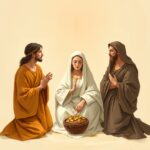
The Queen of Sheba is depicted as a wealthy and intelligent monarch who traveled from her distant kingdom to seek wisdom from King Solomon, renowned for his divine insight. Entering Jerusalem with a grand caravan laden with gold, precious stones, and spices, she posed Solomon with challenging questions to test his wisdom, which he answered expertly. Impressed by his wealth and God’s blessing upon him, she acknowledged his divine favor and praised the God of Israel. Her visit signifies the recognition of Israel’s spiritual and political power, symbolizing the recognition of divine wisdom transcending borders. Her story emphasizes the pursuit of knowledge, humility before divine grace, and the influence of faith even across distant nations. Ultimately, she becomes a symbol of wisdom, wealth, and the recognition of God's sovereignty by foreign nations.
🏛️ Cultural & Historical Context
In her era, the Queen of Sheba likely ruled a wealthy, trade-centered kingdom in the Arabian Peninsula or northeastern Africa. Women in her position often held significant political and economic power, though societal roles varied. Her journey to seek wisdom highlights her valuing of knowledge and divine favor, especially important in a male-dominated world where queens or priestesses sometimes wielded influence. Her wealth and diplomatic status reflect the importance of alliances and prestige. Her narrative showcases how female rulers could embody wisdom and authority, challenging stereotypical gender expectations of her time, and emphasizing that women could be both regal and wise leaders.
👨👩👧 Family Connections
Her familial details are not explicitly recorded in the Bible. Traditionally, she is regarded as a queen in her own right, with no specific mention of her parents, siblings, husband, or children in biblical texts.
The Queen of Sheba exemplifies the recognition of divine wisdom beyond Israel, highlighting that the truth and knowledge sought by nations come from God. Her visit proclaims the universal nature of God's sovereignty and the acknowledgment of divine authority by foreign leaders. She foreshadows the inclusion of Gentiles into God's salvation plan, symbolizing humility and the pursuit of divine truth. Her response to Solomon's wisdom underscores the importance of seeking God's guidance. In salvation history, she serves as a model of cultural humility and reverence for divine wisdom, pointing toward the fulfillment of God's plan that all nations will worship and recognize in Christ the true wisdom of God.
📖 Lessons for Today
📖 Lesson 1
Pursuing wisdom and understanding requires humility and an open heart to learn from others and from God.
Like Proverbs' wise woman or the Canaanite woman in the New Testament, the Queen of Sheba exemplifies wisdom and faith in divine insight. Her story contrasts with Mary, the mother of Jesus, as a woman who seeks divine wisdom, demonstrating that women have been vital in acknowledging and embodying divine truth across biblical narratives.
📜 Scripture References
Reference
1 Kings 10:1-13
2 Chronicles 9:1-12
Matthew 12:42
Luke 11:31
❓ Frequently Asked Questions
Who was the Queen of Sheba?
She was a legendary queen from a wealthy ancient kingdom, known for her visit to King Solomon to seek wisdom, as described in 1 Kings and Chronicles.
What did the Queen of Sheba seek from Solomon?
She sought wisdom and understanding, testing Solomon with difficult questions to verify his greatness and divine favor.
What is the significance of her visit?
Her visit symbolizes the recognition of divine wisdom beyond Israel, emphasizing that true knowledge comes from God and salvation is universal.
✨ Did You Know?
Historical and archaeological clues suggest that the Queen of Sheba may have been a queen in the Sabaean kingdom of modern-day Yemen or Ethiopia. The biblical account has inspired countless legends, and her name and story have influenced cultures across Africa and the Middle East for centuries.









Leave a Reply