The Wise Woman of Abel Beth Maacah: A Biblical Woman of Courage and Wisdom
The Wise Woman of Abel Beth Maacah: A Biblical Woman of Courage and Wisdom
Old Testament Women | Symbolic Figures
The Wise Woman of Abel Beth Maacah: A Biblical Woman of Courage and Wisdom
📅 9th century BCE, during the period of the United Monarchy of Israel · 📜 Her name 'Wise Woman' (Hebrew: חַכְמָה אִישָׁה, Chakamah Isha) directly denotes wisdom and discernment, highlighting her role as a woman of understanding and counsel.
Women of the BibleWisdomCourageOld Testament
‘Please tell the king that enquires of questions about Abel Beth Maacah that I cannot tell him.’ (2 Samuel 20:17)— 2 Samuel 20:17
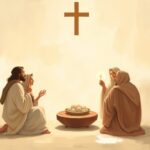
The Wise Woman of Abel Beth Maacah appears in 2 Samuel 20, during a time of civil unrest following Absalom’s rebellion. When Joab seeks a wise woman to negotiate peace with Sheba, a rebellious rebel threatening the city, she steps forward with wisdom and tact. She offers a compelling plea, appealing to her town’s reputation and urging the rebel’s surrender. Her eloquent speech convinces the leaders of Abel Beth Maacah to advise Sheba to abandon his plans, resulting in his death and saving her city from destruction. Her story exemplifies strategic diplomacy, moral courage, and community leadership. She becomes an emblem of wise action in crisis, embodying the biblical ideal of women as peacemakers and mediators. Her willingness to confront danger and advocate for her community underscore her importance as a biblical figure of wisdom and courage.
🏛️ Cultural & Historical Context
In ancient Israel, women generally held limited public roles, but some women exemplified wisdom and leadership within their communities. Wise women like her were respected for their discernment and moral authority, especially in times of crisis. Society often looked to women for counsel in resolving disputes or maintaining social harmony. Her role as a mediator highlights the nuanced influence women could wield despite cultural restrictions. This cultural backdrop underscores her extraordinary ability to navigate political and social turmoil, asserting authority through wisdom and persuasive speech rather than force, demonstrating the significance of female agency in biblical times.
👨👩👧 Family Connections
Not specifically detailed; her role is primarily as a community leader and mediator within her city.
The Wise Woman of Abel Beth Maacah illustrates God's use of humble individuals to accomplish divine purposes. Her wisdom and bravery exemplify the biblical theme that true leadership and courage often reside in those who act behind the scenes yet influence great outcomes. Her story reinforces the belief that God's providence can work through ordinary people, and her intervention foreshadows themes of peace, reconciliation, and divine guidance. She highlights the importance of faith in God's sovereignty and exemplifies how wisdom rooted in faith can lead to salvation and community restoration in times of chaos.
📖 Lessons for Today
📖 Lesson 1
Wisdom and courage can empower ordinary individuals to effect meaningful change in their communities, especially during crises.
Like Deborah the prophetess and wise women in the Old Testament, the Wise Woman of Abel Beth Maacah demonstrates that women can play crucial leadership roles rooted in wisdom and moral authority. Unlike Mary, the mother of Jesus, whose role was more defined and nurturing, her story emphasizes strategic intervention and counsel. Her character contrasts with women depicted solely as caregivers, highlighting the diversity of female influence in biblical history.
📜 Scripture References
Reference
2 Samuel 20:16-22
2 Samuel 20:26
❓ Frequently Asked Questions
What role did the Wise Woman of Abel Beth Maacah play in her community?
She acted as a mediator and wise counselor, negotiating peace during a time of rebellion and crisis, demonstrating leadership and moral courage documented in 2 Samuel 20.
Is her story considered symbolic in biblical theology?
Yes, she represents wisdom, diplomacy, and faith-led action, illustrating how divine guidance can empower ordinary women to influence great outcomes.
What can modern women learn from her story?
Her story encourages women today to embrace wisdom, courage, and moral integrity, reminding us that leadership and influence are possible through faith and tact.
✨ Did You Know?
The name 'Abel Beth Maacah' means 'meadow of Maacah,' indicating the fertile and strategic location of her city. Historically, this site was a prominent border city in ancient Israel, and her story highlights how women in such locales could play pivotal roles in peacekeeping and diplomacy.











Leave a Reply