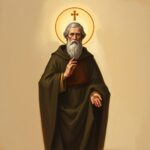
Saint Benedict of Nursia — Founder of Monasticism | Life and Legacy
Saint Benedict of Nursia — Founder of Monasticism | Life and Legacy
Saints and Martyrs · fundadores
Saint Benedict of Nursia — Founder of Monasticism | Life and Legacy
July 11
fundadores Saint Benedict of Nursia
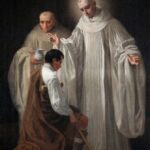
Saint Benedict of Nursia was a Christian monk and monk founder who lived during the late 5th and early 6th centuries in Italy. Recognized as the father of Western monasticism, he established the Benedictine Rule, which became the foundational guide for monastic living in the Western Church. His virtuous life, wisdom, and dedication to prayer and community earned him veneration across centuries. Benedict's influence shaped Christian spirituality and monastic discipline throughout Europe and beyond.
The name Benedict derives from the Latin 'Benedictus,' meaning 'Blessed.' The root 'bene' means 'good' or 'well,' and 'dictus' means 'spoken' or 'called,' emphasizing the meaning 'blessed' or 'well spoken.' The name was popular in Latin-speaking regions and signifies divine favor and goodness, fitting for a holy figure revered for his sanctity and leadership. It reflects the cultural importance of blessing and virtue in Christian tradition.
Feast Day
July 11
Related Bible Verses
Matthew 5:16
Let your light shine before others, so they may see your good deeds and glorify your Father in heaven.
This verse emphasizes the importance of living a virtuous life, inspiring Saint Benedict's commitment to guiding others in holiness through his monastic rules.
Philippians 4:13
I can do all things through Christ who strengthens me.
Reflecting Benedict's reliance on divine strength, this verse underscores his perseverance in faith and leadership in monastic discipline.
Romans 12:2
Do not conform to the pattern of this world, but be transformed by the renewing of your mind.
This verse aligns with Benedict's call for monks to seek spiritual renewal and reject worldly distractions in their pursuit of divine perfection.
Martyrdom and Canonization
Saint Benedict is celebrated for his heroic virtue and foundational role in shaping Christian monastic life. His death around 547 marked the culmination of a life dedicated to prayer, study, and community service. The Church officially recognized his holiness through canonization, which was formalized centuries later, acknowledging miracles associated with his intercession. The cause for his canonization was initiated due to reports of miraculous healings attributed to his relics and prayers. Canonized officially by the Church, Benedict’s example continues to inspire faith, prayer, and monastic discipline worldwide.
Miracles and Apparitions
Numerous verified miracles are attributed to Saint Benedict, including healings from chronic illnesses and protection from evil through his relics and prayers. Apparitions of monks or Benedict himself have been reported, especially near his shrine in Monte Cassino. The Church documents these miracles through investigations, confirming their supernatural nature and endorsing his intercessory power. His images often appear with a crosier, a bell, or a raven, symbolizing his wisdom and humility. These miracles bolster devotion and promote pilgrimage to sites associated with his life and relics.
Prayer and Devotion
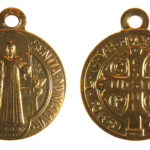
Devotees invoke Saint Benedict through prayer cards, medals, and the famous Benedictine Medal, seeking his intercession for protection, wisdom, and spiritual strength. Prayers such as the 'St. Benedict Prayer' or the 'Ora et Labora' prayer are common among the Benedictine community. Many wear scapulars or medals bearing his image, believing it offers divine protection against evil. Monastic communities and lay faithful alike visit shrines dedicated to him, especially on his feast day, to seek his guidance and blessings in their daily lives.
Saint Benedict is frequently depicted with a raven, which according to legend, saved him from poisoned bread, symbolizing divine protection. His relics are housed in the ancient monastery of Monte Cassino, a UNESCO World Heritage site, reflecting his lasting historical and cultural impact on European monasticism.
Frequently Asked Questions
Why is Saint Benedict considered the father of Western monasticism?
Because he established the Benedictine Rule, which organized monastic life in Western Europe and influenced countless monastic communities throughout history, shaping the spiritual and communal practices still followed today.
What are the main symbols associated with Saint Benedict?
Common symbols include the Benedictine cross, a raven, a crosier, and his holy book or rule, representing wisdom, protection, and his role as spiritual guide.
How do the faithful honor Saint Benedict today?
They honor him through prayer, pilgrimages to his shrines, wearing medals or scapulars, and participating in feasts and novenas dedicated to his intercession.