Saint Bernard of Clairvaux — Founder and Doctor of the Church | Life and Legacy
Saint Bernard of Clairvaux — Founder and Doctor of the Church | Life and Legacy
Saints and Martyrs · fundadores
Saint Bernard of Clairvaux — Founder and Doctor of the Church | Life and Legacy
August 20
fundadores Saint Bernard of Clairvaux
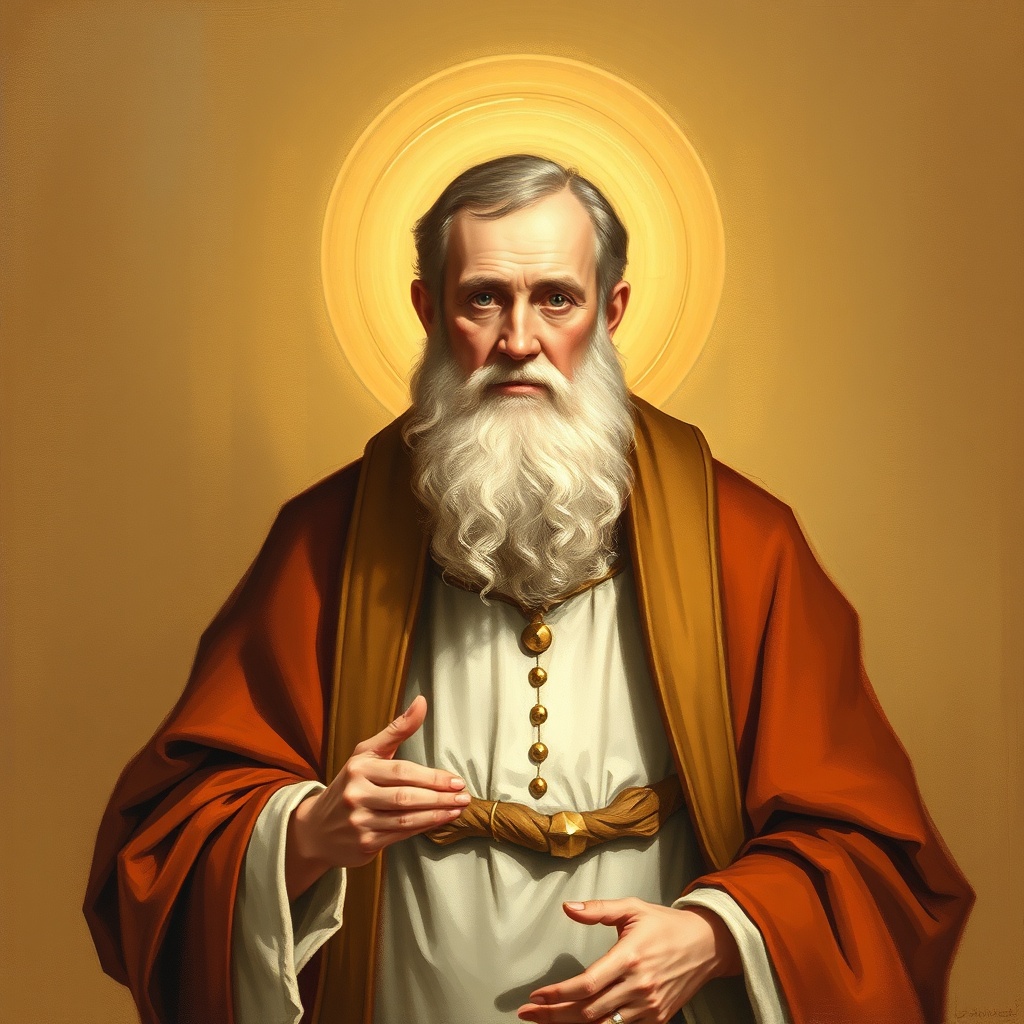
Saint Bernard of Clairvaux was a prominent 12th-century monastic reformer, theologian, and advocate for Christian renewal. Born in France around 1090, he became the abbot of the Benedictine monastery of Clairvaux, leading a spiritual revival. Renowned for his profound theological teachings and missionary work, he was instrumental in strengthening Christian unity and devotion. He was canonized in 1174 and declared a Doctor of the Church for his influential writings on faith and theology.
The name Bernard derives from the Latin name Bernardus, which stems from the Germanic elements 'bern' meaning 'bear' and 'hard' meaning 'brave' or 'strong.' The name signifies strength, courage, and resilience, reflecting Bernard’s vigorous spiritual and intellectual pursuits. In historical context, the name was popular among medieval monastic communities, symbolizing the qualities of protection and leadership.
Feast Day
August 20
Related Bible Verses
Philippians 4:13
I can do all things through Christ who strengthens me.
This verse underscores Saint Bernard’s reliance on divine strength in his spiritual battles and missionary work.
Matthew 11:29
Take my yoke upon you and learn from me, for I am gentle and humble in heart.
Reflecting Bernard’s humility and gentle leadership within monastic reform and theological teaching.
John 14:6
I am the way, the truth, and the life.
Recalls Bernard’s efforts to guide others to Christ through his writings and sermons, emphasizing the centrality of Jesus in spiritual life.
Martyrdom and Canonization
Saint Bernard of Clairvaux was canonized in 1174 by Pope Alexander III. His cause was based on his heroic virtue, exemplary monastic life, and numerous miraculous healings attributed to his intercession. Over his lifetime, Bernard was revered for his deep spirituality, theological writings, and leadership in moral and spiritual renewal. The Church recognizes his miracles as signs of his sanctity, and he was declared a Doctor of the Church in 1830, highlighting his significant influence on Christian doctrine and devotion. His death in 1153 marked the end of a life dedicated to prayer, reform, and evangelization.
Miracles and Apparitions
Many miracles have been attributed to Saint Bernard, including healings, visions, and the preservation of monasteries from disasters. Reports of miraculous healings have been officially documented by Church authorities, often corroborated by medical attestations. Apparitions or visions related to Bernard are rare but noted during significant moments of Church history, reinforcing his role as a spiritual protector. The Church continues to recognize those seeking his intercession for healing and guidance, celebrating his relics and shrine in Clairvaux.
Prayer and Devotion
Devotees often pray to Saint Bernard for wisdom, humility, and spiritual strength, invoking his intercession through traditional prayers like the 'Litany of Saint Bernard.' Novenas and special devotionals are held on his feast day, and many wear medals or scapulars bearing his image. His tomb and relics attract pilgrims seeking miracles and spiritual guidance. Churches and monasteries dedicated to him promote daily prayer and reflection on his writings, fostering a deep connection with his virtuous life.
Saint Bernard is often depicted holding a quill and a scroll, symbolizing his prolific writings and theological contribution. His relics are kept in the Cathedral of Clairvaux, which remains a major pilgrimage site, and he is sometimes associated with the symbolism of the bear, representing strength and protection in Christian iconography.
Frequently Asked Questions
Why is Saint Bernard called the Doctor of the Church?
He earned this title due to his extensive theological writings which deeply influenced Catholic doctrine, such as his sermons on love and faith, making him one of the most important teachers in the Church.
What was Saint Bernard’s role in the Cistercian reform?
He was the founder of the Cistercian order, leading a revival of Benedictine monastic ideals emphasizing simplicity, prayer, and austerity, which spread widely across Europe.
How does Saint Bernard inspire contemporary Christians?
His dedication to humility, love of Christ, and theological insight encourages believers to deepen their faith, trust in divine strength, and pursue holiness in everyday life.