Saint Bruno — Founder of Carthusian Monks | Life and Legacy
Saint Bruno — Founder of Carthusian Monks | Life and Legacy
Saints and Martyrs · fundadores
Saint Bruno — Founder of Carthusian Monks | Life and Legacy
October 6
fundadores Saint Bruno
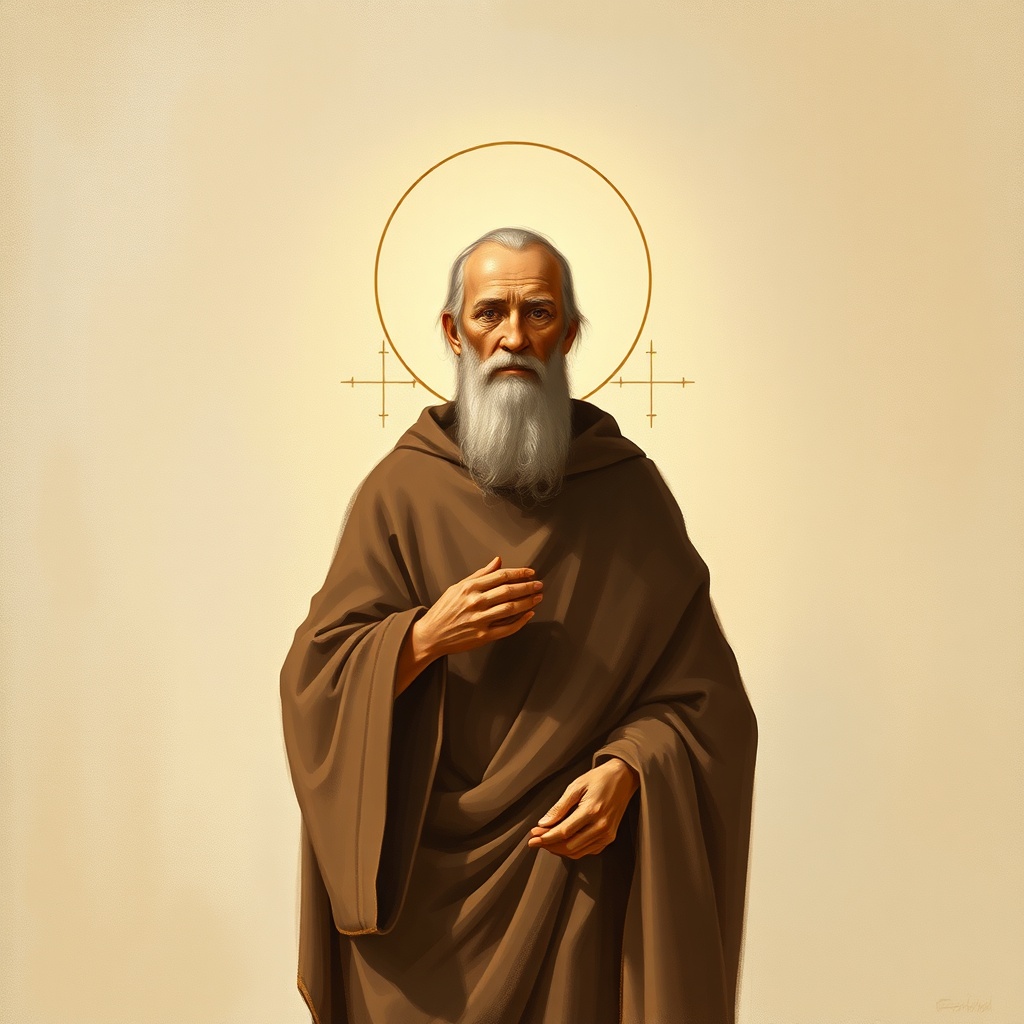
Saint Bruno of Cologne was a prominent 11th-century monk and priest who founded the Carthusian order, emphasizing contemplative prayer and solitude. Born in 1030 in Germany, he was initially a canon of Reims before retreating to the wilderness to establish his monastic community. Bruno's spiritual vision and dedication led him to create a rigorous yet peaceful monastery that attracted many followers. He is venerated as a saint for his profound humility, ascetic discipline, and pioneering monastic leadership.
The name 'Bruno' derives from the Germanic word 'Brun,' meaning 'brown,' often associated with bears or the color brown. It was a common name among nobility and saints in medieval Europe, symbolizing strength and resilience. The name’s roots reflect qualities of steadfastness and humility, fitting for a man devoted to spiritual life and retreat from worldly vanities. The name has been borne by several saints and can be found in various European traditions, emphasizing spiritual courage and contemplative virtue.
Feast Day
October 6
Related Bible Verses
Matthew 6:6
But when you pray, go into your room, close the door and pray to your Father, who is unseen.
This verse highlights the importance of solitary prayer and personal communion with God, core principles of Saint Bruno's monastic life.
Romans 12:2
Do not conform to the pattern of this world, but be transformed by the renewing of your mind.
Reflecting Saint Bruno’s commitment to spiritual renewal and detachment from worldly distractions through a life of prayer and contemplation.
Philippians 4:13
I can do all this through Him who gives me strength.
This verse underscores the virtue of reliance on divine strength, exemplified in Saint Bruno’s disciplined monastic work and trust in God.
Martyrdom and Canonization
Saint Bruno is venerated primarily as a founder of religious monasticism through his establishment of the Carthusian order. His death is believed to have been marked by humility and faith, embodying the virtues of ascetic dedication to God. Canonized after a thorough process recognizing his heroic virtues and the spiritual fruits of his community, he was declared a saint in the 12th century by Pope Innocent II. Miracles attributed to him include healings and spiritual conversions, which were documented through church investigations before canonization. His life exemplifies the Catholic ideals of prayer, solitude, and obedience, inspiring countless monastic communities worldwide.
Miracles and Apparitions
The most famous miracles associated with Saint Bruno include miraculous healings attributed to his intercession, particularly for the sick and distressed. Reported apparitions of Bruno have occurred near his shrines, especially in Cologne and France, offering comfort and guidance to the needy. The Church has officially recognized some of these miracles through processions, testimonies, and investigations, asserting their biblical alignment and spiritual significance. These miracles reinforce his reputation as a powerful intercessor for those seeking divine aid and spiritual renewal.
Prayer and Devotion
Devotees often pray to Saint Bruno for perseverance in prayer, strength to overcome temptations, and guidance in seeking solitude for inner reflection. Novenas and special prayers are dedicated to him, especially on his feast day, appealing for spiritual clarity and peace. Sacred medals and relic veneration are common among the faithful, who visit shrines dedicated to his memory to seek his intercession. Many believe that invoking Saint Bruno brings about spiritual calm, enlightenment, and closer union with God through disciplined prayer and humility.
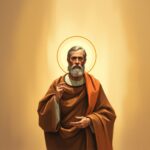
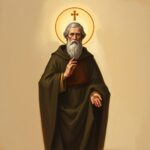
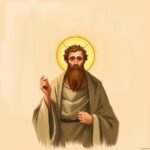
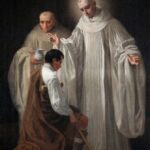
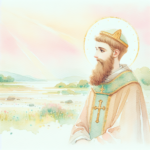
Saint Bruno is often depicted with symbols of solitude such as a hermit's staff or a star, representing guidance in spiritual darkness. His relics are preserved in Cologne, and his influence inspired the architecture of the quiet, cloistered monasteries that emphasize simplicity and reflection—cultural symbols of contemplative monasticism.
Frequently Asked Questions
Why is Saint Bruno considered the founder of monastic solitude?
Saint Bruno emphasized the importance of solitude and contemplative prayer, founding the Carthusian order as a community dedicated to silent meditation and ascetic discipline, making him a pioneer of monastic solitude.
When is Saint Bruno's feast day celebrated?
His feast day is celebrated on October 6th in the Roman Catholic Church, commemorating his life and spiritual legacy.
Are there any miracles attributed to Saint Bruno?
Yes, numerous miracles including healings and spiritual conversions are attributed to his intercession, many of which have been officially recognized by the Church during the canonization process.