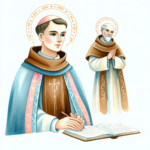
Saint John Chrysostom — Doctor of the Church and Great Preacher | Life and Legacy
Saint John Chrysostom — Doctor of the Church and Great Preacher | Life and Legacy
Saints and Martyrs · doctores
Saint John Chrysostom — Doctor of the Church and Great Preacher | Life and Legacy
September 13
doctores Saint John Chrysostom
Saint John Chrysostom was a renowned early Church Father and Archbishop of Constantinople in the 4th and 5th centuries. Born in Antioch around 349 AD, he was celebrated for his exceptional oratorical skills and deep theological insights. His sermons emphasized Christian morality, Church reform, and social justice. Despite opposition and exile, he remained committed to his faith and teachings, which earned him the title 'Chrysostom,' meaning 'Golden Mouth.' He is venerated as a Doctor of the Church for his theological contributions and spiritual leadership.
The name John derives from the Hebrew 'Yohanan,' meaning 'God is gracious.' 'Chrysostom' is from the Greek 'Chrysostomos,' meaning 'Golden Mouth,' a nickname highlighting his eloquence. The name reflects both divine grace and the shining quality of his preaching, symbolizing his role as a luminous spiritual guide in Christian tradition. The name was given to him in honor of his outstanding oratorical talent and spiritual radiance.
Feast Day
September 13
Related Bible Verses
Matthew 5:16
Let your light shine before others, that they may see your good deeds and glorify your Father in heaven.
This verse encapsulates Saint John Chrysostom's mission to illuminate the world with the Gospel through his preaching and actions.
Romans 12:2
Do not conform to the pattern of this world, but be transformed by the renewing of your mind.
Reflecting his call for moral renewal and authentic faith practice, emphasizing the importance of spiritual transformation.
Ephesians 4:29
Do not let any unwholesome talk come out of your mouths, but only what is helpful for building others up.
His sermons often called for virtuous speech and edification, consistent with this biblical encouragement.
Martyrdom and Canonization
Saint John Chrysostom died around 407 AD, after enduring exile and opposition due to his outspoken advocacy against corruption and injustice within the Church and society. Recognized as a martyr of virtue, he exemplified heroic labor in defending orthodoxy and moral integrity. The Church formally canonized him through popular acclaim, and his feast day on September 13 honors his life of heroic virtue. Miracles attributed to his intercession include healings and protection against evil, which have been documented in various traditions. He was beatified and later declared a Doctor of the Church by Pope Pius X in 1907, acknowledging his profound theological and pastoral contributions.
Miracles and Apparitions
Numerous miracles are attributed to Saint John Chrysostom, especially healings of the sick and protection from danger, often reported at shrines dedicated to him. Devotees have witnessed instantaneous cures following prayers invoked in his name. Apparitions of the saint are occasionally reported, especially during special liturgical celebrations, inspiring renewed faith and devotion. The Church has endorsed some of these miracles after thorough ecclesiastical investigation, strengthening his reputation as a miracle-working saint and spiritual intercessor.
Prayer and Devotion
Faithful believers pray to Saint John Chrysostom for eloquence in speech, wisdom, and courage to defend their faith. Novenas, medals, and prayer cards dedicated to him are commonly used in devotions. Pilgrimages to his relics and shrines foster feelings of inspiration and spiritual renewal. Many invoke his intercession for improved communication, moral strength, and social justice, following his example of speaking truth with love and conviction. His feast day is marked with sermons, processions, and community prayers emphasizing repentance and sanctity.
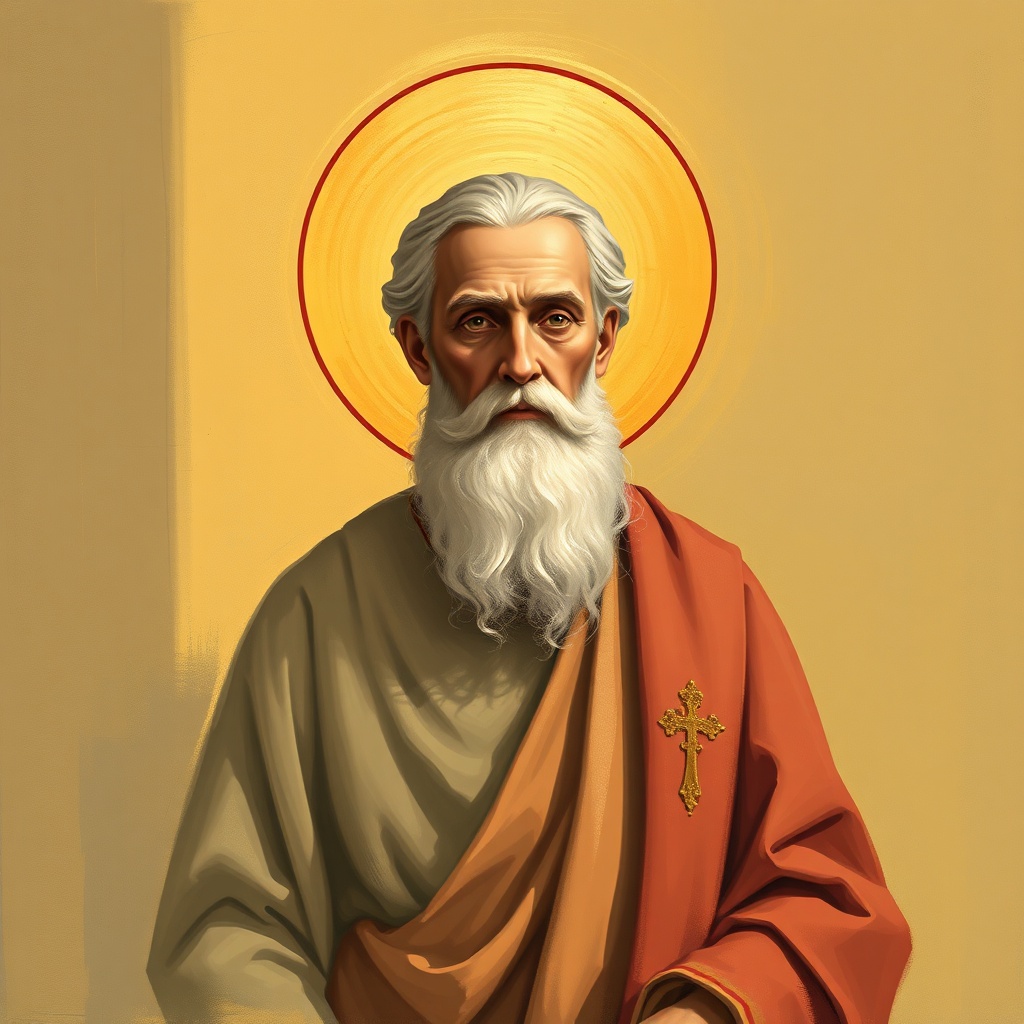
Saint John Chrysostom is often depicted in iconography with a gold-mouthed orator’s staff, symbolizing his eloquence. His relics, believed to be miraculous, are venerated in several churches, and his influence extends into the arts, inspiring numerous sermons, icons, and liturgical hymns dedicated to his memory.
Frequently Asked Questions
Why is Saint John Chrysostom called 'Golden Mouth'?
He earned the nickname 'Golden Mouth' because of his extraordinary eloquence and powerful preaching, which captivated audiences and conveyed divine truths effectively, as highlighted in his sermons and writings.
What contributions did Saint John Chrysostom make to the Church?
He contributed significantly through his sermons, writings on theology, and reforms aimed at improving moral life within the Church, emphasizing charity, humility, and social justice, shaping Christian thought for centuries.
How is Saint John Chrysostom remembered today?
He is commemorated as a Doctor of the Church, celebrated for his doctrinal teachings, theological writings, and advocacy for the poor and moral reform, inspiring countless Christians worldwide.