Saint Gregory the Great — Doctor of the Church | Life, Virtues, and Legacy
Saint Gregory the Great — Doctor of the Church | Life, Virtues, and Legacy
Saints and Martyrs · doctores
Saint Gregory the Great — Doctor of the Church | Life, Virtues, and Legacy
September 3
doctores Saint Gregory the Great
Saint Gregory the Great was a prominent 6th-century pope and theologian born in Rome. Renowned for his pastoral care and administrative skill, he played a crucial role in strengthening the Church during turbulent times. He is venerated as a Doctor of the Church for his profound theological writings and reforms. His legacy continues through his contributions to Gregorian chant and ecclesiastical reform.
The name Gregory derives from the Latin 'Gregorius', meaning 'watchful' or 'alert'. It originates from Greek 'Gregorios', rooted in 'gregorēin', meaning 'to watch' or 'to be vigilant'. The name was popular among early Christian leaders, reflecting qualities of watchfulness and spiritual diligence valued in Christian tradition.
Feast Day
September 3
Related Bible Verses
Matthew 5:16
Let your light shine before others, that they may see your good deeds and glorify your Father in heaven.
This verse reflects Gregory’s dedication to illuminating the world through his virtuous life and teachings, encouraging believers to be faithful witnesses.
Romans 12:21
Do not be overcome by evil, but overcome evil with good.
A reminder of Gregory’s heroic virtue in confronting the moral and spiritual challenges of his time with goodness and patience.
John 10:11
I am the good shepherd. The good shepherd lays down his life for the sheep.
This verse underscores Gregory’s pastoral care and his willingness to serve and sacrifice for his flock.
Martyrdom and Canonization
Saint Gregory the Great was canonized as a saint due to his heroic virtues and leadership during times of crisis in the Church and society. He became pope around 590 AD and was widely venerated for his holiness and theological wisdom. The Church officially declared him a Doctor of the Church for his prolific writings and teachings on doctrine and liturgy. Miracles attributed to his intercession include healings and protection from natural disasters, which were thoroughly documented by the Church. His cause for canonization was formally opened in the early medieval period, and he was canonized by popular acclaim and papal recognition, with miracles serving as signs of his sanctity.
Miracles and Apparitions
Various miracles have been reported in connection with Saint Gregory, including healings of the sick and protection during plagues. Some apparitions of Gregory are reported in Christian tradition, often encouraging the faithful to prayer and renewal. The Church has officially recognized several miracles attributed to his intercession, reinforcing his role as a celestial guide and healer. His relics, including his skull and writings, are venerated in several sites, serving as focal points for pilgrimage and prayer.
Prayer and Devotion
Devotees pray to Saint Gregory for guidance, wisdom, and protection. Special novenas are held on his feast day, asking for his intercession in times of difficulty. Medals and scapulars bearing his image are used as reminders of his virtue and serves as a source of spiritual strength. Many faithful visit shrines dedicated to him to seek inspiration and healing, invoking his intercession for peace and clarity in their lives.
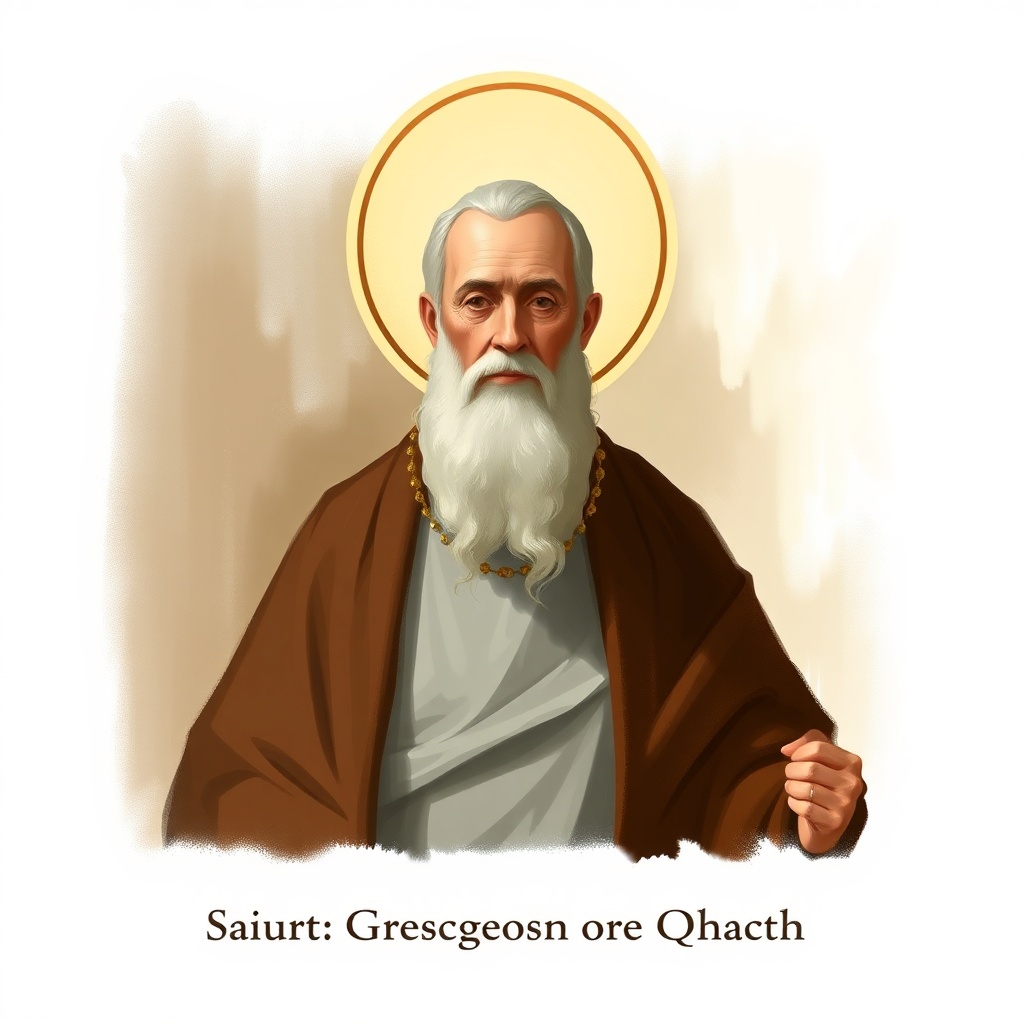
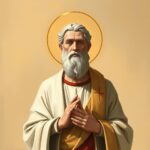
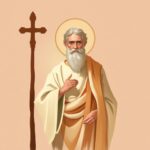
Saint Gregory the Great is often depicted in art with a dove, symbolizing the Holy Spirit, and holding a papal cross or book. His relics are said to include a piece of his skull and writings, which continue to inspire pilgrims. Additionally, Gregorian chant, attributed to him, remains an influential form of sacred music, symbolizing his lasting cultural and spiritual impact.
Frequently Asked Questions
Why is Saint Gregory the Great called a Doctor of the Church?
Because of his profound theological writings, teachings, and reforms that profoundly influenced Catholic doctrine and practice, recognized officially by the Church.
What are some notable contributions of Saint Gregory the Great?
He reformed the Church’s liturgy, contributed to the development of Gregorian chant, and led efforts to evangelize and strengthen Christian communities in Europe.
How is Saint Gregory the Great remembered today?
He is honored on his feast day September 3, and remembered through hymns, liturgies, and devotion, especially for his wisdom, humility, and dedication to service.